10 Best-Selling Movie Industry Books Millions Love
Recommended by Ben Stiller, Vinod Khosla, and Stephen Spielberg—discover best-selling Movie Industry books that offer trusted guidance from screenwriting to Hollywood business.
Updated on June 25, 2025·We may earn commissions for purchases made via this page
5 of 10 books have Audiobook versions
We're launchingLaunching on Product Hunt today 🎉We just launchedJust launched on Product Hunt 🎉
Modelpeers, from the BookAuthority teamFrom the BookAuthority team: Modelpeers, a free way to follow AI models and agents like you follow people. We'd love your support.
There's something special about books that both critics and crowds love—especially in the fast-evolving world of the movie industry. Whether you're a screenwriter, director, or cinema enthusiast, understanding the craft and business behind filmmaking is crucial. These 10 best-selling books have stood the test of time, offering proven techniques and insider perspectives that have shaped Hollywood storytelling and production.
Leading experts like Ben Stiller, who found Sidney Lumet's Making Movies inspiring early in his career, and Vinod Khosla, who endorses Blake Snyder's Save The Cat!, bring credibility to these selections. Directors like Stephen Spielberg and producers such as Quincy Jones highlight the value of these works, which blend practical advice with rich industry insight.
While these popular books provide proven frameworks, readers seeking content tailored to their specific Movie Industry needs might consider creating a personalized Movie Industry book that combines these validated approaches with your unique background and goals.
Blake Snyder, a seasoned screenwriter and producer with over 20 years in the industry, penned this book after selling scripts for Disney and Steven Spielberg. Known for his straightforward, easy-to-follow storytelling method, Blake created a system that’s helped countless screenwriters and creative professionals develop stories that resonate. His approach, still widely used by development executives and producers, offers you a clear path to structuring compelling screenplays with practical tools like the "Board" and the mastery of story beats.
Blake Snyder's Save the Cat series of books are the best selling books on screenwriting. In his 20-year career as a screenwriter and producer, Blake Snyder sold dozens of scripts, including co-writing Blank Check, which became a hit for Disney, and Nuclear Family for Steven Spielberg. His book, 'Save the Cat!® The Last Book on Screenwriting You'll Ever Need,' was published in May 2005, and is now in its 33rd printing. The sequels, 'Save the Cat!® Goes to the Movies: The Screenwriter's Guide to Every Story Ever Told,' 'Save the Cat!® Strikes Back: More Trouble for Screenwriters to Get Into... And Out Of,' and software, 'Save the Cat!® The Last Story Structure Software You'll Ever Need,' are also bestsellers. Along with guiding screenwriters, novelists, and other creative thinkers, Blake's method has become the secret weapon of many development executives, managers, and producers for its precise, easy, and honest appraisal of what it takes to write and develop stories in any media. Blake was a proud member of the Writers Guild of America, west. He passed away suddenly on August 4, 2009, but he lives on in his films and his books, in the advice that will never grow old, with the spirit that will continue to thrive and inspire. His story resonates with all who loved him, and your stories will resonate thanks to his love for you.
Blake Snyder's two decades as a screenwriter and producer gave him firsthand insight into what makes a screenplay sell, and he distilled this into a straightforward method that demystifies the movie business. You learn how to craft compelling loglines, master the 15 essential story beats, and use the "Board" technique to map scenes with emotional impact and conflict. The book explains why your hero must serve your idea and introduces ten genres that categorize every movie, giving you a clear framework for storytelling. If you're aiming to understand screenplay structure or get your script noticed, this book offers a practical, no-frills guide that’s proven its value in Hollywood and beyond.
Robert McKee is a renowned screenwriting lecturer and author, best known for his book 'Story: Substance, Structure, Style and the Principles of Screenwriting'. With decades of experience in teaching storytelling, McKee has influenced countless writers and filmmakers. His seminars have been attended by professionals from various fields, including Hollywood, and he is celebrated for his insightful analysis of narrative structure and character development. This background uniquely qualifies him to guide you through the intricate craft of screenwriting, making his book a foundational resource for anyone serious about storytelling in the movie industry.
Robert McKee is a renowned screenwriting lecturer and author, best known for his book 'Story: Substance, Structure, Style and the Principles of Screenwriting'. With decades of experience in teaching storytelling, McKee has influenced countless writers and filmmakers. His seminars have been attended by professionals from various fields, including Hollywood, and he is celebrated for his insightful analysis of narrative structure and character development.
Unlike most movie industry books that focus on surface storytelling tips, Robert McKee's work dives deep into the architecture behind compelling screenplays. He draws on decades of experience teaching Hollywood professionals to reveal how structure and character interplay create memorable narratives. You’ll explore detailed frameworks, like his famous story structure model and character arcs, which can transform how you develop scripts or analyze films. This book suits aspiring screenwriters, producers, and anyone intrigued by the mechanics of storytelling in cinema, though casual readers may find its depth demanding.
This AI-created book on screenwriting success is crafted based on your background, experience level, and specific screenplay interests. You share which story elements and techniques you want to explore, and it focuses on your goals to help you write scripts that resonate. Personalizing this learning makes sense because screenwriting blends universal principles with individual creativity, and this book matches that balance perfectly.
TailoredRead AI creates personalized nonfiction books that adapt to your unique background, goals, and interests. Instead of reading generic content, you get a custom book written specifically for your profession, experience level, and learning objectives. Whether you're a beginner looking for fundamentals or an expert seeking advanced insights, TailoredRead crafts a book that speaks directly to you. Learn more.
2026·50-300 pages·Movie Industry, Screenwriting, Story Structure, Character Development, Plot Devices
This tailored book explores battle-tested screenplay frameworks and story structures designed for success in the movie industry. It reveals how to craft compelling narratives by combining popular, proven techniques with your unique interests, matching your background and goals. Through a tailored approach, it examines essential story elements, character arcs, pacing, and cinematic impact, providing a focused learning experience that aligns with what millions of readers have found valuable. By focusing specifically on screenplay success, this book encourages deep understanding and skillful application that speaks directly to your aspirations as a writer or filmmaker.
Syd Field (1935-2013) was acclaimed as 'the guru of all screenwriters' and is regarded by many Hollywood professionals as the leading authority in the art and craft of screenwriting. His best-selling books, including this one, are often called the 'bibles' of the film industry and have been translated into over 25 languages. Field's work is taught at major institutions like Harvard and UCLA, and his students include Oscar-winning filmmakers. His deep insight into screenplay structure and storytelling fundamentals makes this book a foundational text for anyone serious about screenwriting.
Syd Field (1935-2013) was acclaimed as 'the guru of all screenwriters' and is regarded by many Hollywood professionals as the leading authority in the art and craft of screenwriting. His best-selling books, including 'Screenplay: The Foundations of Screenwriting,' 'The Screenwriter’s Workbook,' and 'The Screenwriter’s Problem Solver,' are considered the 'bibles' of the film industry. Field's works are used in colleges and universities and have been translated into over 25 languages. He was a special consultant to the Film Preservation Project at the Getty Center and the first inductee into the Screenwriting Hall of Fame. Field taught at prestigious institutions like Harvard and UCLA, and his former students include Oscar-winning filmmakers and writers.
Syd Field's decades of experience in Hollywood led him to develop a clear framework for writing screenplays that resonates with both novices and seasoned writers. You learn why the first ten pages are critical to captivate professional readers and how to craft authentic dialogue and memorable characters that drive your story. The book dives into adapting various source materials into scripts, protecting your work legally, and offers flexible story structures rather than rigid formulas. Whether you're aiming to sell your screenplay or sharpen your storytelling craft, this guide walks you through the essentials with practical clarity.
Ben Stiller, UNHCR Goodwill Ambassador and accomplished actor, recalls discovering this book in his twenties, a time when he was eager to understand the craft behind his passion. He found "Making Movies" made film directing feel accessible and real, inspiring his desire to create. This endorsement aligns with widespread acclaim, highlighting Sidney Lumet’s ability to open the door to the director’s world. Similarly, Stephen Spielberg praises the book as a rare gift, emphasizing how Lumet’s sharing of his process enriches the filmmaking community and deepens appreciation for the director’s role.
“@sepinwall A classic - so inspiring. I read it in my 20s and it made me feel like movie making was accessible and real and made me want to do it. I love that book.” (from X)
Sidney Lumet was an acclaimed American film director known for his work on classics such as '12 Angry Men', 'Dog Day Afternoon', and 'Network'. With a career spanning over four decades, he received numerous accolades, including five Academy Award nominations and a Lifetime Achievement Award from the American Film Institute. Lumet's unique storytelling style and deep understanding of the filmmaking process have made him a respected figure in the industry. His insights into directing and the collaborative nature of filmmaking are captured in his writings, particularly in 'Making Movies', where he shares his experiences and philosophies.
Sidney Lumet's decades of directing experience led him to craft "Making Movies" as both a memoir and practical guide that pulls back the curtain on filmmaking. You’ll learn how choices like script selection, actor direction, and complex scene staging come together to create cinematic moments, with vivid examples from classics like "Network" and "The Verdict." Lumet explains the director’s balancing act between artistic vision and studio demands, offering insight into the collaborative process that shapes every frame. This book suits aspiring directors and film enthusiasts eager to understand the nuts and bolts behind great movies without getting lost in jargon or theory.
One of Hollywood Reporter's 100 Greatest Film Books
Hollywood, The Dream Factory offers a rare anthropological lens on the movie industry, exploring how the complex social relationships behind the cameras influence the films you see. This 1950 study by Hortense Powdermaker provides valuable insight into the balance between business interests and artistic expression in Hollywood, making it a notable reference for those interested in film history and cultural studies. Its detailed chapters break down everything from the script assembly to star personas, helping you understand the human elements shaping cinema.
What happens when a seasoned anthropologist turns her eye to Hollywood? Hortense Powdermaker's classic examination of the movie industry reveals how the social dynamics behind the scenes shape the films themselves. You’ll explore the tension between art and commerce through chapters like "Men Who Play God" and "Assembling the Script," gaining insight into the production process and the personalities that drive it. This book suits anyone curious about the cultural and social fabric woven into Hollywood’s dream factory, from film enthusiasts to students of media and society.
This AI-created book on film direction is crafted based on your background and goals, ensuring every chapter focuses on what matters most to you. By sharing your experience level and specific directing interests, you receive a tailored guide that streamlines your learning journey. Instead of generic advice, it delivers focused insights that align with your resources and ambitions, giving you a practical path to accelerate your skills and complete your projects successfully.
TailoredRead AI creates personalized nonfiction books that adapt to your unique background, goals, and interests. Instead of reading generic content, you get a custom book written specifically for your profession, experience level, and learning objectives. Whether you're a beginner looking for fundamentals or an expert seeking advanced insights, TailoredRead crafts a book that speaks directly to you. Learn more.
2026·50-300 pages·Movie Industry, Film Direction, Scene Composition, Actor Collaboration, Visual Storytelling
This tailored guide explores the art and craft of film direction, designed to match your unique background and resources. It reveals step-by-step processes that focus on your specific goals, enabling a practical deep dive into directing techniques, scene composition, actor collaboration, and visual storytelling. By centering on your interests and experience, it offers a tailored learning experience that accelerates mastery without unnecessary detours.
The book examines essential aspects such as pre-production planning, shot selection, and directing actors, blending widely respected filmmaking knowledge with insights personalized for your journey. This approach ensures you gain relevant, engaging content that supports your progression as a filmmaker with clarity and purpose.
Robert B. Ray is a renowned film scholar and author specializing in Hollywood cinema. His expertise in this field lends authority to this work, which explores the ideological and historical dimensions of Hollywood filmmaking. Ray’s deep knowledge informs a nuanced look at how American movies have shaped and responded to cultural trends, providing you with a richly detailed perspective on cinema’s most enduring form.
After analyzing iconic Hollywood films, Robert B. Ray found that American cinema consistently avoids taking firm ideological stances, instead blending tradition with innovation to appeal broadly. Through detailed examinations of classics like Casablanca and The Godfather, he reveals how Hollywood’s storytelling strategies reflect its historical context and commercial motivations. You’ll gain insight into the balance between artistic expression and mass audience appeal, understanding the subtle ways Hollywood negotiates between avant-garde and mainstream tastes. This book suits anyone curious about film history, cultural influence, or the mechanics behind popular American movies.
Thomas Schatz’s "Genius of the System" offers a penetrating look at Hollywood’s transformation from the 1920s through the 1960s, a period that defined the modern movie industry. The book’s detailed examination of the studio system reveals how tightly controlled production methods shaped cinematic art and commerce alike. Recognized for its thorough analysis and appeal among cinema scholars, this work benefits anyone seeking to understand the forces that built and then unraveled classic Hollywood's golden era. Its value lies in unpacking complex industry shifts that continue to influence filmmaking today.
Unlike most movie industry books that focus on surface anecdotes, Thomas Schatz takes you deep into Hollywood's structural evolution from the 1920s through the 1960s. You’ll gain insight into how studio systems shaped film production and the forces that led to their eventual decline. Chapters explore the economic and cultural shifts that redefined the industry, providing a framework to understand classic Hollywood’s rise and fall. If you’re interested in the mechanics behind iconic films and the industry’s institutional history, this book offers a detailed, analytical perspective that goes beyond celebrity gossip or simplistic narratives.
The Boston Globe, a leading American newspaper, calls this book the "Gold-standard technical reference book for filmmakers," reflecting its widespread authority in the movie industry. Their endorsement comes from extensive experience covering film and media, recognizing how this handbook supports filmmakers at all levels, especially those eager to master both creative and technical aspects. Likewise, The Independent succinctly praises it as "The bible--updated," underscoring its status as a go-to resource for anyone serious about film production. These endorsements align with the book’s deep dive into modern filmmaking techniques and business realities, making it a trusted guide for your filmmaking journey.
Steven Ascher is an Oscar-nominated filmmaker whose films include Troublesome Creek and So Much So Fast. He has been a visiting professor at Harvard University and taught film at MIT. He most recently directed Our Towns for HBO. Edward Pincus's films include Diaries (1971-76) and One Cut, One Life. He founded the Film Section at the Massachusetts Institute of Technology and taught film at Harvard. He died in 2013.
What started as Steven Ascher and Edward Pincus's commitment to teaching film evolved into a detailed manual that covers every stage of movie making, from shooting to distribution. You’ll gain a solid grounding in handling cameras, lenses, lighting, sound recording, and editing, including modern formats like 4K and HDR. The book also delves into the business side of filmmaking, helping you understand funding and how to get your work seen across theaters and streaming platforms. Whether you’re aspiring to create dramatic features or documentaries, this handbook offers clear guidance tailored for both beginners and professionals looking to update their skills.
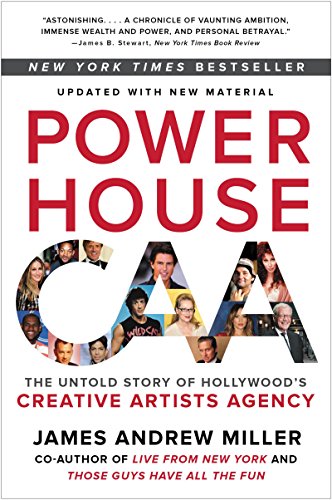
Moses Kagan, a co-founder of Reconven LA and a seasoned entertainment professional, highlights "Powerhouse" as an essential read that aligns closely with what many in the movie industry value. His straightforward endorsement, "Amazing book," reflects how the detailed insider perspective reshaped his understanding of Hollywood’s creative and business ecosystems. This candid narrative offers you a rare glimpse into the forces that have quietly controlled the entertainment world for decades, making it a must-read if you want to grasp the real story behind the scenes.
Unlike most movie industry books that focus on surface-level celebrity gossip or box office numbers, James Andrew Miller dives deep into the inner workings of Creative Artists Agency (CAA), revealing how it reshaped Hollywood's power structures over five decades. Through exclusive interviews and financial data, you get an unvarnished look at the agency’s rise from a small start-up to a dominant force influencing movies, TV, music, and sports. This book teaches you the complex dynamics of talent representation, strategic empire building, and the sometimes ruthless business maneuvers behind your favorite entertainment. If you're interested in the behind-the-scenes forces that drive Hollywood's creative and financial decisions, this book offers a candid, richly detailed narrative.
Mike Sievert, President & COO at T-Mobile, shared his enthusiasm for this title with the simple yet telling endorsement: "@GeorgeTakei Caddyshack, FTW! There’s a great book about the making of it!" His appreciation reflects how this book connects with those who enjoy understanding the inner workings of Hollywood’s movie industry. Sievert's nod highlights how the book brings to light the behind-the-scenes chaos and creativity that shaped a cult comedy, making it resonate not only with fans of the film but also with professionals curious about film production. Complementing this, Mark Frost, best-selling author, praises the book’s detailed portrait of comedy’s evolution, underscoring its appeal to those fascinated by the movie business’s complexities.
“An incisive, definitive portrait of an epoch in the evolution of comedy - told through the improbable saga of the making of a beloved, oddball classic - that solves one of the enduring mysteries of the movie business: How in the name of Bushwood’s gopher did this fractured fairytale ever come together?”
Chris Nashawaty is a writer, editor, and former Entertainment Weekly film critic. He is the author of Caddyshack: The Making of a Hollywood Cinderella Story and his work has appeared in Esquire, Sports Illustrated, and Vanity Fair. He currently lives in Los Angeles with his family.
What started as an exploration of a cult comedy classic became Chris Nashawaty's vivid chronicle of Hollywood’s chaotic creative spirit in the 1970s. As a former Entertainment Weekly film critic, Nashawaty draws on deep industry insight to reveal how the unruly production of Caddyshack captured a turning point in movie-making culture. You’ll gain a behind-the-scenes look at the clash of egos, improvisation, and unexpected brilliance that shaped the film, with detailed anecdotes about the National Lampoon crew and the infamous gopher. This book suits anyone fascinated by film history or curious about how unpredictable factors come together to create enduring cult movies.
The best Movie Industry books and more, in your inbox each week. No account needed.
Conclusion
Collectively, these 10 books reveal clear themes: the importance of solid storytelling structure, the intricate collaborations behind filmmaking, and the powerful business forces shaping Hollywood. If you prefer proven methods, start with Save The Cat! or Screenplay for story crafting. For validated industry insights, combine Making Movies and Powerhouse for a behind-the-scenes view.
Alternatively, you can create a personalized Movie Industry book to combine proven methods with your unique needs. These widely-adopted approaches have helped many readers succeed by delivering knowledge grounded in expert experience and reader validation.
Frequently Asked Questions
I'm overwhelmed by choice – which book should I start with?
Start with "Save The Cat!" for a straightforward screenwriting method or "Making Movies" to understand directing basics. Both provide accessible entry points endorsed by experts like Ben Stiller and Sidney Lumet.
Are these books too advanced for someone new to the Movie Industry?
Not at all. Books like "The Filmmaker's Handbook" offer clear guidance for beginners, while others like "Story" dive deeper for advanced readers. You can pick based on your comfort level.
What’s the best order to read these books?
Begin with screenplay-focused titles like "Save The Cat!" and "Screenplay," then explore filmmaking and industry dynamics with "Making Movies" and "Powerhouse" for a well-rounded understanding.
Do these books assume I already have experience in the Movie Industry?
Some, like "Story," expect familiarity with storytelling concepts, but many, such as "The Filmmaker's Handbook," are designed for all skill levels, guiding you from basics to advanced topics.
Can I skip around or do I need to read them cover to cover?
You can definitely skip around. For instance, "Powerhouse" focuses on talent agencies, so read chapters relevant to your interest. These books serve as both reference and narrative.
How can I get tailored Movie Industry knowledge beyond these books?
While these expert books offer solid foundations, personalized content can address your unique goals and background. Consider creating a custom Movie Industry book to combine proven methods with your specific needs.
📚 Love this book list?
Help fellow book lovers discover great books, share this curated list with others!