6 Beginner-Friendly Architecture Books to Build Your Skills
Recommended by Wrath Of Gnon and other experts, these Architecture Books offer clear guidance for newcomers eager to learn.
Starting a journey in architecture can feel daunting, but the beauty of this field is its accessibility to newcomers willing to explore step by step. Architecture shapes how we live and interact with the world, and these books open doors to understanding its principles without overwhelming you. Each title offers a thoughtful introduction, making complex ideas approachable and sparking your curiosity.
Wrath Of Gnon, a traditionalist and urbanism commentator with deep experience in building crafts, highlights the value of foundational learning. His endorsement of "Learn to Timber Frame" stems from the book's clear, hands-on approach that turns a challenging craft into something achievable, proving that beginners can gain real skills early on.
While these beginner-friendly books provide excellent foundations, readers seeking content tailored to their pace and specific goals might consider creating a personalized Architecture book that meets them exactly where they are. This option adapts to your interests, helping you build confidence and knowledge effectively.
1. Learn to Timber Frame
Recommended by Wrath Of Gnon
Traditionalist and urbanism commentator
“Will Beemer's "Learn to Timber Frame" is a great book on maybe the technically most challenging of traditional building techniques. Even then it is a technique that anyone with average health and mobility can learn "well enough". If you can build a shed, you can build a home.” (from X)

What started as Will Beemer's decades-long dedication to timber framing evolved into a guide tailored specifically for newcomers to this traditional craft. You learn how to construct a small timber frame cabin from sourcing the timber to completing the build, with detailed instructions and visuals that make a complex process approachable. The book also empowers you to customize the structure with modifications like lofts, door placements, and roof pitches, giving you practical skills adaptable to your own projects. If you’re interested in hands-on building and understanding traditional craftsmanship without being overwhelmed by technical jargon, this book serves as a solid introduction.
2. Drawing Architecture

Drawing Architecture offers a clear pathway for first-time learners eager to capture urban landscapes through drawing and painting. Richard Taylor, an experienced watercolourist and teacher, guides you through practical techniques using diverse media like pencil, ink, and watercolour, with exercises that gradually increase in complexity. You'll explore architectural styles ranging from Renaissance cathedrals to humble garden sheds, learning how to compose scenes, understand perspective, and use tone effectively. This book suits anyone wanting to develop foundational skills in architectural art without being overwhelmed by technical jargon or advanced theory.
Architecture Starter Blueprint

This tailored book offers a carefully designed introduction to architecture, built around your unique background and goals. It explores foundational concepts with clarity, focusing on core principles such as spatial understanding, design basics, and architectural history. The learning experience is paced to build your confidence gradually, avoiding overwhelm through targeted explanations and examples that suit your comfort level. By tailoring the content specifically to your interests, it addresses the aspects of architecture you want to master most, providing a clear path from beginner to confident learner. This personalized approach ensures you engage deeply with the material while progressing at a pace that feels right for you.
3. THE ARCHITECTURE BOOK

D.K. Publishing is known for transforming complex architecture concepts into accessible insights for beginners and enthusiasts alike. This book invites you to explore architectural history from ancient structures to modern skyscrapers, enriched with timelines, charts, and vivid graphics that simplify challenging ideas. You’ll gain a solid grasp of architectural movements, styles, and technologies worldwide, including Gothic cathedrals and Renaissance innovations. It’s especially suited for those starting out or seeking a well-organized refresher, although readers looking for technical depth might find it more introductory than exhaustive.
4. Architecture

When you first open Architecture: Form, Space, and Order, you encounter a clear and accessible pathway into architectural design that demystifies complex ideas. Francis D.K. Ching, a global authority on architectural illustration, draws on decades of teaching experience to translate foundational concepts of form, space, and order into vivid, hand-drawn visuals and thoughtful explanations. You’ll explore how light, openings, circulation, proportion, and scale shape architecture, with updated examples highlighting sustainable and digital influences in today’s buildings. This book is ideal if you want a structured yet inviting introduction that builds your visual and conceptual vocabulary without overwhelming jargon or assumptions.
5. Rem Koolhaas

After extensive research and collaboration with the Harvard Graduate School of Design, Rem Koolhaas presents a deep exploration of architectural fragments like windows, façades, and staircases that shape the built environment. This book unpacks how technology, climate, politics, and economics influence these elements, offering nuanced insights into their evolution rather than a singular architectural history. You'll find detailed essays, interviews, and a visually rich layout that together deepen your understanding of the micro-narratives behind architecture’s fabric. If you’re drawn to how small components collectively define structures, this work offers a methodical yet accessible lens to appreciate architecture’s complexity.
Design Fundamentals Toolkit

This tailored book explores key principles of architecture designed specifically for your learning style and pace. It covers fundamental concepts progressively, helping you build confidence without overwhelm. By focusing on your interests and background, it reveals essential topics in a clear, accessible way that matches your goals for comfortable skill development. The book examines foundational ideas and gently guides you through practical applications, making complex subjects approachable. This personalized approach ensures that you engage deeply with the material, fostering understanding and steady progress in architecture concepts tailored just for you.
6. A Field Guide to American Houses
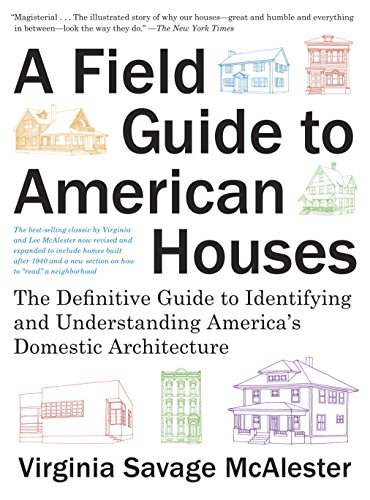
After extensive work in historical preservation and architecture, Virginia Savage McAlester developed this guide to demystify American domestic architecture for enthusiasts at any level. You'll learn to identify over fifty architectural styles from the past three centuries through clear illustrations and detailed explanations, including how to interpret features like cornices, windows, and porches. The book also explores the historical context behind each style, enriching your understanding of the social and economic influences on American homes. Whether you’re a casual walker curious about local houses or someone involved in preservation, this reference offers clear, accessible insights without overwhelming jargon.
Enjoying these picks?
The best Architecture books and more, in your inbox each week. No account needed.
Conclusion
This curated collection emphasizes building a strong architectural foundation through accessible, engaging content. Whether you're drawn to the hands-on craft of timber framing, the expressive art of drawing buildings, or exploring architectural history and design theory, these books guide you gently yet thoroughly.
If you're completely new, starting with "THE ARCHITECTURE BOOK" or "Architecture" by Francis D.K. Ching offers broad overviews to ground your understanding. For a more tactile introduction, "Learn to Timber Frame" provides practical skills. Progress naturally by exploring specialized areas like American home styles or detailed design elements in Rem Koolhaas's work.
Alternatively, you can create a personalized Architecture book that fits your exact needs, interests, and goals to create your own personalized learning journey. Building a strong foundation early sets you up for success in this rich and rewarding field.
Frequently Asked Questions
I'm overwhelmed by choice – which book should I start with?
Start with "THE ARCHITECTURE BOOK" or Francis D.K. Ching's "Architecture" for broad, beginner-friendly introductions that build a solid foundation without jargon.
Are these books too advanced for someone new to Architecture?
No, these selections were chosen for their clear explanations and approachable style, perfect for newcomers with no prior background.
What's the best order to read these books?
Begin with general overviews like "THE ARCHITECTURE BOOK," then explore practical skills with "Learn to Timber Frame" and artistic approaches in "Drawing Architecture."
Should I start with the newest book or a classic?
Focus on clarity and relevance rather than publication date. Both recent and established titles here offer valuable beginner guidance.
Will these books be too simple if I already know a little about Architecture?
They provide foundational insights that even those with some experience find useful to reinforce and expand their understanding.
How can I make these expert books fit my specific learning goals and pace?
These books are great starting points, but personalized content tailored to your experience and interests can complement them perfectly. You can create a personalized Architecture book that matches your exact needs and learning speed.
Help fellow book lovers discover great books, share this curated list with others!
Related Articles You May Like
Explore more curated book recommendations