7 Music Theory Books Every Beginner Should Explore
Jazz pianist Otmaro Ruiz and YouTube artist Aimee Nolte recommend these beginner-friendly Music Theory Books to build solid skills.
Updated on June 24, 2025·We may earn commissions for purchases made via this page
We're launchingLaunching on Product Hunt today 🎉We just launchedJust launched on Product Hunt 🎉
Modelpeers, from the BookAuthority teamFrom the BookAuthority team: Modelpeers, a free way to follow AI models and agents like you follow people. We'd love your support.
Every expert in Music Theory started exactly where you are now — curious, eager, and maybe a bit overwhelmed. The beautiful thing about Music Theory is that anyone can begin to understand it with the right guidance and resources. Whether you're drawn to jazz improvisation, guitar mastery, or simply reading music, starting with accessible, well-structured books makes all the difference.
Otmaro Ruiz, a Grammy-nominated jazz pianist and UCLA professor, highlights how Jazz Piano Fundamentals offers a clear roadmap for newcomers, blending technique with creativity. Meanwhile, Aimee Nolte, a jazz pianist and popular YouTube artist, praises the same book for its respect for jazz tradition and ability to unlock artistic potential. Their endorsements show that solid foundations can launch your musical journey with confidence.
While these beginner-friendly books provide excellent foundations, readers seeking content tailored to their specific learning pace and goals might consider creating a personalized Music Theory book that meets you exactly where you are. This approach ensures you build your skills without overwhelm and stay motivated every step of the way.
Otmaro Ruiz, a Grammy-nominated jazz pianist and UCLA professor, recommends this book as an ideal starting point for anyone embarking on jazz piano. He praises Jeremy’s clear methodology, saying, "Jeremy's book is not only perfect to start this wonderful journey called Jazz Piano, but also one to come back to... Thank you!!" This endorsement comes from a musician who understands the challenges of learning jazz piano and values a resource that supports both beginners and ongoing development. Aimee Nolte, a jazz pianist and YouTube artist, adds that the book embodies Jeremy’s artistry and deep respect for jazz tradition, helping pianists unlock their creativity.
Pianist-composer Jeremy Siskind is a two-time laureate of the American Pianists Association and winner of the Nottingham International Jazz Piano Competition. He has established himself as one of the nation’s most innovative modern pianists, known for his multifaceted career that combines musical styles and breaks aesthetic norms. Siskind has written 13 publications with Hal Leonard and teaches at California’s Fullerton College, spreading peace through music globally.
Pianist-composer Jeremy Siskind draws on his experience as a two-time laureate of the American Pianists Association and a jazz competition winner to make jazz piano approachable for newcomers. His book breaks down complex techniques like improvisation, chord voicings, and swing rhythm into digestible lessons, reinforced by exercises and listening guides. You’ll find practical frameworks for mastering comping, lead sheet reading, and styles such as blues and bossa nova, all paced for the first six months of study. If you’re comfortable with major scales and some classical pieces, this can be your structured roadmap to jazz piano fundamentals.
Jonathan Harnum is an experienced music teacher with over twenty years of teaching in schools and private studios. He holds a PhD in music education and is the author of several music-related books. His extensive background shapes a teaching approach that makes learning to read and write music accessible and enjoyable, especially for beginners seeking a solid foundation in music theory.
Jonathan Harnum is an experienced music teacher with over twenty years of teaching in schools and private studios. He holds a PhD in music education and is the author of several music-related books.
Jonathan Harnum, with over two decades of music teaching experience and a PhD in music education, transforms the often intimidating world of written music into something accessible and even enjoyable. His book breaks down the meaning behind notes, rhythms, and symbols in a straightforward, sometimes humorous style, making complex concepts approachable for beginners and useful for experienced players refreshing their knowledge. You’ll find clear explanations of how to read and write music, supported by lessons refined through years in classrooms and studios. If you want a solid foundation in reading and understanding written music without feeling overwhelmed, this book offers a friendly guide that you can return to time and again.
This AI-created book on music theory is crafted based on your background, skill level, and specific learning goals. By focusing exactly on what you want to learn and your comfort pace, it gently introduces fundamental concepts without overwhelming you. This personalized approach makes building your music theory knowledge more approachable and rewarding, helping you gain confidence as you progress.
TailoredRead AI creates personalized nonfiction books that adapt to your unique background, goals, and interests. Instead of reading generic content, you get a custom book written specifically for your profession, experience level, and learning objectives. Whether you're a beginner looking for fundamentals or an expert seeking advanced insights, TailoredRead crafts a book that speaks directly to you. Learn more.
2026·50-300 pages·Music Theory, Music Fundamentals, Notation Basics, Scales And Modes, Intervals
This tailored book explores fundamental music theory concepts through a carefully paced, step-by-step approach designed specifically for beginners. It focuses on building confidence by matching lessons to your current skill level and learning preferences, helping to remove overwhelm with clear, accessible explanations. By focusing on your individual background and goals, it delivers a personalized learning experience that covers essential topics such as notation, scales, intervals, and chord construction.
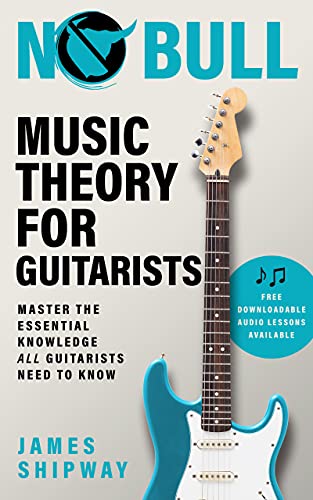
James Shipway is a guitarist, author, and course creator with over 25,000 hours of experience helping students of all ages and abilities reach their guitar-playing goals. He's shared his knowledge with millions of guitarists worldwide via his YouTube channel and his online guitar academy, Total Guitar Lab, as well as in his acclaimed series of guitar books. James first began playing guitar at 16. Self-taught and with no prior musical education or experience, he still remembers very well how confusing guitar playing is without any guidance. He brings this personal experience of struggling with adversity and confusion on guitar to everything he does, and his practical, easy-to-use, 'BS free' approach to learning, playing, and practicing guitar has gained him a legion of followers around the globe. His book releases aim to boost a guitar player's ability and confidence by breaking down and simplifying seemingly complex theory, techniques, and styles.
This guitar theory primer covers intervals, triads, major and minor keys and chord sequences, and it shows how to apply them to playing, improvising and songwriting. It uses easy language and diagrams, and it requires no music reading. Free downloadable audio is included.
Nick Morrison is an Amazon #1 Best Selling author, professional musician, composer, teacher, narrator/voice actor, YouTube creator, actor, and music/media consultant from Calgary, Alberta. He has toured throughout the United States, Canada, and Japan as a guitarist, worked as a session musician, and writer/composer for Warner Bros, Universal Studios, Sony, MTV, ABC, NBC, HGTV, HBO among others. He was educated at The Berklee College of Music in Boston, Mass, where he studied guitar performance and music business management. In 2021, he released his first instructional books and launched his website guitar dojo dot ca, and in 2022 he launched his own custom App and lesson platform on Android and iOS - The Guitar Dojo.
This plain-English guide teaches guitarists the basics of musical literacy without complicated language. It covers building and using major and minor scales and modes, harmonizing a scale, using chords to write songs, and naming chords.
James Shipway is a guitarist, author and course creator with over 25,000 hours of experience helping students of all ages and abilities reach their guitar-playing goals. He's shared his knowledge with millions of guitarists worldwide via his YouTube channel and his online guitar academy, Total Guitar Lab, as well as in his acclaimed series of guitar books. James first began playing guitar at 16. Self-taught and with no prior musical education or experience, he still remembers very well how confusing guitar playing is without any guidance. He brings this personal experience of struggling with adversity and confusion on guitar to everything he does, and his practical, easy-to-use, 'BS free' approach to learning, playing and practicing guitar has gained him a legion of followers around the globe. His book releases including; Music Theory for Guitarists, Volumes 1, 2 & 3, The CAGED System for Guitar, Blues Soloing for Guitar, Volumes 1 & 2, Barre Chords for Guitar and Circle of Fifths for Guitar, aim to boost a guitar player's ability and confidence by breaking down and simplifying seemingly complex theory, techniques and styles - so that guitar players of all levels can see drastic changes in their standard of playing.
This method book combines three volumes into one, moving from basics such as the major scale, triads and pentatonic scales to the fretboard, seventh chords, the Circle of Fifths and modes. It then advances to the CAGED System, extended chords, modulation and substitute chords. No music reading is required, and the book includes quizzes, assignments and downloadable audio.
This personalized AI book about music fundamentals is created based on your current knowledge and learning goals. By sharing your background and skill level, you receive a book tailored to introduce core music theory concepts at a comfortable pace. This makes it easier to build confidence and avoid overwhelm while focusing on subjects that matter most to you. Creating a customized learning path ensures you engage deeply with essential basics, supporting your progress effectively.
TailoredRead AI creates personalized nonfiction books that adapt to your unique background, goals, and interests. Instead of reading generic content, you get a custom book written specifically for your profession, experience level, and learning objectives. Whether you're a beginner looking for fundamentals or an expert seeking advanced insights, TailoredRead crafts a book that speaks directly to you. Learn more.
This book explores core music theory principles through a tailored learning experience designed to match your background and comfort level. It covers foundational concepts progressively, helping you build confidence without feeling overwhelmed. By focusing on your specific interests and goals, it creates a learning path that unfolds at a pace suited to your skills. The content carefully balances theory with approachable explanations, making complex ideas accessible and engaging. This personalized approach ensures that you grasp essential theory basics effectively, empowering you to develop a solid understanding that supports your musical journey.
Matthew Ellul has been passionate about music for many years, overcoming his own frustrations in learning music theory. After dedicating over a decade to research and practice, he developed a unique teaching method that simplifies music theory for beginners. His goal is to help students connect the dots in their musical education, making learning enjoyable and effective. Matthew has successfully guided hundreds of students through the complexities of music notation and theory, ensuring they gain confidence in their musical abilities.
This step-by-step program teaches how to read music notation, including rhythm, musical notes, notation details and musical symbols. It includes music examples, written exercises, listening activities, lesson summaries, a final test and online audio access.
David Shipway started playing the ukulele at age 9 and progressed to guitar and band performances. After a mobility issue hindered his guitar playing, he rediscovered the ukulele and began teaching. He aims to simplify music theory for ukulele players, believing anyone can understand the basics with the right guidance.
This entry-level introduction teaches ukulele players the theory behind keys, chord families and common chord progressions, using diagrams and hands-on examples. No music reading is needed, and quizzes test knowledge along the way. Free online video demos are included.
The best Music Theory books and more, in your inbox each week. No account needed.
Conclusion
These 7 books share a common thread: they break down Music Theory into manageable, engaging lessons tailored for beginners. Whether your instrument is piano, guitar, or ukulele, each book guides you progressively—from understanding notation to applying scales and chords.
If you're completely new to Music Theory, Basic Music Theory, 4th ed. offers a friendly introduction to reading and writing music. Guitarists can start with No Bull Music Theory for Guitarists before advancing to the complete method book by James Shipway. For those eager to grasp notation quickly, How to Read Music in 30 Days blends theory with practice effectively.
Alternatively, you can create a personalized Music Theory book that fits your exact needs, interests, and goals to create your own learning journey. Remember, building a strong foundation early sets you up for success in your musical pursuits.
Frequently Asked Questions
I'm overwhelmed by choice – which book should I start with?
Start with Basic Music Theory, 4th ed. for a clear introduction to reading and understanding music. It lays a solid foundation without overwhelming jargon, perfect for first-time learners.
Are these books too advanced for someone new to Music Theory?
No, these books are curated specifically for beginners. For example, No Bull Music Theory for Guitarists uses simple language and practical exercises designed for newcomers.
What's the best order to read these books?
Begin with general theory like Basic Music Theory, 4th ed. or How to Read Music in 30 Days. Then, progress to instrument-specific books such as Music Theory for Guitarists or Jazz Piano Fundamentals.
Should I start with the newest book or a classic?
Choose based on your instrument and learning style. While newer books like Music Theory for Guitarists, the Complete Method Book offer up-to-date methods, classics like Basic Music Theory remain invaluable for fundamentals.
Do I really need any background knowledge before starting?
No background is needed. These books assume no prior knowledge and guide you step-by-step, balancing theory and practice to help you build confidence gradually.
Can I get a Music Theory book tailored to my specific goals and skill level?
Yes! Expert books provide great foundations, but personalized books complement them by matching your pace and focus. You can create a custom Music Theory book designed just for you.
📚 Love this book list?
Help fellow book lovers discover great books, share this curated list with others!