7 Blindness Books That Experts Recommend for Insight and Inspiration
Discover Blindness books endorsed by Shoshana Weissmann Sloth Committee Chair, Randy Bryce, and Amy Kavanagh, offering unique perspectives and expert guidance.
Updated on June 28, 2025·We may earn commissions for purchases made via this page
6 of 7 books have Kindle versions
We're launchingLaunching on Product Hunt today 🎉We just launchedJust launched on Product Hunt 🎉
Modelpeers, from the BookAuthority teamFrom the BookAuthority team: Modelpeers, a free way to follow AI models and agents like you follow people. We'd love your support.
What if you could step into the world of blindness not just as a medical condition but as a rich, complex human experience? Blindness is often misunderstood, yet it shapes identity, culture, and resilience in profound ways. This collection of books peels back the layers, inviting you to see blindness through the eyes of those who live it, advocate for inclusion, and explore its cultural significance.
Among those who champion these narratives is Shoshana Weissmann Sloth Committee Chair, who found Haben to be a powerful testament to overcoming barriers with optimism and grit. Veteran and ironworker Randy Bryce resonated with the inspiring journey of Haben Girma, while activist Amy Kavanagh recommends this memoir for understanding disability culture firsthand. Meanwhile, Alice Wong and neuroscientist David Eagleman praise There Plant Eyes for its elegant fusion of memoir and cultural history.
While these expert-curated books provide proven frameworks and rich perspectives, readers seeking content tailored to their specific blindness challenges or interests might consider creating a personalized Blindness book that builds on these insights and meets their unique learning goals.
Shoshana Weissmann Sloth Committee Chair, a digital media manager and legal reform fellow, found deep inspiration in Haben Girma's memoir after encountering her story amid conversations on disability rights. She described Haben as "one hell of a strong woman" whose journey overcomes numerous obstacles with a positive and insightful perspective, expressing eagerness to learn from the book. This candid account reshaped her understanding of resilience and innovation in disability advocacy, making it a compelling read for anyone interested in social justice. Alongside her, Randy Bryce, a veteran and ironworker, simply called it a "great inspiration," underscoring the book's broad appeal.
“I can't wait to read her book. One hell of a strong woman and I know I'm going to learn lots from her story. Lots of obstacles in her way and one hell of a positive nature and great perspective” (from X)
Haben Girma advocates for equal opportunities for people with disabilities. President Obama named her a White House Champion of Change. She received the Helen Keller Achievement Award, and a spot on the Forbes 30 Under 30 list. President Bill Clinton, Prime Minister Justin Trudeau, and Chancellor Angela Merkel have all honored Haben. Her work has been featured in the Financial Times, BBC, Washington Post, NPR, and more.
Drawing from her unique experiences as the first Deafblind graduate of Harvard Law School, Haben Girma shares her journey navigating a world not built for her. You learn how she innovated communication through text-to-braille technology, adapted to everyday challenges like dancing salsa and using power tools, and advocated for disability rights on a global stage. The book offers vivid stories, such as her climb up an Alaskan iceberg and meeting President Obama, revealing resilience and creativity in overcoming barriers. If you seek insight into disability as a catalyst for innovation and inclusion, this memoir offers a candid, inspiring perspective grounded in real-life encounters.
Alice Wong, editor of Disability Visibility and a leading voice in disability advocacy, discovered this book through her commitment to elevating underrepresented perspectives. She describes, "This sighted disabled person learned so much from There Plant Eyes! The book took me on a cultural journey that showed how blindness is beautiful, complex, and brilliant." Her experience highlights the book’s ability to challenge common perceptions and enrich understanding. Similarly, David Eagleman, a Stanford neuroscientist, praises Godin's sensitive writing for offering new insights into sightlessness, making this a thoughtful read for anyone interested in the human experience of blindness.
“This sighted disabled person learned so much from There Plant Eyes! The book took me on a cultural journey that showed how blindness is beautiful, complex, and brilliant.” (from Amazon)
M. Leona Godin (pronounced like French sculptor Rodin) is a writer, performer, educator, and the author of There Plant Eyes: A Personal and Cultural history of Blindness (Pantheon, 2021). Her writing has appeared in The New York Times, Playboy, O Magazine, Electric Literature, Catapult, and other print and online publications. She produced two plays: “The Star of Happiness” about Helen Keller’s time performing in vaudeville, and “The Spectator and the Blind Man,” about the invention of braille. Godin holds a PhD in English, and besides her many years teaching literature and humanities courses at NYU, she has lectured on art, accessibility, technology, and disability at such places as Tandon School of Engineering, Rice University, Baylor College of Medicine, and the American Printing House for the Blind. Her online magazine exploring the arts and sciences of smell and taste, Aromatica Poetica, publishes writing and art from around the world.
M. Leona Godin challenges the conventional wisdom that blindness is merely a loss by tracing its rich cultural and historical tapestry, weaving together personal memoir with analysis of art, literature, and science. You’ll explore how blindness has been symbolized from Homeric epics to modern media, and uncover the surprising ways blind individuals have been portrayed and misunderstood. The book offers vivid insights into the invention of braille, echolocation science, and key accessibility milestones, enriching your understanding of what blindness means beyond vision loss. If you seek a nuanced view that blends cultural critique with lived experience, this book will deepen your perspective on blindness and its place in society.
This AI-created book on blindness mastery is designed around your background, skill level, and specific challenges. By sharing what aspects of blindness you want to focus on and your learning goals, you receive a book that concentrates on the issues most relevant to you. This personalized approach makes navigating the complexities of blindness more accessible and meaningful, ensuring the content speaks directly to your experience and objectives.
TailoredRead AI creates personalized nonfiction books that adapt to your unique background, goals, and interests. Instead of reading generic content, you get a custom book written specifically for your profession, experience level, and learning objectives. Whether you're a beginner looking for fundamentals or an expert seeking advanced insights, TailoredRead crafts a book that speaks directly to you. Learn more.
This tailored book explores the multifaceted challenges and adaptations involved in living with blindness, focusing on your unique background and goals. It examines daily living techniques, assistive technologies, and emotional resilience strategies that match your interests and skill level. By weaving together key knowledge from expert sources and personalized learning needs, it reveals practical approaches to mastering mobility, communication, and independence.
Through a personalized lens, this guide covers accessibility tools, social inclusion, and mental health support, fostering a deeper understanding of blindness as a rich human experience. This tailored approach helps you engage with the material in a way that directly addresses your specific challenges and aspirations.
Judge David Tatel served on the United States Court of Appeals for the District of Columbia Circuit from 1994 to 2023. His three-decade career as a civil rights lawyer focused heavily on equal educational opportunity and access to justice. In this memoir, he shares his unique journey of living with blindness for over fifty years while shaping landmark legal decisions, revealing how his condition influenced both his personal identity and professional life.
Judge David Tatel served on the United States Court of Appeals for the District of Columbia Circuit from 1994 to 2023. His three-decade career as a civil rights lawyer focused heavily on equal educational opportunity and access to justice.
2024·352 pages·Blindness, Justice, Law, Disability, Civil Rights
Judge David S. Tatel brings a rare perspective to the topic of vision loss, reflecting on over fifty years of living with blindness while serving nearly three decades on the U.S. Court of Appeals for the D.C. Circuit. In this memoir, you encounter his gradual journey from denial of his blindness to embracing it as integral to his identity, enriched by candid accounts of adapting to legal work through technology and human support. You’ll explore themes of resilience, accessibility, and justice, particularly through chapters detailing landmark cases and his evolving relationship with his guide dog Vixen. This book offers insight especially valuable to those interested in the intersection of disability, law, and personal transformation, though its legal depth may be dense for casual readers.
Andrew Leland’s impressive background includes contributions to The New York Times Magazine, The New Yorker, and hosting arts and culture podcasts like The Organist for KCRW. His extensive editorial experience and personal journey with retinitis pigmentosa uniquely qualify him to write this memoir. Leland’s exploration goes beyond the physical loss of sight, delving into the language, politics, and culture of blindness, offering you an intimate and informed perspective on what it means to live between worlds.
Andrew Leland’s writing has appeared in The New York Times Magazine, The New Yorker, McSweeney’s, The San Francisco Chronicle, and Art in America, among other outlets. From 2013 to 2019, he hosted and produced The Organist, an arts and culture podcast, for KCRW; he has also produced pieces for Radiolab and 99% Invisible. He has been an editor at The Believer since 2003. He lives in western Massachusetts with his wife and son.
2023·368 pages·Blindness, Disability Culture, Personal Memoir, Adaptation, Identity
Andrew Leland’s memoir takes you inside the complex transition from sight to blindness with a rare blend of honesty and curiosity. Drawing from his own experience with retinitis pigmentosa, Leland explores not only the physical loss but the cultural, linguistic, and emotional dimensions of blindness. You’ll gain insights into navigating shifting relationships and identity, while also discovering blindness as a distinct culture rich in its own customs and history. Chapters delve into everything from the politics surrounding disability to the personal challenges of adapting, making this a thoughtful read for anyone seeking a deeper understanding of vision loss beyond the medical perspective.
Finalist for the Pulitzer Prize
Named best book by The New Yorker, The Washington Post, The Atlantic, NPR, Publishers Weekly, LitHub
Jennifer Marshall Bleakley holds a master’s degree in mental health counseling and has extensive experience as a grief counselor, which deeply informs her writing. After transitioning to life as a stay-at-home mother, she found solace in journaling that evolved into this compelling narrative. Her background combines psychological insight with heartfelt storytelling, giving you a unique perspective on blindness through the story of Joey, a blind rescue horse who changes lives at Hope Reins ranch. This book invites you to witness grace and healing in unexpected places.
Jennifer Bleakley’s love of the written word began with a coffee pot. As a shy young girl, she found it hard to verbally communicate what was in her heart. Her perceptive father began writing notes to her and leaving them in front of the coffee pot for her to find in the morning. Jen took great delight in replying to her dad—leaving her own notes for him to find. Thus beginning their “coffee pot chronicles,” and Jen’s lifelong love of the written word. Jen holds a master’s degree in mental health counseling, and worked for several years as a grief counselor before relocating to NC with her husband and staying home with their two children. With her career plans on hold, and while living in a sea of dirty laundry, Cheerios and apple juice stains, Jen found comfort in journaling—recording evidences of God’s hand, still at work, even in the midst of the mundane. Her journaling morphed into a blog, where she still writes regularly about glimpsing God’s grace in our daily lives. Jen is a contributing author for Treasuring Christ Curriculum and She Believes Online Bible studies, and she writes curriculum and devotionals for her local church in Raleigh, NC. And even though she once swore she was too introverted to speak from a stage, she has found that God’s grace is big enough to allow her to do just that, and now delights in speaking about His extraordinary grace.
Unlike most books on blindness that focus solely on medical or psychological perspectives, this narrative by Jennifer Marshall Bleakley explores the profound emotional journey of a blind rescue horse named Joey and his impact on healing children with traumatic pasts. You learn about resilience, trust-building, and the deep connections between animals and humans, particularly through the work of Hope Reins ranch, which uses rescued animals to foster emotional recovery. The book delves into themes of neglect, recovery, and hope, offering readers insights into empathy and caregiving beyond blindness itself. This story suits those interested in emotional healing, animal-assisted therapy, and the broader human-animal bond rather than technical blindness knowledge.
This AI-created book on blindness adaptation is tailored to your unique experience and goals. It’s created after you share your background, current challenges, and which aspects of adapting to blindness you want to focus on. By centering on your specific needs, this book offers a clear, personalized pathway through the complex process of adjustment, making the journey more manageable and efficient.
TailoredRead AI creates personalized nonfiction books that adapt to your unique background, goals, and interests. Instead of reading generic content, you get a custom book written specifically for your profession, experience level, and learning objectives. Whether you're a beginner looking for fundamentals or an expert seeking advanced insights, TailoredRead crafts a book that speaks directly to you. Learn more.
This tailored book explores focused actions for rapid improvement in blindness adaptation, designed to match your background and specific goals. It offers a personalized pathway through the complexities of adjusting to vision loss, combining expert knowledge with your unique learning needs. You’ll examine practical techniques and insights that accelerate adjustment, enhance daily functioning, and build resilience. The content is crafted to focus on your interests, ensuring that each chapter addresses the challenges and opportunities most relevant to your blindness journey. This approach transforms a broad field into a targeted, approachable learning experience that supports meaningful progress quickly and effectively.
Steven Holcomb, an Olympic gold medalist and the only athlete with a medical procedure named after him, shares his compelling journey from near blindness to elite sports success. His story reveals how the Holcomb C3-R procedure transformed not only his vision but his entire life, inspiring those facing vision challenges to find hope and determination.
Steven Holcomb, Steve Eubanks, Geoff Bodine(you?)·
About the Author
Steven Holcomb was an American bobsled driver who won the Olympic gold medal at the 2010 Vancouver Olympics, the first gold medal in four-man bobsledding for the United States since 1948. He also won the 2009 World Championship in Lake Placid, N.Y., the first American to achieve that feat since 1959. A veteran of the Utah Army National Guard, Holcomb was the only Olympic athlete for whom a medical procedure is named: the Holcomb C3-R procedure for keratoconus, a degenerative eye disease that can lead to total blindness. Holcomb was cured of keratoconus from the procedure and went on to become America’s most decorated bobsledder. Dr. Brian Boxer Wachler, "America's TV Eye Doctor," who treated Steven's condition, has dedicated his book Perceptual Intelligence to Steven's memory.
2012·240 pages·Vision Loss, Blindness, Medical Innovation, Sports Psychology, Resilience
Drawing from his unique experience as an Olympic gold medalist and a pioneer of a groundbreaking medical procedure, Steven Holcomb shares an intimate account of battling keratoconus while competing at the highest levels of bobsledding. You learn not just about the physical and emotional challenges of vision loss in a high-risk sport, but also about the innovative Holcomb C3-R treatment that restored his sight. This book offers insights into perseverance, medical innovation, and the mindset required to overcome seemingly insurmountable odds. If you're interested in the intersection of disability and elite athletics or the impact of medical breakthroughs on personal achievement, this story will resonate deeply with you.
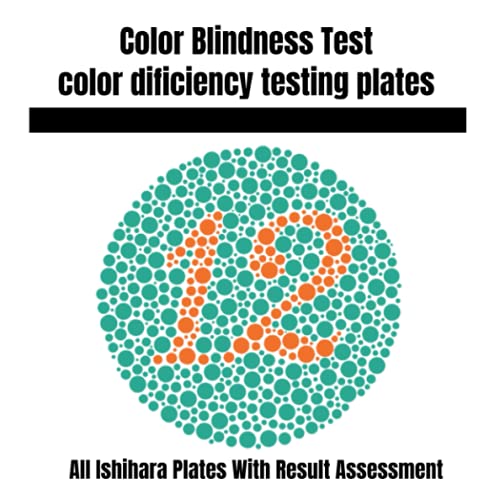
Sam Bel is a dedicated publisher passionate about creating educational resources that enhance learning experiences. With a focus on art and education, Sam Bel Publishing offers high-quality materials including this specialized book on color vision testing. This work reflects a clear commitment to providing practical tools for optometrists and educators to explore and assess color deficiencies with precision and clarity.
Sam Bel is a dedicated publisher focused on creating educational resources that enhance learning experiences. With a passion for art and education, Sam Bel Publishing aims to provide high-quality materials for various subjects, including color vision testing.
2021·50 pages·Blindness, Vision Testing, Color Deficiency, Optometry, Educational Tools
Sam Bel's background in educational publishing shapes this focused resource on color vision deficiency testing. The book offers 24 carefully designed plates modeled after the Ishihara test, complete with explanations and assessment results for normal vision, red-green deficiencies, and total color blindness. You gain practical tools to evaluate color perception, making it especially useful if you're an optometrist, eye care professional, or science educator aiming to demonstrate color vision differences clearly. While it doesn't replace clinical diagnosis, it provides a tangible way to understand and identify specific types of color blindness through visual testing plates.
The best Blindness books and more, in your inbox each week. No account needed.
Conclusion
As you explore these seven books, you'll find blindness portrayed as a diverse and powerful experience—from the legal battles of Judge David Tatel in Vision to the emotional healing found in Joey, the story of a blind rescue horse. These works weave themes of resilience, advocacy, cultural richness, and personal transformation.
If you're navigating vision loss yourself or supporting someone who is, starting with Haben offers inspiration grounded in real-world activism. For a deeper cultural and historical understanding, There Plant Eyes and The Country of the Blind provide thoughtful context. To grasp the emotional and practical sides of blindness, Joey and Color Blindness Test offer unique perspectives.
Alternatively, you can create a personalized Blindness book to bridge the gap between these general principles and your specific situation. These books can help you accelerate your learning journey and gain nuanced insight into blindness beyond the surface.
Frequently Asked Questions
I'm overwhelmed by choice – which book should I start with?
Start with Haben for an inspiring personal story of overcoming blindness through advocacy. It’s engaging and approachable, setting a strong foundation before exploring more specialized topics.
Are these books too advanced for someone new to blindness?
Not at all. Many, like Joey and But Now I See, offer accessible narratives that welcome readers new to blindness topics while providing depth for seasoned readers.
What's the best order to read these books?
Begin with personal memoirs like Haben and The Country of the Blind to connect emotionally, then explore broader cultural and legal perspectives in There Plant Eyes and Vision.
Do I really need to read all of these, or can I just pick one?
You can pick based on your interests—advocacy, culture, or medical journeys. Each book stands strong alone, but together they offer a fuller picture of blindness.
Which books focus more on theory vs. practical application?
There Plant Eyes and Vision lean toward cultural theory and legal frameworks, while Color Blindness Test and Joey offer practical tools and emotional healing stories.
Can personalized Blindness books complement these expert recommendations?
Yes! Personalized books build on expert insights by tailoring content to your unique experience and goals, helping you apply knowledge directly. Explore options here.
📚 Love this book list?
Help fellow book lovers discover great books, share this curated list with others!