10 Dementia Books That Experts Trust and Recommend
Insights from Jeffrey Cummings, Arianna Huffington, Leeza Gibbons on essential Dementia Books for caregivers and families
Updated on June 26, 2025·We may earn commissions for purchases made via this page
We're launchingLaunching on Product Hunt today 🎉We just launchedJust launched on Product Hunt 🎉
Modelpeers, from the BookAuthority teamFrom the BookAuthority team: Modelpeers, a free way to follow AI models and agents like you follow people. We'd love your support.
What if you could navigate the complexities of dementia care with confidence and compassion? Dementia affects millions worldwide, touching families in deeply personal ways. Understanding this condition is more urgent than ever as our population ages, and the emotional and practical challenges multiply.
Jeffrey Cummings, a neurology professor and Alzheimer's expert, highlights the enduring value of books like The 36-Hour Day as indispensable guides for families. Meanwhile, Arianna Huffington praises The End of Alzheimer's Program for its hopeful approach rooted in lifestyle changes. Leeza Gibbons, an Alzheimer's advocate, recognizes Surviving Alzheimer's for giving caregivers soul-saving wisdom. These experts bring decades of experience and personal commitment, shaping recommendations that truly resonate.
While these carefully curated books offer proven frameworks and insights, you might find even greater benefit by creating a personalized Dementia book. Tailored to your unique background, caregiving role, and interests, such a book can deepen your understanding and equip you for the journey ahead.
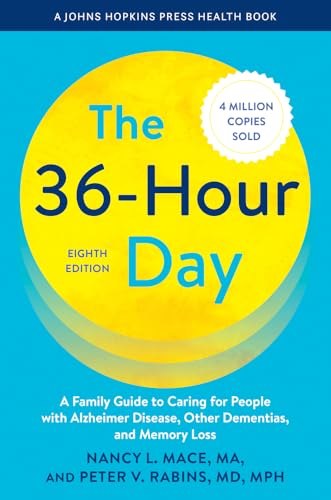
Jeffrey Cummings, a neurology professor and leading Alzheimer’s expert, points to this book as a vital resource while acknowledging the ongoing challenges in dementia care. He reflects, "We yearn for the day when there is no Alzheimer's, no Alzheimer patients, and no Alzheimer caregiver. Until then, there is The 36-Hour Day." His endorsement underscores the book’s role as a trusted companion through the difficult journey of caregiving. The endorsement from The Chicago Sun-Times further highlights its status as a definitive guide, while The New York Times praises its blend of clear information and compassionate advice, showing why it remains relevant across decades.
“We yearn for the day when there is no Alzheimer's, no Alzheimer patients, and no Alzheimer caregivers. Until then, there is The 36-Hour Day.” (from Amazon)
Nancy L. Mace, MA, is retired. She was a consultant to and member of the board of directors of the Alzheimer's Association and an assistant in psychiatry and coordinator of the T. Rowe and Eleanor Price Teaching Service of the Department of Psychiatry and Behavioral Sciences at the Johns Hopkins University School of Medicine. Peter V. Rabins, MD, MPH, is professor emeritus in the Departments of Psychiatry and Medicine at the Johns Hopkins University School of Medicine. The author of Is It Alzheimer's? 101 Answers to Your Most Pressing Questions about Memory Loss and Dementia, he was the founding director of the Division of Geriatric Psychiatry and Neuropsychiatry and the first holder of the Richman Family Professorship in Alzheimer Disease and Related Dementias.
After decades of clinical and academic work at Johns Hopkins, Nancy L. Mace and Peter V. Rabins developed this guide to address the complex realities families face when caring for loved ones with dementia. You’ll find detailed explanations of dementia’s progression, practical caregiving strategies, and thoughtful advice on managing common challenges like caregiver burnout and behavioral symptoms. The book's updated edition introduces new topics such as home care aides and digital tools, making it relevant for today’s caregivers. If you’re looking for a grounded, experience-based companion to navigate Alzheimer’s and related dementias, this book offers clear, realistic guidance without glossing over the emotional toll involved.
Arianna Huffington calls Alzheimer's disease a "chronic pandemic that has claimed the lives of millions." In her review of Dale Bredesen's book she writes, "In The End of Alzheimer's Program, Dr. Dale Bredesen offers hope based on his decades of research and recent clinical success, with an emphasis on lifestyle factors including sleep, diet, stress, and movement." Bredesen explains how he uses an individual's health history to put together a personalized program for people concerned about dementia.
“Alzheimer’s disease is a chronic pandemic that has claimed the lives of millions. In The End of Alzheimer’s Program, Dr. Dale Bredesen offers hope based on his decades of research and recent clinical success, with an emphasis on lifestyle factors including sleep, diet, stress, and movement.” (from Amazon)
Dale E. Bredesen, M.D., is internationally recognized as an expert in the mechanisms of neurodegenerative diseases such as Alzheimer's disease. He has held faculty positions at UC San Francisco, UCLA, and the University of California San Diego.
Unlike most dementia books that focus narrowly on symptom management, this one challenges the prevailing medical approach by addressing the root causes of cognitive decline. Drawing from Dr. Dale Bredesen's extensive research in neurodegenerative mechanisms and his clinical experience, the book offers a detailed protocol tailored to individual needs, emphasizing the Ketoflex 12/3 diet, restorative sleep, and targeted supplementation. You learn to identify specific brain insults such as inflammation and insulin resistance, then apply lifestyle changes to help restore brain function. This approach benefits anyone aiming to enhance cognition or slow Alzheimer’s progression, though it requires commitment beyond typical treatment methods.
This AI-created book on dementia care is tailored to your specific goals and background. By sharing your caregiving experience, skill level, and focus areas, you receive a book that matches exactly what you want to learn. This tailored approach helps you focus on the challenges and strategies that matter most to your situation, rather than general information that may not apply. It makes navigating dementia care clearer and more manageable, providing a personalized guide created just for you.
TailoredRead AI creates personalized nonfiction books that adapt to your unique background, goals, and interests. Instead of reading generic content, you get a custom book written specifically for your profession, experience level, and learning objectives. Whether you're a beginner looking for fundamentals or an expert seeking advanced insights, TailoredRead crafts a book that speaks directly to you. Learn more.
2026·50-300 pages·Dementia, Dementia Overview, Symptom Management, Caregiver Support, Communication Skills
This personalized book explores tailored approaches to managing dementia symptoms and overcoming caregiving challenges. It focuses on your interests and background to provide a learning experience that addresses your specific goals in dementia care. The content examines the complex emotional, behavioral, and practical aspects of dementia, offering insights that match your unique caregiving situation.
By weaving together expert knowledge with your personal needs, this book reveals ways to navigate the evolving nature of dementia care compassionately and effectively. It delves into symptom management, communication techniques, and self-care practices, creating a customized pathway that supports both caregivers and those living with dementia.
Leeza Gibbons, a well-known Alzheimer's advocate and TV host, praises this book with a simple yet powerful endorsement: "Fantastic!" Her deep involvement in promoting kindness and awareness around dementia adds weight to her recommendation. Gibbons appreciates how the book supports caregivers facing overwhelming challenges, offering clear, practical advice that helped her rethink caregiving approaches. Alongside her, Lisa Gwyther, director of Duke's Family Support Program, highlights the book's "Why-This, Try-This" method, emphasizing its value for anyone navigating the complexities of Alzheimer's care.
Paula Spencer Scott is an award-winning journalist, caregiver educator, and Alzheimer's advocate. A fellow of the Gerontological Society of America's journalists-in-aging program, her work on health and family has appeared in many national outlets. Her 12 other books include Like Mother, Like Daughter; Momfidence (based on her longtime Woman's Day column), and the collaborations The V Book and The Happiest Toddler on the Block. Five close family members have had dementia.
Paula Spencer Scott, an award-winning journalist and caregiver educator, brings a unique depth to this guide shaped by her personal experience with five family members affected by dementia. This book demystifies difficult behaviors like repetition and aggression by explaining their underlying causes, offering you concrete strategies such as communication techniques and conflict resolution methods. You'll find tailored advice for different caregiving roles, from spouses to long-distance helpers, all organized for quick reference in stressful moments. If you're looking to support a loved one without losing yourself in the process, this book offers steady, informed guidance rather than abstract theory.
Gail Weatherill has been a registered nurse for 40 years, specializing in dementia care for over two decades. As a certified Alzheimer educator and co-founder of a global online support group for caregivers, she brings deep expertise and heartfelt insight to this guide. Her work as 'the Dementia Nurse' informs practical advice that addresses both the needs of those living with dementia and the emotional and physical health of their caregivers.
Gail Weatherill has been a registered nurse for 40 years, specializing in the care of people living with dementia and their families for the past two decades. As a certified Alzheimer educator and the co-founder of the online support group, Alzheimer’s and Dementia Caregivers Support with over 50,000 members worldwide, Gail now trains and coaches family and professional caregivers as 'the Dementia Nurse.' You can learn more about Gail’s advocacy at www.thedementianurse.com.
Gail Weatherill draws from four decades as a registered nurse and two decades specializing in dementia care to offer you clear, compassionate guidance on managing both the illness and your own wellbeing. You learn how to navigate the complex behaviors and emotional challenges that dementia brings, alongside practical tools for financial planning and safety. Each chapter ends with mindfulness exercises tailored to help you maintain your mental health—a crucial aspect often overlooked in caregiving. This book suits anyone balancing the demanding role of caring for a loved one with dementia while trying to preserve their own resilience and peace of mind.
Maria Shriver, an American journalist and activist deeply engaged in Alzheimer’s advocacy, turned to this book during her search for hope amid a disease often considered incurable. She remarks, "Alzheimer’s is a disease for which there is no cure. Dr. Bredesen’s experimental program gives me hope that there are actions we can all take to care for our brains and keep Alzheimer’s at bay." This perspective helped reshape her understanding of prevention and care. Similarly, David Perlmutter, a board-certified neurologist and bestselling author, praises the book for transforming Alzheimer’s from an unsolvable mystery into a preventable and reversible condition, underscoring its impact on medical thinking.
Journalist, Author, and Founder of the Women's Alzheimer's Movement
“Alzheimer’s is a disease for which there is no cure. Dr. Bredesen’s experimental program gives me hope that there are actions we can all take to care for our brains and keep Alzheimer’s at bay.” (from Amazon)
Dale Bredesen, M.D., is internationally recognized as an expert in the mechanisms of neurodegenerative diseases such as Alzheimer’s disease. He graduated from Caltech, then earned his M.D. from Duke University Medical Center in Durham, North Carolina. He served as chief resident in neurology at the University of California, San Francisco (UCSF) before joining Nobel laureate Stanley Prusiner’s laboratory at UCSF as an NIH postdoctoral fellow. He held faculty positions at UCSF, UCLA, and the University of California, San Diego. Dr. Bredesen directed the Program on Aging at the Burnham Institute before coming to the Buck Institute in 1998 as its founding president and CEO. He is the chief medical officer of MPI Cognition.
When Dale Bredesen first discovered that Alzheimer's might actually be three distinct conditions rather than one, he challenged decades of conventional thinking. Drawing on his extensive neurology background and research, he outlines 36 metabolic factors—like hormone imbalances and micronutrient deficiencies—that can trigger brain shrinkage. You’ll learn how targeted lifestyle changes, from improving sleep to nutrition tweaks such as eliminating gluten, can rebalance these factors. The book offers detailed protocols and case studies showing measurable cognitive improvements within months, making it especially relevant for caregivers, patients, and medical professionals seeking alternatives beyond traditional treatments.
This AI-created book on cognitive recovery is tailored to your background, skill level, and specific goals related to dementia. By sharing what aspects of brain function you want to focus on, it crafts a personalized 30-day plan that fits your unique needs. This approach helps you navigate the complex science of cognitive health more efficiently, focusing only on what matters most to you. The book offers a clear pathway to enhance brain function with steps designed just for your circumstances.
TailoredRead AI creates personalized nonfiction books that adapt to your unique background, goals, and interests. Instead of reading generic content, you get a custom book written specifically for your profession, experience level, and learning objectives. Whether you're a beginner looking for fundamentals or an expert seeking advanced insights, TailoredRead crafts a book that speaks directly to you. Learn more.
This tailored book explores personalized approaches to enhancing cognitive function in dementia over a focused 30-day period. It examines actionable recovery steps designed to match your specific background and goals, delivering a customized pathway through complex brain health concepts. By integrating knowledge about neuroplasticity, nutrition, lifestyle factors, and cognitive exercises, this book reveals targeted methods that address your unique challenges and interests. The tailored content ensures you engage deeply with interventions that resonate with your personal circumstances, enabling a meaningful exploration of brain function recovery. It focuses on your interests and presents evidence-informed techniques to support cognitive improvement in dementia.
Marc Agronin, author of The End of Old Age and a recognized voice on aging, highlights this book for its thorough guidance through the challenges of dementia caregiving. He points out that "two dedicated experts walk caregivers through everything from understanding a loved one's diagnosis to dealing with the entire range of expected medical, psychiatric, and behavioral issues." Agronin appreciates how the book shifts focus toward fostering meaningful relationships with those affected, even as their cognition changes, offering both practical insight and emotional support.
Author of The End of Old Age: Living a Longer, More Purposeful Life
“Two dedicated experts walk caregivers through everything from understanding a loved one's diagnosis to dealing with the entire range of expected medical, psychiatric, and behavioral issues. Most important, this book is a guide to building the best possible relationship with the person who is living and even thriving in spite of his or her cognitive changes.” (from Amazon)
Thomas F. Harrison is a professional writer and the former editor of a leading national periodical for attorneys. Based in Massachusetts, he is the coauthor of The Complete Family Guide to Dementia and The Complete Family Guide to Addiction.
What started as a personal challenge for journalist Thomas F. Harrison evolved into a clear-eyed collaboration with geriatric psychiatrist Brent P. Forester, aimed at demystifying the complex world of dementia care. This book offers you tangible skills to manage the emotional upheaval and shifting family dynamics that come with caring for a parent facing cognitive decline. You'll find guidance on navigating difficult behaviors, communicating effectively despite resistance, and making informed decisions about safety and quality of life. For example, chapters detail strategies to "care smarter, not harder," helping you balance your loved one's needs with your own well-being.
American Journal of Nursing Book of the Year Second Place
Lisa Gwyther, Director of the Duke Family Support Program, brings extensive expertise in dementia support to her recommendation of this book. In the midst of guiding families through difficult decisions, she found "Is It Alzheimer's? offers honest answers and positive bottom-line approaches to tough decisions and questions. Dr. Rabins' unique book will have you read every word!" This endorsement highlights how Rabins' straightforward Q&A style helped clarify complex topics for her and those she supports. Additionally, Library Journal praises the book's clear summary of current research, making it a solid resource for anyone affected by memory loss.
“Is It Alzheimer's? offers honest answers and positive bottom-line approaches to tough decisions and questions. Dr. Rabins' unique book will have you read every word!” (from Amazon)
Peter V. Rabins, MD, MPH, is professor emeritus in the Departments of Psychiatry and Medicine at the Johns Hopkins University School of Medicine. He was the founding director of the Division of Geriatric Psychiatry and Neuropsychiatry and the first holder of the Richman Family Professorship in Alzheimer Disease and Related Dementias.
Peter V. Rabins, with decades as a geriatric psychiatry professor at Johns Hopkins, wrote this book to clarify the complexities of memory loss and dementia. You'll find 101 straightforward answers addressing common concerns, from distinguishing normal forgetfulness to understanding diagnosis, treatment options, and caregiving support. The conversational Q&A format makes it easy to navigate topics like assessing long-term care and handling tough conversations with loved ones. This book suits anyone facing dementia questions, whether caring for a family member or worried about their own memory, offering clear guidance without overwhelming medical jargon.
Janet G. Cruz studied Art, Psychology, and Sociology, and has worked extensively in healthcare. Her personal journey as a caregiver to multiple family members, including her late husband, fuels her compassionate and insightful approach to dementia caregiving. She aims to reduce caregiver isolation and stress by sharing practical guidance on managing dementia’s challenges alongside self-care strategies to maintain caregiver well-being.
Janet G. Cruz studied Art, Psychology, and Sociology, and has worked in the healthcare industry for many years. Drawing from personal experience as a caregiver to multiple family members, including her husband who passed away from cancer, she provides valuable insights on burnout and self-care. Her mission is to help caregivers find hope, strength, and solace in their journey. Janet is a passionate voice for dementia caregiving, aiming to reduce the isolation and stresses associated with caregiving through her series of books.
Janet G. Cruz brings a deeply personal and multidisciplinary perspective to the challenges faced by dementia caregivers, drawing on her studies in psychology, sociology, and art as well as her own caregiving experience. This 2-in-1 volume guides you through managing difficult behaviors, effective communication, and creating safer environments, while emphasizing caregiver self-care to prevent burnout. Chapters on conscious caregiving techniques offer mindfulness and stress reduction strategies, helping you balance compassion with resilience. Whether you're new to caregiving or seeking practical tools to sustain your well-being, this book offers grounded advice without sugarcoating the emotional toll involved.
Dave Brown is a retired engineer and science educator who transformed his personal battle with Alzheimer's into a detailed guide blending medical advice with research. His firsthand experience, combined with Dr. Vaishali S. Phatak's expertise in neuropsychology, anchors this book in both lived reality and scientific insight, offering readers an informed approach to confronting cognitive impairment.
Dave Brown is a retired engineer and biology and physics teacher. He lives in Richland, Washington with Amy, his caregiver of nearly 40 years. They have three sons, two daughters-in-law, and one granddaughter, all living in Seattle. His main passtimes are working in his church, sharing his Alzheimer's story, and photography.
2020·201 pages·Alzheimer's, Dementia, Neuropsychology, Cognitive Decline, Brain Health
When David H. Brown faced the harsh reality of rapidly advancing Alzheimer's, he refused to accept the typical prognosis. Drawing on his background as an engineer and science teacher, he meticulously researched and combined medical advice into what he calls The Dementia Toolkit, demonstrating how targeted physiological changes can slow and even reverse cognitive decline. Alongside Dr. Vaishali S. Phatak's neuropsychological insights, the book offers a detailed look at practical, science-backed strategies, from cognitive exercises to lifestyle adjustments. This book suits anyone confronting mild cognitive impairment or Alzheimer's who wants a grounded, hopeful perspective on managing symptoms beyond standard care.
Janet Cruz has dedicated her studies to sociology, psychology, and art, channeling her creativity into writing after personal loss. With years of firsthand experience as a primary caregiver for family members with dementia, she brings authentic insight and compassion to this guide. Her work aims to help you navigate the complexities of dementia care by offering knowledge and emotional support, empowering you to face caregiving challenges with greater confidence and hope.
Janet Cruz has dedicated her studies to the fields of Sociology, Psychology, and Art. She expresses her creativity through writing and visual arts. After losing her husband to cancer, she began writing to process her feelings and has since published numerous works. With years of experience as a primary caregiver for family members, including those suffering from dementia, she aims to help caregivers navigate their challenges. Her books provide invaluable knowledge and emotional support, helping caregivers find hope and strength in their journey.
Drawing from her extensive experience in sociology, psychology, and personal caregiving, Janet G Cruz offers a grounded resource tailored for those supporting loved ones with dementia. You’ll gain actionable understanding of the disease’s progression, strategies to manage difficult behaviors like aggression, and practical ways to handle the financial and emotional toll caregiving can take. The book’s 11-step framework guides you through anticipating patient needs, maintaining communication, and preventing caregiver burnout, making it especially useful if you’re new to dementia care or feeling overwhelmed. It neither sugarcoats the hardships nor promises quick fixes but provides steady guidance rooted in real-life caregiving challenges.
The best Dementia books and more, in your inbox each week. No account needed.
Conclusion
These 10 books collectively explore the multifaceted world of dementia care—from medical insights and lifestyle strategies to emotional resilience and family dynamics. If you're a caregiver seeking practical advice, starting with The 36-Hour Day or Surviving Alzheimer's can ground you in day-to-day realities. For those interested in prevention and brain health, The End of Alzheimer's series offers actionable guidance.
Families navigating emotional upheaval will find The Complete Family Guide to Dementia especially supportive, while caregivers aiming to balance care and self-preservation can turn to Dementia Caregiver's Respite 2-In-1 Value. Combining these resources accelerates your learning and equips you for the complex challenges ahead.
Alternatively, you can create a personalized Dementia book to bridge general principles with your specific situation. These books and tailored options can help you accelerate your learning journey and face dementia with informed compassion.
Frequently Asked Questions
I'm overwhelmed by choice – which book should I start with?
Start with The 36-Hour Day for practical caregiving guidance; it’s widely recommended by experts as a foundational resource for families new to dementia care.
Are these books too advanced for someone new to Dementia?
Not at all. Books like Is It Alzheimer's? and Surviving Alzheimer's are written in accessible language, making them suitable for beginners seeking clear information and support.
Should I start with the newest book or a classic?
Both have value. Classics like The 36-Hour Day offer enduring practical advice, while newer books such as The End of Alzheimer's Program present fresh research and lifestyle strategies.
Do I really need to read all of these, or can I just pick one?
You can start with one that fits your immediate needs, but combining books—like pairing medical insights with caregiving strategies—offers a more rounded understanding.
Which books focus more on theory vs. practical application?
The End of Alzheimer's books explore theoretical and metabolic causes, while The Caregiver's Guide to Dementia and The Dementia Caregiver's Survival Guide emphasize practical caregiving skills.
Can personalized Dementia books complement these expert recommendations?
Yes! Personalized books build on expert knowledge by tailoring insights to your unique caregiving role, experience, and goals. They bridge general advice with your specific challenges. Learn more here.
📚 Love this book list?
Help fellow book lovers discover great books, share this curated list with others!