8 Epidemiology Books That Separate Experts from Amateurs
Recommended by Elizabeth Stuart and Sandro Galea for mastering Epidemiology Books and deep public health insights
Updated on June 26, 2025·We may earn commissions for purchases made via this page
8 of 8 books have Kindle versions
We're launchingLaunching on Product Hunt today 🎉We just launchedJust launched on Product Hunt 🎉
Modelpeers, from the BookAuthority teamFrom the BookAuthority team: Modelpeers, a free way to follow AI models and agents like you follow people. We'd love your support.
What if the key to mastering epidemiology lies not just in data, but in understanding the causal roots of health outcomes? This perspective is reshaping public health research and practice, especially as global health challenges grow ever more complex. Epidemiology isn't merely about numbers—it's about unraveling how diseases spread, what factors truly influence populations, and how interventions can make a real difference.
Leading voices like Elizabeth Stuart from Johns Hopkins and Sandro Galea of the University of Boston have long emphasized the importance of rigorous causal thinking and methodological precision. Stuart highlights how framing epidemiology through causal inference clarifies the impact of exposures and interventions, while Galea applauds fresh teaching approaches that prepare learners to tackle population health with deeper insight.
While these expert-curated books provide proven frameworks, readers seeking content tailored to their specific background, skill level, and learning goals might consider creating a personalized Epidemiology book that builds on these insights. Tailored content bridges the gap between foundational knowledge and your unique public health challenges.
Elizabeth Stuart, professor at Johns Hopkins Bloomberg School of Public Health, emphasizes how this book reframes epidemiology around causal effects, helping students grasp how exposures and interventions impact health outcomes. She notes its clear guidance on formulating research questions and designing studies, invaluable for those aiming to improve public health. Her perspective highlights the book’s strength in orienting learners toward intervention-focused epidemiologic thinking. Additionally, Sandro Galea from the University of Boston praises its fresh approach, positioning readers to think deeply about causes and population health interventions.
Professor, Johns Hopkins Bloomberg School of Public Health
“Much of epidemiology is about estimating causal effects: how risk factors or exposures relate to disease, or the effects of interventions or other factors on health outcomes. This introductory text by Westreich introduces students to the basics of epidemiology through this lens of intervention and impact. Its focus on how to articulate clear research questions, and design rigorous studies to answer them, will be particularly useful to students looking to make a difference in the public's health.”
Daniel Westreich received his B.S. in computer science from Yale University, and after a short stint as a software engineer at Microsoft, a Ph.D. in epidemiology from the University of North Carolina, Chapel Hill. He is currently an associate professor of epidemiology at UNC, where his work focuses substantively at the intersection of HIV and women's reproductive health. He has served as a member-at-large of the executive board of the Society for Epidemiologic Research and in editorial capacities at the American Journal of Epidemiology and Epidemiology. In 2014 Dr. Westreich was awarded an NIH DP2 New Innovator Award to develop epidemiologic methods for implementation science.
What if everything you knew about introductory epidemiology overlooked its causal foundations? Daniel Westreich, an associate professor at UNC with a background in computer science and epidemiology, challenges traditional teaching by framing epidemiology through modern causal inference. You’ll explore concepts like potential outcomes, counterfactuals, and causal identification conditions, gaining clarity on study designs such as randomized trials and case-control studies. The book guides you through measures of prevalence, incidence, and diagnostic testing with a causal lens, making it especially relevant if you're preparing for advanced epidemiological research or public health practice. This approach benefits students and practitioners eager to align epidemiologic methods with interventions that impact population health.
Timothy L. Lash, O. Wayne Rollins Distinguished Professor and Chair of Epidemiology at Emory University, brings decades of experience to this fourth edition. His leadership at Emory’s Winship Cancer Institute and role as Editor-in-Chief of EPIDEMIOLOGY journal ground this book in cutting-edge research and practical application. Lash's focus on quantifying systematic errors in epidemiologic research shines through, making this a definitive guide for anyone serious about mastering epidemiologic methods.
Timothy L. Lash, Tyler J. VanderWeele, Sebastien Haneuse, Kenneth J. Rothman(you?)·
About the Author
Timothy L. Lash is the O. Wayne Rollins Distinguished Professor of Epidemiology and Chair of the Department of Epidemiology at Emory University’s Rollins School of Public Health, and Cancer Prevention and Control Program Leader at Emory’s Winship Cancer Institute. His research focuses on predictive and prognostic markers of breast, prostate, and colorectal cancer recurrence. His methodological interest focuses on developing and implementing methods to quantify the influence of systematic errors on epidemiologic research. He is Editor-in-Chief of EPIDEMIOLOGY, a leading general interest epidemiology journal, and coauthor of two epidemiology textbooks: Applying Quantitative Bias Analysis to Epidemiologic Research (1st and 2nd editions) and Modern Epidemiology (3rd and 4th editions).
2021·1250 pages·Epidemiology, Public Health, Biostatistics, Study Design, Causal Inference
Timothy L. Lash and his coauthors bring a depth of expertise that shapes this updated edition into a thorough guide for understanding complex epidemiologic methods. You’ll encounter rigorous explanations of study designs, causal diagrams, and advanced regression techniques, along with fresh insights into marginal structural models and instrumental variable analysis. The book’s detailed chapters on topics like genetic epidemiology and disease surveillance equip you to tackle a broad spectrum of public health challenges. If you seek a deep dive into the methodological foundations and evolving tools of epidemiology, this book is tailored to enhance your analytical skills and critical thinking.
This custom AI book on epidemiology is created based on your background, skill level, and specific focus on causal inference. By sharing your learning goals and interests, you receive a book that matches exactly what you want to understand about study design, exposure measurement, and analyzing health data. Personalizing this complex subject means you spend less time sorting through broad texts and more time mastering the epidemiologic methods that matter most to you.
TailoredRead AI creates personalized nonfiction books that adapt to your unique background, goals, and interests. Instead of reading generic content, you get a custom book written specifically for your profession, experience level, and learning objectives. Whether you're a beginner looking for fundamentals or an expert seeking advanced insights, TailoredRead crafts a book that speaks directly to you. Learn more.
2026·50-300 pages·Epidemiology, Causal Inference, Study Design, Exposure Measurement, Risk Assessment
This tailored book explores epidemiology methods and causal inference with a focus on your interests and background. It examines foundational concepts in epidemiologic study design, measurement of health exposures, and the principles behind causal relationships. The content reveals how epidemiologists unravel complex population health questions by analyzing patterns of disease and evaluating interventions. By addressing your specific goals, this personalized guide connects core epidemiology principles with advanced causal inference techniques, helping you navigate key challenges in public health research. With tailored explanations and examples, it creates a clear pathway through intricate topics, making your learning experience efficient and engaging.
Best for foundational methodological understanding
Kindle version available
Katherine M. Keyes, PhD, Assistant Professor of Epidemiology at Columbia University, brings her expertise in life course epidemiology and methodological innovation to this work. Her focus on psychiatric and chronic disease epidemiology informs the book’s detailed approach to study design and causal analysis. This text reflects her commitment to advancing the next generation’s understanding of epidemiologic methods essential for improving population health.
Katherine M. Keyes, PhD, is Assistant Professor of Epidemiology at Columbia University. Her research focuses on life course epidemiology with particular attention to psychiatric disorders, including cross-generational cohort effects on substance use, mental health, and chronic disease. She has particular expertise in the development and application of novel epidemiological methods, and in the development of epidemiological theory to measure and elucidate the drivers of population health.
Drawing from her role as Assistant Professor of Epidemiology at Columbia University, Katherine M. Keyes developed this text to clarify the foundational methods of epidemiologic studies. You gain a clear understanding of key competencies like identifying populations, measuring exposures, sampling, and evaluating associations between health indicators and causes. The book’s visual explanations and chapter structure guide you through assessing study validity and the interplay of causal factors. If you’re pursuing medicine or public health, this text sharpens your grasp of designing studies that meaningfully inform disease prevention and health improvement.
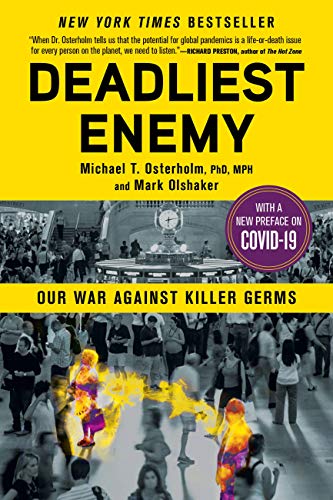
Dr. Michael Osterholm is Regents Professor and founding director of the Center for Infectious Disease Research and Policy at the University of Minnesota. His extensive experience leading outbreak investigations worldwide and advising global leaders shapes this book’s urgent exploration of infectious disease threats. Co-author Mark Olshaker brings narrative skill from his background as an Emmy Award-winning filmmaker and bestselling author. Together, they offer a detailed, authoritative perspective on the challenges of global epidemics and the steps needed to prepare for them.
Michael T. Osterholm PhD MPH, Mark Olshaker(you?)·
About the Author
Dr. Michael Osterholm is Regents Professor, McKnight Presidential Endowed Chair in Public Health, and the founding director of the Center for Infectious Disease Research and Policy (CIDRAP) at the University of Minnesota. An internationally renowned epidemiologist, he has been at the forefront of public health preparedness, has led many outbreak investigations of international importance, and advises world leaders on the ever-growing list of microbial threats. Mark Olshaker is an Emmy Award-winning documentary filmmaker and a New York Times #1 bestselling author of five novels and ten books of nonfiction. His books with FBI profiling pioneer John Douglas have sold millions of copies and offer a unique and intriguing perspective into behavioral science and criminal investigative analysis.
Dr. Michael Osterholm's deep involvement in infectious disease research and outbreak response informs every page of this book. You gain detailed insights into how global travel and modern infrastructure have paradoxically increased epidemic risks, with vivid case studies like Ebola and COVID-19 illustrating systemic vulnerabilities. The book walks you through the scientific and policy challenges that make antibiotic resistance and bioterrorism pressing concerns. It’s a sober but essential read if you're interested in public health strategy or understanding how epidemics unfold and can be countered.
Robert H. Friis is a noted educator and author in public health, renowned for his work in epidemiology education. His extensive background in developing influential textbooks informs this book’s clear and practical approach, making complex epidemiological concepts approachable. Friis’s expertise ensures that the book not only covers theory but also emphasizes skills directly applicable to contemporary public health challenges, benefiting students and professionals alike.
Robert H. Friis is a prominent author and educator in the field of public health, known for his contributions to epidemiology education. He has co-authored several influential textbooks that are widely used in academic settings, providing comprehensive insights into public health practices and epidemiological methods.
Robert H. Friis's decades of experience in public health education led to a textbook that breaks down epidemiology into accessible concepts tied directly to real-world application. You’ll find detailed chapters on study designs, quantitative measures, and emerging topics like genetic epidemiology and health disparities, all presented with clarity. The book doesn’t just teach theory; it equips you with practical skills to analyze current public health issues, from opioid epidemics to climate change impacts. If you’re a student or professional seeking a grounded understanding of epidemiology’s role in public health practice, this book offers a thorough guide without overwhelming jargon.
This AI-created book on epidemiology skills is written based on your background and specific learning goals. You tell us which topics and sub-disciplines you want to focus on, your current experience level, and what you hope to achieve. The book is then crafted to cover exactly the skills and concepts most relevant to your needs, making your learning journey more efficient and engaging. Personalization matters here because epidemiology spans many areas, and this tailored approach helps you build expertise where it counts for you.
TailoredRead AI creates personalized nonfiction books that adapt to your unique background, goals, and interests. Instead of reading generic content, you get a custom book written specifically for your profession, experience level, and learning objectives. Whether you're a beginner looking for fundamentals or an expert seeking advanced insights, TailoredRead crafts a book that speaks directly to you. Learn more.
2026·50-300 pages·Epidemiology, Epidemiology Basics, Study Design, Causal Inference, Data Analysis
This tailored book offers a 30-day accelerated journey into epidemiology, designed to match your unique background and learning goals. It explores foundational concepts such as study design, causal inference, and data analysis while guiding you step-by-step through practical applications relevant to your interests. The content is carefully tailored to focus on your specific sub-topics and skill level, helping you build competencies efficiently and confidently. With personalized explanations and examples, the book bridges complex expert knowledge with your individual learning needs. As a result, it reveals how epidemiologic principles operate in real-world public health scenarios, making your rapid skill development both meaningful and applicable.
Ray M. Merrill, Ph.D., M.P.H., has been deeply engaged in epidemiology since 1995, with significant roles at the National Cancer Institute and International Agency for Research on Cancer. His expertise shines through in this text, designed to make epidemiology accessible without sacrificing rigor. Merrill’s academic and research background uniquely positions him to guide you through the principles and applications of epidemiology, enriched by practical examples and interactive learning tools.
Ray M. Merrill, Ph.D., M.P.H. has been actively involved in epidemiology and biostatistics since his professional career began in 1995. As a Cancer Prevention Fellow at the National Cancer Institute, he worked with leading researchers in the area of cancer epidemiology. In 1998 he joined the faculty in the Department of Health Science at Brigham Young University, Provo, Utah, where he continued his research in epidemiology. Since 1999 he has also held an adjunct faculty position in the Department of Family and Preventive Medicine at the University of Utah. In 2001, he spent a sabbatical working in the Unit of Epidemiology for Cancer Prevention at the International Agency for Research on Cancer Administration, Lyon, France. He has won various awards for his research in cancer epidemiology. Dr. Merrill currently teaches introductory and advanced level classes in epidemiology and biostatistics. He has over 100 professional publications in epidemiology and public health journals. He is currently a full professor of epidemiology and biostatistics at Brigham Young University.
2024·350 pages·Epidemiology, Public Health, Research Methods, Biostatistics, Data Analysis
Ray M. Merrill brings decades of experience in epidemiology and biostatistics to this textbook that grounds you firmly in the fundamentals. You learn to analyze public health issues through the lens of person, place, and time, mastering how to formulate hypotheses and select study designs with clarity. Merrill’s extensive background, including his work at the National Cancer Institute and the International Agency for Research on Cancer, informs chapters rich with real-world case studies and news files that make complex concepts tangible. This book suits students and professionals seeking a solid foundation in epidemiologic methods without requiring advanced biomedical or statistical training.
Dr. Ann Aschengrau, a seasoned epidemiologist with over 35 years of teaching and research experience at Boston University School of Public Health, brings her expertise in environmental and reproductive epidemiology to this work. Her deep understanding of disease risks related to environmental pollution informs the content, making it a trusted resource for mastering epidemiologic principles. This background ensures the book offers authoritative guidance for those aiming to grasp both traditional and emerging epidemiological approaches.
Dr. Ann Aschengrau earned her master's and doctoral degrees in epidemiology from Harvard Chan School of Public Health. With over 35 years of teaching and research experience, she has taught courses in introductory epidemiology, as well as reproductive and environmental epidemiology. Her research focuses on environmental pollution and its associated disease risks, including the relationships between drinking water contaminants and adverse pregnancy and birth outcomes, cancer, and neurological and behavioral disorders. Currently, she is a Professor of Epidemiology and co-director of the MPH Certificate in Maternal and Child Health at Boston University School of Public Health.
Unlike most epidemiology books that stick strictly to theory, this text blends foundational concepts with practical applications, guiding you through study designs such as experimental, cohort, and case-control studies with clarity. You'll gain insights into interpreting epidemiologic data, supported by chapters on bias, confounding, and random error, enriched by contemporary examples like the Ebola outbreak and discussions on social determinants of health including racism. The authors’ inclusion of newer methods like mediation analysis and directed acyclic graphs equips you to engage confidently with current research. This book suits public health students and professionals seeking a thorough yet accessible introduction to epidemiological methods and their real-world relevance.
Mary Beth Zeni is a recognized expert in nursing and epidemiology, with extensive experience in teaching and applying epidemiological principles in healthcare settings. Her work focuses on improving population health outcomes through critical analysis and application of epidemiological data. This book reflects her authoritative background and aims to equip advanced nursing practitioners with the tools to critically analyze epidemiological data and contribute to population health improvement.
Mary Beth Zeni is a recognized expert in nursing and epidemiology, with extensive experience in teaching and applying epidemiological principles in healthcare settings. Her work focuses on improving population health outcomes through critical analysis and application of epidemiological data.
2019·306 pages·Epidemiology, Population Health, Nursing Practice, Data Analysis, Research Design
What happens when nursing expertise meets epidemiology? Mary Beth Zeni, a seasoned educator in nursing and epidemiology, brings a focused lens on applying epidemiological principles to improve population health outcomes. You’ll explore how to critically analyze population-level data, interpret research designs, and understand social determinants of health through chapters rich with case studies and online resources. This book suits advanced nursing practitioners aiming to deepen their grasp on data-driven health policy and evaluative research. If you're looking for a practical guide that connects epidemiological concepts directly to nursing practice, this text offers a clear pathway without unnecessary jargon.
The best Epidemiology books and more, in your inbox each week. No account needed.
Conclusion
These eight epidemiology books collectively highlight the evolving nature of the field—from foundational methods to causal inference, and from infectious disease control to nursing practice. Whether you're grappling with complex data or aiming to implement evidence-based interventions, these works provide a spectrum of perspectives and tools.
If you're starting your epidemiology journey, books like Introduction to Epidemiology and Epidemiology Matters offer accessible yet thorough guidance. For those seeking to deepen analytical skills, Modern Epidemiology and Epidemiology by Design sharpen your methodological toolkit. Meanwhile, Deadliest Enemy and Principles of Epidemiology for Advanced Nursing Practice bring practical applications in infectious disease and population health.
Alternatively, you can create a personalized Epidemiology book to bridge the gap between general principles and your specific situation. These books can help you accelerate your learning journey and translate epidemiologic knowledge into impactful public health actions.
Frequently Asked Questions
I'm overwhelmed by choice – which book should I start with?
Start with Introduction to Epidemiology for clear fundamentals. It grounds you in core concepts before moving to advanced texts like Modern Epidemiology or Epidemiology by Design.
Are these books too advanced for someone new to Epidemiology?
Not all. Titles like Epidemiology Matters and Essentials of Epidemiology in Public Health are accessible for beginners while still insightful for professionals.
What’s the best order to read these books?
Begin with foundational texts such as Introduction to Epidemiology, then explore methodological depth in Modern Epidemiology and causal insights in Epidemiology by Design.
Should I start with the newest book or a classic?
Focus on relevance and clarity. Some classics like Modern Epidemiology have recent editions, offering updated methods alongside established theory.
Which books focus more on theory vs. practical application?
Modern Epidemiology and Epidemiology by Design lean toward theory and methods. Epidemiology for Public Health Practice and Deadliest Enemy emphasize practical public health applications.
Can I get tailored epidemiology insights without reading all these books?
Yes! While these books offer expert frameworks, creating a personalized Epidemiology book customizes knowledge to your experience and goals, saving time and boosting relevance.
📚 Love this book list?
Help fellow book lovers discover great books, share this curated list with others!