Congratulations! 🎉
"Oil 101" by Morgan Downey made it to BookAuthority's Best Fossil Fuels Books of All Time!
Thinking about your next book? Answer a few questions and get a complete AI-written draft in minutes.
9 Fossil Fuels Books That Separate Experts from Amateurs
Insights from Peter Thiel, Thebeat W/ari Melber, and Boone Pickens reveal essential Fossil Fuels Books for mastering energy industry complexities







Create a Fossil Fuels course with AI
Generate a personalized AI-powered course, tailored to your goals and topics of interest
What if the fossil fuels at the center of global energy debates are more complex than they seem? Fossil fuels power much of the world’s economy but also stir fierce controversy over environmental and political impacts. Today, understanding their role is crucial as energy, climate, and geopolitics collide like never before.
Thebeat W/ari Melber, MSNBC host, noted how Rachel Maddow’s "Blowout" topped bestseller lists by unveiling oil’s corrosive influence on democracies worldwide. Meanwhile, Peter Thiel, PayPal co-founder, credits Alex Epstein’s "The Moral Case for Fossil Fuels" for cutting through energy hysteria with cold logic. And energy entrepreneur Boone Pickens highlights the legacy of George P. Mitchell in fracking innovation that reshaped American energy.
These carefully curated books offer proven frameworks to deepen your grasp of fossil fuels’ economics, politics, and technologies. For tailored insights that match your background and goals, consider creating a personalized Fossil Fuels book that builds on these expert perspectives.
1. Blowout
Recommended by Thebeat W/ari Melber
MSNBC host, political and legal journalist
“.@maddow's book, #Blowout, is now number one on The @nytimes Best Seller List for the second week in a row!” (from X)
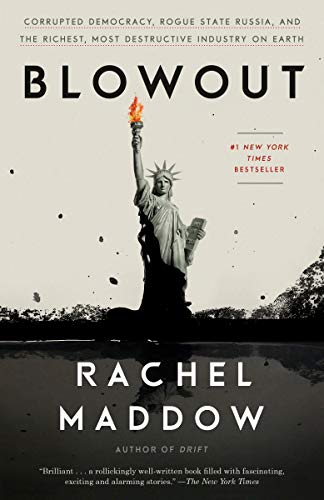
Rachel Maddow challenges the conventional wisdom that Big Oil's influence is just about economics. Drawing on her background as a political scientist and Emmy-winning journalist, she exposes how the oil and gas industry distorts democracies, props up authoritarian regimes, and shapes global power dynamics. You’ll gain insight into the geopolitical entanglements of fossil fuels, including how Russian energy wealth affects international relations and election interference. The book’s chapters on the 2016 U.S. election and the environmental consequences offer concrete examples of these complexities. If you want to understand the intersection of energy, politics, and democracy, this book offers a detailed, critical perspective.
2. Oil 101
Recommended by Energy Analyst
Energy and geopolitics analyst
“My favorite tech analysis site for beginners: My favorite crude oil book for beginners: Oil 101 by Morgan Downey” (from X)

While working as a commodities trader across multiple continents, Morgan Downey noticed a gap in accessible, factual information about oil markets that could help demystify this complex industry. Oil 101 breaks down the essentials, from oil's chemical properties to the intricacies of refining, transportation, and global pricing mechanisms. You’ll find detailed explanations on how daily wholesale market fluctuations translate into prices at the pump and why these connections matter. Chapters devoted to storage and alternatives also provide useful context. If you’re serious about understanding the dynamics behind oil prices and their economic impacts, this book offers a solid foundation without overwhelming jargon.
Fossil Fuels Mastery

This tailored book offers an in-depth exploration of fossil fuels, focusing on your unique background and interests to deepen your understanding of this vital energy source. It examines the geological origins, extraction techniques, economic implications, and environmental considerations associated with fossil fuels. By synthesizing complex expert knowledge into a format that matches your expertise, it reveals the intricate balance between energy demands and sustainability challenges. With a personalized focus, this guide navigates topics such as market dynamics, technological advances, policy impacts, and global trends, helping you build a comprehensive and nuanced understanding tailored precisely to your learning goals and prior knowledge.
3. The Moral Case for Fossil Fuels
Recommended by Peter Thiel
Co-Founder of PayPal and Palantir
“With more politicians in climate science than scientists, the refining fire of debate has devolved into the burning of heretics. Alex Epstein’s The Moral Case for Fossil Fuels may make your blood boil, but his cool reason and cold, hard facts will lead us beyond hysterics to a much better future.”
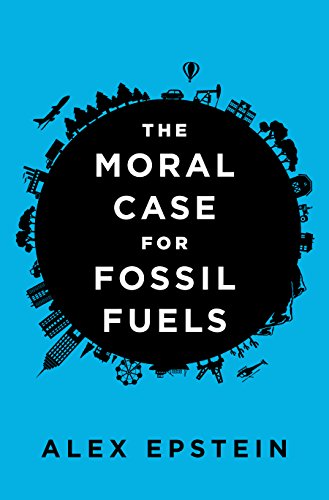
Alex Epstein challenges the conventional wisdom that fossil fuels are inherently harmful, presenting a perspective grounded in both environmental and economic realities. He argues that fossil fuels have been a crucial driver of human progress, enhancing life expectancy, clean water access, and climate safety. Through chapters that debunk myths—such as fossil fuels being dirty or unsustainable—Epstein highlights their unique ability to provide affordable, reliable energy essential for modern civilization. This book suits anyone interested in energy policy, environmental ethics, or economic development, offering a rigorous examination of fossil fuels' role in improving human well-being.
4. George P. Mitchell
Recommended by Boone Pickens
Energy entrepreneur and investor
“In the rich history of America's oil and gas industry, there are some truly transformative figures, and George Mitchell is one of them. Because of his innovative spirit, America will remain one of the great energy superpowers for decades to come. Loren Steffy is a respected journalist who captures his spirit and legacy in great detail.”

Loren C. Steffy brings his deep journalistic expertise in energy and business to craft a detailed portrait of George P. Mitchell, a Texas oilman whose innovations shaped the modern fracking industry. You’ll explore how Mitchell didn’t invent hydraulic fracturing but perfected it to transform energy production, alongside his pioneering work in sustainable urban development with The Woodlands community. The book delves into the paradox of Mitchell’s environmental commitments amid fossil fuel ventures, offering insights into balancing industrial progress with ecological responsibility. If you want to understand the complex legacy behind the energy that powers much of the world, this biography provides both technical and human perspectives.
5. Fossil Future
Recommended by Liz Churchill
Energy policy authority and WEF influencer
“Alex Epstein’s book, ‘Fossil Future’ is a must-read. “What if the ‘Experts’ have gotten everything about the Future of Energy wrong? What if Fossil Fuels are the Energy of the Future…and that’s a good thing…?” Thank you Alex Epstein, your work is brilliant.” (from X)

Alex Epstein brings a provocative perspective shaped by his work founding the Center for Industrial Progress and his recognition as a leading energy thinker. In this book, you’ll confront assumptions about fossil fuels and climate with detailed data on energy reliability, cost, and human welfare. Epstein argues that fossil fuels remain essential for reducing poverty and enhancing quality of life globally, while challenging popular narratives about renewables and climate risks. Chapters dissect the “anti-impact framework” critics use and propose policies promoting what he calls “energy freedom,” giving you a framework to rethink energy debates with nuance and evidence. This book suits those interested in energy policy, economics, and the future of global development.
30-Day Energy Shift System

This tailored book explores fossil fuels through a personalized lens, focusing on your specific interests and background to deliver a step-by-step 30-day plan for mastering energy transition concepts. It examines the core principles of fossil fuel technologies, economic impacts, and environmental considerations, while revealing practical pathways for adapting expert knowledge to your unique goals. By weaving together complex industry insights with personalized guidance, it offers an engaging learning experience that makes the vast fossil fuels landscape more accessible and relevant to you. This tailored approach ensures you engage deeply with the subject matter, fostering a clear understanding of how to navigate the energy shift effectively.
6. The Shadow of the Mine
Recommended by Aditya Chakrabortty
Journalist and social commentator
“From a brilliant Jacobin interview with Huw Beynon and Ray Hudson about their terrific book Shadow of the Mine” (from X)

Ray Hudson and Huw Beynon explore the profound legacy of coal mining in Britain, tracing its rise as the backbone of industrial power and the deep scars left by its decline. You’ll gain detailed insight into the miners’ pivotal role, the political turmoil surrounding the 1980s strike, and the lasting economic and social fallout in mining communities. The book’s strength lies in its rich oral histories and decades of research, painting a vivid picture of a vanished world and its ongoing influence on contemporary politics. If you want to understand the human and economic dimensions behind Britain’s industrial transformation, this book offers a grounded, nuanced narrative without romanticizing the past.
7. The Frackers
Recommended by Preston Pysh
Aerospace engineer, investor, podcast host
“@GZuckerman @stig_brodersen @SimonsFdn Gregory, thanks so much for coming on the show. Your book was really awesome!” (from X)

Gregory Zuckerman, an award-winning Wall Street Journal reporter, offers an insider's perspective on the high-stakes world of shale oil and gas extraction. Through detailed narratives of pioneers like Aubrey McClendon and Harold Hamm, you gain insight into how hydraulic fracturing transformed American energy independence amid geopolitical tensions. The book exposes the personalities, risks, and controversies behind the fracking revolution, including environmental debates and the wildcatters' impact on politics and economics. If you're interested in energy policy, entrepreneurship in resource extraction, or the intersection of innovation and risk, this book provides a nuanced look at those dynamics.
8. Big Coal

Jeff Goodell challenges the conventional wisdom that coal is America's economic salvation by exposing its harsh realities and environmental costs. Drawing from his deep experience as a Rolling Stone contributor and New York Times Magazine writer, he unpacks the coal industry's century-long impact on health and environment, revealing the political and business alliances that fuel its persistence. You gain insights into coal's true cost beyond price tags, including case studies on energy policy and industry influence. This book suits anyone serious about understanding America's energy choices and the complex forces keeping coal at the center of the debate.
9. Oil Capital
Recommended by Byrne Hobart
Finance newsletter writer, 25,000+ subscribers
“I bought a book about the history of financing oil a while back, and couldn't decide if it looked interesting. So I opened it to a random page, and the first thing I saw was that the seed money for Sinclair Oil came from an insurance settlement for Mr. Sinclair shooting off a toe” (from X)

Bernard F. Clark Jr., drawing on three decades in petroleum finance, unpacks the intertwined history of American oilmen and the bankers who fueled their ventures. The book presents a detailed look into how capital has been as critical as the oil reserves themselves, exploring the enduring dynamics between wildcatters and cautious lenders. You'll gain insight into the financial strategies and risk assessments that shaped the industry's evolution, including intriguing anecdotes like the seed money behind Sinclair Oil. This work suits anyone interested in the financial and operational backbone of oil exploration, though it’s specialized enough to appeal most to those with a serious interest in energy finance.
Enjoying these picks?
The best Fossil Fuels books and more, in your inbox each week. No account needed.
Conclusion
These nine books reveal fossil fuels not just as energy sources but as forces shaping economies, politics, and communities. From geopolitical intrigue in "Blowout" to the entrepreneurial grit in "The Frackers," they cover multiple facets of this vital industry.
If you wrestle with energy policy questions, start with Epstein’s clear-eyed ethical arguments and Maddow’s political analysis. For rapid industry understanding, pair "Oil 101" with "Oil Capital" to connect market mechanics and financing.
Alternatively, you can create a personalized Fossil Fuels book to bridge general principles and your unique situation. These books can help you accelerate your learning journey with expert-validated insights.
Frequently Asked Questions
I'm overwhelmed by choice – which book should I start with?
Start with "Oil 101" for a solid foundation in how oil markets work, then explore "Blowout" to understand the political forces shaping fossil fuels globally.
Are these books too advanced for someone new to Fossil Fuels?
Not at all. Books like "Oil 101" and "The Frackers" explain concepts clearly and offer engaging stories, making them accessible for beginners.
What’s the best order to read these books?
Begin with foundational titles like "Oil 101" and "The Moral Case for Fossil Fuels," then dive into specialized topics like fracking, finance, and coal history.
Do I really need to read all of these, or can I just pick one?
You can pick based on your interest—politics, market mechanics, or environmental impact—but reading several gives a richer, balanced view of fossil fuels.
Are any of these books outdated given how fast Fossil Fuels changes?
Most offer timeless insights into industry dynamics, history, and policy debates, which remain relevant despite ongoing changes in energy landscapes.
How can I get fossil fuels knowledge tailored to my specific needs and goals?
These expert books provide a strong base, but creating a personalized Fossil Fuels book can tailor insights precisely to your background and objectives. Learn more here.
Help fellow book lovers discover great books, share this curated list with others!
Related Articles You May Like
Explore more curated book recommendations