15 Garden Design Books That Will Elevate Your Outdoor Space
Curated by Nate Berkus, Claus Dalby, and Jennifer Jewell, these Garden Design Books offer expert insights and inspiration
Updated on June 28, 2025·We may earn commissions for purchases made via this page
0 of 15 books have Audiobook versions
We're launchingLaunching on Product Hunt today 🎉We just launchedJust launched on Product Hunt 🎉
Modelpeers, from the BookAuthority teamFrom the BookAuthority team: Modelpeers, a free way to follow AI models and agents like you follow people. We'd love your support.
What if your garden could be more than just a patch of greenery? Imagine it as a living canvas where design meets nature, craft, and culture. Garden design is evolving, and now more than ever, thoughtful design can transform outdoor spaces into personal sanctuaries, ecological havens, and visual poetry. This shift challenges the old norms of neat lawns and symmetrical beds, inviting you to explore gardens as dynamic, expressive spaces.
Consider the journeys of experts like Nate Berkus, whose passion for blending style and function shines through his praise for intimate, small garden designs. Claus Dalby, with his Scandinavian sensibility, brings a flair for romantic cottage gardens, while Jennifer Jewell offers a perspective rooted in ecological awareness and sustainability. Their endorsements reveal books that don’t just teach you to plant but to create meaning and resilience in your garden.
While these expert-curated books provide proven frameworks and inspiration, your garden’s unique conditions and your personal tastes matter most. For a tailored approach that fits your background, space, and goals, consider creating a personalized Garden Design book to build on these insights and bring your vision to life.
Nate Berkus, a respected interior designer known for blending aesthetics and functionality, highlights how this book became essential to his gardening journey. He praises it as a seamless guide through inspiration, design, planting, and the challenge of maintenance, saying "Whether you’re buying your first tree or are a more ambitious gardener, Small Garden Style seamlessly guides you through inspiration, design, planting, and (the hardest part for me) keeping everything alive. A great resource." His endorsement signals the book’s value for anyone aiming to cultivate beautiful and manageable small gardens. Alongside him, Joanna Saltz, Editorial Director of House Beautiful, finds the book inspiring and accessible, emphasizing its ability to transport readers even without outdoor space, making it a compelling choice for those seeking to enrich their living environments regardless of size.
“Whether you’re buying your first tree or are a more ambitious gardener, Small Garden Style seamlessly guides you through inspiration, design, planting, and (the hardest part for me) keeping everything alive. A great resource.” (from Amazon)
Isa Hendry Eaton is a garden designer known for her innovative approach to creating beautiful outdoor spaces. With a background in landscape architecture, she combines her design expertise with a passion for sustainable gardening. Alongside her co-author, Jennifer Blaise Kramer, she aims to inspire readers to transform their gardens into stylish and functional outdoor rooms.
2020·192 pages·Garden Design, Gardening, Outdoor Living, Container Gardening, Small Spaces
What started as a personal challenge to make the most of limited outdoor spaces became a thoughtful guide by Isa Hendry Eaton and Jennifer Blaise Kramer on crafting elegant, vibrant small gardens. You’ll learn how to maximize every inch — from horizontal beds to vertical walls — transforming patios and balconies into lush retreats. The book covers designing with container plants, choosing lawn alternatives, and creating features like mini orchards or fire pits, backed by vivid photos and a style quiz to pinpoint your garden’s personality. If you have modest space but crave a stylish, functional outdoor room, this book gives you the tools and inspiration without overwhelming complexity.
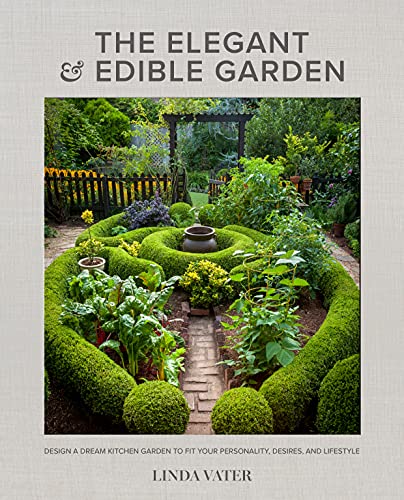
Claus Dalby, a Danish gardening celebrity and author known for his expertise in garden containers, has long admired Linda Vater's work on Instagram and YouTube. During his exploration of potager-style gardens, he discovered her book and praised it as a treasure, highlighting her gift for garden styling and design. Claus’s appreciation speaks to the book’s ability to blend style with practical gardening wisdom, making it a standout resource for those wanting to create elegant, edible garden spaces.
“I have followed Linda and her work on Instagram and YouTube for several years. Linda is a gifted gardener, and I’m amazed by her style and garden. Her book is a treasure.” (from Amazon)
Linda Vater, author of The Elegant and Edible Garden and The Garden Journal, is a garden designer and stylist who writes and produces garden content for TV, magazines, social media, and her own website. She lived and gardened at her 1935 English Tudor home in Oklahoma City for 30 years, and is now busy creating a new garden at another home in the city. Her gardens have been featured in numerous magazines, including Southern Living, Victoria, Garden Gate, Oklahoma, Mother Earth News, and others. Linda has hosted a weekly gardening segment on Oklahoma’s News 4 for 14 years. She also runs her own online television channel, Linda Vater TV, and has partnered with brands such as HGTV, Park Seed, the Home Depot, and the Southern Living Plant Collection.
What happens when garden styling meets edible landscaping? Linda Vater, with decades of hands-on gardening and styling experience, offers a unique take on potager gardens—those charming spaces where beauty and productivity coexist. You’ll learn how to blend fruits, vegetables, herbs, and flowers in ways that honor symmetry and rhythm, making your garden both a feast for the eyes and the table. The book dives into practical design principles like focal points, garden structure placement, and organic growing methods, tailored to fit your lifestyle and personal tastes. If you want a garden that’s as much about living and entertaining as it is about harvesting, this book speaks directly to you.
This AI-created book on garden design is crafted based on your background, skill level, and the specific design topics you want to explore. You share your interests and goals, and the book focuses on guiding you through personalized garden design steps that suit your space and preferences. This tailored approach makes navigating complex design choices clearer and more enjoyable, providing a pathway that fits exactly what you want to achieve in your garden.
TailoredRead AI creates personalized nonfiction books that adapt to your unique background, goals, and interests. Instead of reading generic content, you get a custom book written specifically for your profession, experience level, and learning objectives. Whether you're a beginner looking for fundamentals or an expert seeking advanced insights, TailoredRead crafts a book that speaks directly to you. Learn more.
This tailored book explores step-by-step garden design techniques, focusing on your unique interests and background to craft a garden that reflects your vision. It covers essential principles like spatial planning, plant selection, and aesthetic balance, providing insights into creating cohesive outdoor environments that harmonize with your lifestyle and local conditions. By tailoring content to your specific goals, it bridges broad expert knowledge with practical applications, making complex design concepts accessible and relevant to your personal space.
The personalized approach offers a guided journey through garden planning, from initial concepts to detailed layouts, helping you understand how to develop gardens that are both beautiful and functional. This book reveals how customization enhances learning and empowers you to bring expert wisdom into your own garden design process.
The Garden Design Journal, a respected authority in garden design publications, highlights 'An expert study of a major gardening trend.' This recommendation carries weight given their deep expertise in evolving garden aesthetics. Their endorsement reflects how the book reshaped their understanding of planting styles, emphasizing naturalistic and ecologically sensitive design. Following closely, Washington Gardener Magazine describes it as 'A trove of naturalistic gardens,' underscoring its rich visual and conceptual offerings. Together, these perspectives invite you to reconsider your garden through a fresh, sustainable lens.
Noel Kingsbury is a planting-design consultant and a prolific writer on gardens and naturalistic planting, with over 20 books to his name. He is based in Portugal, where he is developing an experimental garden.
What if everything you knew about garden aesthetics was wrong? Noel Kingsbury, a seasoned planting-design consultant with over 20 books to his name, teams up with Claire Takacs to explore nature-based planting that embraces wildness and sustainability. You’ll learn to design gardens that reflect ecological principles, featuring diverse examples—from perennial meadows in England to drought-resistant landscapes in Australia. The book reveals how this naturalistic approach challenges traditional manicured styles, offering practical insights into plant selection and garden composition. If you seek to rethink your garden as a dynamic, eco-aware space, this book will guide your design evolution.
Washington Gardener Magazine, a respected voice in regional horticulture, praises this work for opening a window into the life of a 20th-century garden tastemaker. Their review highlights the abundance of tips and the rich visual archive that bring Bunny Mellon's nuanced approach to life. This detailed perspective helped them appreciate how Mellon's style blends aristocratic tradition with hands-on design. Publisher's Weekly complements this view, emphasizing the pragmatic yet elegant nature of Mellon's garden work, supported by previously unpublished materials that deepen understanding of her legacy. Together, these expert opinions underline why this book is essential for anyone serious about garden design.
“The book provides entree into this marvelous life of a 20th-century tastemaker … The secrets promised in the title do not disappoint. There is much to be found here for gardeners of all levels. Tips flourish at every turn of the page, where a generous offering of colorful and previously unpublished photographs highlight important aspects of Bunny’s nuanced instructions.” (from Amazon)
Linda Jane Holden, Bryan Huffman, Thomas Lloyd, P. Allen Smith(you?)·
About the Author
Linda Jane Holden is the author of 'The Gardens of Bunny Mellon,' and co-author of 'Bunny Mellon Style,' 'Garden Secrets of Bunny Mellon,' and the 'Bunny Mellon Garden Journal.' Linda also authored 'Presidents' Gardens,' and is a contributing author to 'White House History,' a publication of the White House Historical Association. She is a sought-after speaker on Bunny Mellon and the White House Gardens during the Camelot years. Linda first became aware of Mrs. Mellon's contributions to landscape design while working in the White House during the Reagan administration.
Drawing from the intimate archives of Bunny Mellon, this book offers an authentic glimpse into her garden design philosophy, brought together by Linda Jane Holden and collaborators who share personal ties to Mellon. You’ll find detailed explorations organized around elements like atmosphere, climate, and maintenance, which reveal how Mellon’s aesthetic translated into living landscapes. The inclusion of her own writings, photographs, and sketches creates an immersive experience, ideal if you want to understand the nuances behind crafting elegant, timeless gardens. While the book honors Mellon's aristocratic background, it remains accessible and insightful for both enthusiastic amateurs and seasoned estate managers.
Jennifer Jewell, creator and host of the Cultivating Place Podcast, brings a deep understanding of gardening’s ecological and cultural significance. She found in New Naturalism a meaningful shift in perspective during a time when concerns about climate change and pollinator decline weigh heavily on gardeners. She describes it as a companion for cultivating a caring consciousness, helping gardeners connect their personal passions to broader environmental challenges. Her endorsement highlights how this book eases access to complex ecological conversations through practical and thoughtful gardening approaches, making it an insightful choice for anyone looking to deepen their relationship with nature through their garden.
“New Naturalism is a companion for us in cultivating a caring consciousness… In a gardening moment where there is a lot of potential anxiety around the urgency of the biggest concepts like climate change and pollinator decline, Kelly provides just enough of a tweak in perspective on how we approach our gardening impulse to grant us easier access into this conversation about the role of gardeners through the fortitude and best intentions of our already established gardening passions and habits.” (from Amazon)
Kelly D. Norris is an award-winning author and plantsman, and the former director of horticulture and education at the Greater Des Moines Botanical Garden, a revitalized public garden in Des Moines, Iowa. Over his career, his work has been featured in The New York Times, Organic Gardening, Better Homes and Gardens, Martha Stewart Living, Garden Design, and in numerous local and regional media appearances. As a writer and photographer, he regularly contributes to popular gardening magazines like Country Gardens, Fine Gardening, The American Gardener, and a variety of industry trade publications. As a speaker, he has garnered acclaim for his high-energy, zealous presentations on the national stage, leading many to call him one of the rising stars of American horticulture. Kelly has been fortunate to earn recognition for his work from a variety of organizations, including three awards from Iowa State Horticultural Society (2009–2011) for his service and contributions to horticulture in Iowa; early career and young professional awards from the Perennial Plant Association (2011), GardenComm (2018) and the American Horticultural Society (2018); the Iowa Author Award for Special Interest Writing (2013), the youngest Iowan to be recognized in the history of the awards program; and a fellowship from the Chanticleer Foundation (2015) for his curatorial and plant exploration work at the Botanical Garden.
Drawing from his extensive experience as a plantsman and former director of horticulture at a major botanical garden, Kelly D. Norris offers a fresh perspective on home gardening that goes beyond traditional formal layouts. You’ll discover how to design gardens that mimic natural ecosystems like meadows and woodlands, focusing on plant layers and ecological resilience rather than ornamental perfection. The book includes practical planting recipes and ideas for transforming small urban spaces into vibrant habitats that support biodiversity. This approach suits gardeners eager to create landscapes that are both beautiful and environmentally meaningful, not just decorative.
This AI-created book on garden makeover is crafted based on your gardening background and what you want to focus on. You share your experience level, the specific garden areas you’re interested in, and your goals, and the book is created to provide daily, manageable steps tailored just for you. It makes sense to have a tailored guide here because every garden and gardener is different — this book gives you a clear path to refresh your outdoor space in a way that fits your unique situation.
TailoredRead AI creates personalized nonfiction books that adapt to your unique background, goals, and interests. Instead of reading generic content, you get a custom book written specifically for your profession, experience level, and learning objectives. Whether you're a beginner looking for fundamentals or an expert seeking advanced insights, TailoredRead crafts a book that speaks directly to you. Learn more.
This tailored book explores how to refresh your garden in just 30 days through a personalized, step-by-step journey. It covers essential gardening techniques and creative design ideas tailored to your background and space, focusing on quick yet meaningful improvements. By addressing your specific goals and interests, it reveals how to transform outdoor spaces effectively without overwhelming complexity. The content matches your experience level and desired focus areas, providing daily actions that make garden revitalization approachable and enjoyable. Readers will discover a clear, engaging path to rejuvenate their gardens, combining foundational knowledge with practical, tailored guidance that keeps motivation high throughout the month-long process.
Erin Benzakein, author of Floret Farm's Cut Flower Garden and a respected voice in garden design, highlights how gardening serves as a form of self-expression. She appreciates how Claus Dalby's The Cottage Garden offers a window into some of the world's most enchanting cottage gardens and the stories of the gardeners behind them. Erin's endorsement comes from her intimate connection to the craft, and she notes that this book is a rich source of inspiration for anyone looking to cultivate their own garden space with personality and charm.
“Gardening is a wonderful form of self-expression and I love getting a glimpse into the spaces that other people create. In The Cottage Garden, Claus offers a peek inside some of the most charming gardens around the world and profiles the gardeners who tend them. Readers are sure to find inspiration in its pages.” (from Amazon)
Claus Dalby has been called “the Scandinavian Martha Stewart.” He is a designer, florist, and Danish gardener who has amassed a huge fan base in Scandinavia, the US, and around the world. He is also a successful publisher, television personality, and designer of glass vases for Holmegaard. His signature style of gardening uses densely packed plants and changing seasonal displays, often in monochromatic color palettes. Claus also runs an online garden club with monthly subscribers from around the world.
Claus Dalby's decades of experience as a Danish designer and florist shine through in this detailed exploration of cottage garden style. You’ll discover how historic figures like Gertrude Jekyll influenced the organically flowing, unstructured garden aesthetics that Dalby celebrates. The book offers over 700 vibrant photographs paired with insightful text explaining the artful blend of flowers such as poppies, delphiniums, and roses, revealing how seemingly casual arrangements are carefully intentional. Whether you have a sprawling country yard or a small suburban plot, you’ll gain an understanding of how to nurture a lush, textured garden that embraces natural growth without rigid formality. This book suits anyone eager to create or appreciate romantic, wild, and evolving garden spaces.
Publisher's Weekly, a respected authority in design critique, highlights this book for its bold photography and detailed plans, noting it as a stylish addition for design enthusiasts. Their expertise in evaluating visual and architectural works adds weight to their assessment, suggesting this monograph not only showcases Hocker's projects but also offers inspiration through its presentation. This endorsement reflects the book's ability to engage those passionate about garden design and landscape architecture, inviting you to explore contemporary approaches through the lens of an award-winning studio.
“Handsomely illustrated with bold color photography, site drawings, and plans . . . This stylish compendium will stand out on the coffee tables and shelves of design-minded readers.” (from Amazon)
David Hocker is the president, founder, and lead designer of Hocker, a Dallas-based landscape architecture studio that approaches each project with a strong, hands-on methodology and a vast knowledge of horticulture. Hocker's work is distinguished by a clear aesthetic, a creative use of sustainable materials and native or adaptive plants, and responsible and innovative solutions to design challenges. Over his career, Hocker and his eponymous studio have earned nearly 50 awards and in 2019 Hocker was a juror for the Cooper Hewitt National Design Awards.
David Hocker's extensive experience as a landscape architect shines through in this visual exploration of his studio's most influential projects from 2005 to 2020. You gain insight into how environmental sensitivity and material mastery combine with a contemporary design approach, illustrated by detailed plans and vivid photography. The book delves into a variety of settings, from urban parks to private retreats, offering a nuanced understanding of crafting spaces that balance simplicity with engagement. If you're looking to deepen your grasp of thoughtful, site-specific garden design, this book provides a grounded perspective without overstating its impact.
Toyo Ito, an internationally acclaimed architect and founder of Toyo Ito & Associates, discovered this book during his work in urban environments where natural spaces are scarce. He notes, "Shunmyo Masuno restores nature in Japan within a corner of urban space. His gardens bring comfort to people who tire of dry city life by cleansing their souls." This perspective reshaped Ito's appreciation for integrating spirituality and nature in design, highlighting why this work resonates deeply with anyone interested in garden design. Meanwhile, The Garden Design Journal praises the book's spiritual approach and rich illustrations, underscoring its value as a source of inspiration for creating contemplative landscapes.
Award-winning architect, founder Toyo Ito & Associates
“Shunmyo Masuno restores nature in Japan within a corner of urban space. His gardens bring comfort to people who tire of dry city life by cleansing their souls.” (from Amazon)
Mira Locher is an architect and professor who works in the U.S. and Japan. She studied at Smith College before receiving her Master of Architecture degree from the University of Pennsylvania. After working for Team Zoo Atelier Mobile in Japan for seven years, she set up an architectural practice in the U.S. with Takayuki Murakami. Mira Locher is Dean of the Faculty of Architecture at the University of Manitoba (Canada). She is the author of Super Potato Design, Zen Gardens and Zen Garden Design.
Drawing from her deep architectural expertise and extensive experience bridging Japanese and Western design, Mira Locher presents a vivid exploration of Shunmyo Masuno's Zen gardens. You gain insight into how Masuno fuses his Buddhist priesthood with modern landscape architecture to create spaces that invite mindfulness and spiritual repose. The book's three chapters dissect traditional, contemporary, and international Zen gardens, revealing design principles such as the use of natural elements to evoke tranquility and reflection. Whether you're a garden designer or simply fascinated by cultural landscapes, you’ll find detailed descriptions and over 400 illustrations that enrich your understanding of this unique art form.
Publisher's Weekly, a leading voice in book reviews, highlights how Judith Clancy's deep immersion in Kyoto culture shines through her historical and aesthetic insights, while Ben Simmons' photography offers a contemporary perspective on these ancient gardens. Their combined work transforms the book into more than a visual treat, inviting you to understand the gardens’ spiritual and cultural layers. This endorsement reflects why you might find the book invaluable, whether planning a visit or seeking inspiration for your own garden. Library Journal adds that its appeal extends from gardeners to those curious about Japan’s rich history, making it a versatile addition to your collection.
“Clancy, living in Kyoto, provides historical, aesthetic and cultural context to the gardens, and Simmons' photographs present a fresh look at Kyoto's most important gardens.” (from Amazon)
Judith Clancy has lived in Kyoto for over 40 years, writing and teaching about Japanese culture. Her works include 'Naturescapes' and 'Exploring Kyoto: On Foot in the Ancient Capital', which reveal the beauty and history of Kyoto's gardens and architecture.
Judith Clancy's decades living in Kyoto infuse this book with deep cultural insight, while Ben Simmons' photography captures the subtle beauty of Japan’s gardens with precision. You’ll learn how these gardens blend nature with philosophy, reflecting centuries of tradition in design, symbolism, and aesthetics. Detailed essays explore styles from minimalist rock gardens to vibrant stroll gardens, revealing their role in Japanese aristocratic culture and meditation practices. If you appreciate garden design as an art form tied to history and spirituality, this book offers a thoughtful, richly illustrated journey through Kyoto’s iconic landscapes.
Library Journal, a respected authority in literary and specialized reviews, highlights this book as "an excellent resource for the armchair gardener and the environmentally minded." Their endorsement carries weight for anyone serious about garden design, especially those interested in ecological and cultural dimensions. This recommendation reflects the book's success in expanding perspectives on garden creation beyond aesthetics to include environmental awareness, making it a meaningful read for thoughtful practitioners and enthusiasts alike.
Dan Pearson trained at the RHS Gardens, Wisley and at the Royal Botanic Gardens, Kew. His international work is widely celebrated and he has received numerous accolades including Honorary Fellow of the Royal Institute of British Architects, Royal Designer for Industry in 2012.
Dan Pearson's decades of horticultural expertise, combined with Midori Shintani's deep cultural insight, shape this exploration of the Tokachi Millennium Forest as a revolutionary approach to garden design. You’ll discover how this project blends Eastern and Western gardening traditions to create landscapes that are deeply connected to their natural and cultural surroundings. The book offers detailed reflections on integrating native ecosystems with aesthetic principles, inviting you to rethink the relationship between humans and the environment. Whether you’re a landscape designer or a nature enthusiast, this work encourages a thoughtful, ecological perspective on garden creation that transcends conventional methods.
The Washington Post, a major American newspaper known for its cultural insight, highlights how this book bridges Eastern and Western garden design ideas, reflecting the author's extensive experience creating over 400 gardens worldwide. Their review, "This book is loaded with design ideas for East and West," underscores how the guide blends tradition with practical adaptation, making it accessible to Western homeowners. Complementing this, Publisher's Weekly praises the clear instructions and illustrations that enable readers to build quintessential Japanese garden features like bamboo fences and stone bridges. Together, these endorsements make a strong case for why you should consider this book if you're eager to craft your own authentic Japanese garden.
Motomi Oguchi, born in 1947, has created about 400 Japanese gardens for homes, temples, and public buildings. His work includes the Schloss Schoenbrunn in Vienna and the Shizen-An spa/retreat on Long Island, NY.
What happens when decades of hands-on expertise in Japanese garden design meets a clear, methodical guide? Motomi Oguchi, who has crafted over 400 gardens globally, including notable sites like Schloss Schoenbrunn in Vienna, shares his knowledge through detailed chapters that progress from front gardens to intricate tea and tree gardens. You learn practical layouts, maintenance tips, and affordable adaptations that respect authentic aesthetics while fitting modern homes. Whether you're a homeowner looking to create a serene courtyard or a design enthusiast curious about kare sansui, this book grounds you in real-world examples and stepwise methods that demystify the art without sacrificing tradition.
BBC Countryfile, a respected authority on UK nature and rural life, highlights this book as an inspiring guide to cottage garden creation. Their recommendation underscores Sankey’s thorough approach, covering everything from plant selection to garden design and maintenance. This endorsement reflects the book’s value for anyone looking to embrace the informal charm and functionality of a cottage garden, making it a worthy consideration for your gardening library.
“An inspiring book by Andrew Sankey to guide you through all aspects of creating a cottage style garden, from choosing the right plants to design and care” (from Amazon)
Andrew Sankey taught graphic design before starting a garden design-landscaping business in 1991. Whilst creating his own cottage garden in Lincolnshire, he became a passionate advocate of the cottage garden style, particularly for smaller gardens. He opened his own cottage garden under the National Garden Scheme and became chairman of the Lincolnshire branch of the Cottage Garden Society. Andrew has lectured widely on cottage gardening, medieval gardens, women gardeners, plant hunters and Arts and Crafts gardens, both in Britain and the USA. He has designed many cottage-style gardens and borders throughout the East of England of every conceivable shape, size and situation.
Unlike most garden design books that prioritize formal layouts, Andrew Dr Sankey’s English Cottage Garden delves into the charm of informal, fragrant, and functional cottage-style gardening. Drawing on his extensive experience as a garden designer and longtime advocate for cottage gardens, Sankey offers a detailed guide on selecting the right trees, shrubs, climbers, and companion plants to create a flowing, productive garden space. You’ll find practical insights on color use, framing features, and seasonal planting that suit both compact city courtyards and larger country gardens. The book’s rich photographs illustrate planting combinations and border schemes, making it particularly helpful if you want to cultivate a personal, timeless garden aesthetic rather than follow rigid rules.
Olivia Laing, an author and cultural critic, calls this book "a wunderkammer of a book: so rich and idiosyncratic, its teeming ideas grounded in experience and experiment." Her appreciation stems from the book’s deep dive into garden design not just as craft but as a sensory and philosophical journey. This nuanced perspective helped Laing see gardens as evolving stories shaped by place and time, which can shift how you approach designing or appreciating a garden. Alongside her, The English Garden praises it as one of the year's most engrossing, thought-provoking reads, underscoring why this book deserves your attention if you want to expand your garden design horizons.
Jinny Blom is a leading garden designer who began her London based landscape design practice in 2000. Jinny works on a wide range of projects and has designed hundreds of gardens all over the world. Her innovative and uniquely thoughtful work has been much lauded and featured in the press internationally. She has designed four award-winning gardens for the RHS Chelsea Flower Show and was awarded the coveted gold medal in 2007; along with silver-gilts in 2002 (for her ‘Healing Garden’ developed in collaboration with The Prince of Wales); in 2006 (for Laurent-Perrier); and in 2013 (for her creation commissioned by Prince Harry’s charity, Sentebale). The great-granddaughter of an Impressionist painter, Jinny had a Liberal Arts education in the UK. She trained and practised as a transpersonal psychologist and psychotherapist, working for many years in mental health. In 1996 she chose to devote herself to her lifelong interest in natural landscapes and gardens. She has been a columnist for The Times, contributed regularly to radio and television worldwide, and in 2002 won BBC Radio Broadcaster of the Year for her Radio 4 Woman’s Hour features. Jinny has been nominated Woman of the Year an unprecedented three times - in 2002, 2007 and 2013 - for her services to society including her role as Artist in Residence at Chelsea & Westminster Hospital.
Jinny Blom’s decades of experience as a garden designer and transpersonal psychologist shape this reflective exploration of garden design. Rather than offering fixed rules, the book invites you to consider how gardens engage all five senses and balance nature with culture and time. You’ll find insights into blending architecture, conservation, and art to create spaces that respond to their place and the people who use them. Chapters explore gardens as living, evolving environments, making this especially useful if you want to deepen your understanding beyond aesthetics to the philosophy and sensory essence of gardens.
Marc Peter Keane is a licensed landscape architect and garden designer based in Ithaca, NY, with extensive experience creating and building gardens in Japan. His background includes teaching design workshops at Kyoto University of Art and Design, which informs the depth and authenticity he brings to this book. Keane’s expertise offers you a unique window into the art of Japanese garden design, blending tradition with practical knowledge to guide your understanding of these living sculptures and sacred spaces.
Marc Peter Keane is a licensed landscape architect and garden designer based in Ithaca, NY. He has extensive experience in creating and building gardens in Japan and teaching design workshops at Kyoto University of Art and Design.
Marc P. Keane draws on decades of hands-on experience as a licensed landscape architect and garden designer deeply immersed in Japanese garden traditions. You’ll uncover the core principles that have shaped these gardens for centuries, from spatial composition to symbolic use of natural elements. This book walks you through how these ethereal and sacred spaces are crafted, emphasizing the poetic relationship between nature and design. If you’re passionate about landscape architecture or wish to bring authentic Japanese aesthetics into your garden projects, this book offers detailed insights grounded in real-world practice and cultural appreciation.
The New York Times, known for its discerning literary criticism, highlights this book as an immersive exploration of Japan's stone garden tradition. Their evocative review captures how the book's detailed survey of renowned and lesser-known gardens leads to a meditative experience, transporting readers beyond mere design to the soul of these spaces. This perspective underscores the book's ability to deepen your appreciation for how stone gardens serve as tranquil refuges amid modern life's noise, making it a compelling choice if you seek more than surface aesthetics.
“This survey of the best of Japan's stone gardens may send you into the sort of fugue state in which you wake up to find yourself floating through the airport, boarding pass in hand.” (from Amazon)
Stephen Mansfield is a British writer and photo journalist whose work has appeared in over 60 magazines, newspapers and journals worldwide. He is the author of several books, including Japan: Islands of the Floating World, Japan's Master Gardens and Tokyo: A Biography. He currently resides in Japan where he is a regular book reviewer for The Japan Times. He has also become an authority on Japanese gardens and has traveled all over Japan to visit and photograph both celebrated and little-known gardens. He recently designed and built a Japanese garden at his home in the outer suburbs of Tokyo, a project that took four seasons to complete.
When Stephen Mansfield, a British writer and photojournalist steeped in Japanese culture, teamed up with Donald Richie, they crafted more than a garden book; they offer a journey through centuries of ritual, Zen philosophy, and aesthetics shaping Japanese stone gardens. You learn the roots of these gardens as sacred spaces, their transformation into meditative retreats by Zen monks, and their contemporary significance, all enriched by vivid imagery and detailed examples like Kyoto's temple gardens. This book suits you if you seek to understand not just garden design but the cultural and spiritual layers beneath stone arrangements that evoke tranquility and introspection.
The best Garden Design books and more, in your inbox each week. No account needed.
Conclusion
These 15 books reveal a rich tapestry of garden design approaches — from intimate small spaces and edible gardens to contemplative Zen landscapes and the vibrant wildness of naturalistic planting. They underscore how garden design blends art, ecology, culture, and personal expression.
If you’re navigating a small urban plot, start with Small Garden Style and The Elegant and Edible Garden to maximize charm and functionality. For a deeper ecological connection, combine Wild and New Naturalism for strategies that invite biodiversity and resilience. Those drawn to historical and cultural depth will find Garden Secrets of Bunny Mellon and Japanese Garden Design particularly rewarding.
Alternatively, you can create a personalized Garden Design book to bridge the gap between general principles and your specific situation. These books can help you accelerate your learning journey and craft a garden uniquely your own.
Frequently Asked Questions
I'm overwhelmed by choice – which book should I start with?
Start with a book that matches your garden size and style. For small spaces, Small Garden Style offers practical, stylish ideas. If you prefer naturalistic gardens, Wild provides ecological inspiration. Choosing a book that aligns with your immediate needs helps build confidence and momentum.
Are these books too advanced for someone new to Garden Design?
Not at all. Many books, like The Elegant and Edible Garden, are accessible for beginners, blending practical advice with inspiration. Expert recommendations ensure these books are approachable while offering depth for growth.
What’s the best order to read these books?
Begin with design fundamentals in What Makes a Garden or The Cottage Garden. Then explore specialized topics like Japanese gardens or naturalistic planting. This progression helps build a strong foundation before diving into specifics.
Do these books focus more on theory or practical application?
They offer a mix. For example, What Makes a Garden leans philosophical, while Create Your Own Japanese Garden provides step-by-step guidance. Depending on your goals, you can choose a book that balances theory and hands-on advice.
Are there any books here that contradict each other?
These books reflect diverse garden philosophies rather than contradict. For instance, Wild embraces untamed naturalism, while The Cottage Garden celebrates romantic informality. Exploring different viewpoints enriches your design perspective.
Can I get a personalized garden design guide instead of reading multiple books?
Yes! While these books offer expert knowledge, personalized guides tailor advice to your specific garden, style, and goals. Consider creating a personalized Garden Design book to complement expert insights with customized strategies.
📚 Love this book list?
Help fellow book lovers discover great books, share this curated list with others!