"The Five Invitations" by Frank Ostaseski, Rachel Naomi Remen M.D. made it to BookAuthority's Best Hospice and Palliative Medicine Audiobooks of All Time!
10 Hospice and Palliative Medicine Books That Define Compassionate Care
Insights from Malcolm Gladwell, Shoojit Sircar, and Betty Ferrell highlight these must-read Hospice and Palliative Medicine Books
Updated on June 24, 2025·We may earn commissions for purchases made via this page
1 of 10 books have Audiobook versions
We're launchingLaunching on Product Hunt today 🎉We just launchedJust launched on Product Hunt 🎉
Modelpeers, from the BookAuthority teamFrom the BookAuthority team: Modelpeers, a free way to follow AI models and agents like you follow people. We'd love your support.
What if you could confront the inevitability of death and discover profound lessons about living fully? In hospice and palliative medicine, this question isn’t academic; it’s at the heart of compassionate care. As populations age and medical ethics evolve, understanding these nuances is more urgent than ever. The insights from leaders like Frank Ostaseski and Atul Gawande have reshaped how caregivers approach life’s final chapter.
Jack Kornfield, a meditation teacher and author, found The Five Invitations to be a transformative guide that opens hearts to mortality's lessons, while Malcolm Gladwell, a journalist known for deep cultural analysis, praises Being Mortal for its candid examination of medicine’s readiness for death. Filmmaker Shoojit Sircar also highlights Being Mortal’s profound impact on life perspective. These voices, among others, reflect a rich tapestry of experience and wisdom shaping the field.
While these expert-curated books provide proven frameworks, readers seeking content tailored to their specific hospice care roles, clinical experience, or cultural contexts might consider creating a personalized Hospice and Palliative Medicine book that builds on these insights. Such customized guides can bridge expert knowledge with your unique challenges and goals in just 10 minutes.
Jack Kornfield, author of "A Path with Heart" and a well-regarded meditation teacher, highlights how Frank Ostaseski's work has profoundly influenced his understanding of death and life. Kornfield describes "These moving teachings can open your heart and change your life. For decades, Frank has been a compassionate guide to thousands of people facing death. In The Five Invitations, he shares his timeless wisdom, beautifully, as a blessing to all." This endorsement carries weight, given Kornfield's extensive experience in mindfulness and spiritual teaching. Complementing this, Tara Brach, author of "Radical Compassion," appreciates how the book reveals "the mystery and beauty of our essential Being," emphasizing its transformative potential for anyone confronting life's impermanence.
“These moving teachings can open your heart and change your life. For decades, Frank has been a compassionate guide to thousands of people facing death. In The Five Invitations, he shares his timeless wisdom, beautifully, as a blessing to all.”
Frank Ostaseski is a Buddhist teacher and leader in contemplative end-of-life care. In 1987, he co-founded the Zen Hospice Project and later created the Metta Institute to train professionals in compassionate, mindfulness-based care. He has lectured at Harvard Medical School, the Mayo Clinic, Wisdom.2.0 and teaches at major spiritual centers around the globe. His work has been featured on the Bill Moyers PBS series On Our Own Terms, The Oprah Winfrey Show, and in numerous print publications. In 2001, he was honored by the Dalai Lama for his compassionate service to the dying and their families. He is the author of The Five Invitations: Discovering What Death Can Teach Us About Living Fully.
After analyzing more than a thousand end-of-life experiences, Frank Ostaseski developed this thoughtful guide that reframes death as an ever-present teacher rather than a distant event. Drawing on his deep involvement with the Zen Hospice Project and his collaboration with Rachel Naomi Remen M.D., the book reveals how embracing mortality can illuminate what truly matters in life. You learn to recognize and apply five key invitations—such as welcoming everything and cultivating a "don't know" mind—that encourage full engagement with each moment. This book serves those seeking meaningful insight into life transitions, caregiving, or personal growth through the lens of mortality awareness.
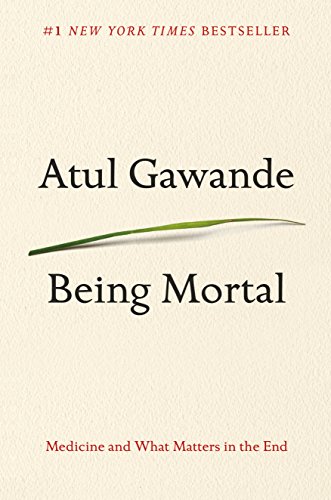
Malcolm Gladwell, journalist and bestselling author known for deep cultural analysis, highlights how this book reshaped his view on American medicine's readiness for death. He notes, "American medicine, Being Mortal reminds us, has prepared itself for life but not for death. This is Atul Gawande's most powerful--and moving--book." This candid exploration has influenced many in healthcare and beyond to reconsider how we approach the end of life. Alongside him, filmmaker Shoojit Sircar praises its insightfulness, referring to it as a source of life lessons, underscoring the book's broad emotional and professional impact.
Atul Gawande is the author of several bestselling books: Complications, a finalist for the National Book Award; Better; The Checklist Manifesto, and Being Mortal. He is also a surgeon at Brigham and Women's Hospital in Boston, a staff writer for The New Yorker, and a professor at Harvard Medical School and the Harvard School of Public Health. He has won the Lewis Thomas Prize for Writing about Science, a MacArthur Fellowship, and two National Magazine Awards. In his work in public health, he is Founder and Chair of Ariadne Labs, a joint center for health systems innovation, and Lifebox, a nonprofit organization making surgery safer globally. He is also chair of Haven, where he was CEO from 2018-2020. He and his wife have three children and live in Newton, Massachusetts.
The methods Atul Gawande developed while practicing surgery and public health reveal how medicine often neglects the realities of aging and death. In this book, you explore how traditional medical approaches can clash with the human desire for dignity and quality of life near the end. Gawande shares vivid examples and case studies illustrating more compassionate models, including hospice care and innovative eldercare facilities. You’ll gain insights into balancing medical intervention with personal values, a perspective valuable for healthcare providers, patients, and families grappling with life’s final phase.
This personalized AI book about hospice mastery is created based on your clinical background, experience level, and the specific aspects of palliative care you want to focus on. By combining your goals with expert knowledge, it offers a customized pathway through complex hospice medicine topics. This AI-created book ensures you engage deeply with the concepts most relevant to your practice and aspirations, making your learning both efficient and meaningful.
TailoredRead AI creates personalized nonfiction books that adapt to your unique background, goals, and interests. Instead of reading generic content, you get a custom book written specifically for your profession, experience level, and learning objectives. Whether you're a beginner looking for fundamentals or an expert seeking advanced insights, TailoredRead crafts a book that speaks directly to you. Learn more.
2026·50-300 pages·Hospice and Palliative Medicine, Hospice Care, Palliative Medicine, Symptom Management, Ethical Decision-Making
This tailored book explores hospice and palliative medicine through a lens finely tuned to your unique background and interests. It covers topics ranging from symptom management and ethical decision-making to interdisciplinary collaboration, providing a deep dive into expert-level care practices. By tailoring content specifically to your clinical experience and goals, it reveals pathways to compassionate approaches and advanced mastery in end-of-life care.
With a personalized focus, this book bridges extensive medical knowledge with your specific learning needs, ensuring you engage with essential concepts and nuanced challenges in hospice medicine that resonate with your practice. It offers a focused, insightful journey that enhances your understanding and application of patient-centered care.
The Christian Century, a respected voice in religious and ethical discourse, highlights this book for its deep clinical and philosophical exploration, noting Bishop's dual expertise as a physician and philosopher. Their review underscores how this book diagnoses critical failures in medicine's approach to death and dying, culminating in challenging questions about whether theology might hold the key to healing medicine. This perspective resonated strongly amid ongoing debates about end-of-life care. Similarly, Library Journal appreciates Bishop's skillful blend of Catholic sensibility and Foucauldian critique, emphasizing how the book exposes the complexities of hospice and palliative medicine, especially in cases like Terri Schiavo, and critiques the diminishing role of spiritual care in modern hospice practice.
“In this brilliant book, Jeffrey Bishop, who is both a physician and a philosopher, turns his clinical and analytical gaze on medicine. His diagnosis is bleak: 'There is something rotten in the heart of medicine.' Nine of the ten chapters are devoted to the diagnosis, showing the source and history of the disease and some of its symptoms, always focusing on how medicine approaches death and care for the dying. . . . In the last chapter, he turns his attention to therapeutic possibilities for medicine and raises a series of provocative questions, the most provocative of which is the last line of his book: Might it not be that only theology can save medicine?”
This isn't another hospice medicine book promising simple solutions to the complex realities of dying. Jeffrey P. Bishop, blending his roles as a philosopher, ethicist, and physician, challenges the dominant medical view that treats the dying body like a machine with expendable parts. You learn how this mechanistic perspective shapes everything from ICU practices to organ donation policies, often deepening suffering rather than alleviating it. Bishop uses examples like the Terri Schiavo case and the role of bioethics commissions to reveal unsettling contradictions in current care approaches. If you want to understand the deeper cultural and ethical currents driving end-of-life care, this book offers a critical, thought-provoking examination.
Betty Ferrell, director of nursing research at City of Hope National Medical Center, highlights this handbook's unique balance of compassion and clinical expertise. She notes how it addresses core care values while supporting interdisciplinary teams and staff well-being, especially in the face of an aging population. "This book is a perfect blend of compassion and competence that addresses the core values of care, the interdisciplinary team, self-care of staff, and the needs of an aging society." Her endorsement underscores the book's relevance for anyone involved in hospice care who must meet rigorous quality and compliance standards.
“This book is a perfect blend of compassion and competence that addresses the core values of care, the interdisciplinary team, self-care of staff, and the needs of an aging society.”
Tina M. Marrelli, MSN, MA, RN, FAAN, is an international healthcare consultant specializing in home care and models of care provided in the community to people at home. She is President of Marrelli & Associates Inc., a publishing and consulting firm working in healthcare for more than 20 years; Chief Clinical Officer for Innovative Caregiving Solutions LLC; and founding member of the International Home Care Nurses Organization. She has authored more than a dozen book editions, edited three peer-reviewed publications, and served on multiple editorial boards.
Tina M. Marrelli brings decades of hands-on experience in home care to this fourth edition, addressing the complex intersection of quality, compliance, and reimbursement in hospice and palliative care. You learn how to navigate regulatory challenges while delivering compassionate, multidisciplinary care, with practical insights drawn from detailed chapters on documentation, care planning, and disease-specific guidelines like Alzheimer's and pediatric care. The book benefits healthcare professionals engaged in hospice services who must balance clinical excellence with evolving standards and reimbursement requirements. Examples include strategies for managing documentation to ensure regulatory compliance and case studies on coordinating care across diverse patient needs.
Patricia Moyle Wright, PhD, MBA, MSN, CRNP, ACNS-BC, CHPN, CNE, FPCN is a Professor of Nursing at The University of Scranton in Scranton, Pennsylvania, where she teaches in the undergraduate and graduate nursing programs. Dr. Wright brings her more than 25 years of experience in the field of hospice and palliative care to her teaching and truly loves to inspire students to provide the best possible care to those facing their last moments. She also continues to provide direct care to terminally ill patients through her work as a per diem hospice Nurse Practitioner. Outside of the classroom and clinical settings, Dr. Wright shares her love of end-of-life nursing care with others through her writing. She is co-editor of the award-winning text Perinatal and Pediatric Bereavement in Nursing and other Health Professions (Springer Publishing), which was chosen as the 2016 AJN Book of the Year in the category of Palliative Care and Hospice. She is also the author of a ready reference text for nurses titled Fast Facts for the Hospice Nurse: A Concise Guide to End-of-Life Care, as well as Certified Hospice and Palliative Nurse (CHPN®) Exam Review, which was chosen as an AJN Book of the Year in 2020 in the category of Palliative Care and Hospice.
Patricia Moyle Wright, a seasoned nursing professor and hospice practitioner, crafted this guide to bridge the gap between theoretical knowledge and practical exam preparation for hospice and palliative nurses. You’ll gain not only a solid grasp of core principles like family-centered care and symptom management but also sharpen your test-taking skills through 300 detailed practice questions and case-based scenarios tailored to the CHPN exam blueprint. The book’s integration of drug dosage conversions and infusion therapy reflects the advanced competencies necessary in this field. If you're aiming to certify or deepen your clinical understanding, this guide offers targeted knowledge without unnecessary filler, though it’s best suited for those already familiar with nursing fundamentals.
This AI-created book on hospice care is tailored to your skill level and specific goals in the field. After you share your background and which hospice care areas interest you most, the book is created to focus on building the skills you need quickly and effectively. By targeting your unique learning needs, it offers a clear path through complex and sensitive topics essential to compassionate hospice practice. This ensures your time is spent mastering what truly matters in your personal caregiving journey.
TailoredRead AI creates personalized nonfiction books that adapt to your unique background, goals, and interests. Instead of reading generic content, you get a custom book written specifically for your profession, experience level, and learning objectives. Whether you're a beginner looking for fundamentals or an expert seeking advanced insights, TailoredRead crafts a book that speaks directly to you. Learn more.
2026·50-300 pages·Hospice and Palliative Medicine, Hospice Care, Patient Communication, Symptom Management, Ethical Considerations
This personalized book explores hospice care with a focus on rapid skill-building tailored to your unique background and objectives. It covers essential hospice principles, patient communication, symptom management, and ethical considerations, all presented in a way that aligns with your specific interests and experience level. By concentrating on your goals, it bridges expert knowledge with your personal learning path, making complex concepts accessible and actionable within a condensed timeframe. The book reveals practical approaches to providing compassionate, patient-centered care, emphasizing the subtleties of end-of-life support and interdisciplinary collaboration. This tailored guide empowers you to develop hospice expertise efficiently while honoring the deeply human aspects of caregiving.
Patricia Moyle Wright, PhD, MBA, MSN, CRNP, ACNS-BC, CHPN, CNE, FPCN is a Professor of Nursing at The University of Scranton in Scranton, Pennsylvania, where she teaches in the undergraduate and graduate nursing programs. Dr. Wright brings her more than 25 years of experience in the field of hospice and palliative care to her teaching and truly loves to inspire students to provide the best possible care to those facing their last moments. She also continues to provide direct care to terminally ill patients through her work as a per diem hospice Nurse Practitioner. Outside of the classroom and clinical settings, Dr. Wright shares her love of end-of-life nursing care with others through her writing. She is the author of numerous articles and book chapters on issues related to end-of-life care. She is co-editor of the award-winning text Perinatal and Pediatric Bereavement in Nursing and other Health Professions (Springer Publishing), which was chosen as the 2016 AJN Book of the Year in the category of Palliative Care and Hospice. She is also the author of a ready reference text for nurses titled Fast Facts for the Hospice Nurse: A Concise Guide to End-of-Life Care, as well as Certified Hospice and Palliative Nurse (CHPN) Exam Review: A Study Guide with Questions, which was a 2020 AJN Book of the Year award-winner in the category of Palliative Care and Hospice.
Patricia Moyle Wright draws on over 25 years of hospice and palliative care experience to offer a focused resource tailored for hospice nurses and clinicians involved in end-of-life care. You’ll find clear guidance on managing the physical, emotional, and spiritual needs of terminal patients, as well as navigating administrative responsibilities like Medicare regulations and documentation. The book covers how to maintain cultural sensitivity and underscores the importance of self-care to cope with the emotional toll of this work. Chapters such as the hospice movement timeline and evidence-based interventions provide practical insights that benefit nurses across settings, from hospices to acute care.
Kimberly Acquaviva, PhD, MSW, CSE, is a tenured faculty member at the George Washington University School of Nursing and a Certified Sexuality Educator through AASECT. Her scholarship centers on LGBTQ aging and end-of-life issues, backed by clinical experience with patients facing life-limiting illnesses. Acquaviva’s deep expertise and academic background drove her to write this book, which offers hospice and palliative care professionals clear guidance on transforming their practice to be truly inclusive for LGBTQ individuals.
Kimberly Acquaviva, PhD, MSW, CSE is a tenured faculty member at the George Washington University School of Nursing and a Certified Sexuality Educator (CSE) through AASECT. Her scholarship focuses on LGBTQ aging and end-of-life issues, and she has clinical experience with patients facing life-limiting illnesses. Acquaviva holds a Ph.D. in Human Sexuality Education from the University of Pennsylvania, an M.S.W. from the same institution, and a B.A. in Sociology. She has authored multiple works, including this book, which won first place in the AJN Book of the Year Awards in the Palliative Care and Hospice Category.
Drawing from her extensive background in human sexuality education and clinical experience with life-limiting illnesses, Kimberly D. Acquaviva crafted this guide to address a critical gap in hospice and palliative care: inclusive treatment of LGBTQ patients. You’ll find clear strategies tailored for physicians, nurses, social workers, counselors, and chaplains who want to improve care delivery with sensitivity and respect. The book’s approachable language and evidence-based approach make complex topics accessible, such as navigating family dynamics and understanding diverse identity needs, especially in chapters focused on communication and ethical considerations. If you’re involved in hospice or palliative medicine and committed to equitable care, this book offers practical insights without jargon or assumptions.
AJN Book of the Year Award Winner in Palliative Care and Hospice Category
Betty Ferrell, director of nursing research at City of Hope National Medical Center, brings deep expertise in hospice and palliative care, making her recommendation especially significant. She highlights how this third edition "is an essential resource for all professionals," emphasizing Dr. Connor’s ability to capture both the foundational history and pressing contemporary issues shaping the field. Her insights came from working closely with seriously ill patients, and this book helped deepen her understanding of interdisciplinary care and ethical challenges. "It is a comprehensive and thoughtful contribution to advance the care of the seriously ill," she notes, underscoring the book’s practical and forward-looking value.
“This third edition of Hospice and Palliative Care is an essential resource for all professionals. Dr. Connor has captured both the foundation and history of this still emerging field as well as the timely, critical issues that will define our future. It is a comprehensive and thoughtful contribution to advance the care of the seriously ill.”
Stephen Connor, PhD, is the executive director of the Worldwide Hospice Palliative Care Alliance based in London, UK. He has worked continuously in hospice and palliative care for the past 40 years as researcher, executive, educator, author, and licensed clinical medical psychologist.
Stephen R. Connor’s decades of leadership in hospice and palliative care shape this third edition, which delves into both the practical and ethical challenges facing the field today. You’ll find detailed chapters on mental health integration, spiritual assessment, and the evolving debate around assisted suicide, alongside discussions about delivering care in resource-limited settings. The book doesn’t just cover clinical practices but also explores the social and policy contexts affecting hospice care globally. If you’re involved in healthcare or caregiving, this book offers a well-rounded perspective on improving care for the seriously ill and navigating this complex specialty.
Beth Cavenaugh, RN, BSN, CHPN, brings over 14 years of hands-on experience in hospice and palliative nursing to this compassionate guide. Her dedication to patient autonomy and transparent communication shines through as she helps you approach end-of-life care with informed confidence and emotional readiness. Through her educational workshops and personal practice, Beth has crafted a resource intended to normalize and honor the dying process as a profound life event.
Beth Cavenaugh, RN, BSN, CHPN is a certified hospice and palliative care nurse, Reiki practitioner, and educator with over 14 years of experience in caring for patients at the end of their life. Compassion, patient autonomy, and transparent communication are the core of her care philosophy. Through her classes and hospice workshops for groups and individuals, Beth demystifies death and dying so this powerful moment will be embraced as a normalized and celebrated life event. Learn more at BethCavenaugh.com.
When Beth Cavenaugh, a seasoned hospice nurse and educator, wrote this guide, she aimed to demystify the complexities of end-of-life care with compassion and clarity. You’ll gain practical insights on navigating hospice and palliative options, managing symptoms both medically and holistically, and preparing emotionally and legally for the final stage of life. The book’s blend of personal stories and thoughtful exercises makes it especially useful for patients and their families seeking to advocate for their wishes and maintain dignity. If you want a grounded yet gentle resource to support you or a loved one through this journey, this book offers a clear-headed, empathetic approach.
Hadley Vlahos, RN, is a hospice registered nurse known for her social media presence with over a million followers, and her book spent over two months on the New York Times bestseller list. Drawing from her frontline experience visiting patients at home, she intertwines poignant stories and lessons from those facing death, offering readers insight into the human experience at life’s end. Her dedication extends beyond writing, as she is deeply involved in creating a nonprofit respite hospice house, reflecting her commitment to compassionate care.
Hadley Vlahos, RN, is a hospice registered nurse, mother, and wife. Her husband also works in the medical field as a doctor of physical therapy. Vlahos started her career as a registered nurse at twenty-two. As a hospice nurse, she now visits people at their home while also educating and sharing stories about hospice care on social media, where she has more than a million followers. Her book, 'The In-Between: Unforgettable Encounters During Life's Final Moments,' managed to find its way onto the New York Times bestseller list for over two months. In this book, she's attempted to intertwine the poignant stories, life lessons, and the wisdom her patients have shared with her. Presently, her heart and soul are deeply invested in a project that resonates with her passion – establishing a nonprofit respite hospice house.
While working as a hospice nurse and social media educator, Hadley Vlahos noticed how confronting death openly can transform our understanding of life itself. In this memoir, she shares deeply personal encounters with patients facing their final moments, revealing insights into faith, regret, and acceptance that challenge common fears about dying. You’ll gain a nuanced perspective on end-of-life care, enriched by stories like the man who visions his late daughter and the young woman overwhelmed by others' opinions. This book suits anyone grappling with loss or curious about the human side of hospice care, offering reflections that linger long after the last page.
The best Hospice and Palliative Medicine books and more, in your inbox each week. No account needed.
Conclusion
These 10 books share a commitment to deepening understanding and improving care at life’s end. From mindfulness and ethical reflections to practical nursing guidance and inclusive care, they form a diverse toolkit for anyone involved in hospice and palliative medicine.
If you’re navigating patient communication and care planning, start with The Five Invitations and Being Mortal to ground yourself in compassionate presence and patient autonomy. For clinical professionals aiming to sharpen skills and pass certification, Certified Hospice and Palliative Nurse Exam Review Book paired with Fast Facts for the Hospice Nurse offers practical, actionable knowledge. Those seeking to understand cultural and ethical complexities will find The Anticipatory Corpse and LGBTQ-Inclusive Hospice and Palliative Care invaluable.
Alternatively, you can create a personalized Hospice and Palliative Medicine book to bridge the gap between general principles and your specific situation. These books can help you accelerate your learning journey and enhance the care you provide.
Frequently Asked Questions
I'm overwhelmed by choice – which book should I start with?
Start with Being Mortal for broad insights on patient-centered care, then explore The Five Invitations to deepen your understanding of mindfulness in end-of-life situations. These set a compassionate foundation before diving into more specialized texts.
Are these books too advanced for someone new to Hospice and Palliative Medicine?
Not at all. Many, like Some Light at the End, are accessible to newcomers and families, while others offer deeper clinical or ethical insights for seasoned professionals. You can tailor your reading based on your experience.
What's the best order to read these books?
Begin with foundational perspectives (Being Mortal, The Five Invitations), then move to practical guides (Hospice & Palliative Care Handbook, Certified Hospice and Palliative Nurse Exam Review Book). Finish with specialized topics like inclusivity and ethics.
Do I really need to read all of these, or can I just pick one?
You can pick based on your role and needs. For example, nurses might prioritize certification guides, while caregivers might choose memoirs or patient-family guides. Each book offers unique value for different aspects of hospice care.
Which books focus more on theory vs. practical application?
The Anticipatory Corpse leans toward philosophical and ethical theory, while Fast Facts for the Hospice Nurse and Hospice & Palliative Care Handbook provide hands-on, practical guidance for clinicians.
How can I apply these books’ insights to my specific hospice care role or situation?
These expert books offer foundational knowledge, but personalized guidance can bridge gaps between theory and your unique context. Consider creating a personalized Hospice and Palliative Medicine book tailored to your experience level, setting, and goals for targeted, relevant strategies.
📚 Love this book list?
Help fellow book lovers discover great books, share this curated list with others!