"The Principles of Multimedia Journalism" by Richard Koci Hernandez, Jeremy Rue made it to BookAuthority's Best Online Journalism Audiobooks of All Time!
7 Online Journalism Books That Separate Experts from Amateurs
Casey Newton, Taylor Lorenz, and Dan Primack recommend these Online Journalism books for mastering digital media reporting and storytelling
Updated on June 26, 2025·We may earn commissions for purchases made via this page
1 of 7 books have Audiobook versions
We're launchingLaunching on Product Hunt today 🎉We just launchedJust launched on Product Hunt 🎉
Modelpeers, from the BookAuthority teamFrom the BookAuthority team: Modelpeers, a free way to follow AI models and agents like you follow people. We'd love your support.
What if you could unlock the secrets behind the digital news revolution? Online journalism isn't just about publishing stories on the internet—it's a dynamic craft reshaping how information reaches millions. As social media platforms and mobile devices redefine news consumption, the challenge is not just to report but to engage, verify, and innovate in real time.
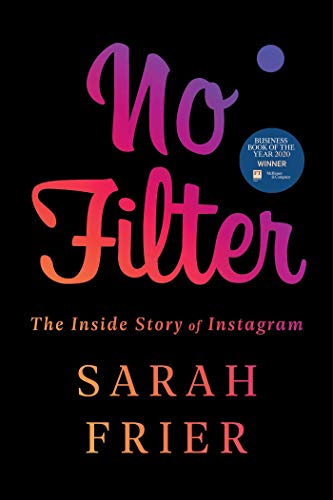
Journalists like Casey Newton of Platformer and Taylor Lorenz, known for incisive tech reporting, have found their understanding deepened by books like No Filter, which uncovers Instagram’s cultural influence. Meanwhile, Dan Primack, Axios business editor, points to practical guides such as Journalism Next for mastering digital tools. These experts discovered that staying ahead requires not only skills but also insight into digital storytelling, law, and audience engagement.
While these expert-curated books provide proven frameworks, readers seeking content tailored to their specific backgrounds, skill levels, and goals might consider creating a personalized Online Journalism book that builds on these insights. This personalized approach helps bridge general principles and your unique journey in digital media.
Casey Newton, a respected tech journalist at Platformer, highlights this book as "one of my favorite books of recent months... a meticulously reported, beautifully told story about one of the most successful apps ever created." His deep expertise in social media journalism lends weight to his praise, reflecting how the book shaped his understanding of Instagram’s complex rise. This narrative not only enriches your grasp of social media’s impact but also offers a rare glimpse into the tensions between Instagram’s founders and Facebook leadership. Joining him, Taylor Lorenz also calls it a "must read," underscoring its relevance for anyone following online journalism and tech culture today.
“One of my favorite books of recent months....it’s a meticulously reported, beautifully told story about one of the most successful apps ever created.”
Sarah Frier is a senior technology reporter for Bloomberg News out of San Francisco. Her award-winning features and breaking stories have earned her a reputation as an expert on how Facebook, Instagram, Snapchat, and Twitter make business decisions that affect their future and our society. Frier is a frequent contributor to Bloomberg Businessweek and Bloomberg Television. She’s also the author of No Filter: The Inside Story of Instagram, the winner of the 2020 Financial Times and McKinsey Business Book of the Year Award.
Sarah Frier, a seasoned Bloomberg technology reporter, draws on extensive insider access to Instagram’s founders and key players to reveal the app’s rise from a simple photo-sharing tool to a cultural powerhouse. You’ll learn how Instagram’s unique ethos clashed with Facebook’s growth-driven approach, shaping its product decisions and corporate tensions. The book details pivotal moments like the development of Stories and the founders’ resistance to Facebook’s control, offering you a nuanced view of Silicon Valley’s influence on social media and society. Whether you’re interested in tech business strategy, social media’s cultural impact, or startup dynamics, this narrative provides sharp insights without glamorizing the players involved.
2020 Financial Times and McKinsey Business Book of the Year Award
Named Best Book of the Year by Fortune, The Financial Times, The Economist, Inc. Magazine, and NPR
Mark E. Briggs brings a wealth of experience as director of digital media at KING-TV and former assistant managing editor for Interactive News, combining hands-on newsroom leadership with academic insight. His extensive background, including teaching and fellowships at the Poynter Institute, informs this guide designed to help journalists navigate the rapid shifts in digital media. Briggs’ practical approach translates complex technological changes into actionable understanding for professionals committed to maintaining journalistic integrity amid evolving platforms.
Mark Briggs is the author of “Journalism 2.0” and “Entrepreneurial Journalism” and maintains a widely read blog at www.journalism20.com/blog. He is a frequent speaker and presenter at journalism, media and technology conferences throughout the United States and overseas. He is currently the director of digital media at KING-TV in Seattle, and he previously served as assistant managing editor for Interactive News at The News Tribune in Tacoma, Wash., and as new-media director at The Herald in Everett, Wash. He earned journalism degrees from Gonzaga University and the University of North Carolina and was an adjunct professor at Seattle University from 2002 to 2006 and a Ford Fellow for Entrepreneurial Journalism at The Poynter Institute from 2010 to 2012.
2019·344 pages·Journalism, Online Journalism, Digital Reporting, Multimedia Storytelling, Audience Engagement
What if everything you knew about digital reporting was due for an update? Mark E. Briggs, drawing on decades of newsroom leadership and teaching, offers a grounded guide to the evolving tools and techniques reshaping journalism today. You’ll explore how to integrate digital technology without sacrificing core journalistic values, with chapters covering everything from multimedia storytelling to audience engagement strategies. This book suits both seasoned journalists adapting to new platforms and digital natives seeking a solid foundation in ethical reporting. It’s less about flashy gadgets and more about applying technology thoughtfully to tell better stories.
This custom AI book on digital reporting is created based on your journalism background, skill level, and the specific areas you want to focus on. You share your goals and interests, and the book is then crafted to provide a focused path through complex digital media topics. This tailored approach makes sense for digital journalism because the landscape is constantly shifting, and having content that matches your needs helps you learn more efficiently and apply techniques that matter most to you.
TailoredRead AI creates personalized nonfiction books that adapt to your unique background, goals, and interests. Instead of reading generic content, you get a custom book written specifically for your profession, experience level, and learning objectives. Whether you're a beginner looking for fundamentals or an expert seeking advanced insights, TailoredRead crafts a book that speaks directly to you. Learn more.
This tailored book explores digital reporting through a lens uniquely matched to your journalism background and goals. It covers core techniques in online news gathering, verification, storytelling, and audience engagement, emphasizing pathways that resonate with your specific interests and skill level. By focusing on your personalized journalistic challenges, it reveals how to navigate the evolving digital media landscape with clarity and confidence.
You’ll examine how digital tools, data sources, and emerging platforms shape modern reporting, along with ethical considerations and legal boundaries. This personalized approach helps you synthesize vast expert knowledge into a coherent, relevant narrative that speaks directly to your aspirations in online journalism.
Faith Sidlow, an award-winning broadcast journalist with over 30 years of experience in television and radio, brings her extensive expertise to this guide. Having spent nearly three decades as a reporter, anchor, and producer at a major NBC affiliate and teaching broadcast journalism at California State University, Fresno, she crafts a textbook that blends practical newsroom skills with digital-age demands. Her career background grounds the book’s insights, making it a resource well-suited for those ready to navigate both traditional and online broadcast news.
Faith Sidlow is an award-winning broadcast journalist with three decades of experience in television and radio news. She is an associate professor of broadcast journalism at California State University, Fresno, where she teaches broadcast and multimedia journalism. Faith worked as a reporter, anchor and producer for the Fresno NBC affiliate for 28 years. Her early broadcast career included radio reporter and board operator at KPBS-FM; San Diego reporter for KNX News Radio, Los Angeles; and research intern for CBS News in London.
After decades immersed in the fast-evolving world of broadcast journalism, Faith Sidlow and Kim Stephens developed this guide to bridge traditional reporting with the demands of digital platforms. You’ll learn concrete skills spanning storytelling, video production, live anchoring, and ethical multitasking, all tailored to today’s multimedia newsrooms. The book’s structure—covering foundation building, writing, producing, performance, and career ethics—equips you with actionable frameworks like story pitching and social media management. Whether you aspire to be a reporter, producer, or anchor, this text offers clear learning objectives and real examples that sharpen your craft for both TV and online formats.
Cleland Thom brings extensive experience as a consultant and trainer in media and internet law, having advised top UK media groups and major corporations. His background as Press Gazette’s legal blogger and author of several legal texts uniquely positions him to guide journalists, bloggers, and communicators through the complex legal terrain of online publishing. This book reflects his commitment to helping media professionals understand and navigate legal challenges in the digital age.
Cleland Thom is a consultant and trainer in media and internet law. He provides in-house training and law consultancy, and has published several legal books. He was the Press Gazette’s legal blogger and has worked with all the UK’s top media groups, FT 100 businesses, UK central and local government, corporations, and educational and non-profit organisations. He is also an NVQ assessor and a Cert Ed graduate.
After years of consulting on media and internet law, Cleland Thom distilled his expertise into this guide tailored for those navigating the legal landscape of online publishing. You'll find detailed explanations on issues like defamation, data protection, and the right to be forgotten, alongside practical insights about social media and website regulations. Chapters covering topics such as safe digital practices and court reporting equip you with the knowledge to publish confidently and responsibly. This book suits journalists, bloggers, PR professionals, and students who engage with digital content and want to avoid legal pitfalls.
Dan Gillmor is a nationally known business and technology columnist and director of the Knight Center for Digital Media Entrepreneurship at Arizona State University. His expertise lies in the rise of citizen media and its implications for journalism, making him uniquely qualified to explore how the internet has transformed news from a one-way broadcast into an interactive dialogue. His insights in this book shed light on the shifting power dynamics in media and invite you to understand and participate in this new landscape.
Dan Gillmor is a nationally known business and technology columnist, director of the Knight Center for Digital Media Entrepreneurship at Arizona State University, and author of 'We the Media: Grassroots Journalism by the People, for the People'. His work focuses on the rise of citizen media and its implications for journalism. He has written extensively on media and technology, contributing to various publications, and his insights have been influential in understanding the evolving landscape of journalism in the digital age.
304 pages·Online Journalism, Digital Media, Citizen Journalism, Media Disruption, Blogging
Unlike most journalism books that focus on traditional media gatekeeping, Dan Gillmor's "We The Media" challenges the very notion of centralized news control by spotlighting the rise of grassroots journalism powered by the internet. You learn how everyday people transform from passive news consumers into active producers using blogs, chat groups, and mobile tools, shifting the media landscape toward a two-way conversation. The book is particularly insightful if you're interested in how digital tools disrupt legacy media and empower individuals, with vivid examples like political bloggers influencing elections and online communities uncovering hoaxes. If you're a journalist, media professional, or curious participant in the news cycle, this book offers a clear-eyed look at the evolving dynamics between newsmakers, professionals, and the public.
This custom AI book on digital storytelling is created based on your journalism background, skill level, and specific storytelling interests. You share your goals and the storytelling areas you want to improve, and the book focuses exactly on what you need to enhance your skills in online news. By tailoring the content to your unique learning path, this AI-created guide helps you navigate the complexities of crafting engaging stories for digital audiences with clarity and confidence.
TailoredRead AI creates personalized nonfiction books that adapt to your unique background, goals, and interests. Instead of reading generic content, you get a custom book written specifically for your profession, experience level, and learning objectives. Whether you're a beginner looking for fundamentals or an expert seeking advanced insights, TailoredRead crafts a book that speaks directly to you. Learn more.
This tailored book explores the art and craft of storytelling specifically for online journalism, focusing on your unique background and goals. It reveals how to structure compelling narratives, engage digital audiences, and adapt stories for various online platforms. The content balances foundational storytelling principles with contemporary techniques essential for the fast-paced digital news environment. By matching your experience and interests, this personalized guide offers a step-by-step plan to elevate your storytelling skills over 30 days. It seamlessly integrates practical writing practices with digital media considerations, helping you develop richer, more impactful news stories that resonate with today's readers.
Steve Hill, Course Leader of the MA in Multimedia Journalism at Westminster University, and Paul Bradshaw, Course Leader for Multiplatform and Mobile Journalism at Birmingham City University, bring deep academic and practical expertise to this book. Their backgrounds in technology journalism and consulting for the BBC provide a solid foundation for exploring how mobile devices and social platforms influence news production today. They delve into the intersection of technology and journalism education, offering insights that benefit students and professionals alike.
Steve Hill is Course Leader of the MA in Multimedia Journalism at Westminster University, London. Previously, he lectured at Southampton Solent University, UK, and has a background in technology journalism. His books include Online Journalism: The Essential Guide (with Dr. Paul Lashmar, 2013). Paul Bradshaw is Course Leader for both the MA in Multiplatform and Mobile Journalism and the MA in Data Journalism at Birmingham City University, UK. He also works as a consulting data journalist with the BBC England Data Unit. His books include Magazine Editing (with John Morrish, 2011), Snapchat for Journalists (2016), and the Online Journalism Handbook (2018).
The research was clear: traditional journalism methods weren’t keeping pace with mobile technology’s rapid expansion. Steve Hill and Paul Bradshaw, both leading educators in multimedia and data journalism, explore how news is now consumed across smartphones, tablets, and wearables, reshaping how stories are gathered, verified, and shared. You’ll find practical guidance on integrating social media and apps into your workflow, with chapters devoted to visual storytelling and ethical challenges like fake news and online trolling. If you’re pursuing journalism in today’s digital landscape, this book offers a realistic look at the skills needed to engage audiences where they spend most of their time.
Richard Koci Hernandez is an Assistant Professor of New Media at UC Berkeley's Graduate School of Journalism and a National Emmy Award-winning producer, whose work earned two Pulitzer Prize nominations. Jeremy Rue, also at Berkeley, brings a background as a print reporter, photojournalist, and web developer. Their combined expertise informs this guide to digital news storytelling, reflecting their academic roles and hands-on experience. This book distills their understanding of how to package diverse media forms into compelling narratives for today's online journalism landscape.
Richard Koci Hernandez is an Assistant Professor of New Media at the University of California at Berkeley Graduate School of Journalism and a National Emmy Award winning multimedia producer. His work for the Mercury News earned him two Pulitzer Prize nominations. In 2003, he was the recipient of the James K. Batten Knight Ridder Excellence Award. Jeremy Rue is a Lecturer of New Media at the University of California at Berkeley Graduate School of Journalism. He was formerly a multimedia instructor for the Knight Digital Media Center at UC Berkeley where he taught new media storytelling workshops. He is a former print reporter, photojournalist and web developer. In 2007, he was the recipient of the Dorothea Lange Fellowship award for his photo documentary work on migrant farmworkers in California’s Central Valley.
2015·218 pages·Online Journalism, Storytelling, Multimedia, Digital Media, News Packaging
Richard Koci Hernandez and Jeremy Rue bring decades of multimedia journalism experience together to map out how digital news storytelling has evolved beyond traditional formats. You learn to classify and design story packages that blend audio, video, images, graphics, and text in ways that engage modern audiences. The book dives into the mechanics of narrative structure specific to digital platforms, with practical insights from interviews with innovators at outlets like The New York Times and NPR. If you want to sharpen your skills in crafting news that leverages technology creatively, this book offers a clear framework for professionals and students alike.
The best Online Journalism books and more, in your inbox each week. No account needed.
Conclusion
Looking across these seven books, clear themes emerge: mastering new digital tools, understanding evolving legal landscapes, and innovating storytelling formats for diverse platforms. Whether you're navigating the intersection of social media and news or exploring mobile-first reporting, each book offers distinctive angles to sharpen your craft.
If you're grappling with the legal complexities of online publishing, start with Online Law for Journalists to build confidence. For practical skills in multimedia and mobile reporting, Broadcast News in the Digital Age and Mobile-First Journalism provide actionable advice. Combining We The Media with The Principles of Multimedia Journalism can deepen your grasp of audience engagement and content design.
Alternatively, you can create a personalized Online Journalism book to bridge the gap between general principles and your specific situation. These books can help you accelerate your learning journey and stand out in the fast-changing world of digital news.
Frequently Asked Questions
I'm overwhelmed by choice – which book should I start with?
Start with Journalism Next for a solid foundation in digital reporting tools and ethics. It balances practical advice with journalistic integrity, perfect for newcomers and those adapting to online platforms.
Are these books too advanced for someone new to Online Journalism?
Not at all. Books like Mobile-First Journalism and We The Media are accessible to beginners, offering insights into current trends and grassroots reporting without assuming prior expertise.
What's the best order to read these books?
Begin with Journalism Next for fundamentals, then explore Broadcast News in the Digital Age and Mobile-First Journalism for multimedia skills. Finish with Online Law for Journalists to understand legal aspects.
Are any of these books outdated given how fast Online Journalism changes?
While some foundational concepts remain steady, titles like No Filter and Mobile-First Journalism address recent trends and technologies, keeping you current in a rapidly evolving field.
Which book gives the most actionable advice I can use right away?
Broadcast News in the Digital Age offers concrete techniques for reporting, producing, and anchoring that you can apply immediately in multimedia newsrooms.
Can I get personalized advice that fits my specific Online Journalism goals?
Yes! While these expert books provide solid frameworks, you can create a personalized Online Journalism book tailored to your background, skill level, and interests, bridging expert knowledge with your unique needs.
📚 Love this book list?
Help fellow book lovers discover great books, share this curated list with others!