10 Best-Selling Fiction Writing Books Millions Love
Rolando Gómez, Jeremy Vine, and Kami Garcia recommend these bestselling Fiction Writing Books that guide and inspire writers worldwide.
Updated on June 24, 2025·We may earn commissions for purchases made via this page
7 of 10 books have Audiobook versions
We're launchingLaunching on Product Hunt today 🎉We just launchedJust launched on Product Hunt 🎉
Modelpeers, from the BookAuthority teamFrom the BookAuthority team: Modelpeers, a free way to follow AI models and agents like you follow people. We'd love your support.
There's something special about books that both critics and crowds love, especially in the realm of fiction writing. With millions turning to these guides, it's clear that proven methods resonate deeply with aspiring and experienced writers alike. Fiction writing remains a craft where mastering structure, character, and narrative voice can transform your storytelling journey into something truly compelling.
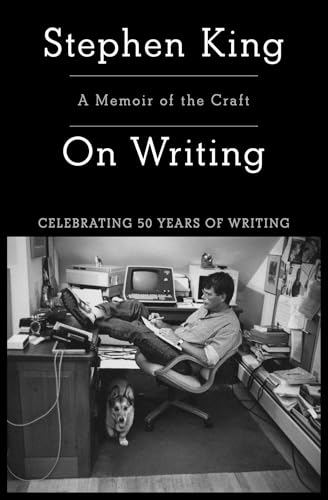
Rolando Gómez, a screenwriter with global experience across 45 countries, champions Stephen King's On Writing for its no-nonsense advice and blend of memoir with craft. Meanwhile, broadcaster Jeremy Vine calls it "THE book to read first," underscoring its broad appeal. Kami Garcia, a #1 New York Times bestselling author, praises Save the Cat! Writes a Novel for simplifying plotting complexities. Their endorsements exemplify how these bestsellers have shaped countless writers' approaches.
While these popular books provide proven frameworks, readers seeking content tailored to their specific Fiction Writing needs might consider creating a personalized Fiction Writing book that combines these validated approaches with your unique goals and background.
Best for aspiring novelists seeking craft and memoir
Audiobook version not available
Rolando Gómez, a screenwriter and veteran who has worked across 45 countries, highlights Stephen King's straightforward advice: "The road to hell is paved with adverbs." This piece of counsel captures the no-frills style King advocates throughout his memoir and craft guide. Gómez appreciates how King's insights resonate with both emerging and seasoned writers, especially given the book's blend of personal history and practical tips. Adding to this endorsement, Jeremy Vine, a well-known broadcaster, calls it "THE book to read first" for anyone wanting to write, reflecting its wide acclaim and enduring appeal in the fiction community.
Stephen King is the author of more than sixty books, all of them worldwide bestsellers. His recent work includes Never Flinch (May 2025), the short story collection You Like It Darker (a New York Times Book Review top ten horror book of 2024), Holly (a New York Times Notable Book of 2023), Fairy Tale, Billy Summers, If It Bleeds, The Institute, Elevation, The Outsider, Sleeping Beauties (cowritten with his son Owen King), and the Bill Hodges trilogy: End of Watch, Finders Keepers, and Mr. Mercedes (an Edgar Award winner for Best Novel and a television series streaming on Peacock). His novel 11/22/63 was named a top ten book of 2011 by The New York Times Book Review and won the Los Angeles Times Book Prize for Mystery/Thriller. His epic works The Dark Tower, It, Pet Sematary, Doctor Sleep, and Firestarter are the basis for major motion pictures, with It now the highest-grossing horror film of all time. He is the recipient of the 2020 Audio Publishers Association Lifetime Achievement Award, the 2018 PEN America Literary Service Award, the 2014 National Medal of Arts, and the 2003 National Book Foundation Medal for Distinguished Contribution to American Letters. He lives in Bangor, Maine, with his wife, novelist Tabitha King.
Stephen King, with decades of bestselling novels and a National Book Foundation Medal behind him, crafted this blend of memoir and craft insights after a near-fatal accident profoundly reshaped his outlook. You’ll find chapters that dig into the nuts and bolts of storytelling—like focusing on narrative economy or the pitfalls of overusing adverbs—paired with vivid recollections from King’s early struggles to his rise as a writer. This isn’t just theory; it’s a candid look at writing as a living, breathing craft tied deeply to life’s experiences. If you’re serious about fiction writing and want both technical guidance and the human side of the journey, this book will speak directly to you.
One of Time Magazine’s Top 100 Nonfiction Books of All Time
Publisher's Weekly, a leading voice in the book industry, highlights Lisa Cron’s expertise rooted in psychology and storytelling science. They emphasize her fresh take on novel writing as a clear response to common pitfalls many writers face. "Cron, author of Wired for Story, proposes this new book as the answer to the question, What’s the biggest mistake writers make?" This endorsement aligns with the widespread appreciation for her method, which helps you transform your narrative approach by focusing on what the brain truly craves in a story.
“Cron, author of Wired for Story, proposes this new book as the answer to the question, What’s the biggest mistake writers make? She uses psychology and other sciences to explain what makes an utterly compelling story and how to write one. Novice writers looking for a step-by-step guide to how to build—or fix—their novel might find a lot of useful information in here.”
Lisa Cron is the author of Wired for Story and Story Genius. Her TEDx talk, Wired for Story opened Furman University's 2014 TEDx Conference, Stories: The Common Thread of Our Humanity. Lisa has worked in publishing at W.W. Norton, as an agent at the Angela Rinaldi Literary Agency, as a producer on shows for Showtime and Court TV, and as a story analyst for Warner Brothers and the William Morris Agency. Since 2006 she has been an instructor in the UCLA Extension Writers' Program, and she is on the faculty of the School of Visual Arts MFA Program in Visual Narrative in New York City. She is a frequent presenter at writers conferences, universities and schools nationwide, and in her work as a story coach Lisa helps novelists, screenwriters and journalists wrangle the story they want to tell onto the page.
Unlike most fiction writing books that lean heavily on outlining or improvisation, Lisa Cron draws on decades of experience in story analysis and publishing to present a method grounded in cognitive science. She guides you through developing a scene-by-scene blueprint that taps into what the brain craves in storytelling, emphasizing urgency and internal logic over external plot mechanics. You learn to build a multilayered narrative foundation that transforms your initial idea into a draft with the richness and authority of a seasoned writer’s sixth or seventh revision. This approach benefits novelists struggling to avoid rewrites and those seeking a deeper connection between story structure and reader engagement.
This custom AI book on fiction writing is created based on your background, skill level, and specific storycraft interests. You share the areas you want to improve and the kinds of fiction you wish to write, and the book focuses precisely on those objectives. Using AI to tailor the content means you get a focused guide that highlights methods proven by millions while matching your unique goals and challenges. It's like having a writing coach who understands exactly where you are and what you need next.
TailoredRead AI creates personalized nonfiction books that adapt to your unique background, goals, and interests. Instead of reading generic content, you get a custom book written specifically for your profession, experience level, and learning objectives. Whether you're a beginner looking for fundamentals or an expert seeking advanced insights, TailoredRead crafts a book that speaks directly to you. Learn more.
2026·50-300 pages·Fiction Writing, Story Structure, Character Development, Plot Techniques, Narrative Voice
This tailored book explores the art of fiction writing by blending widely respected storytelling techniques with your unique interests and goals. It delves into character development, plot construction, narrative voice, and pacing, focusing on approaches validated by millions of readers and writers. The personalized content matches your background and desired challenges, uncovering insights most relevant to your storytelling journey. By examining proven storycraft methods through a tailored lens, it reveals how to craft engaging, memorable fiction that resonates deeply. This book encourages a focused learning experience that aligns with your creative vision and helps you hone your writing skills effectively.
K.M. Weiland lives in make-believe worlds, talks to imaginary friends, and survives primarily on chocolate truffles and espresso. She is the internationally published author of acclaimed writing guides including Outlining Your Novel and Structuring Your Novel. Her expertise in both fiction and non-fiction writing shapes this book, which offers you a detailed roadmap to creating character arcs that unify story structure and breathe life into your narratives.
K.M. Weiland lives in make-believe worlds, talks to imaginary friends, and survives primarily on chocolate truffles and espresso. She is the internationally published author of the acclaimed writing guides Outlining Your Novel, Structuring Your Novel, and Creating Character Arcs. Her fiction includes the gaslamp fantasy Wayfarer, the historical/dieselpunk adventure Storming, the portal fantasy Dreamlander, and the medieval epic Behold the Dawn. When she’s not making things up, she’s busy mentoring other authors on her acclaimed blog Helping Writers Become Authors.
K.M. Weiland's decades of writing and teaching experience led her to develop a clear method for crafting character arcs that deeply resonate. You’ll learn how to choose the right arc—positive, negative, or flat—for your characters and why merging plot with character development creates stories that stick. The book breaks down complex psychological shifts into a beat-by-beat guide, illustrated with examples that help you avoid common pitfalls in character-driven storytelling. If you've struggled to make your characters feel alive and integral to your plot, this guide offers concrete frameworks to elevate your fiction.
What makes this book unique in fiction writing is its foundation in brain science, offering a fresh lens on crafting stories that truly engage. By revealing how the brain reacts to narrative elements, it empowers you to write with intent, not just beauty. This guide highlights the disconnect between writing well and telling a captivating story, emphasizing the brain's craving for curiosity and resolution. If you've ever struggled to keep readers hooked beyond lyrical prose, this book shows you the cognitive reasons why and how to fix it. It's a valuable contribution to fiction writing, especially for those eager to understand the psychological pull behind great storytelling.
Lisa Cron's background in story consulting and brain science shapes this exploration of storytelling from a neurological angle. You discover how to hook your audience by aligning your narrative with the brain's natural craving for curiosity and resolution, shifting focus from prettified prose to cognitive engagement. Chapters dissect how dopamine-driven anticipation fuels reader investment, with examples drawn from novels and screenplays to illustrate each principle. This book is ideal if you want to deepen your understanding of why stories captivate and how to craft plots that trigger that irresistible urge to keep turning pages. It's less about style and more about the fundamental mechanics of compelling fiction.
Self-Editing for Fiction Writers, Second Edition stands apart by teaching you the exact editing techniques that professional editors use to turn a promising manuscript into a polished novel or short story. Renni Browne and Dave King bring their extensive editing experience to help you tackle dialogue, exposition, point of view, and interior monologue with concrete examples from real edited works. This book is especially useful if you’re looking to refine your fiction writing before submitting it to agents or publishers. It offers a clear roadmap for improving your manuscript’s craft, making it a valuable companion for fiction writers aiming to elevate their work through self-editing.
Renni Browne and Dave King, seasoned professional editors, drew from years of hands-on manuscript work to craft this guide that demystifies the editing process for fiction writers. You’ll learn how to critically assess and improve your own dialogue, exposition, point of view, and interior monologue with techniques editors use behind the scenes. The book breaks down these elements with clear examples, many sourced from actual edited works, allowing you to see what works and what doesn’t. If you want to sharpen your manuscript before submission or self-publishing, this book offers practical insights that enhance your storytelling precision without overwhelming you with jargon.
This AI-created book on fiction writing is tailored to your skill level and specific goals, providing a focused 30-day plan that suits your unique interests. Writing fiction can feel overwhelming, but having daily, personalized steps helps you maintain momentum and clarity. By creating this custom guide just for you, it ensures that each lesson matches where you are in your writing journey and what you want to achieve. This personalized approach transforms the broad craft of fiction into an achievable, enjoyable 30-day experience.
TailoredRead AI creates personalized nonfiction books that adapt to your unique background, goals, and interests. Instead of reading generic content, you get a custom book written specifically for your profession, experience level, and learning objectives. Whether you're a beginner looking for fundamentals or an expert seeking advanced insights, TailoredRead crafts a book that speaks directly to you. Learn more.
2026·50-300 pages·Fiction Writing, Story Structure, Character Development, Plot Pacing, Narrative Techniques
This tailored AI-created book explores a 30-day journey to fiction writing success, focusing on daily, personalized steps that align with your unique background and aspirations. It examines the essential elements of storytelling, character development, and narrative pacing, delivering a tailored pathway to help you build momentum quickly and confidently. By combining proven techniques recognized by millions with your specific interests and goals, this book reveals how to progress rapidly without overwhelming you with unnecessary details. Each chapter addresses your individual writing challenges and strengths, ensuring the content matches your skill level and desired outcomes. This personalized approach ensures you stay engaged and make steady progress toward your fiction writing ambitions.
Kami Garcia, a #1 New York Times bestselling author known for her work on Beautiful Creatures, recommends this guide for novelists aiming to master story structure. She credits the book with transforming her understanding of plotting by simplifying complex concepts into approachable beats. "Every novelist should own a copy of this book. It will change the way you think about stories—and your writing," Garcia says, highlighting how Jessica Brody’s method removes the frustration from novel plotting and provides a dependable framework. This endorsement aligns with the book’s widespread adoption among writers seeking clarity and confidence in their storytelling.
“Every novelist should own a copy of this book. It will change the way you think about stories—and your writing. Jessica Brody takes the mystery and frustration out of plotting a novel. I’ll never write another book without a copy of Save the Cat! Writes a Novel.”
Jessica Brody worked for MGM Studios as manager of acquisitions and business development before becoming an internationally best-selling author of more than fifteen novels for teens, tweens, and adults including The Geography of Lost Things, The Chaos of Standing Still, A Week of Mondays, and Better You Than Me. She’s also the author of the Descendants: School of Secrets series, based on the hit Disney Channel original movie, Descendants. Her books have been translated and published in over 23 countries and Unremembered and 52 Reasons to Hate My Father are currently being developed for film through Reliance Entertainment by the producers of Zero Dark Thirty and Slumdog Millionaire. She travels the country teaching Save the Cat! workshops to novelists.
Jessica Brody draws on her rich background in film acquisitions and bestselling fiction to challenge traditional novel-writing advice by adapting the Save the Cat! screenwriting method for novelists. You learn to structure your story around 15 specific plot points or “beats” that guide narrative flow, from the opening image to the finale, alongside ten story genres that clarify story types like "Monster in the House" or "Whydunit." The book offers concrete tools, such as the "Save the Cat" moment and "Shard of Glass" concept, helping you craft engaging plots that resonate with readers. This approach suits novelists seeking a clear framework to shape compelling stories, especially those struggling to organize their ideas or understand plot mechanics.
Gotham Writers' Workshop has distilled years of teaching fiction writing into an accessible guide that many writers have embraced for its clarity and practical approach. This book provides a structured path through fiction craft, supported by real examples and exercises that help turn your ideas into polished short stories and novels. Its blend of expert instruction and hands-on practice makes it a valuable companion for anyone looking to deepen their storytelling skills and gain a solid command of fiction writing techniques.
What started as Gotham Writers' Workshop's mission to demystify fiction writing became a resource that breaks down core elements like character, plot, and point of view into digestible, concrete lessons. You'll find clear explanations backed by examples from acclaimed fiction, including an in-depth analysis of Raymond Carver's "Cathedral," which serves as a hands-on case study throughout the book. This guide equips you with exercises to apply these concepts directly to your own stories, helping you transform raw ideas into structured narratives. Whether you're an aspiring novelist or short story writer, this book offers a practical framework to develop your craft with confidence.
Celia Kyle, a New York Times and USA Today bestselling author, praises this book for its focus on the romance arc, a crucial element often missing in other writing guides. She highlights how "Romancing the Beat really brings the whole romantic picture together for romance authors," underscoring its role in shaping her own approach to romance novels. This endorsement reflects the book's broad appeal among writers who want to deepen their understanding of romantic storytelling. Following her, Tessa Dare, also a bestselling author, calls it "100 pages of awesome," emphasizing its value as a staple in any romance writer's toolkit.
“While other writing books focus on external conflict, Romancing the Beat really brings the whole romantic picture together for romance authors. I'll never write another romance novel without my highlighted copy of Romancing the Beat on my desk.”
Gwen Hayes lives in the Pacific Northwest with her real life hero and the pets that own them. She writes stories for teen and adult readers about love, angst, and saving the world. Gwen’s first novel, Falling Under, was released in March of 2011 by NAL/Penguin and followed up by the sequel, Dreaming Awake, in January of 2012. In addition to writing, Gwen is a freelance editor at www.fresheyescritique.com. For more information, please visit http://www.gwenhayes.com or sign up for her non-spammy newsletter here: http://eepurl.com/v-4Xj. Gwen is represented by Deidre Knight of The Knight Agency.
Millions of romance writers have turned to Gwen Hayes's book because it unpacks the unique structure behind romance novels—something most general writing guides overlook. Hayes, a seasoned author and editor, breaks down the romance arc into distinct story beats that must intertwine with the external plot, rather than serve as an afterthought. You’ll learn how to weave the emotional journey of love seamlessly into your narrative, with chapters that guide you through recognizing and implementing these beats whether you plot meticulously or write by the seat of your pants. This book suits anyone aiming to craft authentic, engaging romance stories that resonate beyond clichés, especially those seeking clarity on romance-specific storytelling techniques.
Structuring Your Novel offers a focused exploration of the foundational elements that give stories their power and cohesion. This guide appeals to writers who want more than just creative inspiration—they seek a reliable framework to time major story events and evaluate pacing effectively. By unpacking universal story structures and common pitfalls, the author equips you with tools to craft a novel that holds readers’ attention without forcing constant conflict or losing momentum. This book’s methodical approach helps both emerging and experienced fiction writers sharpen their storytelling craft with precision and clarity.
Unlike most fiction writing guides that emphasize inspiration or character development alone, this book drills into the often overlooked backbone of storytelling: structure. K. M. Weiland brings her extensive experience in novel crafting to dissect why certain stories resonate while others falter, focusing on plot and character arcs that align precisely with timing and pacing principles. You’ll gain practical techniques for identifying and correcting structural weaknesses, including how to avoid overloading scenes with constant conflict and how to pinpoint your story’s "centerpiece." If you want a methodical approach to strengthening your story’s foundation, this book offers clear insights without unnecessary fluff.
Robert McKee is a renowned screenwriting lecturer and author, best known for his book 'Story: Substance, Structure, Style and the Principles of Screenwriting'. With decades of experience in teaching storytelling, McKee has influenced countless writers and filmmakers. His seminars have been attended by professionals from various fields, including Hollywood, and he is celebrated for his insightful analysis of narrative structure and character development. This book expands on the concepts he teaches in his seminars, offering readers a thorough understanding of how screenplay elements fit together and what makes a story truly resonate.
Robert McKee is a renowned screenwriting lecturer and author, best known for his book 'Story: Substance, Structure, Style and the Principles of Screenwriting'. With decades of experience in teaching storytelling, McKee has influenced countless writers and filmmakers. His seminars have been attended by professionals from various fields, including Hollywood, and he is celebrated for his insightful analysis of narrative structure and character development.
Robert McKee brings decades of hands-on experience from Hollywood's storytelling trenches to this detailed exploration of screenplay craft. You get an insightful breakdown of narrative architecture, character development, and the interplay between structure and style, framed through examples and concepts drawn from his influential $450 seminars. If you've ever wrestled with how to build a story that grips audiences or struggled to understand what makes a script sing, this book offers you a methodical way forward. McKee’s approach suits anyone serious about screenwriting or fiction storytelling, whether you’re polishing a draft or starting anew, by clarifying the mechanics behind memorable stories.
The best Fiction Writing books and more, in your inbox each week. No account needed.
Conclusion
Across this collection of ten best-selling fiction writing books, several themes emerge: the value of strong story structure, the power of character development, and the importance of engaging the reader’s brain with compelling narrative techniques. These works have earned widespread validation, guiding writers through the complex art of storytelling with clear, effective frameworks.
If you prefer proven methods, start with Stephen King's On Writing for foundational craft and memoir insights. For validated approaches to plot and character, combine Save the Cat! Writes a Novel and Creating Character Arcs to deepen your narrative skills. Those eager to understand story from a psychological angle will find Wired for Story and Story Genius invaluable.
Alternatively, you can create a personalized Fiction Writing book to combine proven methods with your unique needs. These widely-adopted approaches have helped many writers succeed and can offer you a clear path forward in your fiction-writing journey.
Frequently Asked Questions
I'm overwhelmed by choice – which book should I start with?
Start with Stephen King's On Writing for a blend of craft and personal insight. It offers foundational advice that suits both beginners and seasoned writers, setting a solid base before exploring more specialized topics.
Are these books too advanced for someone new to Fiction Writing?
Not at all. Many, like Writing Fiction and Romancing the Beat, break down concepts simply, making them accessible to beginners while still offering depth for more experienced authors.
What's the best order to read these books?
Begin with broad craft guides like On Writing and Writing Fiction, then explore structure-focused books like Save the Cat! Writes a Novel and Structuring Your Novel. Follow with character-centered works such as Creating Character Arcs.
Do I really need to read all of these, or can I just pick one?
You can pick one based on your focus area—plot, character, or editing. But combining a couple, like On Writing and Self-Editing for Fiction Writers, often gives a fuller picture of the craft.
Which book gives the most actionable advice I can use right away?
Save the Cat! Writes a Novel provides clear, practical story beats to apply immediately, helping you organize your novel with a proven structure that resonates with readers.
How can a personalized Fiction Writing book complement these expert recommendations?
Personalized books build on expert methods by tailoring advice to your background and goals, offering focused guidance that complements popular approaches. You can learn more about this option here.
📚 Love this book list?
Help fellow book lovers discover great books, share this curated list with others!