10 Best-Selling Japanese Cooking Books Readers Love
Trusted picks by Nigella Lawson, Tory Miller, and Morgan Spurlock highlight authentic Japanese Cooking Books with enduring appeal
Updated on June 24, 2025·We may earn commissions for purchases made via this page
0 of 10 books have Audiobook versions
We're launchingLaunching on Product Hunt today 🎉We just launchedJust launched on Product Hunt 🎉
Modelpeers, from the BookAuthority teamFrom the BookAuthority team: Modelpeers, a free way to follow AI models and agents like you follow people. We'd love your support.
There's something special about books that both critics and crowds love, especially in Japanese cooking—a cuisine that balances tradition with innovation. With its rising global popularity, these cookbooks have become essential companions for anyone eager to explore authentic flavors and techniques in their own kitchen. Whether you're drawn to ramen, bento, or regional dishes, these books offer proven value and trusted guidance.
Nigella Lawson, known for her culinary expertise and television presence, champions the philosophical depth of classic Japanese cooking, while Tory Miller, a James Beard Award-winning chef, praises approachable yet authentic ramen instruction. Filmmaker and food enthusiast Morgan Spurlock shares how communal dishes like donabe enrich not just meals but experiences. Their endorsements bring credibility and real-world insight into these best sellers.
While these popular books provide proven frameworks, readers seeking content tailored to their unique Japanese Cooking interests might consider creating a personalized Japanese Cooking book that combines these validated approaches with your specific goals and background.
Tory Miller, a James Beard Award-winning chef and noodle expert, recommends this book for its balance of honoring ramen tradition while empowering home cooks to create their own bowls. Miller appreciates how it makes ramen approachable without sacrificing cultural depth, saying, "What I love about Let’s Make Ramen! is that it touches on the tradition of ramen, while giving people practical means to recreate their own unique bowls at home." This endorsement aligns with the book's broad appeal and its ability to engage both novices and enthusiasts. Alongside Miller, Keizo Shimamoto, a chef and ramen shop owner, praises its detailed technique and etiquette, underscoring why ramen lovers find it indispensable.
“What I love about Let’s Make Ramen! is that it touches on the tradition of ramen, while giving people practical means to recreate their own unique bowls at home.”
Hugh Amano's devotion to exploring food and culture has taken him around the world, enriching his experience as a chef and writer. A graduate of The University of Colorado and New England Culinary Institute, he lives in Chicago, where the roster of dough-encased foods runs deep. He co-authored Let's Make Dumplings!, Let's Make Ramen!, and The Adventures of Fat Rice, and he always puts out a big batch of gyoza for his annual New Year's Eve dinner party.
The unique format of this book, blending comic art with cooking instruction, captures your attention while demystifying ramen preparation. Hugh Amano and Sarah Becan invite you into the world of Japanese culinary tradition, guiding you through making everything from stocks to noodles with approachable recipes like Shoyu broth and Onsen eggs. Alongside the visuals, you gain insights from ramen experts such as Ivan Orkin, enriching your understanding beyond recipes alone. Whether you're a kitchen novice or a seasoned cook intrigued by ramen culture, you'll find this book both fun and informative, with chapters that break down complex techniques into digestible steps without overwhelming you.
Longlisted for The Art of Eating Prize
Named Best Cookbook by Chicago Tribune
Featured in Young Adult Library Services Association's Great Graphic Novels
Tadashi Ono, a chef celebrated for his mastery in both Japanese and French cuisine and recognized by The New York Times and Gourmet, brings his rich background to this cookbook. Born and raised in Tokyo and seasoned in top-tier kitchens across Los Angeles and New York, Tadashi channels his deep culinary roots into introducing you to Japanese soul food. His expertise shines through detailed recipes and engaging cultural insights, inviting you to experience Japan's beloved comfort foods in your own kitchen.
Tadashi Ono is a celebrated chef who has won plaudits for both his Japanese and French cooking in The New York Times, Gourmet, Food & Wine and other publications. Born and raised in Tokyo, Tadashi began training as a chef at the age of sixteen. He moved to Los Angeles in the eighties, cooking at the innovative French-Japanese fusion restaurant Le Petite Chaya and the legendary L'Orangerie. Relocating to New York, he became the executive chef of La Caravelle, one of America's top French restaurants. After nine years there, Tadashi felt the pull of his Japanese cooking roots and opened up the fine dining restaurant Sono. In 2003 he launched Matsuri, where he introduced vibrant, modern Japanese cooking to wide acclaim. Tadashi is also the coauthor of "Japanese Hot Pots," a cookbook about Japan's beloved comfort food. Besides cooking, Tadashi is an accomplished potter and avid student of Japanese food culture.
Tadashi Ono’s extensive culinary journey from Tokyo to top French kitchens in New York shapes this inviting cookbook, which dives into the heart of Japanese comfort food beyond sushi. You’ll explore over 100 recipes, from ramen and tempura to lesser-known gems like wafu pasta and tatsuta-age, complete with detailed photographs guiding you through each step. The book also reveals the fascinating cultural origins and global influences behind these dishes, making it as much a culinary history lesson as a practical guide. If you’re eager to expand your home cooking repertoire with authentic yet approachable Japanese flavors, this book offers a rich, hands-on experience.
This AI-created book on ramen cooking is tailored to your skill level and specific interests in authentic Japanese cuisine. You share your background and the ramen techniques you want to master, and the book is created to focus precisely on those areas. Since ramen has so many regional styles and preparation methods, a personalized guide helps you learn efficiently and enjoyably without sifting through countless recipes. This custom AI book combines cultural insights with hands-on instructions that fit your home kitchen goals perfectly.
TailoredRead AI creates personalized nonfiction books that adapt to your unique background, goals, and interests. Instead of reading generic content, you get a custom book written specifically for your profession, experience level, and learning objectives. Whether you're a beginner looking for fundamentals or an expert seeking advanced insights, TailoredRead crafts a book that speaks directly to you. Learn more.
This tailored book explores step-by-step ramen recipes and cultural insights crafted specifically for your home kitchen experience. It covers essential ramen broths, noodle preparation, and traditional toppings, blending authentic techniques with your personal interests and cooking background. By focusing on your specific goals, it reveals the rich culinary heritage behind each bowl and the nuanced flavors that define ramen across Japan. Through a personalized approach, this book matches your skill level and preferences, transforming complex culinary traditions into accessible, engaging lessons. It invites you to dive deep into ramen artistry, offering a unique learning journey that highlights both technique and cultural appreciation.
The Los Angeles Times, a major US newspaper with a keen eye for cultural food trends, highlights this book for its practical guidance and immersive approach to Japanese cooking. Their recommendation underscores the book's blend of clear instructions and vibrant storytelling, making it more than just a cookbook but a journey through Tokyo's culinary landscape. They praise its "handy step-by-steps and fascinating detours through the kitchen--and city," reflecting how it helped them appreciate the depth of Tokyo's food scene while making these recipes accessible at home.
Maori Murota was born and grew up in Tokyo. She left Japan when she was seventeen to live in New York, and she also spent time in Indonesia. In 2003 she settled in Paris, where she worked as a stylist before exchanging the world of fashion for food in 2009. Completely self-taught, Maori became chef at Parisian restaurants Düo and Bento at La Conserverie. Now an event caterer and private chef, she also gives classes in authentic Japanese home cooking.
When Maori Murota first realized how intimidating authentic Japanese cooking seemed to many, she set out to make it approachable without losing its essence. Drawing on her Tokyo childhood memories and professional chef experience in Paris, she guides you through the staples of Japanese cuisine like miso, sushi, and soba with clear techniques and ingredient insights. The book walks you through over 100 recipes accompanied by step-by-step photos, from simple rice dishes to intricate sweets, making it feasible to recreate Tokyo’s vibrant food culture at home. Whether you're a curious home cook or a seasoned foodie, this book breaks down cultural and culinary barriers to enrich your kitchen repertoire.
Nancy Singleton Hachisu is a native Californian who has lived with her Japanese farmer husband in Saitama prefecture since 1988. She is the James Beard Award-winning author of five books, including Japan: The Vegetarian Cookbook and Japan: The Cookbook. Hachisu has contributed to prominent food publications like The Art of Eating and Saveur and appeared on the Netflix series Salt Fat Acid Heat, demonstrating her deep expertise in Japanese culinary traditions and making her uniquely qualified to guide you through this expansive collection of authentic recipes.
Nancy Singleton Hachisu is a native Californian who has lived with her Japanese farmer husband in Saitama prefecture since 1988. She is the James Beard Award-winning author of five books, including Japan: The Vegetarian Cookbook and Japan: The Cookbook. Hachisu has written for The Art of Eating, Lucky Peach, Saveur, Food & Wine, Travel & Leisure, National Geographic Food, and BBC Travel, and she participated in the ‘Salt’ episode of the Netflix series Salt Fat Acid Heat.
Nancy Singleton Hachisu's decades living alongside a Japanese farming family in Saitama prefecture shaped this deeply informed collection of over 400 recipes. Through her James Beard Award-winning expertise, you gain more than just cooking instructions—you get intimate insights into regional traditions and the cultural context behind each dish, from delicate pickles to comforting one-pot meals. Chapters are organized by course, helping you build authentic menus and understand Japanese culinary rhythms. If you want to explore Japanese cooking beyond basics and appreciate its elegant simplicity, this book offers you a rich, trustworthy guide.
Nigella Lawson, a celebrated chef and television personality, highlights this book as "quite the most illuminating text around on Japanese food," underscoring how it reshaped her view of the cuisine during her culinary journey. Her endorsement aligns with the book's widespread influence, reflecting its role in bringing traditional Japanese techniques to Western kitchens with clarity and respect. Alongside her, Ruth Reichl offers a thoughtful reflection, describing it as "much more than a cookbook" and emphasizing its philosophical depth that challenges and expands how you think about food. Together, their insights reveal the book’s capacity to transform how you approach Japanese cooking, weaving cultural appreciation with practical mastery.
Shizuo Tsuji (1935-1993) was the former head of the prestigious Tsuji Culinary Institute in Osaka, the largest school training professional chefs in Japan. The author of over 30 books on gastronomy, travel and music, he was a leading figure in the international culinary community. Japanese Cooking: A Simple Art was instrumental in popularizing Japanese cuisine in the West. Tsuji was also the author of Kodansha’s bestselling Practical Japanese Cooking.
When Shizuo Tsuji first articulated the principles of Japanese cooking, he moved it beyond mere recipes into a philosophy of food preparation, drawn from his deep experience running Japan’s largest culinary institute. This book teaches you not only how to master over 230 traditional dishes but also how to appreciate the cultural nuances behind ingredients, utensils, and techniques, making the cuisine accessible without sacrificing authenticity. For example, the detailed explanations in chapters on sushi preparation and dashi broth elevate your understanding beyond cooking to appreciating flavor balance and texture. If you’re serious about embracing Japanese cooking as an art form rather than a trend, this book offers a thoughtful guide that respects tradition while inviting Western cooks to explore.
This AI-created book on bento preparation is tailored to your skill level and specific interests in Japanese boxed lunches. By sharing your background and goals, you receive a tailored guide focusing on practical recipes and presentation tips that match what you want to learn. This personalized approach makes mastering daily bento assembly more enjoyable and efficient, helping you develop skills suited to your lifestyle and tastes.
TailoredRead AI creates personalized nonfiction books that adapt to your unique background, goals, and interests. Instead of reading generic content, you get a custom book written specifically for your profession, experience level, and learning objectives. Whether you're a beginner looking for fundamentals or an expert seeking advanced insights, TailoredRead crafts a book that speaks directly to you. Learn more.
This tailored book explores practical recipes and presentation tips for daily bento success, focusing on your unique interests and goals. It covers a variety of bento styles, ingredient selection, and techniques to assemble visually appealing and nutritionally balanced Japanese boxed lunches. By matching your background and preferences, it reveals ways to streamline meal preparation and enhance creativity in bento making. The book’s personalized approach helps you develop skills that fit your lifestyle and tastes, encouraging enjoyable, sustainable habits in crafting beautiful, delicious bentos every day. This tailored guide invites you to dive into the art of bento with confidence and enthusiasm.
Shufu-no-Tomo, a distinguished Japanese publisher with roots dating back to 1915, brings decades of cultural and culinary insight to this book. Known for setting design standards for generations of Japanese women, their expertise translates here into a thoughtfully curated collection of bento recipes. Their longstanding commitment to crafts and cooking shines through, making this volume a trusted guide for anyone eager to explore the tradition and convenience of Japanese boxed lunches.
Shufu-no-Tomo has been releasing craft and fashion magazines and mooks since 1915. With its first publication, the seminal magazine, Shufu-no-Tomo in March 1917, SnT has set the standard for design for women ages 20 to 35 in Japan for generations. SnT currently publishes around 15 magazines and dozens of books each year, making them one of the more recognized sources for crafts, cooking, and women's fashion in Japan today.
Drawing from over a century of publishing expertise, Shufu-no-Tomo offers a deep dive into the art of Japanese boxed lunches with this collection of 300 recipes. You’ll find a rich variety of dishes accompanied by vivid full-color photographs that illustrate how to create visually appealing and balanced bento meals. The book breaks down not just recipes but also techniques for assembling lunches that blend taste, nutrition, and aesthetics, perfect for anyone looking to master the everyday craft of bento preparation. Whether you’re packing for work, school, or an outing, this book equips you with practical ideas to simplify and enrich your meal planning.
Morgan Spurlock, a filmmaker and passionate foodie known for his deep dives into food culture, highlights how this book transcends recipes, capturing the essence of donabe cooking as a soulful experience that unites people. His endorsement reflects the book's ability to resonate beyond technique, offering moments that nourish both body and spirit. Spurlock's appreciation for the communal and sensory richness of donabe cooking aligns with the book’s blend of tradition and modern creativity, making it a meaningful choice for anyone eager to explore Japanese culinary culture in a heartfelt way.
“Donabe represents so much more than simply cooking food. It’s the creation of an experience that is completely unique, one that brings together the people you love in a moment that not only will satisfy your appetite, but nourishes your soul. This book will feed your spirit for years to come.”
Naoko Takei Moore is a Japanese home-cooking expert who teaches cooking classes in Los Angeles, California. Her company, toiro kitchen, sells donabe and Japanese artisan products, with a mission of promoting donabe in the U.S. Visit her blog Happy Donabe Life at naokomoore.com.
When Naoko Takei Moore teamed up with chef Kyle Connaughton, they crafted a book that delves into the art of Japanese clay pot cooking, or donabe, revealing its centuries-old tradition alongside modern twists. You get to explore recipes ranging from the classic Sizzling Tofu and Mushrooms in Miso Sauce to innovative dishes like Steam-Fried Black Cod with Walnut-Nori Pesto, all designed for sharing and savoring with others. The authors don’t just provide recipes; they also weave in cultural context and the history behind donabe, offering a richer appreciation of each meal. This book suits anyone eager to deepen their Japanese cooking repertoire, especially those who enjoy communal dining and want a balance of authenticity with contemporary flair.
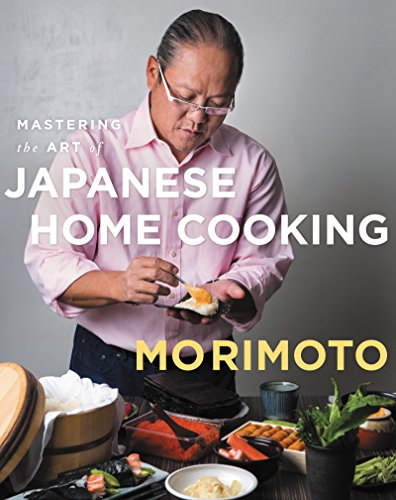
Masaharu Morimoto, raised in Hiroshima and with a storied career including executive chef roles at Nobu and his own acclaimed restaurants worldwide, brings his deep expertise to home kitchens in this book. Known from Iron Chef and his culinary empire, Morimoto shares how approachable Japanese cooking can be when you focus on a handful of key ingredients and techniques. His international experience and playful creativity make this book a credible and inspiring companion for anyone eager to explore Japanese flavors at home.
Masaharu Morimoto was raised in Hiroshima and opened his first restaurant in Japan. After moving to the United States, he was executive chef at the highly acclaimed Nobu restaurant in New York City, then opened his namesake restaurant, Morimoto, in Philadelphia, which he later expanded to New York. Morimoto’s restaurants now include Wasabi by Morimoto in Mumbai and New Delhi and Morimoto Sushi Bar in Boca Raton, Florida, as well as others in Napa, Mexico City, Maui, and Waikiki. Morimoto appeared on the Japanese television show Iron Chef and the Food Network’s Iron Chef America. He is the author of Morimoto: The New Art of Japanese Cooking.
What happens when a celebrated Iron Chef turns his attention to home cooking? Masaharu Morimoto demystifies Japanese cuisine, showing you how to create authentic, flavorful dishes without an intimidating ingredient list. You learn not just recipes, but the art of assembling a versatile pantry that unlocks hundreds of meals, from miso soup to lesser-known delicacies like sake-simmered fish. The book balances tradition with playful twists, such as a poke-inspired tuna bowl or upgraded furikake seasoning, revealing the subtle details that elevate ordinary cooking into something memorable. This is ideal if you're drawn to Japanese food but want a straightforward, inspiring guide to bring it into your kitchen.
Best for American home cooks learning authentic techniques
Audiobook version not available
Elizabeth Andoh’s At Home With Japanese Cooking opened new doors for American home cooks by introducing them to the nuanced world of Japanese culinary arts. This book’s approach goes beyond recipes, guiding you through techniques, equipment, and ingredients with clarity and care. It addresses the common gap for those unfamiliar with Japanese food by explaining the advantages of its high-protein, low-cholesterol style and providing imaginative recipes suited for the home kitchen. If you want to bring genuine Japanese flavors and methods into your cooking, this book lays a solid foundation to do just that.
1980·254 pages·Japanese Cooking, Cooking Techniques, Ingredients, Culinary Equipment, Recipe Development
Elizabeth Andoh's decades of immersion in Japanese culinary traditions led her to create a guide that demystifies the essence of this cuisine for American home cooks. You learn not just recipes but the careful techniques, essential tools, and key ingredients that define authentic Japanese cooking, such as mastering dashi broth and understanding the balance of flavors. The book carefully explains how to adapt these methods for your kitchen, making it ideal if you want to explore beyond sushi and tempura. Whether you’re a curious beginner or someone looking to deepen your appreciation of Japanese food culture, this book offers insights that extend beyond mere cooking instructions.
Japanese Cooking for the American Table stands out by bridging authentic Japanese culinary traditions with accessible guidance tailored for American kitchens. The book's structured approach, featuring over 150 recipes paired with detailed techniques, invites you to explore both classic and everyday Japanese dishes with clarity and confidence. Its proven appeal lies in helping cooks who want to move beyond superficial adaptations and truly engage with the cuisine's depth. Whether you’re a curious beginner or someone refining your skills, this book offers a thoughtful path to understanding and preparing Japanese food in a way that respects its heritage and fits your home kitchen.
1982·174 pages·Japanese Cooking, Recipes, Cooking Techniques, Home Cooking, Ingredient Preparation
Green's decades of culinary experience culminate in this guide that demystifies Japanese cooking for an American audience. You learn precise techniques and foundational skills through over 150 recipes, ranging from time-honored classics to approachable home-style dishes. The book's clear instructions and attention to authentic preparation help you gain confidence in navigating unfamiliar ingredients and methods. If you want to bring genuine Japanese flavors into your kitchen without being overwhelmed, this book offers the necessary tools and understanding. It’s especially useful if you appreciate methodical guidance rather than simply a collection of recipes.
The best Japanese Cooking books and more, in your inbox each week. No account needed.
Conclusion
This collection reflects clear themes: respect for tradition, practical techniques, and a celebration of Japanese food's cultural richness. If you prefer proven methods, start with Japanese Cooking: A Simple Art for foundational philosophy and Let's Make Ramen! for hands-on noodle mastery. For validated approaches blending authenticity with accessibility, combine Tokyo Cult Recipes and Mastering the Art of Japanese Home Cooking.
For those wanting a more customized learning path, you can create a personalized Japanese Cooking book that blends these proven methods with your unique tastes and expertise level. These widely-adopted approaches have helped many succeed in bringing genuine Japanese flavors into their homes.
Frequently Asked Questions
I'm overwhelmed by choice – which book should I start with?
Start with Japanese Cooking: A Simple Art for a deep understanding of Japanese culinary principles, or Let's Make Ramen! if you want a focused, approachable introduction to a beloved dish.
Are these books too advanced for someone new to Japanese Cooking?
Not at all. Many, like Mastering the Art of Japanese Home Cooking, balance authenticity with approachable techniques ideal for beginners.
What makes these books different from others on Japanese Cooking?
These titles are recommended by experts known for their real-world culinary achievements, reflecting both tradition and practical home cooking success.
Do I really need to read all of these, or can I just pick one?
You can pick a book that matches your interests, but reading multiple offers broader insight—from ramen to bento to regional specialties.
Which book gives the most actionable advice I can use right away?
Let's Make Ramen! and Tokyo Cult Recipes provide clear step-by-step recipes that you can try immediately in your kitchen.
Can I get a book tailored to my specific Japanese Cooking goals?