Congratulations! 🎉
"Clean Architecture" by Robert Martin made it to BookAuthority's Best Software Architecture Books of All Time!
10 Software Architecture Books That Separate Experts from Amateurs
Insights from Marty Cagan, Don Robins, and Andrew Fawcett reveal top Software Architecture Books for mastering scalable, resilient, and strategic systems
Software architecture spans many kinds of work, and this list covers several of them. Some books address broad foundations, such as Software Architecture in Practice and Clean Architecture. Others focus on distributed systems, including Building Microservices and Software Architecture: The Hard Parts. Some are tied to a specific platform or language, such as Salesforce Platform Enterprise Architecture and Architecture Patterns with Python. Others look at scaling organizations and keeping software stable in production. creating a personalized Software Architecture book
1. Salesforce Platform Enterprise Architecture
Recommended by Don Robins
Salesforce MVP (HofF) and Certified Instructor
“Andrew Fawcett's book on Salesforce Platform Enterprise Architecture is a must-read for developers and architects. It offers a deep dive into architecting and implementing enterprise-scale applications using current platform features and best practices. Andrew's experience as a CTO and his work with Apex and Salesforce provide valuable insights. The book covers topics like Salesforce Developer Experience, key platform features, traditional software development patterns, governor limits, and DevOps. It offers a comprehensive understanding of the Salesforce platform and provides an architectural approach for success in building scalable and maintainable systems.” (from Amazon)

This guide covers enterprise-grade application design on the Salesforce Platform. It includes patterns such as separation of concerns, unit of work, domain-driven programming, services, unit testing and dependency injection, along with Lightning Web Components, Heroku and OpenAPI services. Don Robins recommends Salesforce Platform Enterprise Architecture - Fourth Edition: A must-read guide to help you architect and deliver packaged applications for enterprise needs.
2. Art of Scalability, The
Recommended by Marty Cagan
Partner at Silicon Valley Product Group
“This book is much more than you may think it is. Scale is not just about designing Web sites that don’t crash when lots of users show up. It is about designing your company so that it doesn’t crash when your business needs to grow. These guys have been there on the front lines of some of the most successful Internet companies of our time, and they share the good, the bad, and the ugly about how to not just survive, but thrive.” (from Amazon)

This book treats scalability as a matter of architecture, process, people and organization as well as technology. It covers organizational structure, hyper-growth processes, cloud transitions, NoSQL, DevOps and business metrics. Marty Cagan recommends Art of Scalability, The: Scalable Web Architecture, Processes, and Organizations for the Modern Enterprise.
The Software Architecture Blueprint

This tailored software architecture book provides a personalized framework that sharpens your understanding of architectural design, patterns, and best practices aligned with your experience level and project goals. It focuses on balancing scalability, resilience, and maintainability while addressing your specific industry challenges and technology stack. The book guides you through decision-making processes, trade-off analyses, and practical implementation strategies that fit your unique context. By cutting through generic advice, it offers targeted insights on modular design, cloud integration, and evolving architecture paradigms. This personalized approach ensures you develop a practical blueprint for building robust software systems that meet your exact needs.
3. Software Architecture in Practice

This book explains what software architecture is, why it matters, and how to design, analyze, evolve and manage it. It addresses quality attributes such as performance, security, availability, testability and deployability, along with cloud, mobility and quantum computing.
4. Release It!

This book focuses on building systems that run longer, fail less often and recover better. It covers stability antipatterns, DevOps, microservices, cloud-native architecture, chaos engineering and zero-downtime upgrades.
5. Building Microservices

This book takes a holistic view of building, managing and scaling microservices architectures. It covers modeling, integration, testing, deployment, monitoring, security, user interfaces, container orchestration and serverless.
Architecture Mastery

This personalized book offers a step-by-step 30-day plan designed to rapidly enhance your software architecture skills through targeted daily tasks. It provides a tailored framework that focuses on core architectural principles, best practices for scalable and resilient systems, and practical implementation strategies relevant to your background and goals. The book cuts through generic advice by honing in on rapid, actionable steps aligned with your current expertise and desired outcomes. Readers gain insights into architectural trade-offs, design patterns, and system evaluation methods, all within a structured timeline that encourages consistent progress and skill integration tailored to your specific context.
6. Strategic Monoliths and Microservices

This book helps business decision-makers and technical teams choose between distributed microservices, well-modularized monoliths and middle-ground services based on need rather than hype. It also covers redesigning tangled legacy systems and linking architecture planning to business innovation.
7. Architecture Patterns with Python
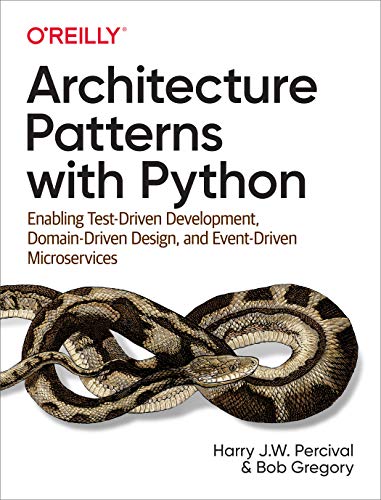
This hands-on guide brings high-level architecture patterns into idiomatic Python. Topics include hexagonal or clean architecture, domain-driven design aggregates, the Repository and Unit of Work patterns, the message bus, CQRS and event-driven microservices.
8. Software Architecture
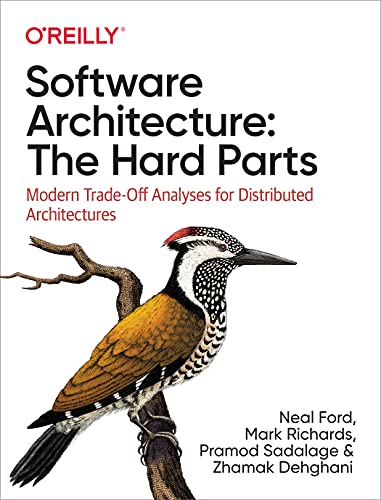
This book examines difficult distributed architecture problems that have no clear best practice, and it frames them as trade-offs. It covers service granularity, breaking apart monoliths, contracts, distributed data, workflows and transactions, all told through a fictional team story.
9. Clean Architecture

This book presents design principles for function, component separation and data management. It also covers boundaries, layers, and why architectures go wrong, with structures for web, database, console and embedded applications.
10. Solutions Architect's Handbook

This handbook covers solution architecture from design principles and patterns through cloud-native architecture, data engineering, mainframe modernization and generative AI. It focuses on building secure, reliable and cost-efficient AWS architectures.
Enjoying these picks?
The best Software Architecture books and more, in your inbox each week. No account needed.
Conclusion
Readers who want broad foundations can begin with Software Architecture in Practice or Clean Architecture. Readers already working with distributed systems may prefer Building Microservices or Software Architecture: The Hard Parts. Those working within a specific stack can turn to Architecture Patterns with Python or Salesforce Platform Enterprise Architecture. create a personalized Software Architecture book
Frequently Asked Questions
I'm overwhelmed by choice – which book should I start with?
Start with Software Architecture in Practice for a solid foundation in architectural principles and analysis. It offers practical methods that apply across many projects, helping you build a strong base before diving into specialized topics.
Are these books too advanced for someone new to Software Architecture?
Not at all. Books like Clean Architecture break down complex ideas into approachable principles, making them accessible to newcomers while still offering depth for experienced practitioners.
What's the best order to read these books?
Begin with foundational texts like Software Architecture in Practice and Clean Architecture. Then explore focused topics such as microservices with Building Microservices and strategic decisions with Strategic Monoliths and Microservices. Finally, dive into scaling and resilience with The Art of Scalability and Release It!.
Do I really need to read all of these, or can I just pick one?
You can pick based on your immediate needs. However, the books complement each other—combining strategic, practical, and technical perspectives—to give a more complete understanding of software architecture.
Which books focus more on theory vs. practical application?
Software Architecture in Practice leans toward theory and frameworks, while Release It! and Building Microservices provide hands-on techniques and real-world examples for practical implementation.
Can I get targeted insights without reading multiple full books?
Yes. While these expert books offer deep insights, you can also create a personalized Software Architecture book tailored to your experience level, interests, and goals—delivering focused, actionable guidance without the need to read multiple full texts.
Help fellow book lovers discover great books, share this curated list with others!
Related Articles You May Like
Explore more curated book recommendations