Congratulations! 🎉
"Soil Science for Gardeners" by Robert Pavlis made it to BookAuthority's Best Soil Science Audiobooks of All Time!
Thinking about your next book? Answer a few questions and get a complete AI-written draft in minutes.
7 Soil Science Books That Will Transform Your Land
Insights from Daniel Mays, Lee Reich, Darren Doherty, and other soil science experts
Create a Soil Science course with AI
Generate a personalized AI-powered course, tailored to your goals and topics of interest
What if the secret to thriving plants, sustainable farming, and healing ecosystems lies just beneath your feet? Soil science is often overlooked, yet it’s the foundation of our food systems and a critical factor in environmental health. Unraveling the mysteries of soil biology, chemistry, and structure can transform how you grow, farm, or simply nurture the earth.
Renowned practitioners like Daniel Mays, manager of Frith Farm, and Lee Reich, author of The Ever Curious Gardener, have long championed understanding soil’s living systems. Mays credits "The Complete Guide to Restoring Your Soil" for reshaping his approach to regenerative farming, while Reich praises Robert Pavlis’ "Soil Science for Gardeners" for its clarity and practical guidance. Meanwhile, Darren Doherty, author of The Regrarians Handbook, highlights "Regenerative Soil" as a pivotal resource linking science to real-world practice.
While these expert-curated books provide proven frameworks, readers seeking content tailored to their specific climate, soil type, or cultivation goals might consider creating a personalized Soil Science book that builds on these insights. This approach helps bridge expert knowledge with your unique context, accelerating your learning and impact.
1. Soil Science for Gardeners
Recommended by Lee Reich
Author, The Ever Curious Gardener
“Good gardens start from the ground up. In Soil Science for Gardeners, Robert Pavlis tells what's going on in soils and then offers practical directions to manage soil for more productive and healthier plants.”

Drawing from over 40 years nurturing his own botanical garden, Robert Pavlis dives deep into the living world beneath your feet in this guide. You learn how to decode the rhizosphere—the delicate zone where roots and soil life interact—and craft a soil fertility plan tailored to your garden’s unique needs. Chapters explain soil biology, chemistry, and common fertility issues, making complex science approachable without losing rigor. This book suits home gardeners and market growers who want to truly understand and improve their soil rather than rely on guesswork or quick fixes.
2. The Complete Guide to Restoring Your Soil
Recommended by Daniel Mays
Manager of Frith Farm and author
“A comprehensive, clear, and practical guide for growers of every scale. A must-read for anyone who cares for soil.”

The methods Dale Strickler developed while managing diverse farms and ranches bring practical depth to soil restoration. He explains why soil degradation matters beyond farming, touching on food scarcity and environmental impacts. You gain insights into soil chemistry, biology, and physical properties, alongside time-tested practices like cover cropping and permaculture that actually rebuild soil health. Specific chapters explore ancient chinampa systems and modern regenerative techniques, offering you concrete examples to apply. If you’re involved in agriculture or land management, this book lays out what it takes to nurture soil life effectively.
Soil Science Mastery Blueprint
This personalized book explores the intricate world of soil science tailored to your unique interests and goals. It examines soil properties, biology, chemistry, and physical characteristics with a focus that matches your background and desired outcomes. Through a tailored synthesis of foundational concepts and practical applications, the book reveals how soil health influences plant growth, ecosystem vitality, and sustainable land management. By addressing your specific questions and objectives, it guides you on a personalized journey to master soil science efficiently and meaningfully, combining expert knowledge with contextual relevance for deeper understanding and better results.
3. Regenerative Soil
Recommended by Darren Doherty
Author of The Regrarians Handbook
“Regenerative Soil is Matt Powers' best book yet. Matt's unique gifts as a communicator and teacher have shone through in this jam-packed piece and Regrarians highly recommends this book to anyone who eats, buys or grows”

Drawing from his background as an educator and citizen scientist, Matt Powers crafted this updated edition to bridge scientific insight with practical soil regeneration. You’ll learn detailed nutrient cycles, soil biology, and how to apply regenerative practices across climates and scales—from gardening to large-scale remediation. The book breaks down complex soil chemistry and biochemistry into understandable concepts, helping you grasp why soil health underpins plant, animal, and human vitality. Whether you’re a farmer, gardener, or environmentalist, it equips you with the knowledge to transform degraded soils into thriving ecosystems.
4. Soil Science Simplified, Fifth Edition
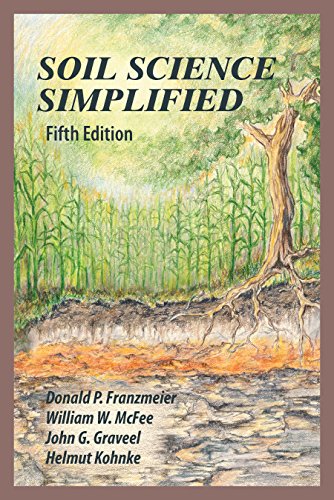
Donald P. Franzmeier and his co-authors leverage their combined century of teaching experience to demystify soil science in this fifth edition. You’ll find clear explanations of soil classification, genesis, and morphology paired with contemporary topics like soil mineralogy and moisture regimes. The book includes updated insights on soil survey methods and the direct impact of soil management on water quality, making it a practical guide for students and professionals. Particularly useful are chapters that connect soil properties to environmental concerns, helping you grasp both foundational science and current applications.
5. Building Soil

Elizabeth Murphy's deep background in soil science, bolstered by her master's degree from UC Davis and hands-on experience teaching at Oregon State University, shapes this accessible guide to gardening that starts with the soil itself. You gain a clear understanding of soil health indicators, practical ways to improve your soil's organic content, and environmentally conscious approaches to fertilizing, tilling, and irrigation. Murphy's advice suits anyone from backyard gardeners to small-scale farmers seeking to nurture productive, sustainable gardens without complex jargon or heavy labor. Chapters on managing weeds naturally and building soil biology illustrate how to cultivate thriving plants by enhancing the living system beneath them, making this an insightful read if you want to garden with nature rather than against it.
30-Day Soil Health Accelerator

This tailored book explores practical approaches to rapidly enhance soil vitality within just 30 days. It covers essential soil biology, nutrient cycles, and soil chemistry concepts, while providing a personalized pathway that matches your specific soil type and cultivation goals. The content focuses on actionable steps and examines how to swiftly improve soil structure, microbial activity, and organic matter content. By tailoring the material to your background and interests, this book enables you to concentrate on the most relevant practices and fast-track your soil health improvements effectively. The synthesis of expert knowledge with your unique context ensures a learning experience that is both focused and deeply informative.
6. Soils

Randall J. Schaetzl's extensive academic career in geography and geosciences shapes this detailed examination of soil genesis and geomorphology. You gain a solid foundation in soil morphology, mineralogy, chemistry, physics, and biology before diving into advanced discussions on soil parent materials, soil mixing, and paleoenvironmental reconstruction methods. The book stands out by deeply exploring soil formation processes and landscape change, supported by over 550 illustrations and a thorough glossary. If you're aiming to understand soils in a global context or engage with both textbook and research-level content, this work offers the depth and clarity to benefit students and professionals alike.
7. A Soil Owner's Manual

Jon Stika, drawing on decades of hands-on experience as a farmer, soil scientist, and educator, challenges the typical approach of constantly amending soil with chemicals. Instead, he guides you to understand soil as a living system, teaching you how to restore its natural functions to solve issues like erosion, compaction, and nutrient deficiencies. The book breaks down complex biology and soil processes into accessible concepts, making it clear how working with nature reduces reliance on costly inputs. Whether you manage large farms or small gardens, you'll find practical frameworks in chapters explaining soil biology and conservation principles that can transform your approach and yield healthier soil.
Enjoying these picks?
The best Soil Science books and more, in your inbox each week. No account needed.
Conclusion
The seven books featured here weave together clear science, practical experience, and regenerative principles that address soil’s complexity. They emphasize themes of nurturing living soil, understanding soil formation processes, and applying sustainable methods for long-term productivity.
If you’re just starting out, "Soil Science Simplified, Fifth Edition" offers a solid foundation. For gardeners, "Soil Science for Gardeners" and "Building Soil" deliver accessible, actionable advice. Farmers and land managers aiming for regeneration will find "The Complete Guide to Restoring Your Soil" and "Regenerative Soil" invaluable. Those seeking deeper academic insights into soil formation should turn to "Soils" by Schaetzl.
For rapid, personalized application, combine these trusted works with a custom Soil Science book tailored to your soil conditions, goals, and experience. These books can help you accelerate your learning journey and foster soil health that supports thriving ecosystems and resilient food systems.
Frequently Asked Questions
I'm overwhelmed by choice – which book should I start with?
Start with "Soil Science for Gardeners" if you garden or want practical soil health tips. For a broader farming perspective, "The Complete Guide to Restoring Your Soil" offers hands-on regenerative methods. Both are approachable and highly recommended by growers like Daniel Mays and Lee Reich.
Are these books too advanced for someone new to Soil Science?
Not at all. "Soil Science Simplified, Fifth Edition" is designed for learners at all levels. It breaks down core concepts clearly. Books like "Building Soil" also provide accessible guidance for beginners wanting to improve garden soil naturally.
What's the best order to read these books?
Begin with foundational titles like "Soil Science Simplified" to grasp basics, then explore practical guides such as "Soil Science for Gardeners" or "Building Soil." Finally, dive into specialized works like "Regenerative Soil" or "Soils" for deeper scientific understanding and regenerative strategies.
Do these books focus more on theory or practical application?
They balance both. "Soil Science Simplified" and "Soils" lean toward theory and scientific principles, while "Building Soil" and "The Complete Guide to Restoring Your Soil" emphasize practical, actionable techniques for soil health and restoration.
Can I skip around or do I need to read them cover to cover?
You can definitely skip around based on your needs. Many readers dive directly into chapters that address their immediate challenges, especially in books like "The Complete Guide to Restoring Your Soil" which is structured for practical consultation.
How can I get soil science advice tailored to my specific situation?
Great question! While these expert books offer solid foundations, personalized content can bridge the gap between general principles and your unique soil conditions or goals. You might consider creating a personalized Soil Science book tailored just for you, combining expert insights with your context for faster, more relevant learning.
Help fellow book lovers discover great books, share this curated list with others!
Related Articles You May Like
Explore more curated book recommendations