"Interventional Radiology" by David Kessel MB BS MA MRCP FRCR EBIR, Iain Robertson MB ChB MRCP FRCR made it to BookAuthority's Best Specialty eBooks of All Time!
10 Specialty Books That Separate Experts from Amateurs
Neurosurgeon Michael Lawton and leading specialists recommend these Specialty Books to deepen your expertise and clinical confidence.
Updated on June 23, 2025·We may earn commissions for purchases made via this page
7 of 10 books have Kindle versions
We're launchingLaunching on Product Hunt today 🎉We just launchedJust launched on Product Hunt 🎉
Modelpeers, from the BookAuthority teamFrom the BookAuthority team: Modelpeers, a free way to follow AI models and agents like you follow people. We'd love your support.
What if I told you that mastering a medical specialty often hinges on choosing the right books? Specialty fields, with their intense complexity and rapid evolution, demand resources that cut through noise to deliver clear, actionable knowledge. Today, Specialty medicine stands at a crossroads, with experts like neurosurgeon Michael Lawton underscoring the importance of focused learning tools that respect the pressure and pace clinicians face.
Michael Lawton, known for training the next generation of neurosurgeons, emphasizes how brevity and clarity can make or break a specialist's education. His endorsement of Neurosurgery Fundamentals highlights a quest to distill overwhelming material into digestible essentials. Similarly, leading voices in orthopaedics and psychiatry have contributed their perspectives, shaping this collection into a practical guide for specialty mastery.
While these expert-curated books provide proven frameworks, readers seeking content tailored to their specific specialty interests, background, and goals might consider creating a personalized Specialty book that builds on these insights. This approach offers focused learning perfectly aligned with your unique journey in medicine.
Michael Lawton, a neurosurgeon with direct experience training medical students and residents, emphasizes how brevity matters in neurosurgical education. After facing the challenge of condensing vast knowledge, he found this book distills essential topics like neurological exams and anatomy in a clear, focused way. He shares, "I know from my own experience that brevity is essential to be relevant to medical students and residents, and [Neurosurgery Fundamentals] distills the basics of history, neurological examination, anatomy, radiology, and the operating room." This book helped him appreciate a streamlined approach for quick assimilation of core content. Similarly, Biz India highlights its compact size and practical fit for neurosurgeons at all stages, reinforcing its role as a go-to portable resource.
“I know from my own experience that brevity is essential to be relevant to medical students and residents, and [Neurosurgery Fundamentals] distills the basics of history, neurological examination, anatomy, radiology, and the operating room.”
Nitin Agarwal, M.D., is a resident and enfolded spine fellow at the University of Pittsburgh Medical Center, Department of Neurological Surgery. His funded research interests focus on improving patient education to optimize clinical outcomes. To date, he has published over 150 peer-reviewed articles and 10 book chapters with over 100 oral and poster presentations at national conferences. Dr. Agarwal also maintains an active role in organized neurosurgery advocating for medical student education. Outside of medicine, Dr. Agarwal is deeply dedicated to martial arts, specifically the disciplines of Taekwondo, Krav Maga, and Jiu-Jitsu.
2025·598 pages·Specialty, Neurosurgery, Neuroanatomy, Neurocritical Care, Neuroradiology
What started as Dr. Nitin Agarwal's pursuit to streamline neurosurgical education became a focused guide for medical students and residents overwhelmed by the specialty's complexity. You’ll find a structured roadmap through essential neurosurgical knowledge, from neuroanatomy and radiology to neurocritical care and operative techniques, with chapters like 'Advice from the Masters' offering insights from leading neurosurgeons. This book equips you with concise overviews and high-yield resources, helping you grasp critical concepts quickly, whether you’re preparing for exams or clinical practice. If you’re seeking a portable, no-frills reference to navigate neurosurgery fundamentals, this book fits that need well.
Best for anesthesiology learners needing practical insights
Kindle version available
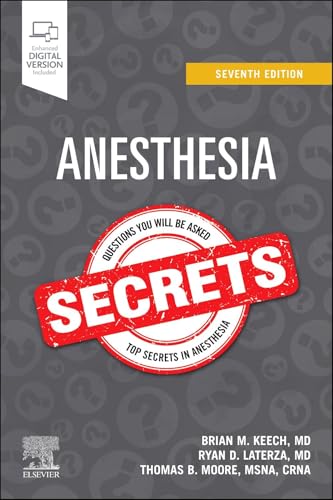
Brian M. Keech is a Staff Anesthesiologist at Denver Health Medical Center and a Pediatric Anesthesiologist at Children’s Hospital of Colorado, also serving as Associate Professor at the University of Colorado School of Medicine. His extensive clinical and educational experience grounds this book, which distills complex anesthesiology topics into an accessible, question-and-answer style designed for both quick reference and exam preparation. This background ensures that the book offers you authoritative insights into evolving protocols and practical techniques essential for anesthesia practice today.
Brian M. Keech is a Staff Anesthesiologist at Denver Health Medical Center and a Pediatric Anesthesiologist at Children’s Hospital of Colorado. He serves as an Associate Professor of Anesthesiology at the University of Colorado School of Medicine in Denver, Colorado. His extensive experience in anesthesiology and education makes him a respected figure in the field.
Unlike most specialty texts that overwhelm with dense content, this book uses a streamlined question-and-answer format that makes anesthesiology accessible and manageable. Drawing from decades of clinical and teaching experience, the authors provide you with concise insights into everything from perioperative ultrasound to nerve blocks, highlighted by practical mnemonics and updated protocols. You’ll find chapters that sharpen your ECG interpretation and deepen your understanding of cardiac physiology, all framed for quick recall during exams or clinical care. If you’re a medical student or practitioner needing focused, up-to-date anesthesia knowledge without wading through jargon, this book fits that need precisely.
This AI-created book on specialty mastery is crafted based on your clinical background, experience level, and specific areas of interest within your specialty. By sharing your goals and preferred sub-topics, you receive a personalized guide focusing on the foundational concepts most relevant to your practice. Unlike generic texts, this tailored book concentrates on what matters to you, streamlining your learning journey with focused content that respects your unique professional context.
TailoredRead AI creates personalized nonfiction books that adapt to your unique background, goals, and interests. Instead of reading generic content, you get a custom book written specifically for your profession, experience level, and learning objectives. Whether you're a beginner looking for fundamentals or an expert seeking advanced insights, TailoredRead crafts a book that speaks directly to you. Learn more.
This personalized Specialty Blueprint provides a tailored approach to mastering foundational specialty concepts, focusing on essential clinical knowledge and core principles relevant to your specific medical field. It offers targeted insights into specialty-focused diagnostics, procedural basics, and critical decision-making strategies, cutting through generic advice to fit your clinical context. By integrating personalized content on anatomy, pathology, patient management, and specialty-specific interventions, the book addresses your unique learning needs and professional goals. This tailored framework helps you navigate complex material efficiently, emphasizing practical application within your specialty rather than broad theoretical coverage.
Best for neurosurgeons requiring comprehensive reference
Kindle version not available
Mark Greenberg, born in Chicago and trained in electrical engineering and medicine at Northwestern University, began developing this neurosurgery handbook during his residency in 1983. His motivation grew from a need to distill complex neurosurgical information into an accessible format, initially working on an early IBM PC. His long-standing commitment resulted in this ninth edition, now a staple for neurosurgical care professionals, featuring extensive updates and practical tools for day-to-day clinical use.
Mark Greenberg (1955- ) was born in Chicago, Illinois. He majored in electrical engineering in college and attended Northwestern University Medical School. During his cardiovascular surgery rotation, he was inspired to create a neurosurgery handbook. He began his neurosurgical residency in 1983 and started working on the Handbook of Neurosurgery on an early IBM PC. The first edition was published in 1990, and he partnered with Thieme Medical publishers for the 5th edition in 2005. The latest edition is packed with essential information for neurosurgical care.
Unlike most medical specialty books that scatter information across multiple texts, Mark S. Greenberg’s Handbook of Neurosurgery consolidates an extraordinary range of neurosurgical knowledge into one accessible volume. Drawing from decades of clinical experience and meticulous scholarship, Greenberg offers you detailed anatomy, physiology, diagnostic criteria, and management guidelines for neurological disorders across all age groups. You’ll find clear boxed summaries, extensive tables, and updated tumor treatment sections that make complex topics manageable. The book suits neurosurgeons and allied health practitioners seeking a reliable, go-to reference for everyday clinical decisions, not those looking for a purely academic or research-heavy tome.
Best for orthopaedic exam preparation and clinical review
Kindle version not available
The Bone & Joint Journal, a leading orthopaedics publication, recommends this book as "an outstanding review manual." Their endorsement carries weight for anyone serious about orthopaedic specialty exams. This recommendation highlights how Miller's Review of Orthopaedics helped clinicians and trainees alike by organizing complex material into an accessible format, which has transformed exam preparation and reinforced clinical knowledge.
Mark D. Miller MD, Stephen R. Thompson MD MEd FRCSC(you?)·
About the Author
Stephen R. Thompson, MD, MEd, FRCSC is a sports medicine orthopaedic surgeon at Northern Light Orthopedics. He completed his medical school at the University of Sydney, Residency at University of Maryland and Fellowship at the Fowler-Kennedy Sport Medicine Clinic in London, Ontario and then his second at the Oakville Sports Injury Clinic in Oakville, Ontario. Dr. Thompson is a recognized expert in sports medicine. He is the Co-Editor-in-Chief of the widely used and highly respected reference textbook DeLee and Drez’s Orthopaedic Sports Medicine. Dr. Thompson has spent a significant time studying medical education and standardized testing. He has applied this knowledge in his role as the Editor-in-Chief of Miller's Review of Orthopaedics.
2015·904 pages·Orthopaedics, Specialty, Medical Education, Exam Preparation, Imaging
When Mark D. Miller and Stephen R. Thompson developed Miller's Review of Orthopaedics, they aimed to create a resource that goes beyond typical exam prep by focusing on the most-tested topics in orthopaedics with clarity and precision. You learn to navigate complex anatomy, imaging, and pathology through concise, bulleted text, full-color illustrations, and expertly crafted multiple-choice questions aligned with board standards. This book benefits residents and practicing orthopaedic surgeons preparing for certification or recertification, offering updated sections on spine, tumors, and recent advances that sharpen both knowledge and test-taking skills. Chapters on femoroacetabular impingement and spine trauma reflect current clinical priorities, making it relevant for clinical practice as well as exams.
Best for psychiatrists managing medically ill patients
Kindle version not available
James L. Levenson, M.D., holds distinguished positions as Professor of Psychiatry, Medicine, and Surgery, and leads the Division of Consultation-Liaison Psychiatry at Virginia Commonwealth University. His deep clinical and academic expertise shaped this textbook, which reflects his commitment to bridging psychiatry and medicine. This work serves as a key resource for clinicians needing comprehensive knowledge of psychiatric care within complex medical contexts.
James L. Levenson, M.D., is Professor of Psychiatry, Medicine, and Surgery; Chair of the Division of Consultation-Liaison Psychiatry; and Vice-Chair of Psychiatry at the Virginia Commonwealth University School of Medicine in Richmond, Virginia.
When James L. Levenson, M.D., recognized the growing complexity of psychiatric care in medically ill patients, he aimed to create a definitive guide addressing this intersection. Drawing from his extensive roles in psychiatry, medicine, and surgery, Levenson compiles diverse perspectives and up-to-date research on psychosomatic medicine and consultation-liaison psychiatry. You gain detailed insights into evaluating and managing psychiatric symptoms in medical settings, understanding psychological responses to illness, and applying treatments like psychopharmacology and neurostimulation. This text is tailored for psychiatry residents, fellows, and clinicians who require a thorough, evidence-based resource on psychiatric care within complex medical environments.
This personalized AI book about specialty mastery is created based on your current skills, professional background, and the specialty you want to excel in. You share which clinical areas and daily practices matter most, along with your growth goals, and the book is written to provide practical, focused daily steps to help you advance quickly. Personalization here ensures you get a plan that respects your time constraints and builds exactly the skills you need for real-world impact.
TailoredRead AI creates personalized nonfiction books that adapt to your unique background, goals, and interests. Instead of reading generic content, you get a custom book written specifically for your profession, experience level, and learning objectives. Whether you're a beginner looking for fundamentals or an expert seeking advanced insights, TailoredRead crafts a book that speaks directly to you. Learn more.
2026·50-300 pages·Specialty, Specialty Mastery, Daily Guidance, Skill Development, Clinical Practice
This personalized 30-Day Specialty Mastery book provides a tailored approach to rapid skill development in your chosen medical specialty. It focuses on delivering concise, step-by-step daily guidance designed to accelerate your practical expertise and clinical confidence. The book cuts through generic advice by concentrating solely on the actions and knowledge that align with your background, proficiency level, and specific specialty goals. By integrating targeted practice routines, critical decision-making exercises, and specialty-specific case reviews, this tailored framework ensures efficient mastery without overwhelming you with extraneous information. It bridges the gap between expert principles and your unique clinical context, making skill acquisition both actionable and relevant.
Best for pediatric orthopaedists honing decision skills
Kindle version available
Benjamin Joseph, MS (Orth), MCh Orth, FRCS Ed, serves as adjunct professor of paediatric orthopaedics at Christian Medical College, Vellore, India, and consultant surgeon at Aster Medcity, Kochi. His extensive clinical and academic experience in pediatric orthopedics grounds this book, born from years of refining decision-making processes in complex cases. His expertise ensures the book offers readers a practical, structured approach to managing a broad range of pediatric orthopedic conditions, balancing scientific evidence with patient-centered considerations.
Benjamin Joseph, Selvadurai Nayagam, Randall Loder, Ian Torode(you?)·
About the Author
Benjamin Joseph, MS (Orth), MCh Orth, FRCS Ed, adjunct professor of paediatric orthopaedics, Christian Medical College, Vellore, India; and consultant paediatric orthopaedic surgeon Aster Medcity, Kochi, India
Mastering pediatric orthopedics requires blending deep knowledge, surgical skill, and critical judgment, and this book zeroes in on clinical decision-making as the linchpin. Benjamin Joseph and his coauthors, all seasoned specialists, guide you through 73 key topics, offering frameworks to tailor treatments to individual children's needs. You'll find detailed decision trees addressing medical and social factors, with updated color illustrations enhancing clarity. Whether you're a surgeon refining judgment or a clinician seeking structured approaches, this book equips you with practical ways to navigate complex pediatric orthopedic cases.
Best for interventional radiologists mastering procedures
Kindle version available
David Kessel is a renowned expert in interventional radiology, holding multiple medical degrees and certifications, including MB BS, MA, MRCP, FRCR, and EBIR. His extensive experience and contributions to the field inspired this guide, which aims to provide clear, concise instruction for clinicians performing diagnostic and therapeutic procedures. With an emphasis on interventional oncology and practical troubleshooting, the book connects Kessel's expertise directly to the needs of practitioners seeking dependable clinical guidance.
David Kessel MB BS MA MRCP FRCR EBIR, Iain Robertson MB ChB MRCP FRCR(you?)·
About the Author
David Kessel is a renowned expert in interventional radiology, holding multiple medical degrees and certifications, including MB BS, MA, MRCP, FRCR, and EBIR. He has extensive experience in the field and has contributed significantly to medical literature, particularly in interventional procedures.
When David Kessel first discovered the practical challenges faced during interventional radiology procedures, he set out to create a resource that cuts through complexity with clarity. This book breaks down essential skills and equipment, offering detailed guidance on both vascular and non-vascular interventions, with a notable focus on interventional oncology. You’ll find nearly 300 diagrams and tip boxes that clarify anatomy and technique, along with troubleshooting advice for common pitfalls. It’s designed for clinicians who want a reliable manual to navigate this specialized field safely and confidently.
Best for trainees building interventional radiology fundamentals
Kindle version available
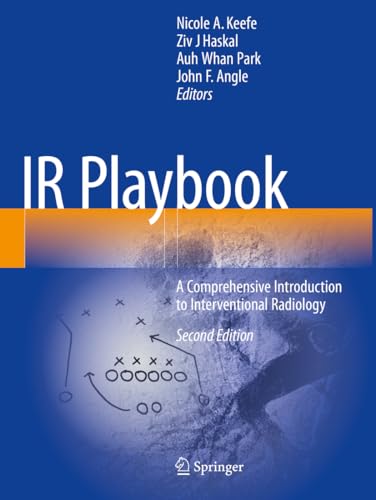
Nicole A. Keefe, MD is a resident at the University of Virginia's Department of Radiology and Medical Imaging, joined by renowned experts like Ziv J Haskal, MD, a tenured professor and fellowship director. Their combined expertise in interventional radiology formed the backbone of this book, designed to guide you through this dynamic specialty. Their goal was to create a resource that not only introduces core concepts but also prepares you for the practical challenges of IR practice.
Nicole A. Keefe, Ziv J Haskal, Auh Whan Park, John F. Angle(you?)·
About the Author
Nicole A. Keefe, MD is a Resident in the Department of Radiology and Medical Imaging at the University of Virginia. Ziv J Haskal, MD, FSIR, FAHA, FACR FCIRSE, FBSIR is a world renowned tenured Professor of Radiology and Interventional Radiology Fellowship Director at the University of Virginia, Department of Medical Imaging. Auh Whan Park, MD is an associate professor in the Division of Vascular and Interventional Radiology in the Department of Radiology and Medical Imaging at the University of Virginia. John F. Angle, MD is the Director of the Division of Vascular and Interventional Radiology in the Department of Radiology and Medical Imaging at the University of Virginia.
Unlike most specialty textbooks that focus narrowly on theory, this book offers a hands-on introduction to interventional radiology that bridges foundational knowledge with clinical application. It walks you through radiation safety, patient care, and key devices before diving into detailed procedures organized by body area and condition, making complex interventions accessible. For example, chapters on vascular interventions not only explain pathophysiology but also alternative treatments and procedural techniques, helping you understand both why and how. Whether you're a medical student or trainee preparing for IR/DR residencies, it builds a solid skill set that aligns with the field's evolving demands.
Best for clinicians needing practical dermatology guidance
Kindle version available
Dr. Jean Bolognia, a leading figure in dermatology with extensive leadership roles including President of the Medical Dermatology Society and Secretary-General of the International League of Dermatological Societies, brings unparalleled expertise to this work. Her commitment to distilling complex dermatologic knowledge into a practical, user-friendly resource reflects her dedication to improving clinical practice. This book leverages her authoritative background to offer a streamlined yet detailed guide, making it an invaluable asset for healthcare professionals managing skin diseases daily.
Jean L. Bolognia MD, Julie V. Schaffer MD, Karynne O. Duncan MD, Christine Ko MD(you?)·
About the Author
Dr. Jean Bolognia is the senior editor of the textbook Dermatology, which is now in its fourth edition, and Dermatology Essentials. Jean has served as President of the Medical Dermatology Society, the Women’s Dermatologic Society, and the American Dermatological Association, in addition to serving as Vice-President of the Society of Investigative Dermatology, the American Board of Dermatology, and the International Society of Dermatology. She has also been elected to serve on the Board of Directors of the American Academy of Dermatology and the International League of Dermatological Societies. In the latter organization, she currently serves as Secretary-General.
When Dr. Jean Bolognia first recognized the need for a concise yet thorough dermatology reference, she crafted Dermatology Essentials to bridge the gap between voluminous textbooks and practical clinical use. This edition distills crucial diagnostic and treatment information into an accessible format rich with over 1,800 clinical images and clear algorithms, enabling you to swiftly identify and manage a broad spectrum of skin conditions. Chapters on basic principles and bedside diagnostics equip you with foundational knowledge that supports confident decision-making in everyday practice. Whether you're a family medicine physician or nurse practitioner, this book offers the focused insights necessary to enhance your dermatologic care without overwhelming detail.
Best for medical students learning dermatology basics
Kindle version available
David Gawkrodger, Professor Emeritus in Dermatology at the University of Sheffield, along with Michael R. Ardern-Jones, Associate Professor and Consultant Dermatologist at the University of Southampton, bring decades of clinical and teaching experience to this work. Their combined expertise ensures the book addresses both foundational science and practical clinical care, making it a trusted guide for those entering or advancing in dermatology. This depth of knowledge supports you in navigating complex dermatological conditions with confidence.
David Gawkrodger DSc MD FRCP FRCPE, Michael R. Ardern-Jones BSc MBBS FRCP DPhil(you?)·
About the Author
David Gawkrodger is Professor Emeritus in Dermatology at University of Sheffield, Royal Hallamshire Hospital, Sheffield, UK. He has extensive experience in dermatology education and practice, contributing significantly to the field through his research and publications. Michael R. Ardern-Jones is Associate Professor and Consultant Dermatologist at the University of Southampton, Southampton General Hospital, Southampton, UK.
When David Gawkrodger and Michael R. Ardern-Jones combined their extensive dermatology expertise, they created a resource tailored to the needs of medical students and practitioners alike. This book breaks down dermatology into concise two-page learning units, each packed with vivid clinical photographs and clear explanations that reinforce understanding. You’ll find chapters covering everything from molecular skin biology to the latest in biologic therapies and surgical techniques, including guidance on emergencies and psychodermatology. It’s a focused tool for anyone wanting to grasp dermatology fundamentals and stay current with evolving treatments.
The best Specialty books and more, in your inbox each week. No account needed.
Conclusion
These 10 Specialty books reveal a few clear themes: streamlined clarity beats overload, practical decision-making underpins clinical excellence, and expert insight bridges theory with real-world application. If you’re navigating neurosurgery’s vast terrain, start with Neurosurgery Fundamentals to build your foundation. For those preparing for orthopaedic boards, Miller's Review of Orthopaedics offers sharp focus.
Rapid implementation seekers should pair Interventional Radiology with the IR Playbook to hone procedural confidence. Meanwhile, clinicians managing complex psychiatric or dermatologic cases will find targeted guidance in the respective psychiatric and dermatology texts.
Once you've absorbed these expert insights, create a personalized Specialty book to bridge the gap between general principles and your specific situation. Tailored content ensures your learning remains as precise and effective as the care you aspire to deliver.
Frequently Asked Questions
I'm overwhelmed by choice – which Specialty book should I start with?
Start with a book that matches your current focus. For example, neurosurgery trainees benefit most from Neurosurgery Fundamentals, while orthopaedic residents might prefer Miller's Review of Orthopaedics. Identifying your specialty and learning goals helps narrow down the best starting point.
Are these books too advanced for someone new to Specialty fields?
Most books balance foundational content with advanced insights. Anesthesia Secrets and Dermatology Essentials are accessible to newcomers, while others like Handbook of Neurosurgery suit those with some prior knowledge. Assess each book’s scope to match your experience.
What's the best order to read these Specialty books?
Prioritize based on your specialty area and immediate learning needs. Begin with concise overviews to build core understanding, then move to comprehensive references for depth. For example, start with IR Playbook before tackling Interventional Radiology for procedural mastery.
Can I skip around or do I need to read them cover to cover?
These books are designed for flexible reading. You can focus on chapters relevant to your cases or exams. Many, like Miller's Review of Orthopaedics, include summaries and questions to reinforce key concepts without requiring linear reading.
Do these books assume I already have experience in Specialty?
Experience levels vary. Some, like Paediatric Orthopaedics, assume clinical background, while others, such as Anesthesia Secrets, guide learners with clear explanations. Check each book’s preface or introduction to gauge suitability.
How can I get the most relevant Specialty knowledge tailored to my specific needs?
While these expert books offer valuable insights, personalized Specialty books can target your unique background, skill level, and goals. They complement expert recommendations by focusing on your priorities. Discover more by creating your personalized Specialty book.
📚 Love this book list?
Help fellow book lovers discover great books, share this curated list with others!