20 War Books That Will Change How You See Conflict
Discover War Books trusted by Neil Degrasse Tyson, Peter Hitchens, Martin Dugard, and Bill Clinton for unmatched insights
Updated on June 28, 2025·We may earn commissions for purchases made via this page
19 of 20 books have Kindle versions
We're launchingLaunching on Product Hunt today 🎉We just launchedJust launched on Product Hunt 🎉
Modelpeers, from the BookAuthority teamFrom the BookAuthority team: Modelpeers, a free way to follow AI models and agents like you follow people. We'd love your support.
What if the stories you've heard about war only scratch the surface? War shapes nations and lives, yet its complexity often remains hidden behind dates and battles. Today, understanding war means peeling back layers of strategy, politics, and personal sacrifice that define global conflicts.
Experts like Neil Degrasse Tyson, whose scientific perspective values strategic thinking, and Peter Hitchens, a commentator known for his historical insights, have pointed to works that challenge conventional war narratives. For instance, Tyson highlights Sun Tzu's The Art of War as a timeless guide to strategy, while Hitchens finds fresh perspectives in Stalin's War. Their endorsements reveal how these books illuminate the multifaceted nature of war.
While these expert-curated books provide proven frameworks, readers seeking content tailored to their specific interests, such as modern warfare tactics or colonial conflicts, might consider creating a personalized War book that builds on these insights. This approach lets you dive deeper into the war topics that matter most to you.
Balaji S. Srinivasan, CEO and Co-Founder of 21 and board partner at Andreessen Horowitz, discovered this book while examining the Asian theater of World War II, where he notes the conflict arguably began in 1937. He praises how McMeekin unifies the European and Asian perspectives through the Soviet lens, reshaping his understanding of the war's global scope. This nuanced integration of theaters challenges common narratives and invites you to reconsider the war's origins and strategies. Additionally, Peter Hitchens highlights the astonishing extent of American support for Stalin's empire revealed in the book, underscoring its fresh insights into wartime alliances.
CEO and Co-Founder of 21, Board Partner at Andreessen Horowitz
“@ScottFlear In the Asian theater, World War 2 arguably began in 1937 with the Japanese attack on China. One of the interesting things about McMeekin's book is that it unifies the European and Asian theaters from the Soviet perspective.” (from X)
Sean McMeekin is a professor of history at Bard College. The award-winning author of several books, including Stalin’s War, The Russian Revolution, and July 1914, McMeekin lives in Clermont, New York.
What if everything you knew about World War II was wrong? Sean McMeekin argues that Stalin, not Hitler, was the driving force behind the conflict. Drawing on extensive archives from Soviet, European, and US sources, he reveals how Stalin's strategic goals shaped both the European and Asian theaters, including the surprising extent of American and British aid that empowered the Soviet war machine. The book unpacks complex geopolitical dynamics, illustrating how Stalin’s ambitions influenced the war’s trajectory and postwar order. If you're seeking a fresh perspective on WWII that challenges conventional narratives, this book offers detailed insights into the war’s eastern front and global impact, though it demands a serious commitment to its dense scholarship.
Martin Dugard, the #1 New York Times bestselling author renowned for his gripping historical narratives, discovered this book while exploring stories of wartime heroism. He describes it as "vivid and compelling, a crisp narrative about heroism, war, and going above and beyond the call of duty." This perspective highlights how Kershaw immerses you directly into the chaos and valor on the battlefield, reshaping your understanding of courage. Complementing Dugard's view, The Wall Street Journal praises the book’s balance between frontline combat and broader historical forces, making it clear why this is a key work for anyone seeking to grasp the human stories behind World War II's epic battles.
“Alex Kershaw is the master of putting the reader in the heat of the action. Against All Odds is vivid and compelling, a crisp narrative about heroism, war, and going above and beyond the call of duty.” (from Amazon)
Alex Kershaw is a journalist and a New York Times bestselling author of books on World War II. Born in York, England, he is a graduate of Oxford University and has lived in the United States since 1994.
After exploring countless firsthand accounts and archived interviews, Alex Kershaw presents a vivid chronicle of four Medal of Honor recipients during World War II. You gain insight into their battlefield heroism, personal struggles, and the weight of fame after surviving brutal campaigns from North Africa to Nazi Germany. The book details specific episodes, such as Maurice Britt’s unprecedented valor and Audie Murphy’s rise under fire, offering a nuanced view of courage and survival. This narrative suits anyone interested in the human dimension of war beyond strategy and dates, especially those who want to understand the sacrifices behind medals.
This AI-created book on war mastery is crafted after you share your background, skill level, and specific interests within the vast field of warfare. By focusing on what aspects of war intrigue you most and your personal goals, the book is written to match exactly the knowledge and insights you're looking to gain. This personalized approach ensures you receive content that speaks directly to your curiosity and learning needs, making complex war concepts accessible and engaging.
TailoredRead AI creates personalized nonfiction books that adapt to your unique background, goals, and interests. Instead of reading generic content, you get a custom book written specifically for your profession, experience level, and learning objectives. Whether you're a beginner looking for fundamentals or an expert seeking advanced insights, TailoredRead crafts a book that speaks directly to you. Learn more.
2026·50-300 pages·War, War Fundamentals, Military Strategy, Historical Conflicts, Tactical Analysis
This personalized book explores the multifaceted realm of war by tailoring content to your interests, background, and goals. It covers core concepts such as military strategy, historical conflicts, leadership dynamics, and warfare evolution while examining the factors that shape conflicts across eras. By focusing on your specific war-related interests, it reveals nuanced perspectives and detailed analyses that resonate with your personal learning path. The tailored content ensures you engage deeply with complex topics like tactical decision-making, geopolitical influences, and the human elements of warfare, making the learning process both immersive and highly relevant.
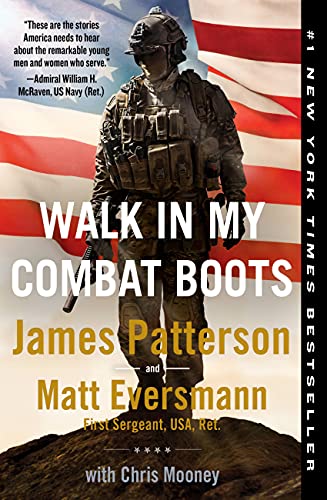
Bill Clinton, the 42nd President of the United States, brings unmatched authority to his recommendation of this book. He emphasizes how it captures the courage and resilience of American soldiers, sharing their deeply personal reasons for service and the heavy burdens they carry. His words, "This book will take your breath away, break your heart, and leave you in awe," reflect the profound impact these stories had on him, reshaping how he views the sacrifices behind military service. This endorsement signals that whether you're a history buff or someone seeking to understand military life on a human level, this book offers an essential, eye-opening experience. General Stanley McChrystal further praises the authors' skill in weaving together these raw, human stories, underscoring the book’s vivid portrayal of war beyond strategy and tactics.
“This book will take your breath away, break your heart, and leave you in awe of the hard work, raw courage, ingenuity and resilience of the men and women who wear the boots. You'll hear them say why they do it, and how they deal with triumph, tragedy and living with the legacy of their service. Every American should read it.” (from Amazon)
James Patterson, Matt Eversmann, Chris Mooney(you?)·
About the Author
James Patterson is the world's bestselling author. The creator of Alex Cross, he has produced more enduring fictional heroes than any other novelist alive. He lives in Florida with his family. Matt Eversmann retired from the Army after twenty years of service. His last assignment was as an Infantry Company First Sergeant in the 10th Mountain Division during the surge in Iraq. He spent almost half of his career in the 75th Ranger Regiment and was a member of Task Force Ranger, the unit immortalized in the film Black Hawk Down. Matt and his family live in West Palm Beach where he runs his own consulting company, Eversmann Advisory. Chris Mooney is the international bestselling author of fourteen thrillers. The Mystery Writers of America nominated Remembering Sarah for an Edgar Award. He teaches creative writing at Harvard.
2021·416 pages·War, Military Biography, Combat Stories, Veteran Experience, Emotional Resilience
The breakthrough moment came when James Patterson teamed with First Sergeant Matt Eversmann to capture the raw, unfiltered voices of soldiers from Vietnam through Iraq and Afghanistan. You get a visceral experience of combat and camaraderie through hundreds of firsthand interviews, revealing how warriors confront fear, loss, and survival beyond the battlefield. The book offers you insights into the emotional and psychological toll of service, illustrated in stories that range from tragic to surprisingly human and even humorous moments. If you want to understand what it truly means to wear the uniform and the weight behind a simple "thank you," this collection will deepen your perspective beyond headlines and movies.
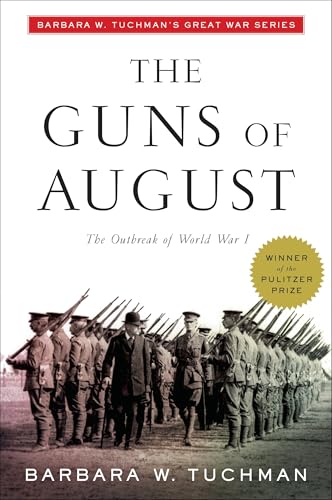
Jim Collins, a management consultant and author known for his rigorous analysis of leadership and organizational success, found value in this historical account of World War I. His expertise in understanding complex systems and strategic decision-making aligns with the book’s detailed examination of how political and military missteps led to a global conflict. Collins’ endorsement signals that this is not just a history book but a study in leadership failures and the cascading effects of choices made under pressure. Alongside him, Brad Feld, a seasoned venture capitalist, also recognizes the book’s insight into strategic thinking amid uncertainty. Their combined perspectives highlight the book’s relevance beyond history buffs to anyone interested in the dynamics of decision-making and consequence.
“I shall confess that all of my knowledge about the July crisis comes from either the first chapter of Barbra Tuchman’s “Guns of August” or the BBC docudrama “37 Days” starring the actor who played Emperor Palpatine. But that’s a great book and the miniseries is really good.” (from X)
Drawing from her distinguished career as a two-time Pulitzer Prize-winning historian, Barbara W. Tuchman examines the pivotal month leading up to and the first month of World War I with remarkable detail and narrative skill. You learn not just the sequence of events but the complex interplay of political miscalculations, personalities, and military strategies that set the stage for a devastating conflict. Tuchman vividly captures the transition from the 19th-century world of monarchies and pageantry to the brutal modern warfare that followed, making the historical figures and their decisions feel immediate and consequential. If you want to understand how a combination of hubris, alliances, and misjudgments ignited one of history’s deadliest wars, this book offers a deeply immersive perspective. It’s particularly suited for those intrigued by military history and the origins of global conflict.
Kirkus Reviews, known for their comprehensive and critical perspectives on literature, highlights this book as an expansive examination of America's costly and relentless warfare. Their review emphasizes how the work uncovers the deep roots of U.S. militarized foreign policy and its global implications. This perspective sheds light on how the book challenges conventional views of American military actions, offering you a thoughtful framework to understand the complex legacy and ongoing consequences of U.S. conflict engagement.
“A wide-ranging survey of the American way of war, expensive and incessant, in support of an empire we’re not supposed to have. . . . Vine offers much to ponder about our militarized foreign policy and its deep antecedents.” (from Amazon)
David Vine is Professor of Anthropology at American University. His other books include Base Nation: How U.S. Military Bases Abroad Harm America and the World and Island of Shame: The Secret History of the U.S. Military Base on Diego Garcia. David’s writing has appeared in the New York Times, Washington Post, Guardian, and more. He is a board member of the Costs of War Project and co-founder of the Overseas Base Realignment and Closure Coalition. David holds a PhD from the City University of New York’s Graduate Center.
2020·464 pages·War, War History, Military Bases, U.S. Foreign Policy, Global Conflict
David Vine, an anthropology professor deeply engaged with military impact studies, offers a sweeping analysis of America's persistent warfare and global military footprint. You gain insight into how U.S. foreign military bases, established over centuries, have entrenched a cycle of interventionist conflicts, impacting both foreign societies and domestic culture. The book scrutinizes the intersections of political interests, economic motives, and social issues like racism and militarism, tying these to current multi-trillion dollar wars and their human cost. Chapters detail historical episodes from Columbus’s arrival to modern conflicts, giving you a broad yet detailed perspective on America's war-driven global role. This book suits those seeking a nuanced understanding of the long-term systems behind U.S. military actions and their worldwide consequences.
This AI-created book on conflict learning is crafted based on your background and specific goals. By sharing the war topics you want to explore and your current level of knowledge, you receive a tailored book focused exactly on what you need. This personalized approach makes complex war studies more accessible and relevant, guiding you through daily lessons that build your understanding efficiently. With AI shaping content to your interests, your learning journey becomes both manageable and engaging.
TailoredRead AI creates personalized nonfiction books that adapt to your unique background, goals, and interests. Instead of reading generic content, you get a custom book written specifically for your profession, experience level, and learning objectives. Whether you're a beginner looking for fundamentals or an expert seeking advanced insights, TailoredRead crafts a book that speaks directly to you. Learn more.
2026·50-300 pages·War, War Fundamentals, Conflict Analysis, Military Tactics, Historical Battles
This personalized book explores the intricate world of conflict and war through a tailored, step-by-step learning journey designed to match your background and goals. It examines key principles, historical contexts, and tactical knowledge while focusing on your interests to help you rapidly build a deep understanding of war. The book breaks down complex material into focused daily lessons that guide you through essential concepts and evolving warfare theories.
By blending expert perspectives with a customized pathway, this book reveals how conflict evolves and how strategic decisions are shaped over time. It offers a unique chance to engage with nuanced war knowledge at a pace and depth that suits your specific learning needs, providing an enriching and efficient study experience.
The Philadelphia Inquirer, a respected American newspaper known for its authoritative coverage, praises this book as "stunning" and "the best single-volume history of the war." Their review highlights the book’s unique approach in presenting overlapping voices from all sides, which helped reshape their understanding of the Vietnam conflict’s complexity. This breadth of perspectives offers you a chance to see beyond conventional narratives. Complementing this, The New York Times Book Review describes it simply as "captivating," while The Washington Post calls it "exceptionally engaging," emphasizing its lasting influence on how the war will be perceived in the future.
“Stunning.... The best single-volume history of the war.... Assembled from a multitude of overlapping voices, American and Vietnamese, [The Vietnam War] tells the long story from every conceivable angle, from veterans and protesters to draft-dodgers and prisoners of war to politicians and grunts.” (from Amazon)
Geoffrey C. Ward, historian and screenwriter, is the author of nineteen books, including A First-Class Temperament: The Emergence of Franklin Roosevelt, which won the National Book Critics Circle Award, the Francis Parkman Prize, and was a finalist for the Pulitzer Prize. He has written or cowritten many documentary films, including The War, The Civil War, Baseball, The West, Mark Twain, Not for Ourselves Alone, and Jazz.
Drawing from their extensive background in historical documentary filmmaking and scholarship, Geoffrey C. Ward and Ken Burns developed a deeply immersive narrative of the Vietnam War, weaving together firsthand accounts from soldiers, civilians, and officials on both sides of the conflict. You’ll gain insight into the political decisions, battlefield experiences, and social upheavals that shaped this contentious era, including detailed perspectives from chapters focusing on combat intensity and antiwar protests. This book suits those seeking a nuanced understanding of the war’s complexities rather than a simplified recounting, providing rich context to the divisive legacy that still influences American discourse today.
The New York Times, a respected authority in literary and historical critique, praised this book as "a mini museum between the covers of a book." Their endorsement carries weight given their extensive coverage of war literature and history. This vivid description captures how the book’s rich imagery and detailed accounts provide an immersive experience that reshaped how they viewed World War I. Similarly, Newsweek highlighted DK’s role in revitalizing nonfiction, underscoring the book’s appeal not only to adults but younger audiences eager to understand complex history through stunning visuals and clear narratives.
Dorling Kindersley was founded in London in 1974 and is now the world's leading illustrated reference publisher and part of Penguin Random House, formed on July 1, 2013. DK publishes highly visual, photographic nonfiction for adults and children. DK produces content for consumers in more than 87 countries and 62 languages, with offices in Delhi, London, Melbourne, Munich, New York, and Toronto. DK’s extensive children’s list showcases a fantastic store of information for children, toddlers, and babies. DK covers everything from animals and the human body, to homework help and craft activities, together with an impressive list of licensing titles, including the best-selling LEGO books. DK acts as the parent company for Alpha Books, publisher of the Idiot's Guides series and Prima Games, video gaming publishers, as well as the award-winning travel publisher Rough Guides.
After analyzing countless visual archives and firsthand testimonies, DK presents an immersive journey through World War I that goes beyond dates and battles. You gain detailed insights into major events like the Somme and Verdun, enriched by vivid photographic galleries and maps that clarify the war’s progression and technology. The book also spotlights key figures such as David Lloyd George, weaving personal accounts that bring historical moments to life. If you want a richly illustrated, fact-driven exploration that balances strategic context with human experience, this guide will serve you well, especially if you appreciate visual storytelling alongside historical detail.
Neil Degrasse Tyson, an astrophysicist known for his ability to connect complex ideas across disciplines, lends considerable weight to this ancient text due to his emphasis on understanding systems and strategy in dynamic environments. His endorsement suggests the enduring relevance of Sun Tzu’s insights on leadership and adaptability, qualities essential both in cosmic science and conflict. Additionally, Bob Dylan, an influential artist known for his profound cultural impact, also acknowledges this work, underlining its significance beyond traditional military study. Together, their endorsements highlight The Art of War’s broad appeal and its role as a foundational text in strategic thought.
Sun Tzu, a military general and strategist who lived in ancient China, is one of East Asia’s most important historical figures. Traditional historians believe that he lived between 544–496 B.C. Sun Tzu’s birth name was Sun Wu; the name he is well known with is an honorific that means 'Master Sun.' He is most famous for writing The Art of War, a timeless classic and one of the most important works of Eastern literature.
Drawing from his experience as an ancient Chinese military strategist and philosopher, Sun Tzu developed The Art of War as a guide to mastering conflict through intelligence and adaptability. You’ll learn key strategies such as exploiting enemy weaknesses, meticulous planning, and the importance of leadership qualities that shape outcomes beyond the battlefield. Chapters delve into tactics, espionage, and flexible thinking, offering insights valuable not only for military leaders but also for anyone navigating competitive or unpredictable environments. If you seek to understand how calculated strategy can influence success, this book offers a timeless framework, though its ancient context may feel less immediate for modern tactical details.
Patrick Cockburn, Middle East correspondent for The Independent, brings a sharp eye to Scott Horton's analysis, praising Fool's Errand as a "deeply insightful and well-informed book on America's longest war." Cockburn highlights how the book arrived as the Trump administration was contemplating renewed troop deployments, underscoring its urgent relevance. His expertise in covering Middle Eastern conflicts lends weight to his endorsement, especially as Horton unpacks why the war remains unwinnable. Alongside him, Stephen Walt, a Harvard professor of international affairs, echoes this perspective, noting Horton's clear explanation of why the war is strategically flawed and how withdrawal aligns with U.S. interests. Their combined insights make this book a critical read for anyone seeking a nuanced understanding of the Afghanistan conflict.
“Scott Horton's Fool's Errand is a deeply insightful and well-informed book on America's longest war, explaining why it remains as unwinnable as it ever was. It appears at an important moment as the Trump administration considers once again reinforcing failure.” (from Amazon)
Scott Horton is a prominent anti-war activist and author known for his extensive work on U.S. foreign policy and military interventions. He has been a vocal critic of the wars in Iraq and Afghanistan, advocating for peace and a reevaluation of American military strategies. Horton is also the host of Antiwar Radio and has contributed to various publications, making him a respected voice in discussions about war and peace.
Scott Horton challenges the conventional wisdom that the U.S. intervention in Afghanistan was a strategic success, offering a meticulous account of how decades of decisions led to a prolonged and costly conflict. You learn detailed insights into the political and military missteps from the 1980s through recent troop surges, including how key administrations misjudged the situation on the ground. The book lays out the case for immediate withdrawal, supported by well-documented evidence and critical analyses of policy failures. Anyone seeking to understand the full scope of America's longest war and its consequences will find this a rigorous and thought-provoking read, though those hoping for optimistic solutions may find it sobering.
Andrew Roberts, a New York Times bestselling author with deep expertise in military history, discovered this book while seeking fresh perspectives on World War II’s complexity. He praised it as "the most important single-volume explanation of World War II since Richard Overy's Why the Allies Won," highlighting the astounding depth of knowledge Hanson brings. Roberts found that the book reshaped his understanding of the war’s interconnected theaters, making it essential for anyone serious about military history. Alongside him, Karl Rove also admired how Hanson made familiar events feel fresh and original, reinforcing why this book deserves your attention.
“In his exposition of this thesis, displaying a depth of knowledge of the period that is often simply astounding, Hanson has written what I consider to be the most important single-volume explanation of World War II since Richard Overy's Why the Allies Won (1996)-that is, for a generation.” (from Amazon)
Victor Davis Hanson is a senior fellow in military history at the Hoover Institution at Stanford University and a professor emeritus of classics at California State University, Fresno. He is the author of over two dozen books, including A War Like No Other, The Second World Wars, and The End of Everything. He lives in Selma, California.
The breakthrough moment came when Victor Davis Hanson, a distinguished military historian and classics professor, challenged conventional narratives by framing World War II not as a single conflict but as multiple interconnected wars. You gain a nuanced understanding of how battles unfolded across diverse theaters—from air raids over London to jungle warfare in Burma—highlighting the strategic missteps of the Axis powers. Hanson’s extensive use of 3,000 years of military history enriches your perspective on warfare's continuity and change, especially evident in his analysis of combined arms tactics. This book suits you if you seek a detailed, thought-provoking exploration of World War II’s complexity beyond familiar accounts.
Alexander L. Shepperd brings a profound fascination and extensive expertise in world war history to this work. His years of meticulous research and immersive travels across battlefields and archives provide a unique lens into the complexities of global conflicts. This background equips him to guide you through the critical battles of World War II, revealing their lasting influence on modern history and international affairs.
Alexander L. Shepperd has a profound fascination for the intricacies of world war history. With an insatiable thirst for knowledge, he has delved into the annals of history through extensive reading, exhaustive research, and immersive travels. His knowledge in the field is a result of years spent meticulously uncovering the hidden narratives and untold stories of the past. His enthusiasm for understanding the complexities of global conflicts has driven him to explore battlefields, archives, and museums, forging a unique connection between the past and present.
Alexander L. Sheppard’s deep immersion in world war history, fueled by years of rigorous research and firsthand exploration of battlefields, culminates in this detailed examination of World War II's pivotal battles. You’ll gain insight into both famous and lesser-known conflicts, such as Stalingrad and Midway, learning how each maneuver shaped the broader war and global politics. The book doesn’t shy away from the grim realities, including military strategies and war crimes, offering a nuanced understanding of the conflict’s complexity. If you seek an unfiltered account that connects military tactics with international consequences, this book will sharpen your perspective on WWII’s enduring impact.
David Glantz, coauthor of The Battle of Kursk and a respected military historian, highlights this book's significance with a strong recommendation. He appreciates how it candidly exposes the Soviet Union's military shortcomings in Afghanistan, a conflict crucial to understanding the USSR's fall. Glantz notes, "This superb translation will generate widespread and unprecedented interest in the subject," emphasizing its value for policymakers and historians alike. His perspective underscores why this examination is essential for grasping not only historical warfare but ongoing Russian ethnic conflicts.
“This superb translation will generate widespread and unprecedented interest in the subject. Offering a candid view of a war that played a significant role in the ultimate demise of the Soviet Union, this book presents analysis absolutely vital to Western policymakers, as well as to political, diplomatic, and military historians, and anyone interested in Russian and Soviet history. It also provides insights regarding current and future Russian struggles in ethnic conflicts both at and within their borders, struggles that could potentially destroy the Russian Federation.” (from Amazon)
Michael A. Gress Lester W. Grau Theodore C. Mataxis(you?)·
About the Author
Lester W. Grau, a Vietnam War veteran and retired lieutenant colonel in the U.S. Army, is an analyst for the Foreign Military Studies Office at the Army's Combined Arms Center at Fort Leavenworth. He is also the editor and translator of The Bear Went Over the Mountain: Soviet Combat Tactics in Afghanistan and The Other Side of the Mountain: Mujahideen Tactics in the Soviet-Afghan War. Michael A. Gress is a native of Siberia and a former soldier in the motorized rifle forces of the Soviet Army.
What started as a profound exploration by Michael A. Gress, a Siberian native and former Soviet soldier, together with Lester W. Grau, a Vietnam veteran and military analyst, became a detailed examination of the Soviet Union's military campaign in Afghanistan. You gain a nuanced understanding of the tactics, strategic missteps, and political ramifications that defined this conflict, with chapters dissecting combat techniques and the broader geopolitical consequences. This book suits those fascinated by military history and Cold War dynamics, offering insights into why a superpower struggled against guerrilla warfare. It’s less about glorifying battle and more about unpacking the complex failures and lessons within.
Timothy Snyder, author of 'On Tyranny', brings unique authority as a historian deeply versed in totalitarianism and 20th-century conflicts. He highlights how this book reframes the Cold War from being merely a backdrop to political life into the central narrative of global history, calling it a "powerful synthesis by one of our great historians." This perspective helped him appreciate the Cold War's wider impact beyond the usual US-Soviet focus. Following him, Jeremi Suri praises the book’s connection between Cold War ideologies and ongoing global conflicts, underscoring its relevance for anyone interested in politics and foreign policy.
“For generations, the Cold War was context, the inescapable setting of political life. This history sets the Cold War itself in context, within the greater landscape of world history, deeply understood, and masterfully presented. It is a powerful synthesis by one of our great historians.” (from Amazon)
Odd Arne Westad is the Elihu Professor of History and Global Affairs at Yale University and author and editor of fifteen books, including The Global Cold War, recipient of the Bancroft Prize, and Restless Empire, recipient of the Asia Society book award. He lives in New Haven, Connecticut.
Odd Arne Westad, a Yale professor with deep expertise in global affairs and Cold War history, reshapes the narrative by framing the Cold War as a worldwide ideological struggle rather than a mere US-Soviet standoff. You’ll gain insight into how this conflict influenced regions far beyond Europe, affecting Asia, Africa, and the Middle East, with chapters that trace its roots back to the Industrial Revolution and its continuing impact today. Specific sections analyze how Cold War rivalries shaped modern geopolitics and ongoing conflicts, making it clear this isn’t just history but a key to understanding present global dynamics. This book suits anyone seeking a thorough grasp of war’s global consequences, though those wanting a narrow military focus might find it broader than expected.
Nomiki Konst Cancelrent, a political commentator and host known for her sharp insights on social justice and US politics, highlighted this book as a "great starter" to understanding the complex history of Puerto Rico's struggle against US colonial rule. She appreciates how Nelson Denis's narrative opened her eyes to the overlooked revolution of 1950 and its continuing relevance. Alongside her, historian Jonathan Myerson Katz also praises the book, underscoring its value in revealing difficult truths about American imperialism. Their endorsements signal this book's importance if you seek to grasp the intertwined nature of colonialism and conflict in modern history.
Nelson A. Denis was the editorial director of El Diario/La Prensa, the largest Spanish-language newspaper in NYC, and won the Best Editorial Writing award from the National Association of Hispanic Journalists. A graduate of Harvard University and Yale Law School, Denis served as a New York State Assemblyman (1997-2001) and has written for the New York Daily News, Newsday, and Harvard Political Review. Denis also wrote and directed the feature film Vote For Me!, which premiered in the Tribeca Film Festival. In April 2015, Nation Books published his non-fiction book War Against All Puerto Ricans, about the Puerto Rican Nationalist revolution of 1950. It topped the list of best-selling books in Puerto Rico for the year 2015-2016.
Unlike most war histories that focus on battlefield tactics, Nelson A. Denis explores the uneasy intersection of colonialism and armed rebellion through the 1950 Puerto Rican Nationalist uprising. Drawing on decades of journalistic and political experience, Denis spotlights Pedro Albizu Campos's controversial life, revealing how his leadership intertwined with US imperial policies that culminated in the unprecedented bombing of American citizens. You’ll gain insight into the complex political dynamics, covert operations by the FBI and CIA, and the lasting impact of US colonial rule on Puerto Rico’s quest for self-determination. This book suits you if you want a nuanced understanding of war beyond combat, especially its political and cultural ramifications.
Ali Shihabi, founder of the Arabia Foundation and a respected voice on Middle Eastern affairs, highlights the shift from conventional warfare to irregular tactics in his review: "A must read new book: 'Conventional war is dying to be replaced by irregular warfare and other instruments of national power such as...'". His perspective, shaped by deep involvement in regional security, underscores how this book challenged his assumptions about modern conflict. Following him, The Times (UK) points out the pitfalls of Western reliance on costly technology against guerrilla warfare, reflecting McFate's sharp critique. Their combined insights make this a crucial read for anyone examining the future of military strategy.
Sean McFate is a professor of strategy at the National Defense University and Georgetown University’s School of Foreign Service. He is also a Senior Fellow at the Atlantic Council, a think tank. He served as a paratrooper in the US Army’s 82nd Airborne Division and then worked for a major private military corporation, where he ran operations similar to those in this book. He is the author of The Modern Mercenary: Private Armies and What They Mean for World Order, and holds a BA from Brown University, a MA from Harvard’s Kennedy School of Government, and a PhD in international relations from the London School of Economics and Political Science (LSE). He lives with his wife in Washington, DC.
2019·336 pages·Warfare, War, Strategy, Irregular Warfare, Military History
When Sean McFate, a former 82nd Airborne paratrooper turned professor at the National Defense University, wrote this book, he drew directly from his battlefield experience and academic background to rethink how war is fought today. You’ll learn how traditional concepts of warfare are being overtaken by irregular tactics, shadow operations, and corporate mercenaries, as McFate explains with examples from Vietnam to modern conflicts. His analysis covers the dangers of relying too much on technology and the rising influence of non-state actors, providing a clear-eyed view of contemporary conflict. This book suits anyone interested in military strategy, international relations, or understanding the shifting rules shaping global power struggles.
Simon Sebag-Montefiore, a British historian and television presenter with extensive expertise in war history, discovered this book while deepening his understanding of colonial conflicts. He describes it as "scholarly yet fascinating, unsettling in its revisionism yet readable in its macabre narrative." This perspective broadened his view on the Mau Mau uprising, highlighting the complexities often overlooked in traditional histories. His endorsement signals the book’s value for anyone aiming to grasp the nuanced realities of colonial war and insurgency. Additionally, Thomas Pakenham, author of 'Scramble for Africa,' praises it as "a vivid account of that grim struggle an important contribution to the history of colonial Africa," reinforcing its significance in the field.
David Anderson is lecturer in African studies at Oxford University. He was formerly director of the Center for African Studies at the University of London. He lives in England.
David Anderson, an Oxford University lecturer specializing in African studies, offers a nuanced view of the Mau Mau uprising and the British colonial response in Kenya during the 1950s. This book challenges traditional narratives by portraying Gikuyu rebels with empathy while critically examining British military and political actions, including figures like Churchill and MacMillan. You’ll gain insight into colonial power dynamics and the complexities of insurgency, supported by detailed case studies and archival research. The book’s careful exploration of the period’s political context makes it a solid choice for those interested in colonial history and the ethical questions war raises.
Lord Guthrie, former head of Britain's Armed Forces, brings a rare perspective to "The Long War." Having witnessed military conflicts firsthand, he praises the book highly, saying, "I could not have enjoyed it more and think it quite excellent. It is a great pity some of those who involved us in what is going on now did not understand what we would be up against." Guthrie's endorsement reflects his deep understanding of the challenges faced in Afghanistan and his appreciation for Loyn's detailed account of the war's complexities. His experience underscores why this book is essential for anyone wanting to grasp the realities of modern warfare. Alongside him, Max Hastings also recommends Loyn's work for its clarity on why the conflict's odds were so daunting, highlighting its value for policymakers and historians alike.
“I could not have enjoyed it more and think it quite excellent. It is a great pity some of those who involved us in what is going on now did not understand what we would be up against.” (from Amazon)
David Loyn was an award-winning foreign correspondent for thirty years for the BBC. He is an authority on Afghanistan, a country he has visited every year since 1994. In 2017, he worked for a year as an adviser in the office of the Afghan president Ashraf Ghani. His book Frontline: The True Story of the British Mavericks who Changed the Face of War Reporting was shortlisted for the 2006 Orwell Prize. He lives in London.
David Loyn, a veteran BBC foreign correspondent with decades of firsthand experience in Afghanistan, offers a thorough examination of America's prolonged conflict there. You gain detailed insights into the strategic and political errors that shaped the war, including early miscalculations that let Osama bin Laden slip away and the consequences of backing corrupt local allies. The book presents perspectives from top generals like Petraeus and McChrystal, revealing the complexities of coalition warfare and the toll on soldiers and Afghan civilians alike. If you're seeking a nuanced understanding of the Afghanistan war's military and diplomatic dimensions, this book offers a grounded narrative without romanticizing the conflict.
Joseph Lieberman, former U.S. Senator and national security advocate, highlights that this book is essential for anyone concerned about America's future security, praising it as both a personal memoir and a strategic blueprint. He points to General Flynn's insider perspective and strategic insights as invaluable for current and future leaders. Newt Gingrich, former Speaker of the House, underscores the book’s clarity in explaining the long war and calls out the political obstacles that have impeded progress. Meanwhile, Ken Jones, an activist passionate about political reform, emphasizes the book's urgent call to protect constitutional values amid threats from radical groups. Together, their endorsements frame this work as a crucial, no-nonsense guide to understanding and confronting the challenges of modern conflict.
Former U.S. Senator and national security advocate
“The Field of Fight is a book worth reading by anyone concerned about the future security of America. It is both an engaging personal memoir by a great American soldier and military intelligence officer, General Mike Flynn, and a strategic plan by General Flynn of how to win the global war against radical Islam and its big power supporters. The leaders of the next American administration would benefit from reading The Field of Fight.” (from Amazon)
Lieutenant General (Ret.) Michael T. Flynn, Michael Ledeen(you?)·
About the Author
Lieutenant General (Ret.) Michael T. Flynn is a subject matter expert in Diplomacy, Statecraft, Foreign Policy, Strategy Formulation, Defense, Intelligence, and other areas of national and international security. He served more than 33 years in the Army, Joint, and Special Operations Forces, with multiple overseas combat tours. He is the author of 7 books, two are best sellers. He holds three master’s degrees, an honorary doctorate and currently serves as the Chairman of America’s Future, which is among the nation’s oldest non-profits. His military career culminated as the Director of the Defense Intelligence Agency and the nation’s highest serving military intelligence officer. Additionally, he served the 45th President of the United States, President Donald J. Trump, as the nation’s 25th National Security Advisor.
Lieutenant General Michael T. Flynn brings over three decades of military intelligence experience to a direct and urgent examination of the global threat posed by radical Islam and its allies. Drawing from his time coordinating operations and intelligence with top military leaders, Flynn reveals how government missteps have hindered effective responses to groups like ISIS and al-Qaeda. The book offers a clear-eyed analysis of why understanding the enemy is crucial to winning this ongoing conflict, with chapters that dissect the roles of Iran and other state actors. If you want a strategic perspective from a seasoned insider on America's security challenges, this book delivers without sugarcoating the realities or politics involved.
Arjun Subramaniam is a retired Air Vice Marshal of the Indian Air Force and a respected military historian. His deep experience in the armed forces and role as an instructor at the Indian National Defence College inform this thorough examination of India's military history from independence through 1971. Subramaniam wrote this book to bring attention to the often-overlooked military dimension of India's contemporary history, providing readers with an informed perspective shaped by both scholarship and firsthand knowledge.
Arjun Subramaniam is a retired Air Vice Marshal of the Indian Air Force and a prominent military historian. He has served as an instructor at the Indian National Defence College and has a deep understanding of India's military history, particularly the wars fought since independence. His insights are informed by his extensive experience in the armed forces and his commitment to educating others about India's military legacy.
Arjun Subramaniam draws from his extensive career as a retired Air Vice Marshal and military historian to present a detailed account of India's military engagements from 1947 to 1971. He explores not only the battles themselves but also the development of the Indian army, navy, and air force, providing insights on strategy, leadership, and civil-military relations. Through chapters that analyze conflicts with China and Pakistan, you gain a nuanced understanding of operational challenges and lessons, enriched by veterans' experiences. This book suits anyone interested in Indian history or military strategy, though it demands attention to complex geopolitical contexts rather than casual reading.
James McPherson, a leading Civil War historian and Pulitzer Prize winner, praises this book for its fresh insights that extend beyond typical narratives. He discovered it offers a military perspective that reshaped his understanding of the war's complexity and leadership, noting, "A genuinely fresh set of insights about the Civil War. Murray and Hsieh have crafted a military narr..." His endorsement signals this book's value for anyone serious about military history. Lawrence Freedman, emeritus professor at King's College London, echoes this, highlighting its detailed examination of army organization and strategic decisions, making it a go-to for deep study.
“A genuinely fresh set of insights about the Civil War. Murray and Hsieh have crafted a military narrative that goes well beyond anything else in the literature.” (from Amazon)
Williamson Murray is a prominent military historian known for his extensive research and writings on military history, particularly the Civil War. He has authored and edited numerous books and articles, contributing significantly to the understanding of military strategy and history.
What if everything you thought you knew about the Civil War’s military history was incomplete? Williamson Murray and Wayne Wei-siang Hsieh argue that this conflict fundamentally changed warfare by blending industrial-era technology with old uncertainties of battle. You’ll gain detailed insights into how leadership, logistics, and army culture shaped the war’s unpredictable outcomes, with vivid portraits of figures like Lincoln and Grant. This book suits anyone eager to understand not just battles but the evolution of war itself through the lens of the Civil War’s massive scale and complexity.
The best War books and more, in your inbox each week. No account needed.
Conclusion
The 20 books collected here weave together themes of strategic innovation, human courage, and the often overlooked political undercurrents of war. From ancient principles in The Art of War to detailed modern analyses like The New Rules of War, these works span centuries and continents to give you a broad but detailed understanding.
If you're grappling with understanding guerrilla conflicts, start with The Soviet Afghan War and Fool's Errand for nuanced perspectives. For a rapid grasp of global conflicts and strategy, combine The Cold War with The Second World Wars to see how ideology and tactics intertwined.
Alternatively, you can create a personalized War book to bridge the gap between general principles and your specific situation. These books can help you accelerate your learning journey and deepen your grasp of war’s complex realities.
Frequently Asked Questions
I'm overwhelmed by choice – which book should I start with?
Starting with The Art of War offers timeless strategies that frame modern conflict. From there, The Guns Of August provides vivid insight into how World War I erupted, setting a foundation for understanding later wars.
Are these books too advanced for someone new to War?
Not at all. Many, like Walk in My Combat Boots, share personal stories that are accessible, while others provide clear historical context. The range ensures both newcomers and veterans find value.
What's the best order to read these books?
Begin with strategic overviews like The Art of War and The Cold War, then explore specific conflicts such as The Vietnam War or The Soviet Afghan War. Finally, dive into personal accounts for emotional depth.
Should I start with the newest book or a classic?
Classics like The Art of War offer foundational insights, while newer works like The New Rules of War reflect current tactics. Reading both in tandem gives a comprehensive view.
Do these books assume I already have experience in War?
No, these books cater to a range of backgrounds. They build from fundamental concepts to advanced analysis, making them suitable whether you're a beginner or experienced enthusiast.
How can I get war knowledge tailored to my specific needs?
While expert books offer broad understanding, personalized War books tailor insights to your background and goals, bridging theory with your unique context. Discover this option here.
📚 Love this book list?
Help fellow book lovers discover great books, share this curated list with others!