20 Epidemic Books That Experts Trust and Recommend
Insights from Bill Gates, Christina Stage Break Warren, and Laura McInerney reveal essential Epidemic Books that unravel public health challenges and leadership.
Updated on June 28, 2025·We may earn commissions for purchases made via this page
19 of 20 books have Kindle versions
We're launchingLaunching on Product Hunt today 🎉We just launchedJust launched on Product Hunt 🎉
Modelpeers, from the BookAuthority teamFrom the BookAuthority team: Modelpeers, a free way to follow AI models and agents like you follow people. We'd love your support.
What if the stories behind epidemics held the key to better future responses? Epidemics have shaped societies in profound ways, yet understanding their complexities requires more than headlines—it demands deep dives into history, science, and human resilience. Today, more than ever, grasping the nuanced interplay of politics, medicine, and social dynamics in epidemics is vital.
Experts like Bill Gates, who has dedicated years to global health philanthropy, and Christina Stage Break Warren, a Senior Cloud Advocate at Microsoft who treasures enduring narratives from epidemic history, have highlighted certain books as foundational. Meanwhile, Laura McInerney, an education expert, points to insightful pandemic analyses that reveal the challenges of organizational learning and leadership during crises. Their endorsements spotlight works that cut through the noise, providing clarity and depth.
While these expert-curated books provide proven frameworks and narratives, readers seeking content tailored to their specific backgrounds, experience levels, and goals might consider creating a personalized Epidemic book that builds on these insights. Such a custom approach helps bridge expert knowledge with your unique perspective and needs.
Christina Stage Break Warren, Senior Cloud Advocate at Microsoft, encountered this book early in life and maintains both physical and digital copies, highlighting its lasting impact. She praises the HBO adaptation as one of the best ever, reflecting the book's profound influence on understanding the AIDS crisis. Her longstanding engagement with the narrative underscores its continued relevance for anyone exploring epidemic history. Similarly, Clara Jeffery, editor-in-chief of Mother Jones, recognizes the book's compelling account alongside the film's portrayal of politicized science failures, reminding you of the persistent challenges in epidemic response.
“@jsnell @monkeydavid Also the HBO film is one of the best ever. I saw it as a child and then read the book. I think I was 9 or 10. It’s one of the rare books I have a physical and kindle copy of to this day.” (from X)
Randy Shilts was born in 1951, in Davenport, Iowa. One of the first openly gay journalists hired at a major newspaper, he worked for the San Francisco Chronicle for thirteen years. He died of AIDS in 1994 at his home in the Sonoma County redwoods in California. He was the author of The Mayor of Castro Street: The Life and Times of Harvey Milk (1982), And the Band Played On: Politics, People and the AIDS Epidemic (1987), and Conduct Unbecoming: Lesbians and Gays in the U.S. Military (1993). He also wrote extensively for many major newspapers and magazines, including The New York Times, Newsweek, Esquire, The Los Angeles Times, and The Advocate. And the Band Played On was made into a docudrama that was broadcast on HBO in 1993.
Drawing from his experience as one of the first openly gay journalists at the San Francisco Chronicle, Randy Shilts chronicles the early years of the AIDS epidemic with unflinching detail and investigative rigor. You gain insight into the interplay between political inertia, scientific discovery, and social stigma that shaped the initial response to the crisis. The book dives into how key institutions failed to act promptly while spotlighting the individuals who fought against the tide, particularly in chapters detailing governmental and health agency dynamics. If you seek to understand the complex forces behind a major public health disaster, this book offers a sobering, well-researched perspective.
Arnold Schwarzenegger, actor and former governor of California, brings a unique perspective to pandemic literature, having overseen public health efforts in a major U.S. state. His endorsement lends weight to this book’s portrayal of the pandemic response, highlighting the importance of leadership amid crisis. Alongside him, Laura McInerney, an education expert, praises the book’s vivid characterization of a public health official who foresaw the pandemic’s trajectory despite being ignored. Together, their insights emphasize the book’s relevance for anyone seeking to understand the intersection of science, policy, and human resilience in epidemic times.
“It’s a really good book. You’ll love one character: a little public health woman, around 40, who was completely correct about it all and kept being ignored. I almost want this as a tattoo:” (from X)
Michael Lewis is the best-selling author of Liar’s Poker, Moneyball, The Blind Side, The Big Short, The Undoing Project, and The Fifth Risk. He lives in Berkeley, California, with his family.
Michael Lewis, known for dissecting complex systems in books like "The Big Short," turns his attention to the tangled world of pandemic response. This book takes you inside the minds and efforts of a group of medical experts who challenged official complacency during COVID-19’s early days. You’ll learn how a teenage science project evolved into a model of disease control and meet unconventional heroes navigating bureaucratic inertia. The chapters reveal the clash between scientific reality and political denial, offering insights into public health's blind spots. If you’re interested in how epidemic preparedness meets real-world crisis, this book shows both the brilliance and failures behind the scenes.
This AI-created book on epidemic science is written based on your background and specific interests. You share which aspects of epidemics you want to explore and your goals, and the book is crafted to cover exactly those areas. Personalization matters here because epidemic science spans diverse fields and complexities—this custom approach makes the learning focused and relevant, not overwhelming. It’s designed to guide you through the essential knowledge you need, without wading through unrelated content.
TailoredRead AI creates personalized nonfiction books that adapt to your unique background, goals, and interests. Instead of reading generic content, you get a custom book written specifically for your profession, experience level, and learning objectives. Whether you're a beginner looking for fundamentals or an expert seeking advanced insights, TailoredRead crafts a book that speaks directly to you. Learn more.
2026·50-300 pages·Epidemic, Epidemic Science, Disease Transmission, Outbreak Management, Public Health
This tailored book explores the multifaceted science behind epidemics, offering a deep dive into their causes, management, and prevention. It examines historical and contemporary outbreaks, revealing how pathogens spread, public health measures evolve, and communities respond. By focusing on your interests and matching your background, this personalized guide navigates complex topics such as epidemiology, disease surveillance, and outbreak containment. It unfolds a rich narrative of epidemic dynamics, integrating biology, social factors, and policy considerations. Crafted to address your specific goals, the book provides a clear pathway through dense expert knowledge, helping you understand and engage with epidemic science on a meaningful level.
Ophelia Dahl, a global health advocate and co-founder of Partners in Health, highlights this book's powerful narrative, noting it as "a beautiful and absorbing book about the history of polio... Wunsch tells the pressing story of the race to develop effective new technologies to ventilate patients amid a deathly global pandemic." Her experience in global health gives weight to her praise, emphasizing how the book deepened her appreciation for the relentless efforts to save lives during crises. This perspective makes it clear why anyone interested in epidemic responses and medical innovation should consider this book. Additionally, Olivia Campbell, a New York Times bestselling author, calls it a "deeply researched, utterly compelling story... at once heartbreaking and inspiring," underscoring its emotional and intellectual impact.
Global Health Advocate and Co-founder of Partners in Health
“A beautiful and absorbing book about the history of polio. . . Wunsch tells the pressing story of the race to develop effective new technologies to ventilate patients amid a deathly global pandemic. It is also a beautiful story of accompaniment and of doing whatever it takes to keep thousands of patients alive—one person at a time.” (from Amazon)
Hannah Wunsch is a critical care physician and researcher at Sunnybrook Health Science Centre. She is a professor of anesthesiology and critical care medicine at the University of Toronto and holds a Canada Research Chair. She lives in Toronto, Ontario and Woods Hole, Massachusetts. The Autumn Ghost is her first book.
What happens when critical care expertise meets the history of a devastating polio epidemic? Hannah Wunsch, a critical care physician and researcher, traces how the 1952 polio outbreak in Copenhagen led to life-saving innovations like intensive care units and mechanical ventilation. Through vivid testimonies from medical staff and patients, you gain insight into how these advances revolutionized modern medical care and shaped rehabilitation medicine. If you want to understand the roots of critical care and the human stories behind these breakthroughs, this book offers a detailed narrative that connects past challenges to today’s medical practices.
Matthew Yglesias, a political commentator with deep insight into public policy, found this book striking for how Andrew Cuomo emerged as a leading figure during the pandemic. He remarked, "It’s amazing that it’s Andrew Cuomo and not Janet Mills who has the book," highlighting Cuomo's role in shaping the national response narrative. This perspective underscores the book’s value in understanding crisis leadership and government action under pressure. Similarly, Barbra Streisand praised Cuomo's calm and science-based communication, reinforcing why this account offers lessons for anyone navigating leadership in health emergencies.
Andrew Cuomo was the 56th Governor of New York. He is the author of All Things Possible: Setbacks and Success in Politics and Life and Crossroads: The Future of American Politics.
While serving as New York's governor during the COVID-19 outbreak, Andrew Cuomo faced an unprecedented public health crisis that demanded decisive leadership under pressure. In this book, he shares a detailed account of the early days when systems to tackle the pandemic were nonexistent, illustrating how he marshaled resources, relied on data, and communicated transparently to flatten the infection curve. You’ll gain insight into crisis management, political negotiation, and public communication strategies, including his candid assessments of federal-state dynamics. This book suits those interested in leadership during emergencies, public policy challenges, and the interplay between politics and health crises.
Patrick Collison, CEO of Stripe and co-founder of the Arc Institute, brings a unique perspective to epidemic science and innovation, making his endorsement of this book especially noteworthy. His leadership in technology and science funding underscores why he values this detailed account of the COVID-19 vaccine race. The book's deep dive into scientific entrepreneurship and the challenges of rapid vaccine development aligns closely with the complex realities he navigates in his work. Also, Paul Kedrosky, an investor with a background in academia and venture capital, praises it as the best book on scientific entrepreneurship, highlighting its insights into the biotech entrepreneurs behind the mRNA vaccine breakthroughs.
“While this likely wasn't the intent, it is also the single best book I've read on the real world of scientific entrepreneurship, from venture capital's consequences, to the struggling scientists behind, say, mRNA vaccines, to the driven founders of BioNTech & Moderna.” (from X)
Gregory Zuckerman is the author of The Greatest Trade Ever, The Frackers, and The Man Who Solved the Market and is a Special Writer at the Wall Street Journal. At the Journal, Zuckerman writes about financial firms, personalities and trades, as well as hedge funds and other investing and business topics. He's a three-time winner of the Gerald Loeb award, the highest honor in business journalism. Zuckerman also appears regularly on CNBC, Fox Business and other networks and radio stations around the globe.
During the early chaos of the COVID-19 pandemic, Gregory Zuckerman, an investigative journalist with a sharp financial and scientific insight, took on the challenge of chronicling the urgent race for a vaccine. You gain an insider's view into the unconventional scientists and executives who defied skepticism to develop breakthrough vaccines in record time, learning about the complex interplay between scientific innovation, corporate rivalry, and government negotiation. The book dives into individual stories, like a Boston scientist using unorthodox techniques and a British researcher overcoming professional disdain, offering you a nuanced understanding of vaccine development's human and technical dimensions. If you want to grasp the real-world challenges behind one of modern science’s most significant achievements, this book offers a focused, gripping narrative.
This AI-created book on epidemic response is tailored to your specific goals and background. By sharing your experience and which aspects of epidemic preparedness you want to focus on, you receive a book that covers exactly what you need. Personalization matters here because rapid epidemic control demands targeted, relevant knowledge—so this book matches your interests to help you learn efficiently and effectively.
TailoredRead AI creates personalized nonfiction books that adapt to your unique background, goals, and interests. Instead of reading generic content, you get a custom book written specifically for your profession, experience level, and learning objectives. Whether you're a beginner looking for fundamentals or an expert seeking advanced insights, TailoredRead crafts a book that speaks directly to you. Learn more.
This tailored book explores targeted strategies for fast, effective epidemic response and crisis management. It examines the critical steps needed to prepare for and control outbreaks, focusing on your interests and background to enhance understanding and application. Through a personalized approach, it reveals how to rapidly assess risks, coordinate health resources, implement containment measures, and communicate clearly during urgent public health events. The content balances foundational knowledge with practical, actionable actions that match your specific goals in epidemic preparedness. This tailored guide enables you to navigate complex epidemic challenges with clarity and confidence, providing a focused pathway to mastering rapid response techniques essential in today’s health landscape.
Mark R. Levin, host of The Mark Levin Show and a voice many trust on matters of public affairs, found Marc Siegel’s work crucial amid the COVID crisis. He described it as "Marc Siegel's great new book is out! COVID: The Politics of Fear and the Power of Science," highlighting how the book reshaped his understanding of the pandemic’s broader implications beyond just medical facts. Levin’s endorsement reflects the book’s ability to cut through noise and help you grasp the complex interplay of fear, politics, and science during an epidemic. This perspective is reinforced by Tucker Carlson, who calls Dr. Siegel his go-to expert for medical clarity on the pandemic, signaling a strong recommendation for those wanting a grounded, insightful read.
Marc Siegel M.D., is a leading medical expert on the global Covid-19 pandemic and the chief medical analyst for FOX News. President Donald Trump, in an exclusive interview, calls Dr. Siegel one of his primary “guides” to the Covid-19 pandemic. Dr. Siegel is a member of the board of contributors at USA Today, a columnist for The Hill, a contributor to the Wall Street Journal, a clinical professor of medicine at NYU Langone Health and the medical director for Doctor Radio on SiriusXM. Dr. Siegel is also the author of False Alarm: The Truth About the Epidemic of Fear, The Inner Pulse: Unlocking the Secret Code of Sickness and Health, the novel Bellevue, as well as other books on flu. With over 30 years of experience in the medical field, Dr. Siegel has written extensively on health, outbreaks and pandemics.
Unlike most epidemic books that focus solely on infection rates and clinical data, Marc Siegel’s "COVID: The Politics of Fear and the Power of Science" confronts the intertwined roles of media, government, and psychology in shaping public perception during the COVID-19 crisis. Drawing on his extensive medical experience and media presence, Siegel dissects how fear was amplified beyond the virus’s actual risk, offering readers a framework to differentiate facts from hysteria. You’ll gain insights into the political and social catalysts of fear, learning to navigate the pandemic landscape with more discernment. This book suits anyone seeking to understand not just the virus, but the broader societal reactions that have defined this era.
Robert Kennedy, a longtime children's health advocate, has championed the fight to expose vaccine policy issues contributing to chronic conditions in children. His endorsement of J.B. Handley’s work comes from deep engagement with the autism epidemic’s complexities, praising Handley as "the world’s most thoughtful, sophisticated, knowledgeable, and indefatigable activist for children’s health and safety." This book reshaped Kennedy’s understanding of the science and politics behind vaccine controversies, urging a broader conversation on public health. Alongside him, Jenny McCarthy highlights the emotional and scientific clarity Handley brings, noting how his personal journey and clear explanations resonate powerfully with families confronting autism.
“J.B. Handley is arguably the world’s most thoughtful, sophisticated, knowledgeable, and indefatigable activist for children’s health and safety. As a frontline leader for fifteen years, Handley has led the big fistfight against the Pharma Cartel to force the issue, broadcast the science, and expose the lies behind the vaccine policies that have created an epidemic of chronic disease among our children.” (from Amazon)
J.B. Handley is the co-founder and chairman of Generation Rescue, a non-profit organization focused on helping children recover from autism that was inspired by the journey of his son, Jamison, who was diagnosed with autism in 2004. He is also the co-producer of the documentary film Autism Yesterday and the co-founder of the Age of Autism blog. Handley co-founded Swander Pace Capital, a middle-market private equity firm with more than $1.5 billion under management where he served as managing director for two decades. He is an honors graduate of Stanford University and lives in Portland, Oregon, with his wife, Lisa, and their three children.
2018·304 pages·Epidemic, Autism, Vaccine Safety, Public Health, Neurodevelopment
Unlike most epidemic books that focus strictly on public health data, J.B. Handley brings a personal and investigative lens shaped by his experience co-founding Generation Rescue after his son’s autism diagnosis. You’ll find detailed discussions dismantling common vaccine safety narratives and new research linking vaccine components to neurological effects. Handley doesn’t just challenge prevailing assumptions; he pushes for informed consent and ongoing investigation, making this a must-read for parents and advocates seeking a deeper understanding of the autism epidemic’s complexities. Chapters exploring legal depositions and scientific studies provide concrete insights, though the book’s critical stance means it’s best suited for readers open to questioning mainstream public health messaging.
Rhodri Marsden, a writer and musician known for thoughtful cultural commentary, found himself deeply engaged by this book amid ongoing vaccine debates. He reflects, "I’m powering through this excellent book. You probably couldn’t turn it into a film, cos there’s not much drama. Just a bunch of people - mainly women - doing brilliant work." His appreciation lies in the book’s honest portrayal of dedicated scientists at work, countering misinformation with clear-eyed detail. This perspective aligns with Luke O'Neill, an immunologist, who highlights the authors' intent to humanize the science and dispel conspiracy theories, emphasizing that these were ordinary people carrying out crucial work during an extraordinary crisis.
“I’m powering through this excellent book. You probably couldn’t turn it into a film, cos there’s not much drama. Just a bunch of people - mainly women - doing brilliant work. People who have doubts about vaccines should read it, but they probably won’t.” (from X)
Sarah Gilbert is Professor of Vaccinology at the University of Oxford and a Senior Research Fellow at Christchurch College. Having devoted her career to developing vaccines against infectious diseases, since January 2020 she has been the Oxford Project Leader for the Oxford AstraZeneca vaccine. Professor Gilbert has over 25 years of experience in the design and early development of new vaccines, and a commitment to increasing public understanding of science. In 2021 she was awarded a Damehood in the Queen's Birthday Honours.
What if everything you thought about vaccine development changed after reading this? Sarah Gilbert, a seasoned vaccinologist at Oxford University, alongside Dr. Catherine Green, takes you behind the scenes of the Oxford AstraZeneca vaccine’s creation, revealing the intense scientific challenges and rapid innovation from January 2020 onward. You gain insight into the vaccine design process, the logistical hurdles of clinical trials, and the human side of pandemic response, especially in chapters detailing the sprint from lab to global rollout. This book suits anyone interested in the intersection of cutting-edge science and public health crises, though those seeking drama might find the focus steadier on methodical progress than spectacle.
Jason Leitch, National Clinical Director for the Scottish Government and a recognized authority in epidemic management, shared his experience interviewing experts at AyeWrite, describing the book as "insightful, honest and even a little funny". His appreciation stems from the book's candid portrayal of the U.S. COVID-19 response, which helped him contextualize the pandemic’s leadership failures. This perspective makes the book compelling for anyone seeking to understand the complexities behind epidemic responses. Jon Cooper, Chairman of The Democratic Coalition, echoes this sentiment, finding the inside look into America's mishandling of COVID-19 both fascinating and hard to put down, underscoring the book’s broad appeal for public health and policy professionals alike.
“Great privilege to interview @devisridhar at @AyeWrite tonight. Insightful, honest and even a little funny…just like the Sunday Times Bestselling book. #Preventable (photo by @robinHEG)” (from X)
Andy Slavitt was President Biden’s White House Senior Advisor for the Covid response at the beginning of his term where he oversaw direct communication with the public on the pandemic. He has led many of the nation’s most important health care initiatives, serving as President Obama’s head of Medicare and Medicaid and overseeing the turnaround, implementation and defense of the Affordable Care Act. Slavitt is the “outsider’s insider”, serving in leading private and non-profit roles in addition to his government services. He is founder and Board Chair Emeritus of United States of Care, a national non-profit health advocacy organization as well as a founding partner of Town Hall Ventures, a healthcare firm that invests in underrepresented communities. He co-chaired a national initiative on the future of health care at the Bipartisan Policy Center. He chronicles what goes on inside the government and across the nation at town halls, in USA Today, and on Twitter. A graduate of the University of Pennsylvania and Harvard Business School, he and his wife have two grown sons.
What happens when deep healthcare expertise meets the raw realities of a public health catastrophe? Andy Slavitt, with his extensive experience as a former White House Senior Advisor for the COVID response, dissects the U.S. coronavirus failure through an insider lens. You’ll gain insights into how political missteps, systemic weaknesses, and leadership voids combined to thwart effective pandemic management. Chapters detail critical moments behind closed doors, illustrating how fragmented decisions cascaded into widespread consequences. This book suits those wanting a nuanced understanding of epidemic management failures and the complex interplay between politics and public health.
Erica Werner, a Washington Post congressional reporter, highlights this book as a definitive account of the U.S. government's pandemic response, emphasizing its detailed insider perspective. She notes, "Pre-order now!! This book by two of the Post’s best journalists is going to be the definitive accoun...", underscoring its depth and revealing content. Werner's expertise in congressional reporting lends weight to her recommendation, suggesting this book is essential for understanding the complex political dynamics behind the epidemic response. Alongside her, epidemiologist Eric Feiglding adds that the book reveals preventable tragedies and candid behind-the-scenes moments, making it a compelling study for anyone interested in epidemic management.
“Pre-order now!! This book by two of the Post’s best journalists is going to be the definitive account of our government’s handling of the pandemic with lots of juicy deets” (from X)
Yasmeen Abutaleb covers health policy for the Washington Post. She chronicled the Trump administration’s coronavirus response and White House task force in 2020. She previously reported for Reuters.
What happens when investigative journalism meets a global health crisis? Yasmeen Abutaleb and Damian Paletta, both seasoned Washington Post reporters, provide a detailed chronicle of the Trump administration's handling of the COVID-19 pandemic. You gain insight into the internal conflicts, political pressures, and decision-making failures that shaped the U.S. response, illustrated with vivid accounts from the White House Situation Room to the Oval Office. This book is especially useful if you seek a nuanced understanding of the intersection between politics and public health during a major epidemic. The authors don't shy away from showing how leadership choices affected outcomes, making it a revealing read for policy analysts, historians, and anyone interested in epidemic management.
Mercedes Schlapp, senior advisor for the Trump Pence campaign, recommends Scott Gottlieb's detailed account of the pandemic response, noting, "His book lays out what has worked and what did not work on handling the pandemic." Her perspective as a political strategist lends weight to understanding the book's inside look into government failures. Alongside her, Cathy Young, a respected journalist, calls it an "excellent, thoughtful and deeply informative essay" that captures the complexity of the pandemic. Their endorsements highlight the book’s value for anyone seeking a clear-eyed analysis of COVID-19’s impact and lessons for the future.
Dr. Scott Gottlieb served as the twenty-third commissioner of the US Food and Drug Administration and is a resident fellow at the American Enterprise Institute. He is a regular contributor to the business news channel CNBC and a partner at the venture capital firm New Enterprise Associates. Dr. Gottlieb serves on the board of directors of the pharmaceutical company Pfizer Inc. and the genomic sequencing company Illumina, Inc. Fortune magazine has recognized him as one of the “World’s 50 Greatest Leaders,” and Time magazine has named him one of its “50 People Transforming Healthcare.” A graduate of Wesleyan University and the Mount Sinai School of Medicine, Dr. Gottlieb is an elected member of the National Academy of Medicine. He lives with his family in Westport, Connecticut.
After analyzing the failures and missteps during the COVID-19 pandemic, Scott Gottlieb, former FDA commissioner, delivers an insider’s perspective on why America’s response faltered and what must change. You’ll gain a clear understanding of systemic breakdowns—from delayed detection to flawed public health strategies—and what institutional reforms, like revamping the CDC and leveraging intelligence agencies, are necessary to prepare for future epidemics. Gottlieb’s direct access to policymakers and industry leaders enriches the narrative, providing detailed accounts of governmental inertia and missed opportunities. This book suits anyone interested in the intersection of health policy, crisis management, and epidemiology, especially those wanting insight into preventing the next global health disaster.
Bernie's Tweets, with extensive leadership experience in FMCG and patents, found in this book a validation of controversial views on government messaging during the pandemic, noting it as "absolutely correct" despite mainstream dismissal. Their perspective draws attention to the political dynamics behind public fear. Similarly, historian and broadcaster Neil Oliver reflects on the societal damage wrought by pervasive fear, calling the book "dark and compelling," emphasizing the urgent need to understand how fear fractures communities. Together, their insights highlight why you should consider this book for a critical understanding of epidemic governance and its psychological toll.
“A STATE OF FEAR - Described by @DAaronovitch as “an outrageously dumb book selling conspiracy hooey” Turns out Laura’s best seller was absolutely correct! It’s time you wrote a new article David, or does that conflict with your commitment to the State?” (from X)
Laura Dodsworth is an author, journalist, photographer, and commentator, described as a ‘latter-day punchy Cassandra’ and a ‘Slayer of Taboos’. Her previous books include 'Bare Reality: 100 women, their breasts, their stories', 'Manhood: The Bare Reality', and 'Womanhood: The Bare Reality', which have attracted worldwide media coverage and excellent reviews. Laura and the creation of 'Womanhood' were the subject of a documentary for Channel 4, '100 Vaginas', which received 5-star reviews and has been broadcast around the world.
Laura Dodsworth, known for her candid explorations of social taboos, turns her attention to the UK's pandemic response with a critical lens on government-induced fear. You’ll gain insight into how behavioural science and media narratives intertwined to amplify anxiety, shaping public perception and policy. The book features interviews with psychologists, politicians, and everyday citizens, adding depth to its examination of fear as a tool of governance. If you want to understand the psychological and political forces behind the Covid-19 crisis in the UK, this book offers a thought-provoking perspective that challenges mainstream narratives.
Peter Monn, an author and video creator known for his thorough explorations, found this book deeply moving and crucial, stating, "This book was amazing. So important. Can’t wait to watch this!" His appreciation stems from how the book unveils the complex layers of the opioid crisis, moving beyond statistics to human stories that reshape understanding. Following him, Mike Forsythe, a New York Times reporter, highlights the heartbreak and significance of this work, emphasizing its role in raising awareness. Their perspectives make a compelling case for why you should engage with this detailed account of America's opioid epidemic.
Beth Macy is a journalist who writes about outsiders and underdogs. Her writing has won more than two dozen national journalism awards, including a Nieman Fellowship for Journalism at Harvard.
During years of reporting on struggling communities, journalist Beth Macy developed a gripping exploration of America's opioid crisis, revealing how corporate greed and medical culture intertwined to fuel addiction. You learn not only the historical roots of OxyContin's impact but also witness intimate stories of families and first responders, such as the chapter detailing a Virginia town’s descent into heroin use after a single dealer’s arrival. This book offers insights into the systemic failures behind the epidemic and its human toll, making it essential for anyone seeking to understand the epidemic beyond headlines. If you're looking for a nuanced, deeply reported account that balances policy and personal narratives, this book will meet your expectations.
Kaleigh Rogers, an experienced reporter covering politics, tech, and science, highlights how Spillover reshaped her understanding of epidemics. She points out that this book stands out with its vivid storytelling and scientific depth, sharing, "Spillover is a fantastic book though. I'd also recommend Pandemic and/or The Fever by Sonia Shah." Her endorsement is grounded in how the book connects animal infections to human pandemics, a crucial insight during ongoing global health challenges. The Seattle Times also praises it as "as page turning as Richard Preston’s The Hot Zone," underscoring Quammen's skill in making complex science compelling and accessible. This combination of expert voices makes Spillover a key read for anyone serious about grasping epidemic dynamics.
David Quammen is the author of a dozen fiction and nonfiction books, including Blood Line and The Song of the Dodo. He has been honored with the John Burroughs Medal for nature writing, an Academy Award in Literature from the American Academy of Arts and Letters, an award in the art of the essay from PEN, and (three times) the National Magazine Award. Quammen is also a contributing writer for National Geographic. He lives in Bozeman, Montana.
Drawing from his extensive experience as a National Geographic contributor and acclaimed nature writer, David Quammen explores the hidden pathways by which diseases jump from animals to humans. You’ll journey through detailed case studies—from bats in China to gorillas in the Congo—that reveal how spillover events ignite epidemics. The book unpacks scientific methods and field research, making complex epidemiological concepts accessible without oversimplifying. If you want to understand the biology and ecology behind pandemics and how human actions influence disease emergence, this book offers a compelling, evidence-backed narrative that sharpens your perspective on global health threats.
The Wall Street Journal, a leading authority on culture and history, highlights how Catharine Arnold "is good at looking at civilians as well as troops and their nurses and doctors and at teasing out the human side of the catastrophe… powerful stories of ordinary people." This perspective brings the 1918 pandemic into sharp human focus, beyond statistics, showing the social and emotional toll. Their review helped clarify the book's unique approach of blending medical history with personal narratives, making it clear why this account remains relevant for understanding epidemics today. Publisher's Weekly adds that the book "serves as a stark warning of the threat of pandemic flu," reinforcing its importance for anyone studying infectious disease history.
“[Catharine Arnold] is good at looking at civilians as well as troops and their nurses and doctors and at teasing out the human side of the catastrophe… powerful stories of ordinary people.” (from Amazon)
Catharine Arnold studied English at Girton College, Cambridge and holds a further degree in psychology. A journalist, academic, and popular historian, her previous books include The Sexual History of London, Necropolis, and Bedlam. Arnold's latest work, Pandemic 1918, provides a comprehensive account of the Spanish Flu, drawing on primary and archival sources to present a global perspective on the epidemic's impact.
During the harrowing years of World War I, Catharine Arnold discovered a neglected chapter of history—the devastating Spanish Flu pandemic. Drawing on a trove of primary and archival sources, she paints a vivid picture of not just the medical crisis but the human experiences behind it, from overwhelmed hospitals to families grappling with loss. You'll gain a nuanced understanding of how misinformation, war, and limited medical knowledge shaped the global response. This book is particularly suited for those interested in medical history, public health, and the social impact of epidemics, offering detailed eyewitness narratives alongside broader historical context.
Jeff Dean, senior fellow and SVP at Google AI Research and Health, brings a unique perspective to this historical account, having added it to his reading list during social distancing. He noted, "Thanks for the pointer, @joetimmons79! Also, looks like John Barry, the speaker in the video, is an author, & has an interesting looking book about the 1918 flu." This recommendation underlines the book's relevance for anyone interested in how pandemics unfold and affect society. Similarly, Indra Nooyi, former CEO of PepsiCo, found striking parallels between the 1918 flu and the COVID-19 crisis, highlighting the book's timely insights for those navigating public health challenges today.
Senior Fellow & SVP, Google AI Research and Health
“Thanks for the pointer, @joetimmons79! Also, looks like John Barry, the speaker in the video, is an author, & has an interesting looking book about the 1918 flu (if flu pandemic books while social distancing is your cup of tea: I've added to my queue):” (from X)
John M. Barry is a prize-winning and New York Times best-selling author whose books have won several dozen awards. In 2005 the National Academies of Science named The Great Influenza: The story of the deadliest pandemic in history, a study of the 1918 pandemic, the year’s outstanding book on science or medicine. In 1998 Rising Tide: The Great Mississippi Flood of 1927 and How It Changed America, won the Francis Parkman Prize of the Society of American Historians for the year’s best book of American history. His latest book is Roger Williams and The Creation of the American Soul: Church, State, and the Birth of Liberty, which has been named a finalist for the Los Angeles Times Book Prize, to be awarded late spring 2013. His writing has received not only formal awards but less formal recognition as well. In 2004 GQ named Rising Tide one of nine pieces of writing essential to understanding America; that list also included Abraham Lincoln’s Second Inaugural Address and Martin Luther King’s “Letter from Birmingham Jail.” His first book, The Ambition and the Power: A true story of Washington, was cited by The New York Times as one of the eleven best books ever written about Washington and the Congress. His second book The Transformed Cell: Unlocking the Mysteries of Cancer, coauthored with Dr. Steven Rosenberg, was published in twelve languages. He has had considerable influence on both pandemic policy and flood protection. Both the Bush and Obama administrations sought his advice on influenza preparedness and response, and he was a member of the original team which developed plans for non-pharmaceutical interventions to mitigate a pandemic. The National Academies of Science asked him to give the keynote speech at its first international scientific meeting on pandemic influenza, and he was the only non-scientist on a federal government Infectious Disease Board of Experts. In the area of water resources, he has been equally active. In 2006 he became the only non-scientist ever to give the National Academies annual Abel Wolman Distinguished Lecture, a lecture which focuses on some aspect of water. After Hurricane Katrina, the Louisiana congressional delegation asked him to chair a bipartisan working group on flood protection, and he now serves on the board overseeing levee districts in metropolitan New Orleans and on the Louisiana Coastal Protection and Restoration Authority, which is responsible for the state's hurricane protection. Barry has worked with state, federal, United Nations, and World Health Organization officials on influenza, water-related disasters, and risk communication. Barry sits on advisory boards at M.I.T’s Center for Engineering Systems Fundamentals and the Johns Hopkins Bloomberg School of Public Health as well as on the board of the Society of American Historians and American Heritage Rivers. He has also been keynote speaker at such varied events as a White House Conference on the Mississippi Delta and an International Congress on Respiratory Viruses, and he has given talks in such venues as the National War College, the Council on Foreign Relations, Harvard Business School, and elsewhere. He is co-originator of Riversphere, a $100 million center being developed by Tulane University; it will be the first facility in the world dedicated to comprehensive river research. His articles have appeared in such scientific journals as Nature and Journal of Infectious Disease as well as in lay publications ranging from Sports Illustrated to The New York Times, The Washington Post, Fortune, Time, Newsweek, and Esquire. A frequent guest on every broadcast network in the US, he has appeared on such shows as NBC's Meet the Press, ABC's World News, and NPR's All Things Considered, and on such foreign media as the BBC and Al Jazeera. He has also served as a consultant for Sony Pictures and contributed to award-winning television documentaries. Before becoming a writer, Barry coached football at the high school, small college, and major college levels. Currently Distinguished Scholar at the Center for Bioenvironmental Research of Tulane and Xavier Universities, he lives in New Orleans.
John M. Barry's decades of historical research and public health advisory work culminate in this detailed examination of the 1918 influenza pandemic. You’ll gain insight into how the virus spread during World War I, the interplay between politics and science, and the critical role of transparent leadership in managing public health crises. Chapters delve into the origins of the virus, medical responses at the time, and lessons that resonate with today's epidemic challenges. This book suits you if you want a thorough understanding of pandemic dynamics through a historical lens, especially if you follow current health policy or science communication.
Bill Gates, co-founder of Microsoft and a leading philanthropist in global health, endorses this book due to his extensive work in infectious disease prevention worldwide. His perspective on epidemic control and health innovation aligns with William H. Foege's intimate recounting of the monumental smallpox eradication effort. Gates' endorsement highlights this book's value as a detailed, authoritative resource on how targeted vaccination campaigns can succeed against devastating diseases, reflecting lessons relevant to current and future global health challenges.
William H. Foege is Emeritus Presidential Distinguished Professor of International Health at Emory University and a Gates Fellow. He served as director of the CDC and was chief of its Smallpox Eradication Program. Foege is also the author of Global Health Leadership and Management.
William H. Foege brings unmatched authority to this firsthand account of smallpox eradication, drawing on his experience as CDC director and chief of the Smallpox Eradication Program. You gain insight into the innovative vaccination strategies that turned the tide against a centuries-old killer, especially the targeted containment approach in India detailed in chapters 4 and 7. The narrative blends personal memoir with public health strategy, revealing the logistical and human challenges of executing a global campaign. This book suits those seeking a vivid look at epidemic control, the intersection of medicine and policy, and the realities of working in disadvantaged regions during health crises.
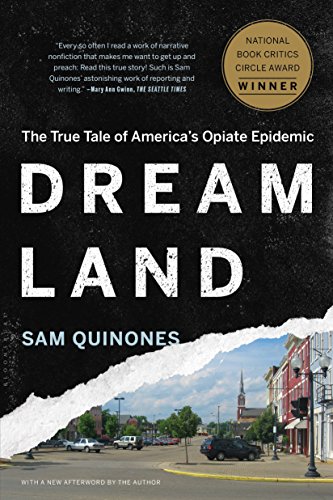
Chris Messina, known as the inventor of the hashtag and a product designer with a deep curiosity about societal issues, lends his endorsement to this book, signaling its importance for anyone seeking to understand the epidemic's roots. His background in technology and communication underscores the need for clear narratives about complex crises like the opioid epidemic. This book’s blend of investigative journalism and storytelling aligns with the depth of insight someone of Messina’s analytical mindset would appreciate. Additionally, Gustavo Arellano, a syndicated columnist and expert on Mexican-American issues, praises the book’s sharp writing and breadth, reinforcing its authority on the nexus of drug policy and immigration.
“Dreamland spreads out like a transnational episode of The Wire, alternately maddening, thrilling, depressing, and with writing as sharp and insightful as a razor blade. You cannot understand our drug war and Mexican immigration to the United States without reading this book.” (from Amazon)
Sam Quinones is a journalist, former LA Times reporter, author and storyteller. His new book of narrative nonfiction - DREAMLAND: The True Tale of America's Opiate Epidemic - was published in 2015 by Bloomsbury Press. It has received rave reviews from Salon.com, Christian Science Monitor, Kirkus Reviews, and a bunch of Amazon.com readers. DREAMLAND recounts twin tales of drug marketing: A pharmaceutical corporation flogs its legal new opiate painkiller as nonaddictive; immigrants from a small town in Nayarit, Mexico devise a method for retailing black-tar heroin like pizza and take that system nationwide riding a wave of pill addiction. The result is our current scourge of opiate - pain pills and heroin - addiction. A reporter for almost 30 years, Quinones lived and worked as a freelance writer in Mexico from 1994 to 2004. He spent time with gang members and governors, taco vendors and Los Tigres del Norte. He wrote about soap operas, and he lived briefly in a drug-rehabilitation clinic in Zamora, while hanging out with a street gang. He did the same with a colony of transvestites in Mazatlan, with the merchants in the Mexico City neighborhood of Tepito, and with the relegated PRI congressmen known as the Bronx. He hung out with the promoters of Tijuana's opera scene and with the makers of plaster statues of Mickey Mouse and Spiderman in that city's Colonia Libertad. His previous two acclaimed books of narrative nonfiction about Mexico and Mexican immigration made him, according to the SF Chronicle Book Review, 'the most original writer on Mexico and the border.' His first book -- True Tales From Another Mexico: The Lynch Mob, the Popsicle Kings, Chalino and the Bronx (Univ. of New Mexico Press, 2001) -- is a collection of nonfiction stories about contemporary Mexico. His second -- Antonio's Gun and Delfino's Dream: True Tales of Mexican Migration (UNM Press, 2007) -- was called 'genuinely original work, what great fiction and nonfiction aspire to be, these are the stories that stop time and remind us how great reading is.' (S.F. Chronicle). In 1998, he received a Alicia Patterson Fellowship, and Columbia University's Maria Moors Cabot Prize in 2008, for a career of excellence in reporting about Latin America. He returned to the United States in 2004 to take a job with the LA Times, where for 10 years he wrote stories about immigrants, street gangs, drug trafficking, and marijuana growers in Northern California. Contact him at www.samquinones.com
Sam Quinones, a journalist with decades covering Mexico and immigration, wrote this book to untangle the complex story behind America's opioid crisis. You’ll learn how corporate marketing of prescription painkillers and an unexpected heroin distribution network from Mexico converged to devastate small-town America, illustrated through vivid profiles of affected communities and individuals. The book digs into the social, economic, and political forces fueling the epidemic, offering insights into addiction’s roots beyond simple drug use. If you want to understand the epidemic’s human and systemic dimensions, this narrative’s detailed storytelling will deepen your perspective.
Winner of the NBCC Award for General Nonfiction
Named on Slate's 50 Best Nonfiction Books of the Past 25 Years
Natalie Shure, head of research at Adam Ruins It and contributor to major outlets like The Atlantic and The Daily Beast, praises this book for its depth and clarity, calling it absolutely superb and urging organizers to take her recommendation seriously. Her insight comes from rigorous engagement with social movements, and she found David France’s account both illuminating and essential for understanding the power of grassroots activism. Madhu Pai, director at McGill Global Health, also underscores its value, highlighting how it serves as a strategic guide for anyone involved in health advocacy. Their combined perspectives make this a must-read for those aiming to grasp how communities can shape epidemic responses.
“I finished this book last week and it was absolutely superb. I’d highly recommend it to any organizer! Even if you’ve already seen the companion doc (which is also great!) this adds a lot. I have great taste and you should take this rec very seriously.” (from X)
David France, an investigative journalist and filmmaker deeply engaged with AIDS activism, presents a detailed chronicle of how grassroots movements reshaped the fight against a devastating epidemic. You’ll gain insight into how activists educated themselves to challenge pharmaceutical giants, influence research, and demand access to life-saving treatment—skills that extend beyond advocacy into understanding public health policy dynamics. Chapters vividly depict the rise of ACT UP and the Treatment Action Group, illustrating the complex interplay between citizen power and science. This book suits anyone interested in the intersection of civil rights and medical history, especially those looking to grasp how communities can drive change amid public health crises.
Dan Royles, assistant professor of history at Florida International University, brings authoritative insight into African American activism related to health and social justice. His focus on the decades-long fight against HIV/AIDS in Black communities offers you a nuanced understanding drawn from diverse activist voices, making this book a valuable exploration of epidemic history through the lens of justice and power.
Dan Royles is assistant professor of history at Florida International University. His work focuses on the history of African American activism, particularly in relation to health and social justice issues.
Dan Royles, an assistant professor specializing in African American activism and health justice, draws on extensive historical research to reveal how African American communities confronted the HIV/AIDS crisis. You gain insight into a rich tapestry of activists—from medical professionals to church leaders—who challenged stigma and mobilized resources in the face of neglect and denial. The book details grassroots strategies across cities like Philadelphia and Atlanta, highlighting the complex social and political dimensions that shaped the epidemic's impact. This narrative is especially insightful if you want to understand the intersection of race, activism, and public health history beyond medical facts alone.
The best Epidemic books and more, in your inbox each week. No account needed.
Conclusion
This collection of 20 books reveals three clear themes: the human stories behind epidemics, the critical role of leadership and policy, and the scientific innovation that shapes epidemic response. If you're grappling with understanding past epidemic failures, start with books like "Preventable" and "Uncontrolled Spread" for insights on leadership and systemic challenges. For rapid immersion in vaccine development and medical breakthroughs, pair "A Shot to Save the World" with "Vaxxers."
For those interested in social movements and activism, "How to Survive a Plague" and "To Make the Wounded Whole" offer powerful narratives of community-driven change. Alternatively, you can create a personalized Epidemic book to bridge the gap between general principles and your specific situation.
These books can help you accelerate your learning journey, deepen your understanding, and equip you to engage thoughtfully with epidemic challenges today and tomorrow.
Frequently Asked Questions
I'm overwhelmed by choice – which epidemic book should I start with?
Start with "And the Band Played on" for a gripping history of the AIDS epidemic, or "The Premonition" for an insider look at pandemic response. These provide strong foundations before exploring specialized topics.
Are these books too advanced for someone new to epidemic studies?
Not at all. Many books, like "The Great Influenza" and "Spillover," are written to be accessible while offering rich insights, making them suitable for beginners interested in epidemics.
Should I read the newest books or the classics first?
A balanced approach works best. Classics like "The Great Influenza" provide historical context, while newer titles like "Preventable" offer contemporary analysis. Together, they paint a full picture.
Do any of these books contradict each other?
Some perspectives differ, especially on political responses or vaccine debates, which reflects the complex nature of epidemics. Engaging with varied viewpoints enriches your understanding.
Which books focus more on practical epidemic management versus theory?
Books like "American Crisis" and "Uncontrolled Spread" focus on leadership and policy decisions, offering practical lessons. Others like "Spillover" delve into theory and science behind epidemics.
How can I apply the knowledge from these books to my specific interests or situation?
While these books offer expert insights, personalized Epidemic books can tailor content to your background and goals, bridging general knowledge with your unique needs. Explore personalized Epidemic books here.
📚 Love this book list?
Help fellow book lovers discover great books, share this curated list with others!