23 Pandemic Books That Separate Experts from Amateurs
Recommended by Piers Morgan, Rajeev Chandrasekhar, Angela Merkel, and other top voices to deepen your understanding of pandemics
Updated on June 24, 2025·We may earn commissions for purchases made via this page
11 of 23 books have Audiobook versions
We're launchingLaunching on Product Hunt today 🎉We just launchedJust launched on Product Hunt 🎉
Modelpeers, from the BookAuthority teamFrom the BookAuthority team: Modelpeers, a free way to follow AI models and agents like you follow people. We'd love your support.
What if the key to navigating the next global health crisis lies in the pages of books already written? The COVID-19 pandemic reshaped how we live and think, exposing gaps in knowledge and response that only careful study can bridge. Experts from diverse fields have turned to authoritative books to dissect the virus’s origin, societal impacts, and the path forward.
Voices You Can Trust
Rajeev Chandrasekhar, a tech investor deeply engaged in pandemic discourse, spotlights Viral for its rigorous inquiry into COVID-19’s origins. Meanwhile, Angela Merkel, former Chancellor of Germany, endorses The Vaccine for its detailed account of scientific breakthrough under pressure. Journalist Piers Morgan highlights The Power of Hope for a poignant look into caregiving during the crisis. Their recommendations, among others, provide a roadmap through complex pandemic narratives.
Enhance Your Pandemic Understanding
While these expert-curated books provide proven frameworks and insights, you might find value in creating a personalized Pandemic book. Tailored to your background, experience level, and learning goals, it builds on these foundations to offer content uniquely relevant to you.
Rajeev Chandrasekhar, a tech investor and BJP MP, highlighted this book during the ongoing global crisis as a key investigation into the origins of COVID-19. His endorsement reflects deep engagement with the pandemic’s complexities, noting the book’s effort to unravel the virus’s mysterious beginnings. "Reading this very interesting book by Ayjchan and Matt Ridley that tries to investigate origins of COVID-19 that caused the last 24-25 months of nightmare for the world and all of us," he said, underscoring its relevance in understanding the pandemic’s impact. Alongside him, Nick Gillespie, editor at large for Reason magazine, praised the book’s exploration of the lab-leak theory, describing it as an incredible resource that challenges readers to rethink established views.
“Reading this very interesting book by Ayjchan and Matt Ridley that tries to investigate origins of COVID-19 that caused the last 24-25 months of nightmare for the world and all of us.” (from X)
Matt Ridley's books—including The Red Queen, Genome, The Rational Optimist, The Evolution of Everything, How Innovation Works, and most recently, Viral: the Search for the Origin of Covid-19 (with Alina Chan)—have sold over a million copies, been translated into 31 languages, and won several awards. He sat in the House of Lords from 2013 and 2021, and was founding chairman of the International Centre for Life in Newcastle. He created the “Mind and Matter” column in the Wall Street Journal in 2010, and was a columnist for the Times. He is a fellow of the Royal Society of Literature and of the Academy of Medical Sciences, and a foreign honorary member of the American Academy of Arts and Sciences. He lives in Northumberland.
Matt Ridley, a fellow of the Royal Society of Literature and the Academy of Medical Sciences, teamed up with molecular biologist Alina Chan to probe one of the most contentious questions of recent times: the origin of COVID-19. The book guides you through their painstaking investigation into the virus’s emergence, covering the complex interplay between natural outbreaks and lab-related scenarios, with lucid explanations about virology labs and bat reservoirs. You’ll gain insights into how epidemiological clues and genetic data are pieced together to unravel the puzzle, including detailed examinations of Wuhan’s animal markets and laboratories. If you seek a rigorous, evidence-driven account that challenges prevailing narratives, this book offers a thoughtful, if sometimes provocative, journey into pandemic origins.
Angela Merkel, former Chancellor of Germany, brings a unique perspective to this book, having witnessed the pandemic’s upheaval firsthand. She notes, "I have now read the book by Joe Miller about the development of the vaccine at BioNTech. Ugur Sahin had already understood the scale of the pandemic on 24 January. I wasn't that quick." Merkel’s insight highlights the book’s value in capturing the urgency and innovation behind BioNTech’s efforts. The endorsement from the Financial Times (FT People of the Year) further underscores the vaccine as a symbol of scientific and business triumph during a global crisis.
“I have now read the book by Joe Miller about the development of the vaccine at BioNTech. Ugur Sahin had already understood the scale of the pandemic on 24 January. I wasn't that quick.”
Joe Miller is the Frankfurt correspondent for Financial Times. He previously reported for BBC News in London, New York, Delhi, and Berlin. Dr. Ugur Sahin and Dr. Özlem Türeci are the husband-and-wife team that cofounded BioNTech, developers of the world’s first COVID-19 vaccine. The children of Turkish migrant workers in Germany, they trained as medical doctors and earned doctorates in molecular biology and immunotherapy. They have done extensive work in the field of translational oncology and written hundreds of scientific papers and patents. Sahin and Türeci received the 2022 Paul Ehrlich Prize for their contributions to research into mRNA technology.
Joe Miller, the Financial Times correspondent who covered BioNTech’s COVID-19 efforts in real time, offers a detailed chronicle of how Ugur Sahin and Özlem Türeci harnessed decades of cancer immunotherapy research to develop the first mRNA-based COVID-19 vaccine. You learn not only the scientific principles behind messenger RNA technology but also the hurdles of scaling production, navigating political pressures, and convincing skeptics in the pharmaceutical industry. The book walks you through key moments from the initial outbreak to global vaccine rollout, making it especially insightful if you want to understand the intersection of science, business, and public health during a pandemic. This is suited for those curious about vaccine development and the real-world challenges behind rapid medical innovation.
This AI-created book on pandemic science is tailored to your background and specific interests. It combines expert knowledge with your goals to create a focused learning experience. You get a personalized guide that breaks down complex pandemic topics into insights most relevant to you. This approach helps you grasp key concepts and challenges efficiently, making your study of pandemics both meaningful and manageable.
TailoredRead AI creates personalized nonfiction books that adapt to your unique background, goals, and interests. Instead of reading generic content, you get a custom book written specifically for your profession, experience level, and learning objectives. Whether you're a beginner looking for fundamentals or an expert seeking advanced insights, TailoredRead crafts a book that speaks directly to you. Learn more.
2026·50-300 pages·Pandemic, Pandemic Science, Public Health, Virus Transmission, Policy Analysis
This tailored book explores the complex science, policy, and responses surrounding pandemics, focusing on your unique interests and background. It reveals how pandemics unfold, examines public health measures, and covers the evolving nature of viruses and societal impacts. By offering a personalized pathway through intricate expert knowledge, it matches your goals and helps deepen your understanding without overwhelming you with irrelevant details. The book synthesizes current research and real-world responses to illuminate critical lessons in managing pandemic challenges.
With this personalized guide, you engage deeply with pandemic dynamics, policy decisions, and response evaluations tailored to your specific needs, making the learning experience both relevant and enriching.
Arianna Huffington, co-founder of The Huffington Post, highlights the unique breadth of Fareed Zakaria's work, praising how it weaves together geopolitics, markets, and unexpected elements like poetry and philosophy. She appreciates how the book transcends typical pandemic narratives to offer a richer understanding of global shifts. This perspective helped her grasp the complex interplay of cultural and political forces during COVID-19. Similarly, Barham Salih, President of Iraq, finds Zakaria's analysis insightful, noting its lucid navigation of pandemic-driven challenges and its hopeful message that the future remains open to shaping by smart policies.
“One of my favorite things about Fareed Zakaria's book just published this week, Ten Lessons for a Post-Pandemic World, is that it's not just about geopolitics, governments and markets but also brings in poetry, literature and philosophy.” (from X)
Fareed Zakaria is the host of CNN’s flagship international affairs show, Fareed Zakaria GPS, as well as weekly columnist for the Washington Post. He is the author of four New York Times bestsellers, including his last one, Ten Lessons for a Post-Pandemic World. He lives in New York City.
2020·320 pages·Pandemic, Strategy, Geopolitics, Global Economics, Technology
Fareed Zakaria challenges the conventional wisdom that the pandemic's effects are merely temporary disruptions. Drawing on his experience as CNN's international affairs host and Washington Post columnist, he explores how COVID-19 accelerates forces reshaping global politics, economics, and technology. You gain insights into ten distinct lessons—from biological risks to the rise of digital life and shifting world orders—that encourage thinking beyond immediate crises toward long-term societal changes. This book suits you if you're interested in understanding the pandemic's deeper global ripple effects and the emerging post-pandemic landscape with clear-eyed analysis and broad context.
Matthew Yglesias, a respected journalist known for his political commentary, highlights the significance of Andrew Cuomo’s book during a time when leadership was desperately needed. Reflecting on the pandemic’s chaos, Yglesias points out, "It’s amazing that it’s Andrew Cuomo and not Janet Mills who has the book," underscoring Cuomo’s central role in the crisis narrative. This perspective reveals how Cuomo’s data-driven and communicative approach reshaped public understanding of pandemic governance. Additionally, Barbra Streisand praises Cuomo’s calm and science-based leadership, reinforcing the book’s value for those seeking insight into effective crisis management.
Andrew Cuomo was the 56th Governor of New York. He is the author of All Things Possible: Setbacks and Success in Politics and Life and Crossroads: The Future of American Politics.
Andrew Cuomo, former Governor of New York, chronicles his leadership during the COVID-19 pandemic when New York was the epicenter of the outbreak. Drawing from firsthand experience, Cuomo details the urgent decisions, data-driven strategies, and communication tactics he employed to flatten the infection curve amidst unprecedented challenges. You’ll gain insight into crisis management, public health policy, and the political tensions that influenced the response, especially through his candid reflections on federal and local interactions. This book suits those interested in leadership under pressure, pandemic response frameworks, and the complexities of governing during a public health emergency.
Piers Morgan, a well-known English broadcaster, brings his media expertise and public insight to his pandemic reading recommendations. After witnessing the profound effects of Covid-19 in society, he highlights Kate Garraway's memoir for its raw and heartfelt portrayal of personal struggle and hope. He calls it "An incredibly powerful, brave & inspiring book by a remarkable lady," underscoring the emotional depth and courage found in her story. Morgan appreciates how this memoir offers a window into the pandemic's human toll, challenging readers to reflect on resilience and the power of hope.
Kate Garraway is a renowned TV presenter and journalist, known for her work on Good Morning Britain. She has gained significant public attention for her personal journey during her husband Derek Draper's battle with Covid-19, which has inspired many. Her memoir, The Power of Hope, shares her emotional experiences and the strength she found in hope during challenging times.
Kate Garraway, a seasoned journalist and television presenter, offers a deeply personal account of coping with the prolonged critical illness of her husband due to Covid-19. Through candid storytelling, you gain insight into managing emotional turmoil, supporting loved ones, and finding resilience amid uncertainty. The book explores themes of caregiving, mental strength, and community support, with chapters detailing the daily realities of living with a long-term pandemic impact. This memoir will resonate most with those navigating health crises or seeking understanding of the human side of the pandemic experience.
This AI-created book on pandemic recovery is tailored to your unique background, interests, and goals. It focuses on creating a practical, step-by-step plan to help you adapt quickly and effectively through the challenges of pandemic aftermath. By concentrating on what matters most to you, the book offers clear guidance that complements expert knowledge while addressing your personal recovery journey.
TailoredRead AI creates personalized nonfiction books that adapt to your unique background, goals, and interests. Instead of reading generic content, you get a custom book written specifically for your profession, experience level, and learning objectives. Whether you're a beginner looking for fundamentals or an expert seeking advanced insights, TailoredRead crafts a book that speaks directly to you. Learn more.
2026·50-300 pages·Pandemic, Pandemic Recovery, Adaptive Health, Mental Resilience, Social Reintegration
This tailored book explores a personalized 30-day plan designed to help you navigate the challenges of pandemic recovery with clarity and confidence. It covers essential concepts such as adaptive health practices, mental resilience, social reintegration, and community safety measures, all aligned with your unique background and goals. By focusing on your specific interests, this book bridges expert knowledge with practical, individualized steps to regain stability and well-being.
It examines how to integrate evolving health guidelines with personal circumstances, revealing pathways for effective adjustment and sustained recovery. The tailored approach ensures that every chapter addresses your needs, making complex pandemic recovery concepts accessible and immediately applicable.
Mark R. Levin, a conservative radio host known for his incisive commentary, highlighted this book amid a time when clarity was scarce. He called it "Marc Siegel's great new book is out! COVID: The Politics of Fear and the Power of Science," underscoring its timely relevance. Levin credits Siegel's expertise for helping listeners cut through the noise of fear and misinformation. Adding to the weight, Tucker Carlson praised Siegel as the go-to expert on medicine and science during the crisis, recommending this book as a foundational read to understand COVID's complexities.
Marc Siegel M.D., is a leading medical expert on the global Covid-19 pandemic and the chief medical analyst for FOX News. President Donald Trump, in an exclusive interview, calls Dr. Siegel one of his primary “guides” to the Covid-19 pandemic. Dr. Siegel is a member of the board of contributors at USA Today, a columnist for The Hill, a contributor to the Wall Street Journal, a clinical professor of medicine at NYU Langone Health and the medical director for Doctor Radio on SiriusXM. Dr. Siegel is also the author of False Alarm: The Truth About the Epidemic of Fear, The Inner Pulse: Unlocking the Secret Code of Sickness and Health, the novel Bellevue, as well as other books on flu. With over 30 years of experience in the medical field, Dr. Siegel has written extensively on health, outbreaks and pandemics.
When Marc Siegel realized how fear shaped public responses to COVID-19, he set out to untangle fact from fiction in a climate overwhelmed by panic and misinformation. Drawing on his decades as a medical analyst and professor, he explores how government, media, and psychology fuel a culture of fear that often eclipses scientific understanding. You’ll gain insight into distinguishing real risks from hype, with chapters dissecting media coverage and political agendas that influence public perception. This book suits anyone seeking a clearer, science-based view of the pandemic's complex social and medical landscape, though if you prefer purely clinical discussions, this might feel broad at times.
Jason Leitch, National Clinical Director and Senior Health Fellow, shared how interviewing Devisridhar during the AyeWrite festival led him to appreciate the candid and occasionally humorous tone of this Sunday Times bestseller. His expertise in health policy and pandemic response gives weight to his endorsement, reflecting on the book's honest portrayal of leadership struggles during COVID-19. Jon Cooper, Chairman of the Democratic Coalition, also praises the book's gripping inside perspective on America’s pandemic failures, highlighting its ability to keep readers engaged. Together, these experts underscore the book's value in revealing the complex realities behind the U.S. coronavirus response.
“Great privilege to interview Devisridhar at AyeWrite tonight. Insightful, honest and even a little funny…just like the Sunday Times Bestselling book. Preventable.” (from X)
Andy Slavitt was President Biden’s White House Senior Advisor for the Covid response at the beginning of his term where he oversaw direct communication with the public on the pandemic. He has led many of the nation’s most important health care initiatives, serving as President Obama’s head of Medicare and Medicaid and overseeing the turnaround, implementation and defense of the Affordable Care Act. Slavitt is the “outsider’s insider”, serving in leading private and non-profit roles in addition to his government services. He is founder and Board Chair Emeritus of United States of Care, a national non-profit health advocacy organization as well as a founding partner of Town Hall Ventures, a healthcare firm that invests in underrepresented communities. He co-chaired a national initiative on the future of health care at the Bipartisan Policy Center. He chronicles what goes on inside the government and across the nation at town halls, in USA Today, and on Twitter. A graduate of the University of Pennsylvania and Harvard Business School, he and his wife have two grown sons.
The counterintuitive approach that changed Andy Slavitt's perspective reveals how deep-rooted political and leadership failures shaped the U.S. response to the coronavirus pandemic. Drawing on his extensive experience as a senior advisor in Biden's administration and former head of Medicare and Medicaid, Slavitt takes you behind closed doors to witness decisions that cost lives and how systemic issues in healthcare and politics worsened the crisis. You gain a clear view of both the personal and institutional dynamics at play, with vivid accounts of frontline struggles and policy battles. This book is especially suited for those seeking to understand the intersection of health policy and leadership during a public health emergency, rather than just clinical or epidemiological details.
Erica Werner, a Washington Post congressional reporter known for her in-depth coverage of health policy, highlights how this book offers a definitive and detailed account of the U.S. government's pandemic response. She urges readers to pre-order, noting how the authors, two of the Post’s best journalists, reveal many behind-the-scenes details that illuminate the failures and controversies. This perspective helped her grasp the complex layers of political interference and public health consequences during COVID-19. Additionally, Eric Feiglding, an epidemiologist and health economist, underscores the book’s rich interviews and stories, emphasizing the preventable nature of much of the pandemic’s tragedy.
“Pre-order now!! This book by two of the Post’s best journalists is going to be the definitive account of our government’s handling of the pandemic with lots of juicy deets” (from X)
Yasmeen Abutaleb covers health policy for the Washington Post. She chronicled the Trump administration’s coronavirus response and White House task force in 2020. She previously reported for Reuters.
Drawing from their deep experience covering health policy for the Washington Post, Yasmeen Abutaleb and Damian Paletta deliver a detailed chronicle of the Trump administration's chaotic response to the COVID-19 pandemic. You learn how political decisions clashed with scientific guidance, revealing the internal conflicts and missed opportunities that shaped the U.S. pandemic trajectory. This book is especially useful if you want to understand the intersection of politics, public health, and crisis management during a global emergency. It lays bare the administration’s resistance to expert advice, with vivid accounts of key moments like the White House outbreak and the sidelining of health agencies.
Mercedes Schlapp, a senior advisor for the Trump-Pence campaign, highlights this book during her pandemic reflections, stating, "I’m reading Scott Gottlieb's book. It is a must read. His book lays out what has worked and what did not work on handling the pandemic." Her endorsement carries weight given her political background and focus on public policy. The inside perspective Gottlieb shares helped shape her understanding of the complex failures and successes during COVID-19. Following her lead, Cathy Young, a journalist known for nuanced analysis, also praises it as an "excellent, thoughtful and deeply informative essay on COVID-19," underscoring the book's broad appeal among experts seeking clarity on pandemic response.
Dr. Scott Gottlieb served as the twenty-third commissioner of the US Food and Drug Administration and is a resident fellow at the American Enterprise Institute. He is a regular contributor to the business news channel CNBC and a partner at the venture capital firm New Enterprise Associates. Dr. Gottlieb serves on the board of directors of the pharmaceutical company Pfizer Inc. and the genomic sequencing company Illumina, Inc. Fortune magazine has recognized him as one of the “World’s 50 Greatest Leaders,” and Time magazine has named him one of its “50 People Transforming Healthcare.” A graduate of Wesleyan University and the Mount Sinai School of Medicine, Dr. Gottlieb is an elected member of the National Academy of Medicine. He lives with his family in Westport, Connecticut.
Scott Gottlieb's extensive experience as FDA commissioner and healthcare leader shapes this critical examination of America's faltering COVID-19 response. You gain insight into systemic failures, such as the CDC's operational blind spots and political missteps that hindered effective action. Chapters detail why assumptions about virus transmission and public compliance fell short, revealing the need for integrating intelligence agencies into public health. This book is particularly useful if you want to understand the intersection of policy, science, and crisis management during pandemics and what concrete steps are necessary to prepare for future outbreaks.
Bernie's Tweets, with extensive experience as a CEO and board member in FMCG and global manufacturing, highlights the controversial nature of this book by pointing out its challenge to mainstream narratives: "A STATE OF FEAR - Described by @DAaronovitch as 'an outrageously dumb book selling conspiracy hooey' Turns out Laura’s best seller was absolutely correct!" This endorsement signals a provocative reexamination of government pandemic tactics. Alongside, Neil Oliver, a television presenter and historian, shares a deeply reflective take on the societal fractures caused by fear during lockdown, emphasizing the book’s urgent airing of public anxiety and the long-term consequences for democracy and community cohesion.
“A STATE OF FEAR - Described by @DAaronovitch as “an outrageously dumb book selling conspiracy hooey” Turns out Laura’s best seller was absolutely correct! It’s time you wrote a new article David, or does that conflict with your commitment to the State?” (from X)
Laura Dodsworth is an author, journalist, photographer, and commentator, described as a ‘latter-day punchy Cassandra’ and a ‘Slayer of Taboos’. Her previous books include 'Bare Reality: 100 women, their breasts, their stories', 'Manhood: The Bare Reality', and 'Womanhood: The Bare Reality', which have attracted worldwide media coverage and excellent reviews. Laura and the creation of 'Womanhood' were the subject of a documentary for Channel 4, '100 Vaginas', which received 5-star reviews and has been broadcast around the world.
What if everything you knew about the government's pandemic messaging was wrong? Laura Dodsworth, an author and journalist known for her candid explorations of societal taboos, unpacks how fear was deliberately leveraged by the UK government during Covid-19. You’ll discover how behavioural science and nudge theory were used to influence public perception, backed by interviews with psychologists, politicians, and journalists. The book goes beyond statistics to reveal the emotional toll of fear, with personal stories illuminating its impact on mental health and social trust. If you want to understand the psychological and political dynamics behind the pandemic response, this book gives you a nuanced lens to do so.
Adar Poonawalla, CEO of the Serum Institute of India and a key figure in vaccine development, brings a unique perspective to this book. Having dedicated his career to expanding vaccine access, his endorsement highlights how Bill Gates' insights resonate deeply within the global health community. Poonawalla notes, "He has saved millions of lives through his work at Gates Foundation supporting the vaccine industry including Serum Institute over several decades. I enjoyed reading Bill Gates' latest book; extremely insightful and I’m optimistic that if world leaders take note, we may prevent the next pandemic." This recommendation underscores the book's practical relevance and potential impact. Additionally, Publisher's Weekly praises Gates' realistic yet hopeful approach to global health policy, reinforcing the book's value to anyone invested in pandemic preparedness.
“He has saved millions of lives through his work at Gates Foundation supporting the vaccine industry including Serum Institute over several decades. I enjoyed reading Bill Gates' latest book; extremely insightful and I’m optimistic that if world leaders take note, we may prevent the next pandemic.” (from X)
Bill Gates is a technologist, business leader, and philanthropist. In 1975, he co-founded Microsoft with his childhood friend Paul Allen and today he is chair of the Gates Foundation. Bill is the founder of Breakthrough Energy, an effort to commercialize clean energy and other climate-related technologies, and TerraPower, a company investing in developing groundbreaking nuclear technologies. He has three children.
The breakthrough moment came when Bill Gates, drawing on decades of experience leading the Gates Foundation, laid out a coordinated global approach to pandemic prevention. You gain a clear understanding of infectious disease science and the systemic failures that allowed COVID-19 to wreak havoc. Chapters detail practical steps governments and private sectors must take, such as building rapid-response systems and investing in vaccine infrastructure. If you want to grasp both the science and policy shifts needed to stop future respiratory pandemics, this book offers a grounded roadmap without sugarcoating the challenges.
Kaleigh Rogers, a seasoned reporter covering politics, tech, and science for outlets like FiveThirtyEight and The New York Times, highlights Spillover as a standout. She notes, "Spillover is a fantastic book though. I'd also recommend Pandemic and/or The Fever by Sonia Shah." Her endorsement stems from the book’s clear-eyed investigation into animal-to-human disease transmission, offering a nuanced perspective amid rising global health concerns. Additionally, The Seattle Times praises Quammen as one of the best science writers, comparing Spillover’s gripping narrative to The Hot Zone, underscoring its vivid storytelling and scientific rigor.
David Quammen is the author of a dozen fiction and nonfiction books, including Blood Line and The Song of the Dodo. He has been honored with the John Burroughs Medal for nature writing, an Academy Award in Literature from the American Academy of Arts and Letters, an award in the art of the essay from PEN, and (three times) the National Magazine Award. Quammen is also a contributing writer for National Geographic. He lives in Bozeman, Montana.
David Quammen's decades of nature writing and deep science journalism shape Spillover into an insightful exploration of zoonotic diseases. You learn how diseases like Ebola and SARS transfer from animals to humans through detailed field accounts, such as bat netting in China and gorilla tracking in Congo. This book unpacks complex epidemiological patterns without oversimplifying, giving you a grounded understanding of spillover events and their global impact. It’s particularly suited for those eager to grasp the biological and environmental factors driving pandemics beyond headlines.
The Wall Street Journal, a leading financial and news publication, highlights how Catharine Arnold captures the human side of the 1918 pandemic, focusing on civilians, troops, and medical personnel alike. Their endorsement notes, "[Catharine Arnold] is good at looking at civilians as well as troops and their nurses and doctors and at teasing out the human side of the catastrophe… powerful stories of ordinary people." This perspective helped deepen understanding of the pandemic's widespread impact beyond statistics. Publisher's Weekly echoes this, emphasizing the book's sobering reminder about pandemic threats, which adds to its importance for anyone studying public health crises.
“[Catharine Arnold] is good at looking at civilians as well as troops and their nurses and doctors and at teasing out the human side of the catastrophe… powerful stories of ordinary people.”
Catharine Arnold studied English at Girton College, Cambridge and holds a further degree in psychology. A journalist, academic, and popular historian, her previous books include The Sexual History of London, Necropolis, and Bedlam. Arnold's latest work, Pandemic 1918, provides a comprehensive account of the Spanish Flu, drawing on primary and archival sources to present a global perspective on the epidemic's impact.
Drawing from her background in English and psychology, Catharine Arnold crafts a vivid narrative of the 1918 Spanish Flu pandemic, weaving together firsthand accounts from civilians, soldiers, nurses, and doctors. You’ll gain insight into how governments concealed the outbreak to protect morale, the staggering human toll, and the medical community's struggle after World War I. Chapters detail the mass burials in Philadelphia and the global reach of the virus, offering a sobering look at a health crisis that shaped history. This book suits anyone interested in medical history or the human stories behind pandemics.
Jeff Dean, Senior Fellow and SVP at Google AI Research and Health, highlighted this book while exploring pandemic literature during social distancing. He noted, "Thanks for the pointer, @joetimmons79! Also, looks like John Barry, the speaker in the video, is an author, & has an interesting book about the 1918 flu... I've added to my queue." His endorsement comes from deep experience in health-related AI research, valuing Barry's thorough historical perspective. Indra Nooyi, former CEO of PepsiCo, also praised the book for its insight into the 1918 flu, sharing how it informed her work on reopening strategies during COVID-19, underscoring its relevance to current public health challenges.
Senior Fellow & SVP, Google AI Research and Health
“Thanks for the pointer, @joetimmons79! Also, looks like John Barry, the speaker in the video, is an author, & has an interesting book about the 1918 flu (if flu pandemic books while social distancing is your cup of tea: I've added to my queue):” (from X)
John M. Barry is a prize-winning and New York Times best-selling author whose books have won several dozen awards. In 2005 the National Academies of Science named The Great Influenza: The story of the deadliest pandemic in history, a study of the 1918 pandemic, the year’s outstanding book on science or medicine. In 1998 Rising Tide: The Great Mississippi Flood of 1927 and How It Changed America, won the Francis Parkman Prize of the Society of American Historians for the year’s best book of American history. His latest book is Roger Williams and The Creation of the American Soul: Church, State, and the Birth of Liberty, which has been named a finalist for the Los Angeles Times Book Prize, to be awarded late spring 2013. His writing has received not only formal awards but less formal recognition as well. In 2004 GQ named Rising Tide one of nine pieces of writing essential to understanding America; that list also included Abraham Lincoln’s Second Inaugural Address and Martin Luther King’s “Letter from Birmingham Jail.” His first book, The Ambition and the Power: A true story of Washington, was cited by The New York Times as one of the eleven best books ever written about Washington and the Congress. His second book The Transformed Cell: Unlocking the Mysteries of Cancer, coauthored with Dr. Steven Rosenberg, was published in twelve languages. He has had considerable influence on both pandemic policy and flood protection. Both the Bush and Obama administrations sought his advice on influenza preparedness and response, and he was a member of the original team which developed plans for non-pharmaceutical interventions to mitigate a pandemic. The National Academies of Science asked him to give the keynote speech at its first international scientific meeting on pandemic influenza, and he was the only non-scientist on a federal government Infectious Disease Board of Experts. In the area of water resources, he has been equally active. In 2006 he became the only non-scientist ever to give the National Academies annual Abel Wolman Distinguished Lecture, a lecture which focuses on some aspect of water. After Hurricane Katrina, the Louisiana congressional delegation asked him to chair a bipartisan working group on flood protection, and he now serves on the board overseeing levee districts in metropolitan New Orleans and on the Louisiana Coastal Protection and Restoration Authority, which is responsible for the state's hurricane protection. Barry has worked with state, federal, United Nations, and World Health Organization officials on influenza, water-related disasters, and risk communication. Barry sits on advisory boards at M.I.T’s Center for Engineering Systems Fundamentals and the Johns Hopkins Bloomberg School of Public Health as well as on the board of the Society of American Historians and American Heritage Rivers. He has also been keynote speaker at such varied events as a White House Conference on the Mississippi Delta and an International Congress on Respiratory Viruses, and he has given talks in such venues as the National War College, the Council on Foreign Relations, Harvard Business School, and elsewhere. He is co-originator of Riversphere, a $100 million center being developed by Tulane University; it will be the first facility in the world dedicated to comprehensive river research. His articles have appeared in such scientific journals as Nature and Journal of Infectious Disease as well as in lay publications ranging from Sports Illustrated to The New York Times, The Washington Post, Fortune, Time, Newsweek, and Esquire. A frequent guest on every broadcast network in the US, he has appeared on such shows as NBC's Meet the Press, ABC's World News, and NPR's All Things Considered, and on such foreign media as the BBC and Al Jazeera. He has also served as a consultant for Sony Pictures and contributed to award-winning television documentaries. Before becoming a writer, Barry coached football at the high school, small college, and major college levels. Currently Distinguished Scholar at the Center for Bioenvironmental Research of Tulane and Xavier Universities, he lives in New Orleans.
Drawing from his extensive background advising government and health organizations, John M. Barry delivers a detailed examination of the 1918 influenza pandemic that reshaped public health responses. You’ll gain insight into how science and politics collided during that crisis, learning why transparent communication and trust are crucial in managing pandemics. The book explores the social, medical, and political dynamics that influenced outcomes, with chapters detailing the virus’s spread from military camps to global devastation. It's well suited for those wanting a historical lens on epidemic management and the interplay between disease and policy.
Pierre Kory Md Mpa, an ICU and lung specialist known for co-developing evidence-based COVID treatment protocols, highlights this book as a key resource. During the pandemic's early waves, his frontline experience led him to value the insights McCullough and his co-authors share about early intervention. "I'll be watching the VSRF tonight...and afterwards, I'm going to curl up with Dr. Peter McCullough's awesome book," he said, signaling how this work deepened his understanding of the complex interplay between medicine and the powerful pharmaceutical forces shaping pandemic responses.
“I'll be watching the VSRF tonight...and afterwards, I'm going to curl up with Dr. Peter McCullough's awesome book, "The Courage to Face COVID-19".” (from X)
John Leake, Peter A. McCullough MD MPH, Robert F. Kennedy Jr.(you?)·
About the Author
John Leake studied history and philosophy with Sir Roger Scruton at Boston University. He then went to Vienna, Austria on a graduate school scholarship and ended up living in the city for over a decade, working as a freelance writer and translator.
What happens when a seasoned cardiologist and a historian confront a viral pandemic intertwined with powerful pharmaceutical interests? Dr. Peter McCullough, with years of experience in clinical investigation, co-authors this account that traces the early development of COVID-19 treatment protocols using repurposed drugs and supplements. You learn not only about the medical strategies that helped prevent hospitalizations but also the political and institutional resistance that shaped public health responses. The book is particularly insightful for anyone interested in medical ethics, public health policy, and pandemic response beyond the headlines, offering a detailed look at the clash between science and industry influence.
Harley Finkelstein, President of Shopify and a leading figure in commerce innovation, points to this book as a vital guide amid retail’s upheaval caused by the pandemic. After witnessing firsthand how COVID-19 disrupted marketplaces, he found Doug Stephens’ insights clarified the emerging retail reality. "Clears the fog around a post-pandemic retail landscape, and shines a spotlight on resilient retailers who will find a way to thrive within it," Finkelstein says, highlighting how this book reshaped his understanding of retail’s future challenges and opportunities.
Doug Stephens is one of the world’s foremost retail industry futurists. His intellectual work and creativity have shaped the strategies of many of the world’s best-known retailers, agencies and brands, including IKEA, Walmart, Estée Lauder, BMW and Google. Prior to founding Retail Prophet, Doug spent over 20 years in the retail industry, holding senior international roles including the leadership of one of New York City’s most historic retail chains. He is the author of The Retail Revival: Re-Imagining Business for the New Age of Consumerism (2013) and the international bestseller Reengineering Retail: The Future of Selling in a Post-Digital World (2017), which has now been translated into four languages. Doug is also a featured columnist for The Business of Fashion and sits on multiple academic and corporate advisory boards, including the David Sobey Centre for Innovation in Retail & Services at St. Mary’s University. His unique perspectives on retailing, business and consumer behavior have been featured in many of the world’s leading publications and media outlets including The New York Times, BBC, Wired, The Financial Times, The Wall Street Journal and Fast Company.
2021·256 pages·Retail, Pandemic, Consumer Behavior, Business Strategy, Digital Transformation
Doug Stephens draws on over two decades of experience as a retail futurist and industry insider to map out how COVID-19 has permanently altered shopping behaviors and the retail landscape. You’ll explore detailed analyses of shifting consumer motivations, evolving store formats, and the rise of digital-physical hybrid models, with chapters dissecting both immediate impacts and long-term transformations. This book suits business leaders and strategists eager to rethink retail post-pandemic, providing a grounded framework rather than hype. If you’re looking to understand why people shop differently now and how to adapt your business accordingly, Stephens offers a solid, research-driven perspective anchored in his work with major global brands.
James Rickards is a financial expert whose career spans portfolio management, law, and economics, including senior roles at Citibank and Long-Term Capital Management. As editor of Strategic Intelligence and author of multiple New York Times bestsellers, Rickards draws on decades of experience to dissect the unprecedented economic crisis triggered by the pandemic. His insider perspective sheds light on systemic risks and guides you through understanding a complex financial landscape few fully grasp.
James Rickards is the Editor of Strategic Intelligence, a financial newsletter, and Director of The James Rickards Project. He is the author of The New Case for Gold, and two New York Times best sellers, The Death of Money and Currency Wars. He is a portfolio manager, lawyer, and economist, and has held senior positions at Citibank, Long-Term Capital Management, and Caxton Associates. In 1998, he was the principal negotiator of the rescue of LTCM sponsored by the Federal Reserve. His clients include institutional investors and government directorates. He is an Op-Ed contributor to the Financial Times, Evening Standard, New York Times, and Washington Post, and has been interviewed on BBC, CNN, NPR, C-SPAN, CNBC, Bloomberg, Fox, and The Wall Street Journal. Mr. Rickards is a guest lecturer in globalization and finance at various prestigious universities and has presented papers on risk at notable institutions. He holds multiple advanced degrees and lives in New Hampshire.
What if everything you knew about economic recovery after a pandemic was wrong? James Rickards challenges the optimistic narratives surrounding post-pandemic economic revival by analyzing historical crises alongside contemporary financial data. You’ll learn why deflation, debt, and demographic shifts make this downturn unique, and how these factors could reshape the market for years. Chapters delve into banking vulnerabilities and social unrest risks, providing a clear-eyed view of the economic landscape. This book suits those aiming to understand the financial fallout of COVID-19 beyond headlines and prepare for the varying fortunes emerging from this crisis.
Joe Pags Pagliarulo, a syndicated talk show host known for his discerning voice on current events, highlights Sharri Markson's work during a time when many sought clarity on Covid-19's murky beginnings. He points to "information you'll hear nowhere else," underscoring the book's access to exclusive interviews and leaked documents. This recommendation reflects how the book challenged his understanding of the pandemic's origins and the political battles surrounding the truth, making it a valuable read for anyone determined to grasp what really happened in Wuhan.
“Author and journalist Sharri Markson up next on her book "What Really Happened in Wuhan." You must see this interview. Information you'll hear nowhere else.” (from X)
Sharri Markson is the Investigations Writer at The Australian and host of 'Sharri' on Sky News Australia. She is a two-time Walkley Award winner, the recipient of the 2018 Sir Keith Murdoch Award for Excellence in Journalism, the winner of the 2020 News Award for Investigative Journalism, a winner of four Kennedy Awards - for Journalist of the Year, Political Journalist of the Year, Columnist of the Year and Scoop of the Year - and joint winner of the 2019 Press Gallery Political Journalist of the Year award. Sharri was previously The Daily Telegraph's National Political Editor, The Australian's Media Editor, CLEO magazine editor, News Editor at Seven News and Chief of Staff and political reporter at The Sunday Telegraph.
Sharri Markson's decades of investigative journalism shaped this revealing investigation into Covid-19's origins. You gain access to firsthand interviews with whistleblowers, classified documents, and insider accounts from Washington, exposing how information was suppressed and manipulated. The book challenges prevailing narratives by detailing the secretive Wuhan lab's role in viral research and the subsequent cover-ups. If you seek a detailed, insider exploration of the pandemic's early days and want to understand the geopolitical and scientific complexities behind the crisis, this book offers crucial insights. It's especially suited for those interested in pandemic origins, investigative reporting, and political influence on public health.
Martin Kulldorff, an epidemiologist and former Harvard professor, highlights a striking detail from The Herd: "In Swedish pharmacies, when people came in asking for ‘face masks’, they were shown to the skincare aisle, which displayed various facial treatments and creams for both ageing and dirty skin." This vivid example reveals how Sweden's approach diverged sharply from global norms during the pandemic. Kulldorff’s expertise in infectious diseases lends weight to his endorsement, emphasizing the book’s value for understanding pandemic strategies from a fresh perspective. Jay Bhattacharya, a Stanford professor, also praises Anderberg's work for its insightful storytelling, further validating its relevance for those studying public health responses.
“In Swedish pharmacies, "when people came in asking for ‘face masks’, they were shown to the skincare aisle, which displayed various facial treatments and creams for both ageing and dirty skin." - Johan Anderberg in his fantastic book on the Swedish Covid response” (from X)
Johan Anderberg is a Swedish journalist and writer who has been a regular contributor to a number of Swedish and international media outlets, including the Wall Street Journal. His book The Herd, which chronicles the Swedish strategy to battle COVID-19, was published in Sweden in the spring of 2021, and will be published in the US, the UK, and Australia and New Zealand by Scribe in 2022.
What if everything you knew about pandemic response was wrong? Johan Anderberg, a seasoned Swedish journalist, takes you inside the controversial Swedish strategy during Covid-19, where lockdowns and mask mandates were largely absent. You’ll explore the reasoning behind Sweden’s herd immunity approach, learn about epidemiological concepts like R0 rates, and meet the key decision-makers through detailed accounts of meetings and email exchanges. This book is ideal if you want a nuanced understanding of pandemic policymaking without the usual media spin, especially chapters explaining the historical context of epidemiology and the government’s unique stance on masks and restrictions.
Pam Palmater, an advocate for Indigenous education and sovereignty, highlights this book as a crucial examination of eldercare during the pandemic. She emphasizes its importance in addressing fundamental human rights for seniors, stating, "Congratulations @picardonhealth This is truly a powerful book on a profoundly important issue of basic human rights for our elders." Palmater’s endorsement underscores how the book challenges readers to confront uncomfortable truths about systemic neglect and consider urgent reforms to protect vulnerable populations.
André Picard is a renowned health reporter for The Globe and Mail, specializing in eldercare and public health issues. With decades of experience, he has become a leading voice in advocating for the rights and well-being of seniors in Canada. His insightful analysis and compelling storytelling have earned him numerous accolades, including the prestigious National Newspaper Award. Picard's work sheds light on the systemic challenges faced by the elderly, particularly in long-term care facilities, and he is committed to driving change in the healthcare system.
After analyzing decades of healthcare reporting and the devastating impact of COVID-19 on long-term care homes, André Picard exposes a systemic failure in eldercare across Canada. You’ll gain a clear understanding of how institutional neglect became normalized, with chapters detailing everything from understaffed facilities to mistreatment and isolation of seniors. Picard argues convincingly for community-based aging, supportive home care, and urgent reforms to a fragmented system that too often overlooks its most vulnerable population. If you care about healthcare policy, social justice, or elder rights, this book offers a sobering yet necessary look at a crisis that demands attention.
Paul Graham, co-founder of Y Combinator, highlights this book as a key resource in understanding the pandemic's deep impact. Drawing on Nicholas A. Christakis’s extensive background as a Yale professor and physician, the book unpacks how coronavirus intersects with human nature and social structures. Christakis’s leadership of the Human Nature Lab and his work spanning sociology, medicine, and data science give this account its authoritative edge, making it an essential read for grasping the enduring changes COVID-19 has brought to our lives.
Nicholas A. Christakis is a physician and sociologist who explores the ancient origins and modern implications of human nature. He directs the Human Nature Lab at Yale University, where he is the Sterling Professor of Social and Natural Science, in the Departments of Sociology, Medicine, Ecology and Evolutionary Biology, Statistics and Data Science, and Biomedical Engineering. He is the Co-Director of the Yale Institute for Network Science, the co-author of Connected, and the author of Blueprint. Previously, he conducted research and taught for many years at Harvard University and at the University of Chicago. He was on Time magazine’s list of the 100 most influential people in the world in 2009. He worked as a hospice physician in underserved communities in Chicago and Boston until 2011. Nowadays, he spends most of his time in the Human Nature Lab, where his team explores a broad set of ideas, including: understanding the evolutionary, genetic, and physiological bases of friendship; encouraging villages in the developing world to adopt new public health practices; mapping social networks in settings around the world; and developing artificial intelligence that helps humans address challenges in collective action. Christakis was elected a Fellow to the National Academy of Medicine of the National Academy of Sciences in 2006, to the American Association for the Advancement of Science in 2010, and to the American Academy of Arts and Sciences in 2017.
Nicholas A. Christakis leverages his dual expertise as a physician and sociologist to dissect how the coronavirus pandemic reshaped American society and what the future holds. He blends historical epidemics with cutting-edge research from medicine, sociology, and data science to reveal the pandemic’s social and biological impacts, from heightened social divisions to unexpected opportunities for cooperation. You’ll gain insights into the evolutionary roots of human behavior during plagues and how these forces interact with modern public health challenges, especially in chapters detailing social networks and contagion dynamics. If you're looking to understand not just the virus but its profound societal ripple effects, this book offers a grounded, multidisciplinary perspective.
Alfons López Tena Fbpe, a jurist and international affairs commentator, highlights the critical need to pair biomedical advances with efforts addressing political instability and social drivers of pandemics. Reflecting on his broad perspective, he shares how .@PeterHotez's book: Advances in biomedicine must be accompanied by concerted action in non-medical drivers of deadly outbreaks—war, political instability, human migration, poverty, urbanization, anti-science and nationalist sentiment, climate change. This insight underlines the book's relevance, showing how it reshaped thinking about the broader factors influencing pandemic threats.
“.@PeterHotez's book: Advances in biomedicine must be accompanied by concerted action in non-medical drivers of deadly outbreaks—war, political instability, human migration, poverty, urbanization, anti-science and nationalist sentiment, climate change” (from X)
Peter J. Hotez, MD, PhD, is the founding dean of The National School of Tropical Medicine at Baylor College of Medicine in Houston, Texas, as well as director of the Texas Children’s Hospital Center for Vaccine Development. He is an elected member of the Institute of Medicine of National Academies as well as the American Academy of Arts and Sciences. A pediatrician and an expert in vaccinology and tropical disease, Hotez has authored hundreds of peer-reviewed articles and editorials as well dozens of textbook chapters.
Peter J. Hotez, a leading figure in tropical medicine and vaccine development, draws directly from his extensive experience shaping vaccine diplomacy amid geopolitical tensions. You’ll gain insight into how vaccine partnerships, like those he forged in the Middle East and North Africa, can combat diseases fueled by war, climate change, and anti-science sentiments. The book delves into specific diseases such as leishmaniasis and MERS, illustrating the complex interplay between politics and public health. If you want a nuanced understanding of pandemic prevention beyond the lab, this offers a clear-eyed look at global health diplomacy’s role today.
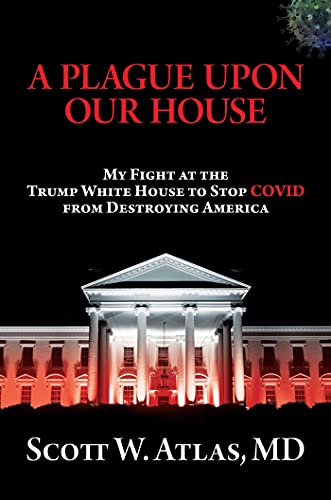
Jeffrey A Tucker, Editorial Director at AIER and founder of the ATL BTC Embassy, brings a sharp eye to Dr. Scott Atlas's account, highlighting its significance in understanding pandemic response. Having observed various pandemic narratives unfold publicly, Tucker points out the book's candid portrayal of White House dynamics and scientific conflicts. He notes, "The review of Scott Atlas's book are great, but I'm disappointed that AMZ has not published mine. I wonder how many other positive reviews are being withheld." This perspective has encouraged readers to reconsider the complexity behind policy decisions during COVID-19.
Editorial Director at AIER, Founder of ATL BTC Embassy
“The review of Scott Atlas's book are great, but I'm disappointed that AMZ has not published mine. I wonder how many other positive reviews are being withheld.” (from X)
Scott W. Atlas, M.D. is the Robert Wesson Senior Fellow in health care policy at the Hoover Institution of Stanford University. Dr. Atlas investigates the impact of the government and the private sector on access, quality, and pricing in health care, global trends in health care innovation, and key economic issues related to the future of technology-based medical advances. He is a frequent policy advisor to policymakers and government officials in the United States and other countries. He has served as Senior Advisor for Health Care to several numerous candidates for president, as well as counseled members of the US Congress on health care, testified before Congress, and briefed directors of key federal agencies. From July to December, 2020, he served as a Special Advisor to President Trump and as a member of the White House Coronavirus Task Force. Before his appointment at the Hoover Institution, he was Professor and Chief of Neuroradiology at Stanford University Medical Center for fourteen years. He is the author of numerous books, including In Excellent Health: Setting the Record Straight On America’s Health Care, and most recently Restoring Quality Health Care: A Six-Point Plan for Comprehensive Reform at Lower Cost. He is also the editor of Magnetic Resonance Imaging of the Brain and Spine—the leading textbook in the field that has been translated into several languages, now in its 5th edition. His publications and interviews have appeared worldwide. Dr. Atlas has received many awards and accolades from leading institutions and societies all over the world in recognition of his leadership in policy and medicine. He was awarded the 2021 Freedom Leadership Award, Hillsdale College’s highest honor, “in recognition of his dedication to individual freedom and the free society.” He also received the 2011 Alumni Achievement Award, the highest career achievement honor for a distinguished alumnus from the University of Illinois in Urbana-Champaign. In the private sector, Atlas is a frequent advisor to start-up entrepreneurs and companies in life sciences and medical technology. He received his MD degree from the University of Chicago School of Medicine.
When Dr. Scott W. Atlas stepped into the Trump White House COVID Task Force, he quickly encountered a landscape marked by intense political and scientific conflict. His book offers an insider’s critique of the pandemic response, dissecting decisions on lockdowns, mask mandates, and vaccine timelines with an unfiltered lens. You gain insight into the complex interplay of science, politics, and media influence during the crisis, including detailed assessments of key figures like Drs. Fauci and Birx. This book suits you if you want a behind-the-scenes perspective on pandemic policymaking rather than a purely medical or epidemiological analysis.
The best Pandemic books and more, in your inbox each week. No account needed.
Conclusion
Lessons from 23 Perspectives on Pandemics
This collection reveals three clear themes: the intricate science behind virus origins and vaccine development, the political and societal challenges in pandemic management, and the human stories of resilience and reform. Each book adds a crucial layer to understanding pandemic complexities.
If you're grappling with leadership challenges during crises, start with American Crisis and Preventable for firsthand accounts and policy critiques. For rapid grasp of vaccine science and future prevention, pair The Vaccine with How to Prevent the Next Pandemic. Meanwhile, The Power of Hope offers invaluable emotional insight for those supporting affected loved ones.
Alternatively, you can create a personalized Pandemic book to bridge the gap between general principles and your specific situation. These books can help you accelerate your learning journey and navigate future health challenges with greater confidence.
Frequently Asked Questions
I'm overwhelmed by choice – which book should I start with?
Start with The Vaccine for a clear, engaging overview of the scientific response or Ten Lessons for a Post-Pandemic World for broader societal implications. These provide solid foundations before diving into more specialized topics.
Are these books too advanced for someone new to Pandemic?
Not at all. Many, like The Power of Hope and Spillover, are written with accessibility in mind, blending personal stories and clear explanations to engage readers at any level.
What's the best order to read these books?
Consider starting with pandemic origins and science (Viral, The Vaccine), then explore policy and leadership (American Crisis, Preventable), followed by societal and psychological impacts (Apollo's Arrow, A State of Fear).
Should I start with the newest book or a classic?
Balance is key. Newer books offer current insights, while classics like The Great Influenza provide historical context that remains deeply relevant.
Do I really need to read all of these, or can I just pick one?
You can start with one that aligns with your interests, but the full collection offers a richer, multidimensional understanding of pandemics from science to society.
How can personalized Pandemic books complement these expert recommendations?
Personalized books tailor expert knowledge to your goals, experience, and context, offering focused insights that complement broad expert works. Explore how to create a personalized Pandemic book for targeted learning.
📚 Love this book list?
Help fellow book lovers discover great books, share this curated list with others!