8 Best-Selling Linux and Unix Systems Programming Books Millions Love
Discover 8 best-selling Linux and Unix Systems Programming books written by authorities such as Jason Cannon, W. Richard Stevens, and Mike Gancarz, offering proven insights for developers and sysadmins.
Updated on June 28, 2025·We may earn commissions for purchases made via this page
6 of 8 books have Kindle versions
We're launchingLaunching on Product Hunt today 🎉We just launchedJust launched on Product Hunt 🎉
Modelpeers, from the BookAuthority teamFrom the BookAuthority team: Modelpeers, a free way to follow AI models and agents like you follow people. We'd love your support.
There's something special about books that both critics and crowds love, especially in the world of Linux and Unix systems programming. Millions of developers rely on these works to deepen their understanding and sharpen their skills. As Linux and Unix continue to power critical infrastructure globally, mastering systems programming remains a valuable pursuit for software engineers, sysadmins, and enthusiasts alike.
These eight books stand out because they come from authors with decades of real-world experience. Whether it's Jason Cannon's hands-on command-line expertise or W. Richard Stevens' authoritative network programming insights, these works have shaped how professionals approach Linux and Unix programming. Their longevity and sustained popularity speak to their practical value and technical accuracy.
While these popular books provide proven frameworks, readers seeking content tailored to their specific Linux and Unix Systems Programming needs might consider creating a personalized Linux and Unix Systems Programming book that combines these validated approaches with customized guidance suited to your background and goals. This blend of proven wisdom and personalization can accelerate your learning journey.
Jason Cannon started his career as a Unix and Linux System Engineer in 1999, applying his skills at major companies like Xerox and Amazon. With deep expertise across various Linux distributions and proprietary Unix systems, he wrote this book to share his knowledge in an accessible way. His experience consulting for Fortune 500 companies and running the Linux Training Academy informs the practical, example-driven approach found in this guide, making it a valuable resource for those eager to harness the power of Linux command-line tools.
Jason Cannon started his career as a Unix and Linux System Engineer in 1999. Since that time he has utilized his Linux skills at companies such as Xerox, UPS, Hewlett-Packard, and Amazon.com. Additionally, he has acted as a technical consultant and independent contractor for small businesses as well as Fortune 500 companies. Jason has professional experience with CentOS, RedHat Enterprise Linux, SUSE Linux Enterprise Server, and Ubuntu. He has used several Linux distributions on personal projects including Debian, Slackware, CrunchBang, and others. In addition to Linux, Jason has experience supporting proprietary Unix operating systems including AIX, HP-UX, and Solaris. He enjoys teaching others how to use and exploit the power of the Linux operating system. Jason is the author of Command Line Kung Fu and Linux for Beginners. He is also the founder of the Linux Training Academy where he blogs and teaches online video training courses.
Jason Cannon challenges the conventional wisdom that mastering the Linux command line requires endless slogging through dense manuals. Drawing from his extensive experience as a Unix and Linux system engineer at companies like Amazon and Hewlett-Packard, he delivers practical, real-world examples that show you how to automate tasks, manipulate text, and manage remote servers efficiently. Each chapter focuses on common problems, such as extracting text or managing SSH connections, offering clear commands and explanations without overwhelming jargon. This book is ideal if you want to gain confident command-line skills quickly, whether you're a sysadmin, developer, or Linux enthusiast.
Jason Cannon started his career as a Unix and Linux System Engineer in 1999, applying his skills at Xerox, UPS, Hewlett-Packard, and Amazon. His extensive experience with multiple Linux distributions and proprietary Unix systems informs this book, designed to help you master shell scripting. As the founder of the Linux Training Academy, Jason brings a passion for teaching and a practical approach to using Linux’s power through automation and scripting.
Jason Cannon started his career as a Unix and Linux System Engineer in 1999. Since that time he has utilized his Linux skills at companies such as Xerox, UPS, Hewlett-Packard, and Amazon.com. Additionally, he has acted as a technical consultant and independent contractor for small businesses as well as Fortune 500 companies. Jason has professional experience with CentOS, RedHat Enterprise Linux, SUSE Linux Enterprise Server, and Ubuntu. He has used several Linux distributions on personal projects including Debian, Slackware, CrunchBang, and others. In addition to Linux, Jason has experience supporting proprietary Unix operating systems including AIX, HP-UX, and Solaris. He enjoys teaching others how to use and exploit the power of the Linux operating system. Jason is the author of Command Line Kung Fu and Linux for Beginners. He is also the founder of the Linux Training Academy where he blogs and teaches online video training courses.
Drawing from over two decades as a Unix and Linux system engineer, Jaosn Cannon delivers practical insights into shell scripting that demystify automating command-line tasks. You’ll learn not just syntax, but a disciplined approach to scripting, including a checklist and boilerplate templates that streamline creating reliable scripts. Chapters guide you through handling user input, command-line arguments, and debugging errors, making it clear how to apply these skills across various shells and platforms. This book suits anyone wanting to reduce repetitive work and deepen their command-line proficiency on Linux, Unix, or Mac systems, especially those comfortable with basics but eager to become more efficient.
This AI-created book on Linux systems programming is tailored to your specific challenges and skill level. By focusing on the areas you find most relevant—whether system calls, kernel interfaces, or network programming—it ensures you get exactly the knowledge you need. Personalizing this learning experience helps you cut through general content and dive straight into practical, battle-tested techniques that fit your background and goals. It's like having a mentor who knows precisely what you want to master.
TailoredRead AI creates personalized nonfiction books that adapt to your unique background, goals, and interests. Instead of reading generic content, you get a custom book written specifically for your profession, experience level, and learning objectives. Whether you're a beginner looking for fundamentals or an expert seeking advanced insights, TailoredRead crafts a book that speaks directly to you. Learn more.
This tailored book explores battle-tested Linux and Unix systems programming methods, crafted to match your unique background and challenges. It covers core concepts such as system calls, process management, and network programming while delving into techniques that resonate with your specific interests and goals. Through a personalized lens, it reveals how to navigate the intricate Linux environment with confidence, blending widely-validated knowledge with insights honed from millions of developer experiences. This approach ensures you engage deeply with material that matters most to you, accelerating your mastery of Linux systems programming in a focused and meaningful way.
Advanced Linux Programming offers a thorough exploration of Linux and Unix systems programming, focusing on Linux-specific details that set it apart from other UNIX guides. Its two-part structure guides you from broad UNIX services to specialized Linux kernel APIs and development tools, making it valuable for both newcomers and seasoned programmers. The book’s approach equips you to build sophisticated applications by understanding the underlying system architecture and programming interfaces unique to Linux. This makes it a go-to resource for anyone looking to deepen their mastery in Linux systems programming.
The breakthrough moment came when CodeSourcery LLC and collaborators Mark Mitchell, Alex Samuel, and Jeffrey Oldham crafted this book to address the nuanced gaps in Linux-specific system programming knowledge. You gain detailed insights into both generic UNIX system services and Linux's unique kernel and C library APIs, along with a primer on development tools to jumpstart your coding efforts. Chapters delve into advanced techniques that seasoned developers use to optimize applications, making this book especially useful if you’ve worked with UNIX but want to master Linux’s particularities. If you’re new to UNIX or aiming to deepen your Linux programming expertise, this book offers a solid foundation and advanced concepts alike.
W. Richard Stevens was a renowned author and educator in computer programming, particularly noted for his expertise in UNIX and network programming. His influential works, including this book, have shaped how programmers understand and develop network software. Stevens' clear explanations and extensive coding examples make complex topics accessible, providing you with a solid foundation in UNIX network programming.
W. Richard Stevens was a renowned author and educator in the field of computer programming, particularly known for his expertise in UNIX and network programming. His works have been instrumental in shaping the understanding of network software design and development. Stevens authored several influential books, including 'UNIX Network Programming' and 'Advanced Programming in the UNIX Environment', which are widely regarded as essential resources for programmers. His clear writing style and thorough explanations have made complex topics accessible to many.
W. Richard Stevens' decades of experience in UNIX and network programming led to this detailed guide that dives deep into the design and coding of network software on UNIX systems. You’ll find over 15,000 lines of C code illustrating how to solve complex problems with sockets, Transport Level Interface (TLI), and interprocess communications (IPC) under System V and BSD UNIX. The book teaches you not just how, but why each solution works, making it ideal if you want a strong grasp of the underlying mechanisms. If you’re developing or maintaining network applications on UNIX systems, this book offers the precise technical insights to enhance your skills.
Mike Gancarz’s Linux and the Unix Philosophy offers a distinctive perspective by focusing on the foundational philosophy behind Linux rather than just its usage. This revised edition updates a well-known computer science classic, reflecting Linux’s advancements and open source evolution. It occupies a unique space between softer software design concepts and technical how-to guides, making it particularly valuable for those seeking a deeper understanding of Linux’s core principles. The book benefits anyone curious about what sets Linux apart philosophically and practically, helping illuminate the mindset that shapes this influential operating system.
What started as an update to a classic computer science text, Mike Gancarz's book dives deep into the philosophy behind Linux rather than just its usage. You’ll explore the mindset that makes Linux distinct, understanding why it’s a superior implementation of Unix principles. The book bridges the gap between conceptual software design and technical how-tos, offering insights into iterative development and open source ideals. Chapters have been thoroughly revised to reflect Linux’s evolution, making it a smart choice for anyone wanting to grasp the underlying philosophy driving Linux development, not just commands or tools.
This custom AI book on shell scripting is created based on your experience and goals. By sharing your current skill level and which scripting topics you want to explore, you get a book tailored to focus exactly on what you need. The AI crafts daily practices designed to build your scripting abilities steadily, making complex topics more approachable and relevant to your work. This focused, personalized approach helps you progress efficiently without wading through unnecessary material.
TailoredRead AI creates personalized nonfiction books that adapt to your unique background, goals, and interests. Instead of reading generic content, you get a custom book written specifically for your profession, experience level, and learning objectives. Whether you're a beginner looking for fundamentals or an expert seeking advanced insights, TailoredRead crafts a book that speaks directly to you. Learn more.
This tailored book explores step-by-step shell scripting actions designed to accelerate your success in Linux and Unix programming. It covers foundational principles, practical command usage, and script automation techniques, all aligned with your background and specific goals. By focusing on your interests, the book reveals how to tackle real-world scripting challenges effectively and efficiently. Each chapter builds progressively, offering clear explanations and daily exercises that encourage hands-on learning. This personalized approach ensures you engage with content that matches your skill level and desired outcomes, making the journey toward scripting mastery both manageable and rewarding.
Advanced UNIX Programming stands as a definitive resource for mastering the system-level services that underpin all UNIX-family operating systems, including Linux, FreeBSD, and Mac OS X. Its enduring popularity reflects the comprehensive treatment of these fundamental concepts, providing programmers with a unified volume that addresses the complexities of system calls and portability across multiple platforms. This book equips you with the tools to navigate the intricacies of UNIX internals, making it an essential reference for those seeking to advance their expertise in UNIX systems programming.
Marc Rochkind draws from decades of experience in UNIX system programming to provide a detailed guide to the essential system-level services across UNIX variants, including Linux, FreeBSD, and Mac OS X. You’ll learn how to navigate the core APIs and understand portability challenges that arise when writing applications across different UNIX platforms. The book is particularly useful for developers aiming to deepen their mastery of UNIX internals and system calls, especially those working in C or similar languages. While it covers in-depth technical material, the focus on portability and practical examples ensures you gain insights directly applicable to real-world UNIX programming environments.
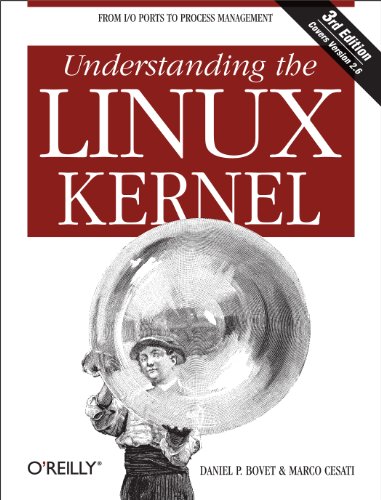
Daniel P. Bovet is a renowned computer scientist whose extensive work on operating systems and Linux has shaped the understanding of kernel design and optimization. Along with Marco Cesati, he authored this guide to illuminate the complex inner workings of the Linux kernel, drawing from their deep expertise to help both students and professionals navigate this challenging topic. Their combined insights make this book a key resource for anyone serious about mastering Linux system internals.
Daniel P. Bovet is a renowned computer scientist and co-author of several influential texts on operating systems and Linux. His work has significantly contributed to the understanding of kernel architecture and performance optimization. Alongside Marco Cesati, he has provided insights into the Linux kernel that are invaluable for both students and professionals in the field.
When Daniel P. Bovet and Marco Cesati set out to write this book, they aimed to reveal the intricate mechanics that allow Linux to function so efficiently across diverse systems. You’ll dive into core kernel components like memory management, process scheduling, and device driver interfaces, with detailed code walkthroughs and explanations of underlying principles. The book’s in-depth treatment of Version 2.6 kernel changes, including the Virtual Filesystem and synchronization techniques, equips you to grasp both theory and practice. If you want to understand not just what Linux does but how and why it does it, this book is tailored for you, especially if you have some programming background and seek to deepen your systems knowledge.
Practical UNIX Programming stands as a recognized resource for programmers seeking to navigate the often intricate world of UNIX systems programming. The authors’ methodical approach simplifies difficult subjects like concurrency and signals, backed by numerous practical examples and exercises. Its appeal lies in bridging theoretical concepts with real-world coding challenges, making it a reliable choice for those looking to strengthen their UNIX programming expertise. By focusing on core programming fundamentals and system communication, this book addresses the needs of developers eager to write efficient and effective UNIX-based applications.
After years of teaching and writing about UNIX systems, Kay A. Robbins and Steven Robbins crafted this book to demystify complex programming concepts like signals and concurrency. You’ll find clear explanations paired with plentiful examples and exercises that make tough topics approachable, such as asynchronous events and interprocess communication. This book serves those who want to deepen their grasp of UNIX programming fundamentals beyond surface-level knowledge. If you’re a programmer aiming to build solid, practical UNIX system skills, this book delivers focused content without unnecessary jargon.
The best Linux and Unix Systems Programming books and more, in your inbox each week. No account needed.
Conclusion
Taken together, these eight books cover a broad spectrum—from the philosophical foundations behind Linux, through practical command-line mastery, to deep dives into kernel internals and network programming. They represent proven frameworks that have empowered countless readers to build robust Linux and Unix applications.
If you prefer proven methods to improve scripting and automation skills, start with Jason Cannon's "Command Line Kung Fu" and "Shell Scripting." For validated approaches focused on system-level programming and network communication, "Advanced UNIX Programming" and "UNIX Network Programming" offer detailed, actionable insights.
I'm overwhelmed by choice – which book should I start with?
Start with "Command Line Kung Fu" to build a solid foundation in Bash scripting and command-line skills. It’s practical and beginner-friendly, setting you up well for more advanced topics in other books.
Are these books too advanced for someone new to Linux and Unix Systems Programming?
Not at all. While some delve into advanced topics, books like "Shell Scripting" and "Practical UNIX Programming" are accessible and designed to help beginners grow confidently into more complex areas.
What's the best order to read these books?
Begin with practical guides like "Command Line Kung Fu" and "Shell Scripting," then explore system-level texts such as "Advanced Linux Programming" and "Understanding the Linux Kernel" as you deepen your expertise.
Are any of these books outdated given how fast Linux and Unix Systems Programming changes?
Some classics focus on foundational concepts that remain relevant despite evolving tech. For example, "UNIX Network Programming" covers core networking principles still widely applied today.
Which books focus more on theory vs. practical application?
"Linux and the Unix Philosophy" explores conceptual design and mindset, while "Command Line Kung Fu" and "Shell Scripting" emphasize hands-on, practical techniques you can apply immediately.
Can I get content tailored to my specific Linux and Unix Systems Programming goals?
Yes! While these expert books provide solid foundations, you can create a personalized Linux and Unix Systems Programming book that combines proven methods with insights tailored to your experience and objectives, making learning more efficient and relevant.
📚 Love this book list?
Help fellow book lovers discover great books, share this curated list with others!