20 Best-Selling Technology Biography Books Millions Love
Recommended by Bill Gates, Sheryl Sandberg, and Sam Altman, these best-selling Technology Biography Books offer expert insights and inspiring innovation stories.
Updated on June 24, 2025·We may earn commissions for purchases made via this page
12 of 20 books have Audiobook versions
We're launchingLaunching on Product Hunt today 🎉We just launchedJust launched on Product Hunt 🎉
Modelpeers, from the BookAuthority teamFrom the BookAuthority team: Modelpeers, a free way to follow AI models and agents like you follow people. We'd love your support.
When millions of readers and leading experts converge on a handful of books, it’s a signal worth paying attention to. Technology biography books have surged in popularity because they reveal the human stories behind the innovations shaping our world. From visionaries like Elon Musk to pioneers like Jony Ive, these narratives offer proven insights into creativity, leadership, and breakthrough technology.
Bill Gates, co-founder of Microsoft, is a frequent voice praising these biographies, especially those that explore the minds behind transformative technologies. His fascination with figures like Leonardo da Vinci and Jennifer Doudna reflects a deep appreciation for how curiosity and perseverance fuel innovation. Meanwhile, Sheryl Sandberg highlights the collaborative spirit in books like "The Innovators," emphasizing the power of teamwork in tech history. And Sam Altman, CEO of OpenAI, points to stories of organizational culture and invention, such as those found in "Dealers of Lightning," as essential reading.
While these popular books provide proven frameworks and rich historical context, readers seeking content tailored to their specific Technology Biography interests might consider creating a personalized Technology Biography book that combines these validated approaches with your unique goals and background.
Walter Isaacson is a bestselling biographer known for capturing the essence of transformative figures like Steve Jobs and Leonardo da Vinci. As a professor of history at Tulane and recipient of the National Humanities Medal, Isaacson offers a deeply researched and intimate look into Elon Musk's life. His extensive access to Musk and his inner circle allows readers to understand the man behind Tesla, SpaceX, and Twitter, making this work a compelling read for those intrigued by the intersection of personality and technological innovation.
Walter Isaacson is the bestselling author of biographies of Jennifer Doudna, Leonardo da Vinci, Steve Jobs, Benjamin Franklin, and Albert Einstein. He is a professor of history at Tulane and was CEO of the Aspen Institute, chair of CNN, and editor of Time. He was awarded the National Humanities Medal in 2023. Visit him at Isaacson.Tulane.edu.
Walter Isaacson brings decades of experience chronicling some of history's most influential figures to his portrait of Elon Musk, capturing the complex mix of brilliance and volatility that fuels the tech titan. You’ll gain nuanced insights into Musk's relentless drive, his high-risk tolerance, and how personal trauma shaped his visionary pursuits in electric vehicles, space exploration, and social media. Chapters detailing Musk’s early years and his turbulent relationship with his father reveal the emotional undercurrents behind his public persona. This book suits anyone curious about the human side of innovation and the price of ambition in the technology world.
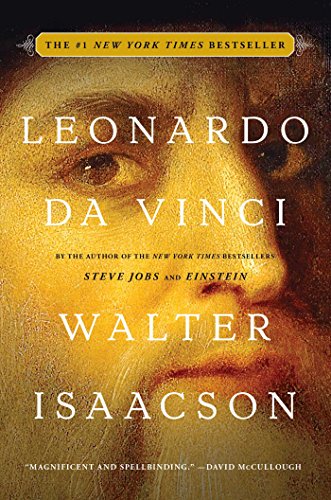
Bill Gates, co-founder and former CEO of Microsoft, offers a rare endorsement that resonates deeply in the world of technology biography. Fascinated by Leonardo da Vinci’s multifaceted genius, Gates highlights how this biography uniquely presents Leonardo as a fully realized human being, not just an icon. Reflecting on his own journey through innovation, Gates notes, "I’ve read a lot about Leonardo over the years, but I had never found one book that satisfactorily covered all the different facets of his life and work." This book helped him appreciate the blend of curiosity and creativity that fuels breakthroughs, reminding us why Leonardo remains a timeless figure of inspiration. Adding to this chorus, Marina Amaral, a digital colorist passionate about history, praises the biography for its depth, reading it twice and calling it one of the best recent biographies.
“I’ve read a lot about Leonardo over the years, but I had never found one book that satisfactorily covered all the different facets of his life and work. Walter—a talented journalist and author I’ve gotten to know over the years—did a great job pulling it all together. . . . More than any other Leonardo book I’ve read, this one helps you see him as a complete human being and understand just how special he was.”
Walter Isaacson is the bestselling author of biographies of Jennifer Doudna, Leonardo da Vinci, Steve Jobs, Benjamin Franklin, and Albert Einstein. He is a professor of history at Tulane and was CEO of the Aspen Institute, chair of CNN, and editor of Time. He was awarded the National Humanities Medal in 2023. Visit him at Isaacson.Tulane.edu.
What happens when a historian with a background in journalism meets the life of Leonardo da Vinci? Walter Isaacson draws on thousands of pages of da Vinci’s notebooks to reveal how his genius stemmed from curiosity, observation, and a playful imagination that blurred art and science. You’ll explore chapters detailing his anatomical studies, inventions, and iconic artworks like the Mona Lisa and The Last Supper, gaining insights into how creativity thrives at the intersection of diverse disciplines. This book suits anyone fascinated by innovation, creativity, and the fusion of art with technology, offering a nuanced portrait rather than a simple hero narrative.
This AI-created book on innovation mastery is designed around your specific interests and background in technology biographies. By sharing your experience level and the aspects of tech pioneers' journeys you want to explore, you receive a book that focuses exactly on those areas. Personalizing the insights lets you dive deeply into innovation stories that matter most to you, making the learning process more engaging and relevant.
TailoredRead AI creates personalized nonfiction books that adapt to your unique background, goals, and interests. Instead of reading generic content, you get a custom book written specifically for your profession, experience level, and learning objectives. Whether you're a beginner looking for fundamentals or an expert seeking advanced insights, TailoredRead crafts a book that speaks directly to you. Learn more.
This personalized book explores the journeys of leading innovators in technology, tailoring its content to your unique background and interests. It examines the pivotal moments, creative processes, and challenges faced by tech pioneers, revealing how their breakthroughs shaped modern innovation. By focusing on your specific goals, this tailored approach brings you closer to understanding the human stories and inventive mindsets behind transformative technologies. The book combines widely validated insights with personalized exploration, allowing you to engage deeply with lessons that resonate with your experience and aspirations. Through this customized lens, it reveals how innovation mastery unfolds in real-world contexts, providing a compelling and focused learning experience.
Brett Winton, chief futurist at ARK Invest specializing in disruptive technology, points you to this biography as a standout in technology history. His endorsement, "@JohnNosta @elonmusk highly recommend American Prometheus. Great book!", highlights how the book reshaped his understanding of Oppenheimer’s role in scientific innovation and ethical challenges. Alongside him, Sebastiaan De With, co-founder of Halide Camera, echoes the enthusiasm, recommending it to anyone curious about Oppenheimer’s life, making this biography a compelling read for those drawn to the human stories behind technological breakthroughs.
Kai Bird is a Pulitzer Prize-winning author and historian known for his extensive research and writing on American history and notable figures. He has authored several acclaimed biographies, including works on J. Robert Oppenheimer, and has contributed to various publications, showcasing his expertise in historical narratives.
Kai Bird and Martin J. Sherwin challenge the usual portrayal of J. Robert Oppenheimer by presenting a detailed, nuanced account of his complex life and legacy. You learn not just about Oppenheimer's scientific achievements, such as leading the Manhattan Project, but also about the intense moral and political struggles he faced during the Cold War, captured through meticulous research and vivid storytelling. This biography benefits anyone interested in the intersection of science, ethics, and history, especially those wanting insight into how technological breakthroughs can reshape societies and individuals. For example, the book explores Oppenheimer's internal conflicts in chapters detailing his post-war security hearings, illustrating the personal costs of scientific innovation.
Bill Gates, co-founder and former CEO of Microsoft, highlights Walter Isaacson's deep dive into CRISPR and its inventor Jennifer Doudna, reflecting Gates's keen interest in transformative technologies shaping medicine. He notes, "@WalterIsaacson is one of my favorite authors. I was eager to read his latest book about CRISPR and its inventor Jennifer Doudna." This aligns with the broad enthusiasm from readers intrigued by gene editing's promise and ethical challenges. CNN’s Christiane Amanpour adds that the book thoughtfully addresses the risks and rewards of CRISPR, quoting Isaacson's concern on regulation: "It can be used for good and for bad, and we have to be careful." This blend of scientific insight and moral questioning makes the book a compelling read for anyone curious about biotechnology's future.
Walter Isaacson is a professor of history at Tulane and was CEO of the Aspen Institute, chair of CNN, and editor of Time. He was awarded the National Humanities Medal in 2023.
While working as a historian and former CEO of the Aspen Institute, Walter Isaacson noticed the extraordinary shift CRISPR technology could bring to medicine and human biology. You’ll gain detailed insights into Jennifer Doudna’s journey from a curious student defying early stereotypes to a Nobel Prize-winning scientist who co-invented a gene-editing tool that’s reshaping health and ethics. The narrative dives into chapters exploring CRISPR’s scientific breakthroughs, its potential to cure diseases, and the complex moral debates it ignites. If you’re fascinated by the intersection of technology, biology, and society, this book offers a clear-eyed look at how gene editing might change the future.
Best Book of 2021 by Bloomberg BusinessWeek, Time, and The Washington Post
This book stands out in technology biography by vividly recounting the story of Xerox PARC, a crucible of innovation that fundamentally reshaped computing. It delves into the lab's groundbreaking work on personal computers, graphical user interfaces, and laser printing, while also highlighting how corporate decisions affected the fate of these inventions. You'll find a compelling exploration of the individuals who drove these breakthroughs and the organizational dynamics that shaped their outcomes. "Dealers of Lightning" offers valuable perspective for anyone interested in the origins of modern technology and the complexities behind innovation's journey from lab to market.
Drawing from his background as a Los Angeles Times correspondent, Michael A. Hiltzik offers a detailed chronicle of Xerox PARC's pivotal role in shaping modern computing. You gain insight into how a group of inventive minds at a Palo Alto lab pioneered technologies like the personal computer, graphical user interface, and laser printer, while also exploring the corporate missteps that hindered Xerox's ability to capitalize on these breakthroughs. The book walks you through vivid profiles of key figures such as Bob Taylor and Alan Kay, revealing the human dynamics behind innovation. If you're fascinated by the intersection of technology and organizational culture, this book paints a clear picture of both triumph and missed opportunity.
This custom AI book on technology biographies is created based on your unique background, skill level, and interest in major tech innovators. By sharing the specific figures and themes you want to explore, you receive a book that focuses exactly on your goals. This personalized approach helps you bypass generic overviews, making your learning faster and more relevant to your understanding of technology's biggest players.
TailoredRead AI creates personalized nonfiction books that adapt to your unique background, goals, and interests. Instead of reading generic content, you get a custom book written specifically for your profession, experience level, and learning objectives. Whether you're a beginner looking for fundamentals or an expert seeking advanced insights, TailoredRead crafts a book that speaks directly to you. Learn more.
This tailored AI-created book explores the world of technology biographies with a focus on accelerating your understanding of key innovators and their transformative impacts. It combines widely recognized insights from popular tech biographies with your unique interests, ensuring the content matches your background and goals. The narrative reveals how pioneering figures shaped the tech landscape, examining their personal journeys, innovations, and challenges. By emphasizing your specific areas of curiosity, this book offers a streamlined learning experience that helps you rapidly grasp essential concepts without wading through unrelated details. It’s a personalized exploration designed to engage and inform, making complex stories accessible and relevant to you.
The New York Times Book Review, a leading voice in literary criticism, highlights this biography as "Monumental . . . Morris is a stylish storyteller with an irresistible subject." Their endorsement reflects how Morris’s rich narrative captures Edison’s vast influence beyond the electric light. This recommendation resonates deeply with readers eager to understand the man behind the inventions. The New York Times also praises the book’s dual appeal as both definitive history and engaging reading, underscoring its place among the most respected technology biographies.
Edmund Morris was born and educated in Kenya and attended college in South Africa. He worked as an advertising copywriter in London before immigrating to the United States in 1968. His first book, The Rise of Theodore Roosevelt, won the Pulitzer Prize and the National Book Award in 1980. Its sequel, Theodore Rex, won the Los Angeles Times Book Prize for Biography in 2001. In between these two books, Morris became President Reagan’s authorized biographer and wrote the national bestseller Dutch: A Memoir of Ronald Reagan. He then completed his trilogy on the life of the twenty-sixth president with Colonel Roosevelt, also a bestseller, and has published Beethoven: The Universal Composer and This Living Hand and Other Essays. Edison is his final work of biography. He was married to fellow biographer Sylvia Jukes Morris for fifty-two years. Edmund Morris died in 2019.
What happens when a Pulitzer Prize-winning biographer meets one of America’s most prolific inventors? Edmund Morris took on the colossal task of portraying Thomas Edison not just as the inventor of the incandescent lamp, but as a multifaceted genius with over a thousand patents and a deep engagement in science and business. You’ll uncover Edison’s lesser-known roles as a chemist, futurist, and media pioneer, with Morris drawing from seven years of research and extensive original documents to paint a vivid portrait. This book suits anyone curious about innovation, invention, and the complex humanity behind an iconic figure.
Gita Wirjawan, an Indonesian business leader, highlights this book as a key resource on how Google hires and empowers its innovative employees, reflecting principles that resonate widely among tech professionals. His endorsement underscores the book's practical insights into cultivating "smart creatives" who drive success. Similarly, Russell Poldrack, a Stanford professor, appreciates its value for anyone managing people and projects, especially those aiming to innovate. Together, their perspectives emphasize the book's relevance for leaders navigating technology-driven environments, offering lessons that align with the experiences of many readers seeking to understand Google's unique approach.
Eric Schmidt is an accomplished technologist, entrepreneur and philanthropist, known for his pivotal role in the growth of Google as CEO and Chairman from 2001 to 2011, overseeing its transformation from a small startup to a global tech giant. Working alongside Sergey Brin and Larry Page, Google dramatically scaled its infrastructure and diversified its products, while maintaining a strong culture of innovation. Eric currently serves as Chair of the Board of Trustees for The Broad Institute and as a board member for the Mayo Clinic and the Advisory Board at UC Berkeley, among others. His philanthropic efforts through The Schmidt Family Foundation and the Schmidt Ocean Institute with his wife Wendy, focus on climate change, including the support of ocean and marine life studies at sea, as well as education and cutting-edge research and technology in natural sciences and engineering. Notably, in 2024 Eric was awarded an honorary Knight of the Most Excellent Order of the British Empire by His Majesty King Charles III for services to Philanthropy. Additionally, he co-founded Schmidt Futures with his wife Wendy, which supports projects at the intersection of talent and technology, centered on specific, finite challenges that are connected to other efforts in the Schmidt philanthropic network. Most recently, the couple co-founded Schmidt Sciences, a nonprofit organization working to advance science and technology that deepens human understanding of the natural world and develops solutions to global issues. In 2021, he founded the Special Competitive Studies Project, a non-profit initiative focused on strengthening America’s long-term AI and technological competitiveness in national security, the economy, and society. Eric is also a commissioner on the National Security Commission on Emerging Biotechnology (NSCEB). An accomplished author, Eric has co-authored three New York Times bestsellers, The New Digital Age, How Google Works, and Trillion Dollar Coach. In 2021, Eric co-authored the WSJ bestselling book The Age of AI: And Our Human Future with Dr. Henry Kissinger and Professor Daniel Huttenlocher. His most recent book, Genesis: Artificial Intelligence, Hope, and the Human Spirit (2024), was co-written with the late Dr. Henry Kissinger, and Craig Mundie, offering a guide to how AI will shape the modern era.
Drawing from decades of leadership at Google, Eric Schmidt and Jonathan Rosenberg share the insights they gained while steering one of the world's most influential tech companies. You’ll understand how Google’s unique culture encourages innovation through principles like embracing dissent and empowering "smart creatives." The book breaks down how shifts in internet, mobile, and cloud computing have redefined business power, offering concrete lessons on talent management, decision-making, and adapting to disruption. Whether you’re a manager, entrepreneur, or tech enthusiast, this book offers a behind-the-scenes look at building a company culture that fosters breakthrough ideas and sustained growth.
Sheryl Sandberg, former COO of Facebook and founder of LeanIn.Org, highlights this book's unique focus on collaboration as the source of creativity and success in the digital revolution. She points out how it uncovers the vital but often overlooked contributions of women in technology, which reshaped her understanding of innovation. "Walter Isaacson has written an inspiring book about genius, this time explaining how creativity and success come from collaboration," she notes. This perspective aligns with the broader appreciation from readers and experts like Sean Gardner, who also praises the book, deepening its credibility as a staple for anyone curious about the human side of technological breakthroughs.
“Walter Isaacson has written an inspiring book about genius, this time explaining how creativity and success come from collaboration. The Innovators is a fascinating history of the digital revolution, including the critical but often forgotten role women played from the beginning. It offers truly valuable lessons in how to work together to achieve great results.”
Walter Isaacson is writing a biography of Elon Musk. He is the author of The Code Breaker: Jennifer Doudna, Gene Editing, and the Future of the Human Race; Leonardo da Vinci; Steve Jobs; Einstein: His Life and Universe; Benjamin Franklin: An American Life; The Innovators: How a Group of Hackers, Geniuses, and Geeks Created the Digital Revolution; and Kissinger: A Biography. He is also the coauthor of The Wise Men: Six Friends and the World They Made. He is a Professor of History at Tulane, has been CEO of the Aspen Institute, chairman of CNN, and editor of Time magazine.
Drawing from his extensive background as a historian and biographer, Walter Isaacson explores the origins of the digital revolution by tracing the lives and collaborations of key innovators from Ada Lovelace to Larry Page. You’ll gain insight into how creativity and teamwork fueled breakthroughs in computing, programming, and the internet, supported by detailed portraits of figures like Alan Turing and Steve Jobs. The book highlights the often-overlooked role of women in technology and offers a nuanced view of innovation as a collective process rather than solo genius. If you want to understand the human stories behind technology's evolution and the factors that drive successful collaboration, this book will deepen your perspective.
Marc J. Seifer, Ph.D., a retired psychology professor and handwriting expert, brings unique insight to this biography of Nikola Tesla. His academic background and lectures at Oxford and Cambridge enrich the narrative, while his work’s presence in The New York Times and Scientific American confirms his authority. Seifer’s scholarship offers readers an in-depth view of Tesla’s groundbreaking contributions to electrical science, grounded in original and previously unavailable materials, making this a valuable read for anyone curious about the inventor behind modern electricity.
Marc J. Seifer, Ph.D., is a retired psychology teacher from Roger Williams University and a handwriting expert. He has lectured at prestigious institutions including Oxford and Cambridge, and his work has been featured in major publications such as The New York Times and Scientific American. Seifer has authored several novels and non-fiction works, including 'Wizard: The Life & Times of Nikola Tesla', which has been translated into nine languages and praised for its scholarship.
What if everything you knew about Nikola Tesla was wrong? Marc Seifer, a psychology scholar and handwriting expert, offers a fresh lens on Tesla’s complex personality and revolutionary inventions, drawing from original documents and newly available sources. You’ll explore Tesla’s role as a pioneering electrical engineer behind alternating current, wireless communication, and early robotics, with detailed chapters on his interactions with contemporaries like Edison and Westinghouse. This book suits you if you want a nuanced understanding of the inventor’s life intertwined with the technological breakthroughs that shaped modern electricity and communication. It’s less a hero worship and more a rigorous portrait of a visionary whose ideas were far ahead of his era.
George Dyson is a historian of technology whose work spans from traditional Aleut kayak design to space exploration concepts. His deep expertise in digital computing history underpins this book, where he unpacks the transformative efforts of early computer pioneers. Dyson’s background uniquely qualifies him to trace the digital universe’s beginnings, offering you a rich perspective on how foundational ideas evolved into the technology shaping our lives today.
George Dyson is a historian of technology whose interests include the development (and redevelopment) of the Aleut kayak (Baidarka), the evolution of digital computing and telecommunications (Darwin Among the Machines), and the exploration of space (Project Orion).
George Dyson’s decades of historical research led him to explore the origins of digital computing through the lens of the pioneering team around John von Neumann at Princeton’s Institute for Advanced Study. You’ll gain insight into how these early computer architects transformed Alan Turing’s theoretical Universal Machine into practical reality, influencing fields from weather forecasting to nuclear weapons design. The book zooms in on the fascinating overlap of computing, biology, and military technology, showing how code began to dominate our world. If you’re intrigued by the foundational stories behind today’s digital universe and the human drama driving technological breakthroughs, this book offers a detailed and thought-provoking narrative.
Where Wizards Stay Up Late offers a richly detailed history of the Internet's beginnings, capturing the spirit and struggles of the scientists who laid its groundwork. This technology biography has captivated millions by illuminating the complex mix of innovation and government support that fueled the digital revolution. The book’s narrative brings to life the evolution of networking technology and the visionaries behind ARPANET, making it a valuable read for anyone interested in how today’s internet emerged from mid-20th-century research efforts. Its enduring popularity reflects its ability to make technical history accessible and engaging, providing essential context for the digital age.
Katie Hafner and Matthew Lyon, seasoned journalists with deep experience in technology reporting, deliver a vivid recount of the Internet's birth rooted in the 1960s Defense Department projects. You gain insight into the collaborative and technical challenges faced by pioneering scientists, from the development of packet switching to the creation of ARPANET, as detailed in chapters that trace key breakthroughs and personalities. This narrative benefits those curious about the foundational history behind today's digital infrastructure, especially technology enthusiasts and professionals seeking context on how early innovations shaped modern connectivity. While it doesn’t offer technical manuals, the book enriches your understanding of the Internet’s origins through compelling storytelling and historical detail.
Michael Lewis takes you deep into the world of Silicon Valley through the lens of Jim Clark, a serial entrepreneur who redefined the tech landscape with companies like Netscape and Healtheon. The book captures the spirit of innovation and the cutthroat battles shaping the digital age, offering a firsthand view of the forces driving technology biography narratives. It’s a compelling guide for anyone fascinated by how visionary entrepreneurs transform industries and challenge established power structures.
Michael Lewis's decades of narrative craftsmanship led to this vivid portrayal of Silicon Valley's fiercest innovator, Jim Clark. You learn how Clark's ventures—from Silicon Graphics to Netscape and Healtheon—shaped the digital era and disrupted entrenched industries like healthcare. The book offers sharp insights into entrepreneurial drive, tech market dynamics, and the cultural clash between startups and corporate giants, illustrated by episodes such as the Netscape-Microsoft showdown. If you want to understand the human stories behind tech revolutions and the complex personalities forging our digital future, this book lays it out with clear storytelling and nuanced character sketches.
Steve Wozniak, inducted into the National Inventors Hall of Fame and recipient of the National Medal of Technology and the Heinz Award, brings unmatched credibility to this firsthand account. Living in California, he reflects on his role as the sole inventor of the Apple I and II, sharing how his passion for electronics and playful experimentation led him to revolutionize computing. His memoir offers readers a unique window into the early days of personal computers, blending technical detail with personal stories that give you a sense of how innovation truly unfolds.
Steve Wozniak has been inducted into the National Inventors Hall of Fame and has received numerous awards, including the National Medal of Technology and the Heinz Award. He lives in California.
After tracing the arc of personal computing's early days, Steve Wozniak developed this memoir to share not just the technology, but the spirit behind it. You gain insight into how the Apple I and II came to life through his hands-on engineering and playful creativity, with chapters detailing his design process and problem-solving approaches. This book suits anyone curious about the technical and personal journey behind the computers that reshaped our world, especially engineers and tech enthusiasts eager to understand innovation from the ground up. Wozniak’s storytelling balances technical detail with anecdotes about the culture and camaraderie that fueled Apple’s rise.
Jim Oshaughnessy, founder and chairman of OSAM LLC, known for his expertise in custom indexing, recommends this biography for those interested in technology history. He noted, "@stevesi His book about Shannon is great!" This endorsement reflects how the book aligns with widespread reader appreciation for illuminating the human story behind technological advances. Alongside him, Preston Pysh, aerospace engineer and investor, also praised the authors' work, highlighting the thoughtful portrayal of Shannon's life and contributions.
Jimmy Soni and Rob Goodman are accomplished biographers with a focus on influential figures in technology and science. Soni has previously worked as an editor at the New York Observer and has written extensively on technology and innovation. Goodman has a background in history and has collaborated with Soni on multiple projects, bringing a deep understanding of their subjects. Together, they explore the life of Claude Shannon, a pivotal figure in the development of information theory, showcasing his contributions and the impact of his work on modern technology.
Jimmy Soni and Rob Goodman bring to life the story of Claude Shannon, whose pioneering work laid the foundation for the Information Age. Through detailed accounts of Shannon's inventions—from the first wearable computer to juggling robots—they reveal how playfulness fueled groundbreaking discoveries in digital communication. You'll gain insights into Shannon's blend of mathematics, engineering, and creativity, understanding how his theories underpin modern computing and data transmission. This book suits anyone curious about the intersection of technology and biography, especially those wanting to grasp the human side behind major technological breakthroughs.
Winner of the Neumann Prize for the History of Mathematics
Named a best book of the year by Bloomberg and Nature
Leander Kahney, who has covered Apple for over a decade and authored multiple books on the company, brings his extensive expertise to this biography of Jony Ive. As the editor and publisher of CultofMac.com, Kahney offers an insider perspective on how Ive’s design genius shaped products that changed the tech landscape. His familiarity with Apple’s culture and innovation makes this book a valuable resource for understanding the man behind Apple’s iconic designs and the creative processes that fueled their success.
Leander Kahney has covered Apple for more than a dozen years and has written three popular books about Apple, including Inside Steve’s Brain and Cult of Mac. The former news editor for Wired.com, he is currently the editor and publisher of CultofMac.com. He lives in San Francisco.
Leander Kahney’s deep experience covering Apple brings this detailed portrait of Jony Ive to life, revealing the designer’s journey from a dyslexic art student to the creative force behind Apple’s most iconic products. You’ll gain insight into the design principles that shaped devices like the iPhone and iMac, along with the collaboration dynamics between Ive and Steve Jobs that transformed Apple’s fortunes. Chapters explore Ive’s early influences, his design philosophy, and how his work redefined communication and entertainment technology. If you’re intrigued by the intersection of industrial design and tech innovation, this book offers a focused look at a figure whose work quietly revolutionized everyday technology.
Best for invention process and resilience learners
Audiobook version available
Jesse Pujji, founder and CEO of GatewayX, brings a perspective shaped by scaling startups and growth marketing, making his endorsement especially relevant for those interested in technology biographies that resonate with entrepreneurial journeys. He shared his enthusiasm succinctly, stating, "@TrungTPhan His book is amazing." This recommendation aligns with the widespread recognition of James Dyson's story, reflecting how the book captures the grit and innovation behind a globally influential inventor.
James Dyson is a renowned inventor and entrepreneur, best known for founding Dyson Ltd., a company that revolutionized household appliances with innovative designs. His journey began with the creation of the cyclonic vacuum cleaner, which took him over 5,000 prototypes to perfect. Dyson's commitment to design and engineering excellence has made his products iconic in the industry. He has also established a university to foster the next generation of engineers and designers, emphasizing the importance of creativity and resilience in innovation.
What started as James Dyson's relentless quest to perfect his cyclonic vacuum cleaner became a vivid narrative of invention and perseverance. Dyson shares how over 5,000 prototypes shaped a product that transformed household cleaning, offering you insights into the iterative process of innovation and design. The book delves into his blend of engineering rigor and artistic inspiration from the Royal College of Art, illustrating how setbacks fuel breakthroughs. You'll discover how Dyson built a company culture centered on forward-thinking and resilience, making this particularly useful if you're pursuing invention or entrepreneurship.
Lee Child, international bestselling author of the Jack Reacher series, praises this book for blending a historian's depth with a novelist's flair, calling it "Outstanding—Brunt mixes a historian's respect for research with a novelist's eye for character, adds fascinating context and connections, and reaches a conclusion worthy of James Bond." Child discovered this book while exploring historical figures who shaped technology and found Brunt’s narrative both enlightening and surprising, deepening his appreciation for Diesel’s complex legacy. Zibby Owens, founder of Moms Don’t Have Time to Read Books, echoes this enthusiasm, highlighting the book’s ability to grip and astonish, calling it a "riveting, impressive, history-changing book." Together, their insights underscore why this biography resonates strongly with those fascinated by technology, history, and mystery.
International bestselling author of Jack Reacher series
“Outstanding—Brunt mixes a historian's respect for research with a novelist's eye for character, adds fascinating context and connections, and reaches a conclusion worthy of James Bond.”
Douglas Brunt is the New York Times bestselling author of The Mysterious Case of Rudolf Diesel and host of the top-rated SiriusXM author podcast Dedicated with Doug Brunt. A Philadelphia native, he lives in Connecticut with his wife and three children. Visit DouglasBrunt.com for more information.
2023·384 pages·Technology Biography, Industrial History, Invention, World War I, Energy Innovation
What if everything you knew about Rudolf Diesel was wrong? Douglas Brunt, a New York Times bestselling author and podcast host, reexamines Diesel’s life and mysterious disappearance with a fresh investigative lens. You’ll uncover not only the inventor’s revolutionary work on the internal combustion engine but also the geopolitical and industrial forces that shaped his fate, including tensions with Kaiser Wilhelm II and John D. Rockefeller. The book guides you through a gripping detective-style narrative that blends historical research with vivid storytelling, perfect for anyone curious about the intersection of technology, power, and history. If you seek a nuanced portrait of an inventor caught in a world-altering moment, this book offers exactly that.
Kevin Maney is a nationally syndicated, award-winning technology columnist at USA Today with decades of experience covering the tech industry, recognized for his influential storytelling. His deep dive into IBM founder Thomas Watson, Sr. draws on exclusive access to forgotten archives, revealing fresh perspectives on the man who shaped one of the most iconic technology companies. Maney's background in technology journalism and previous bestselling works uniquely position him to unpack the complex interplay of innovation, leadership, and history in this biography.
Kevin Maney is a nationally syndicated, award-winning technology columnist at USA Today, where he has been since 1985. He is a cover story writer whose story about IBM's bet-the-company move gained him national recognition. He was voted best technology columnist by the business journalism publication TJFR. Marketing Computers magazine has four times named him one of the most influential technology columnists. He is the author of Wiley's MEGAMEDIA SHAKEOUT: The Inside Story of the Leaders and the Losers in the Exploding Communications Industry, which was a Business Week Bestseller.
After analyzing extensive archival materials and business history, Kevin Maney developed a detailed portrait of Thomas J. Watson, Sr., whose leadership transformed a struggling company into IBM, a cornerstone of modern technology. You’ll gain insights into Watson’s strategic bets on tabulating machines and his navigation through economic upheaval like the Great Depression. The book offers a nuanced view of Watson’s complex legacy, including the controversies surrounding his alleged dealings during the Nazi era. If you’re interested in the roots of tech industry leadership or corporate evolution, this biography provides a rich blend of personal detail and business strategy without romanticizing its subject.
John Maeda, Global Head of Design at Automattic and respected figure in technology and design, highlights "Build" with a simple yet powerful endorsement: "Super great book, Tony!" Maeda’s appreciation reflects the book's resonance with professionals who value practical insights from Silicon Valley legends. His recommendation comes from a deep understanding of design leadership and innovation, underscoring how Fadell’s stories and advice illuminate the often unseen realities behind iconic products. Alongside Maeda, Sebastiaan De With, co-founder of Halide Camera, praises both the book and Fadell's interviews, noting the unique proceeds-to-fund approach and encouraging continued impactful work.
Tony Fadell started his 30+ year Silicon Valley career at General Magic, the most influential startup nobody has ever heard of. Then he went on to make the iPod and iPhone, start Nest and create the Nest Learning Thermostat. Throughout his career Tony has authored more than 300 patents. He now leads the Build Collective, where he mentors the next generation of startups that are changing the world.
Tony Fadell’s decades of experience shaping iconic products like the iPod and Nest Learning Thermostat form the backbone of this book. What you get here is a collection of concise, story-driven entries that cover everything from product design and leadership to startup challenges and mentorship, all grounded in real Silicon Valley lessons. For example, his insights into securing funding or handling difficult colleagues are straightforward and relatable, drawn from his journey alongside figures like Steve Jobs. If you're navigating your career in tech or leading a startup, this book offers a candid look at what it really means to build something meaningful — minus the hype.
John McPhee’s "The Curve of Binding Energy" stands as a distinctive work in technology biography, offering a rare glimpse into the life and mind of Theodore B. Taylor, a pivotal figure of the nuclear age. The book’s narrative takes you through key American nuclear facilities, illustrating the precarious balance between technological progress and potential catastrophe. By focusing on Taylor’s concerns about individual access to nuclear weapons, McPhee highlights a critical issue in modern security and technology history. This book benefits those seeking to understand the complicated human and ethical dimensions behind nuclear technology and risks in the contemporary world.
1974·240 pages·Technology Biography, Nuclear Engineering, Security, Ethics, History
John McPhee explores the complex life of Theodore B. Taylor, a nuclear engineer whose career spanned some of the most critical moments in atomic history. Through vivid tours of American nuclear institutions with Taylor, McPhee reveals the unsettling reality of how close society stands to the threat of homemade nuclear weapons. You gain insight into the ethical and technical challenges of nuclear proliferation, especially the risks posed by individuals rather than states. This book suits anyone curious about nuclear technology's human side, its dangers, and the moral dilemmas faced by those who shaped the atomic age.
The best Technology Biography books and more, in your inbox each week. No account needed.
Conclusion
These 20 Technology Biography books collectively highlight enduring themes: the fusion of creativity and science, the complex personalities behind innovations, and the organizational cultures that foster breakthroughs. If you prefer proven methods, start with biographies like "Elon Musk" and "How Google Works" to understand leadership and innovative drive. For validated historical perspectives, combine "American Prometheus" with "The Innovators" to grasp ethical and collaborative facets.
For readers eager to tailor insights to their own challenges, consider creating a personalized Technology Biography book to blend these popular methods with your specific interests. These widely-adopted approaches have helped many succeed in navigating the ever-evolving technology landscape.
Frequently Asked Questions
I'm overwhelmed by choice – which book should I start with?
Start with "Elon Musk" for a deep dive into modern tech innovation and leadership. It combines captivating storytelling with insights into entrepreneurship and risk-taking, providing a solid foundation for exploring other biographies.
Are these books too advanced for someone new to Technology Biography?
Not at all. Many books, like "Leonardo da Vinci" and "The Innovators," are accessible and engaging, offering foundational knowledge and human stories that resonate regardless of your prior experience.
What's the best order to read these books?
Begin with broad narratives like "The Innovators" or "How Google Works" to understand collaborative innovation, then explore individual biographies such as "Edison" or "Jony Ive" to see personal journeys up close.
Should I start with the newest book or a classic?
Both have value. Newer books like "Elon Musk" offer current perspectives, while classics like "Edison" provide historical context. Mixing them enriches your understanding of technology’s evolution.
Do I really need to read all of these, or can I just pick one?
You can definitely pick the one that aligns most with your interests. Each book stands on its own, but together they provide a fuller picture of technology's human side.
How can I get personalized Technology Biography insights without reading every book?
While these expert books offer valuable knowledge, personalized Technology Biography books tailor content to your goals and background, blending proven insights with your unique needs. Explore this option here.
📚 Love this book list?
Help fellow book lovers discover great books, share this curated list with others!