Discover expert-recommended Zen Philosophy books endorsed by Steve Jobs, Joel Gascoigne, and Marshall Goldsmith that millions embrace for mindfulness and presence
Updated on June 24, 2025·We may earn commissions for purchases made via this page
6 of 7 books have Audiobook versions
We're launchingLaunching on Product Hunt today 🎉We just launchedJust launched on Product Hunt 🎉
Modelpeers, from the BookAuthority teamFrom the BookAuthority team: Modelpeers, a free way to follow AI models and agents like you follow people. We'd love your support.
There's something special about books that both critics and crowds love—especially in Zen Philosophy, where inner peace meets practical wisdom. These seven best-selling books have stood the test of time, guiding millions toward mindfulness, presence, and deeper understanding amid modern life's noise.
Leading innovators and thinkers like Steve Jobs, co-founder of Apple, found clarity and inspiration in Zen Mind, Beginner's Mind, appreciating its fresh approach to meditation. Joel Gascoigne, founder of Buffer, embraced Peace is Every Step by Thich Nhat Hanh, drawn to its gentle guidance on mindfulness in daily life. Executive coach Marshall Goldsmith recommends The Miracle of Mindfulness for anyone seeking practical techniques to cultivate calm and awareness.
While these popular books provide proven frameworks, readers seeking content tailored to their specific Zen Philosophy needs might consider creating a personalized Zen Philosophy book that combines these validated approaches with your unique learning goals and background.
Thich Nhat Hanh, a Vietnamese Zen Master and peace activist whose teachings influenced global figures like Martin Luther King Jr., wrote this book to bring mindfulness into everyday moments. His establishment of Plum Village and decades of humanitarian work underpin the practical, gentle meditations shared here. This book invites you to find peace amid daily pressures, drawing on his vast experience leading communities toward compassion and calm. Nhat Hanh’s approach makes mindfulness accessible and relevant to anyone seeking balance in a busy world.
Thich Nhat Hanh (1926–2022) was a Vietnamese Buddhist Zen Master, poet, and peace activist and one of the most revered and influential spiritual teachers in the world. Born in 1926, he became a Zen Buddhist monk at the age of sixteen. His work for peace and reconciliation during the war in Vietnam moved Dr. Martin Luther King Jr. to nominate him for the Nobel Peace Prize in 1967. In Vietnam, Thich Nhat Hanh founded Van Hanh Buddhist University and the School of Youth for Social Service, a corps of Buddhist peace workers. Exiled as a result of his work for peace, he continued his humanitarian efforts, rescuing boat people and helping to resettle refugees. In 1982 he established Plum Village France, the largest Buddhist monastery in Europe and the hub of the international Plum Village Community of Engaged Buddhism. Over seven decades of teaching, he published a hundred books, which have been translated into more than forty languages and have sold millions of copies worldwide.
Thich Nhat Hanh's decades as a Zen Master and peace activist inform this inviting guide to mindfulness in everyday life. In "Peace is Every Step," you explore how ordinary moments—waiting in traffic, washing dishes, or answering the phone—can anchor you to calm awareness through simple breathing exercises and meditations. Chapters weave personal anecdotes and reflections on social justice, encouraging you to cultivate inner peace while staying engaged with the world’s challenges. This book suits anyone seeking practical ways to slow down and live more fully in the present, though those expecting complex philosophy might find its gentle approach understated.
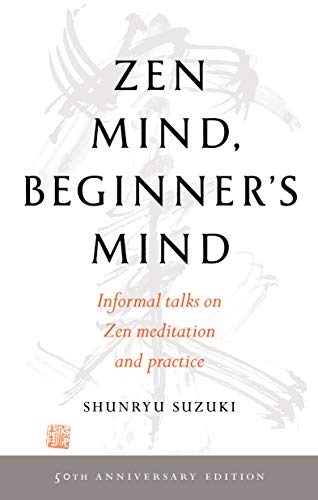
Library Journal, known for its literary expertise, highlights this work as "one of the best and most succinct introductions to Zen practice." This recommendation resonates deeply with a broad audience seeking clarity in Zen Meditation. The book invites you to rediscover simplicity and openness in your practice, making it an enduring touchstone for both newcomers and seasoned meditators alike.
Shunryu Suzuki, Trudy Dixon, Huston Smith, Richard Baker·
About the Author
Shunryu Suzuki (1904–1971) was one of the most influential spiritual teachers of the twentieth century and is truly a founding father of Zen in America. A Japanese priest of the Soto lineage, he taught in the United States from 1959 until his death. He was the founder of the San Francisco Zen Center and the Tassajara Zen Mountain Center. He is the author of Zen Mind, Beginner's Mind and Branching Streams Flow in the Darkness: Zen Talks on the Sandokai, and he is the subject of the biography Crooked Cucumber by David Chadwick.
Shunryu Suzuki, a pivotal figure in bringing Zen Buddhism to America, offers in this book a fresh approach to meditation that strips away complexity and invites you to embrace a "beginner's mind." Through informal talks, Suzuki guides you through the essentials of zazen practice, posture, and breathing, while also exploring profound concepts like nonduality with accessible clarity. You learn not only how to meditate but how to maintain openness and curiosity in everyday life, which can deepen your spiritual practice and perspective. This book suits anyone curious about Zen, from newcomers seeking an introduction to long-time practitioners revisiting foundational principles.
This personalized AI book about Zen Mastery is created after you share your experience with Zen, the specific practices you want to focus on, and your personal challenges. The AI crafts a book that matches your background and goals, making it easier to explore Zen teachings in a way that truly fits your journey. This custom approach makes your learning more meaningful and directly relevant to what you want to achieve with your practice.
TailoredRead AI creates personalized nonfiction books that adapt to your unique background, goals, and interests. Instead of reading generic content, you get a custom book written specifically for your profession, experience level, and learning objectives. Whether you're a beginner looking for fundamentals or an expert seeking advanced insights, TailoredRead crafts a book that speaks directly to you. Learn more.
This tailored book explores effective Zen practices that align closely with your personal challenges and interests. It reveals how timeless Zen concepts can be applied in ways that resonate deeply with your background, offering a focused journey into mindfulness, meditation, and spiritual calm. By matching your unique goals and experience, it examines practical approaches to cultivate lasting tranquility and presence, providing clarity and insight specific to your path. This personalized guide combines widely validated Zen knowledge with your preferences to deepen your understanding and support your practice.
Philip Kapleau Roshi’s The Three Pillars of Zen stands as a cornerstone in Western Zen literature, celebrated for its enduring influence and practical depth. This book unpacks the essential elements of Zen—teaching, practice, and enlightenment—through a mix of personal narrative and traditional teachings, making it a vital guide for anyone serious about Zen philosophy. It addresses the challenges of cultivating Zen practice with clarity, offering perspectives that bridge Eastern traditions and Western seekers’ experiences. Its ongoing relevance is reflected in multiple editions and endorsements from respected Zen teachers, cementing its place as a foundational text for those drawn to Zen’s discipline and insights.
1989·480 pages·Zen Philosophy, Meditation, Spiritual Practice, Buddhist Teachings, Mindfulness
Philip Kapleau Roshi's decades of Zen teaching experience culminate in this deep dive into the core elements of Zen practice—teaching, practice, and enlightenment. You gain firsthand insight into how these pillars shape the Zen path, enriched by personal stories, lectures from renowned Zen masters, and practical guidance to build your own meditation discipline. The book blends Eastern tradition with Western perspectives, making it accessible if you’re exploring Zen seriously or seeking to deepen your practice. Chapters like the Commentary on the Koan Mu offer concrete examples of Zen inquiry that challenge and expand your understanding.
Thich Nhat Hanh, a Vietnamese Zen Master and peace activist nominated for the Nobel Peace Prize by Dr. Martin Luther King Jr., dedicated over seven decades to teaching mindfulness and compassion. His book offers a lucid guide that grew from his lifelong commitment to peace and reconciliation amid war and exile. With millions of copies sold and translations into more than forty languages, this work distills his vast wisdom into practical lessons on being fully present. His approach invites you to find calm and awareness in everyday moments, transforming daily routines into mindful practice that resonates across cultures.
Thich Nhat Hanh (1926–2022) was a Vietnamese Buddhist Zen Master, poet, and peace activist. Born in 1926, he became a Zen Buddhist monk at the age of sixteen. His work for peace and reconciliation during the war in Vietnam moved Dr. Martin Luther King Jr. to nominate him for the Nobel Peace Prize in 1967. In Vietnam, Thich Nhat Hanh founded Van Hanh Buddhist University and the School of Youth for Social Service, a corps of Buddhist peace workers. Exiled as a result of his work for peace, he continued his humanitarian efforts, rescuing boat people and helping to resettle refugees. In 1982, he established Plum Village France, the largest Buddhist monastery in Europe and the hub of the international Plum Village Community of Engaged Buddhism. Over seven decades of teaching, he published a hundred books, which have been translated into more than forty languages and have sold millions of copies worldwide.
Thich Nhat Hanh’s decades of experience as a Zen Buddhist monk and peace activist led him to write this accessible guide on mindfulness meditation. You learn how to cultivate awareness in everyday activities—from washing dishes to peeling oranges—transforming mundane moments into opportunities for calm and self-understanding. The book’s gentle anecdotes and simple exercises make mindfulness approachable, benefiting anyone seeking to reduce stress or deepen their presence in daily life. For example, one chapter explores conscious breathing as a tool to center yourself amid distractions. If you want practical ways to integrate mindfulness without complicated rituals, this book offers straightforward insights grounded in Zen practice.
Zen Golf: Mastering the Mental Game offers a fresh perspective in the Zen Philosophy field by applying its principles directly to the mental challenges faced by golfers. Dr. Joseph Parent, a PGA coach and Buddhist instructor, combines storytelling with practical techniques to help you clear your mind, focus intently, and play each shot in the moment. This approach has resonated widely, empowering both amateurs and professionals to handle distractions and build confidence. If you're looking to improve the mental side of your golf game through a unique fusion of sport and philosophy, this book provides a thoughtful and accessible path.
While working as both a PGA coach and Buddhist instructor, Dr. Joseph Parent developed Zen Golf to bridge the mental disciplines of Zen philosophy with the practical challenges golfers face on the course. You learn how to quiet distracting thoughts and emotions through his PAR Approach, which breaks down mental mastery into Preparation, Action, and Response to Results. The book offers concrete tools like managing fear and embracing poor rounds to maintain focus and confidence. If you play golf and struggle with the mental side of the game, this book shows how ancient Zen principles can help you achieve presence and steady concentration shot after shot.
This AI-created book on mindfulness reset is tailored to your experience and goals in Zen philosophy. Based on what you share about your current mindfulness practice and specific areas of interest, it creates a focused path that suits you. Personalizing this way helps you quickly build the mindful habits that matter most to you, avoiding generic advice. You'll get a clear, manageable plan that fits your pace and lifestyle, making Zen mindfulness practical and approachable.
TailoredRead AI creates personalized nonfiction books that adapt to your unique background, goals, and interests. Instead of reading generic content, you get a custom book written specifically for your profession, experience level, and learning objectives. Whether you're a beginner looking for fundamentals or an expert seeking advanced insights, TailoredRead crafts a book that speaks directly to you. Learn more.
This tailored book explores practical, step-by-step actions for quickly enhancing mindfulness through Zen philosophy. It focuses on cultivating daily mindful habits by blending time-tested Zen teachings with approaches that match your interests and background. The personalized content examines how simple, intentional practices can transform your awareness, calm, and presence in everyday life. By addressing your specific goals, it reveals ways to integrate mindfulness naturally and sustainably, helping you reset your mindset within 30 days. This tailored guide offers a unique journey that connects popular reader-validated insights with your individual path, making Zen mindfulness accessible, relevant, and deeply engaging.
Mastery: The Keys to Success and Long-Term Fulfillment presents a distinctive fusion of martial arts discipline and Zen wisdom, offering readers a clear path toward deep personal development. This book’s approach emphasizes visualization techniques and mind-body exercises that resonate with anyone looking to cultivate mastery over their skills and life. Its enduring appeal lies in the way it connects practical exercises with philosophical insights, providing a unique contribution to Zen Philosophy literature. Whether you're drawn to martial arts or seeking mindful growth, this book offers accessible methods to foster long-term success and fulfillment.
George Leonard's extensive experience in martial arts and Zen philosophy shapes this distinctive exploration of mastery, steering clear of typical success clichés. You learn how visualization techniques and mind-body exercises from martial arts intertwine with Zen wisdom to forge a path toward long-term fulfillment. The book offers practical insights on discipline and patience, illustrated through unique exercises and philosophical reflections. If you're seeking a fresh perspective on personal growth that blends physical practice with mental clarity, this concise volume delivers focused guidance without fluff.
Thich Nhat Hanh, a Vietnamese Zen Master and revered peace activist nominated for the Nobel Peace Prize by Dr. Martin Luther King Jr., brings decades of experience to this book. His work founding Buddhist universities and communities worldwide underpins the profound yet accessible teachings here. This book reflects his lifelong dedication to making mindfulness practical and relevant for everyday life, inviting you to experience peace in each step.
Thich Nhat Hanh (1926–2022) was a Vietnamese Buddhist Zen Master, poet, and peace activist and one of the most revered and influential spiritual teachers in the world. Born in 1926, he became a Zen Buddhist monk at the age of sixteen. His work for peace and reconciliation during the war in Vietnam moved Dr. Martin Luther King Jr. to nominate him for the Nobel Peace Prize in 1967. In Vietnam, Thich Nhat Hanh founded Van Hanh Buddhist University and the School of Youth for Social Service, a corps of Buddhist peace workers. Exiled as a result of his work for peace, he continued his humanitarian efforts, rescuing boat people and helping to resettle refugees. In 1982 he established Plum Village France, the largest Buddhist monastery in Europe and the hub of the international Plum Village Community of Engaged Buddhism. Over seven decades of teaching, he published a hundred books, which have been translated into more than forty languages and have sold millions of copies worldwide.
When Thich Nhat Hanh first realized how disconnected modern life made people from the present moment, he crafted this guide to mindfulness as a way to reconnect daily experiences with spiritual awareness. You learn to cultivate calm and clarity through simple practices that bring attention to breathing, walking, and even routine tasks, as described in chapters dedicated to mindful eating and conscious breathing. This book suits anyone feeling overwhelmed by the pace of life or seeking to deepen their understanding of Zen's approach to peace and presence. The author’s decades as a Zen Master and peace activist infuse the text with profound yet accessible insights that transform how you engage with every moment.
The best Zen Philosophy books and more, in your inbox each week. No account needed.
Conclusion
This collection highlights three clear themes: accessible mindfulness practices, foundational Zen meditation teachings, and practical applications of Zen in daily life and even sports. If you prefer proven methods to cultivate presence, starting with Peace is Every Step and The Miracle of Mindfulness offers practical, gentle approaches. For validated philosophical depth, combine Zen Mind, Beginner's Mind with The Three Pillars of Zen to deepen your understanding and practice.
Alternatively, you can create a personalized Zen Philosophy book to combine proven methods with your unique needs, accelerating your path to mindful living. These widely-adopted approaches have helped many readers succeed in finding calm and clarity amid life's challenges.
Frequently Asked Questions
I'm overwhelmed by choice – which book should I start with?
Start with Peace is Every Step by Thich Nhat Hanh for approachable mindfulness practices. It's gentle and practical, making it ideal for newcomers seeking calm in daily life.
Are these books too advanced for someone new to Zen Philosophy?
Not at all. Books like Zen Mind, Beginner's Mind and Peace is Every Step are designed to welcome beginners with clear guidance and simple practices.
What's the best order to read these books?
Begin with mindfulness-focused titles like Peace is Every Step and The Miracle of Mindfulness, then explore deeper Zen teachings in Zen Mind, Beginner's Mind and The Three Pillars of Zen.
Do I really need to read all of these, or can I just pick one?
You can pick a book that fits your interest—mindfulness, meditation, or Zen applied to life or sports. Each offers unique insights and benefits on its own.
Which books focus more on theory vs. practical application?
The Three Pillars of Zen leans toward theory and deep practice, while Zen Golf and The Miracle of Mindfulness emphasize practical application in daily life and sports.
Can personalized Zen Philosophy books complement these expert picks?
Yes! While these expert-recommended books provide solid foundations, personalized Zen Philosophy books tailor content to your goals and experience, enhancing relevance. Explore more here.
📚 Love this book list?
Help fellow book lovers discover great books, share this curated list with others!