What if you could unlock a calmer, more present version of yourself by turning to the wisdom of Zen Philosophy? This isn’t just ancient wisdom tucked away in monasteries—it’s a practical guide for navigating modern stress and distraction. Zen’s influence stretches into the lives of innovators like Steve Jobs, who found clarity through its teachings, and civil rights leaders like Martin Luther King, Jr., who admired its profound peace advocacy.
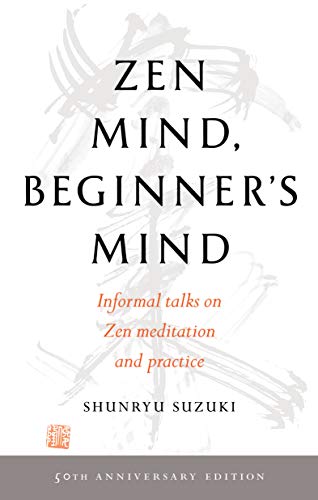
Take Steve Jobs, whose appreciation for "Zen Mind, Beginner's Mind" helped shape his visionary approach to simplicity and focus. Meanwhile, Martin Luther King praised Thich Nhat Hanh's "How to Relax" for its humility and deep call for brotherhood. These figures show how Zen philosophy transcends meditation cushions to influence leadership, creativity, and social change.
While these expert-curated books provide proven frameworks, readers seeking content tailored to their specific experience level, learning goals, or daily challenges might consider creating a personalized Zen Philosophy book that builds on these insights. This approach offers a unique roadmap grounded in the wisdom of these classics, adapted just for you.
Library Journal, a respected publication in the world of literature and knowledge curation, praises this as "one of the best and most succinct introductions to Zen practice." Their endorsement carries weight, considering their broad expertise in guiding readers to meaningful works. This book offers a clear path through Zen meditation's essentials, making it approachable even if you’ve never sat in zazen before. Their recommendation highlights how Suzuki’s straightforward teaching can reshape your understanding of Zen's subtle but profound philosophy.
Shunryu Suzuki, Trudy Dixon, Huston Smith, Richard Baker(you?)·
About the Author
Shunryu Suzuki (1904–1971) was one of the most influential spiritual teachers of the twentieth century and is truly a founding father of Zen in America. A Japanese priest of the Soto lineage, he taught in the United States from 1959 until his death. He was the founder of the San Francisco Zen Center and the Tassajara Zen Mountain Center. He is the author of Zen Mind, Beginner's Mind and Branching Streams Flow in the Darkness: Zen Talks on the Sandokai, and he is the subject of the biography Crooked Cucumber by David Chadwick.
What if everything you thought about Zen meditation was turned on its head? Shunryu Suzuki, a pivotal figure in 20th-century American Zen, distills decades of teaching into accessible talks that challenge the expert mindset and invite you to rediscover Zen with openness. You'll learn not only the fundamentals of posture and breathing in zazen but also deeper insights into nonduality and beginner's mind, as captured in chapters that emphasize simplicity over complexity. This book suits anyone eager to explore Zen beyond ritual—to experience its essence directly, whether you're a newcomer or seeking to refresh your practice.
Martin Luther King, revered civil rights leader and advocate for peace, praised this book for its profound scholarship and humility, emphasizing its potential to foster global brotherhood. He noted that Thich Nhat Hanh’s teachings offer more than meditation—they propose a path toward ecumenism and shared humanity. This perspective highlights the book’s depth beyond relaxation techniques, touching on social harmony. Additionally, Time magazine recognizes its cultural impact, noting its presence on multiple bestseller lists, underscoring its widespread influence and accessibility.
“Thich Nhat Hanh is a holy man, for he is humble and devout. He is a scholar of immense intellectual capacity. His ideas for peace, if applied, would build a monument to ecumenism, to world brotherhood, to humanity.”
Thich Nhat Hanh was a world-renowned spiritual teacher and peace activist. Born in Vietnam in 1926, he became a Zen Buddhist monk at the age of sixteen. Over seven decades of teaching, he published more than 100 books, which have sold more than four million copies in the United States alone. Exiled from Vietnam in 1966 for promoting peace, his teachings on Buddhism as a path to social and political transformation are responsible for bringing the mindfulness movement to Western culture. He established the international Plum Village Community of Engaged Buddhism in France, now the largest Buddhist monastery in Europe and the heart of a growing community of mindfulness practice centers around the world. He passed away in 2022 at the age of 95 at his root temple, Tu Hieu, in Hue, Vietnam.
Drawing from decades of teaching mindfulness and peace activism, Thich Nhat Hanh offers a straightforward guide to relaxation through meditation in this edition. You’ll explore practical meditations on healing, quieting incessant thoughts, engaging with sounds, and embracing solitude, all designed to help you cultivate calm wherever you are. With Jason DeAntonis' sumi ink illustrations complementing the text, the book is approachable for newcomers yet enriching for those deepening their practice. Chapters like transforming unpleasant sounds and finding peace in solitude provide concrete ways to live mindfulness beyond the cushion. This book suits anyone seeking a gentle, accessible introduction to mindfulness rather than a dense philosophical treatise.
This AI-created book on Zen Philosophy is crafted based on your background, interests, and goals. Zen’s teachings can be deeply personal, and this tailored book focuses on what matters most to you, whether it’s meditation, mindfulness, or ethical living. By customizing the content, it offers a clear and relevant path through Zen’s rich traditions that fits your current understanding and aspirations. It’s like having a guide that speaks directly to your journey with Zen.
TailoredRead AI creates personalized nonfiction books that adapt to your unique background, goals, and interests. Instead of reading generic content, you get a custom book written specifically for your profession, experience level, and learning objectives. Whether you're a beginner looking for fundamentals or an expert seeking advanced insights, TailoredRead crafts a book that speaks directly to you. Learn more.
2026·50-300 pages·Zen Philosophy, Meditation, Mindfulness, Spiritual Insight, Zen Ethics
This tailored book on Zen Philosophy offers a personalized journey through the timeless teachings and practices of Zen, crafted to align with your unique background and goals. It explores the core principles of Zen, including mindfulness, meditation, and spiritual insight, while weaving in specific topics that match your interests. By focusing on your individual learning path, this book bridges classic Zen wisdom with your personal experience, helping you engage deeply with concepts that matter most to you. This tailored approach reveals a pathway through the complexities of Zen thought, meditation techniques, and daily practice, designed to cultivate clarity, presence, and balance in your life.
Rhonda Magee, author of The Inner Work of Racial Justice, draws on her deep engagement with social healing to praise Norman Fischer’s reflections as a source of solace and presence amidst life’s pain and beauty. She highlights how the book offers qualities akin to a wise friend, encouraging trust and hope during challenging times. This perspective underscores the book’s resonance beyond traditional Zen circles, making it a vital companion for navigating complex human emotions. Similarly, Rae Armantrout, Pulitzer Prize–winning poet, appreciates Fischer’s emphasis on community commitment within Zen practice, challenging the assumption of Zen as solitary, and framing the book as an inviting entry point for those seeking connection through spiritual dedication.
“Steeped in a fundamental openness to life and relationship, Norman Fischer’s tender, unflinching reflections never fail to bring me solace and deliver me to a felt-sense of loving presence to life—to our own and to each other’s humanity—as ‘liberation itself.’ Among these reflections on the terrible beauty and aching sadness of life you will find the qualities of a wise best friend: everyday sanity, the encouragement to risk trust, and the committed hopefulness that things will be all right. A just-right companion for these times.”
Norman Fischer is a Zen teacher, poet, translator, and founder of the Everyday Zen Foundation. A beloved figure in the Buddhist world, he is also well-known for his efforts at interreligious dialogue. His numerous books include, most recently, The World Could Be Otherwise: Imagination and the Bodhisattva Path, What Is Zen?: Plain Talk for a Beginner's Mind, and Training in Compassion: Zen Teachings on the Practice of Lojong.
2021·336 pages·Zen Philosophy, Spirituality, Mindfulness, Social Engagement, Relationship
Norman Fischer, a Zen teacher and poet renowned for bridging Buddhist and interfaith perspectives, offers reflections that span his lifetime of Zen practice and teaching. You’ll find essays that explore the nuances of relationship, emptiness, and social engagement, providing thoughtful insight into how Zen thought unfolds in everyday life and cultural contexts. Chapters like those on 'the joy and catastrophe of relationship' invite you to reconsider how presence and vulnerability shape human connection. This book suits those seeking contemplative depth rather than quick lessons, especially if you want to engage Zen philosophy as a lived, evolving practice.
Brad Warner, author of Hardcore Zen, brings a deep understanding of Zen meditation from his own extensive practice to his recommendation of this book. He calls it "a treasure" and praises Arthur Braverman for making Kodo Sawaki’s teachings accessible to Western audiences. Warner’s appreciation reflects his own journey through Zen, where this book reinforced his commitment and offered fresh clarity on zazen practice. Similarly, Publisher's Weekly highlights Braverman’s skillful translations and thorough introduction, noting its importance as a resource for anyone keen on Zen meditation.
Kodo Sawaki [1880–1965] was one of the most influential Soto Zen teachers of the 20th century. He was born in Tsu City, Japan. Arthur Braverman grew up in New York City and became interested in Zen Buddhism in his early twenties. After serving two years in the US Peace Corps in Nigeria, he went to Japan to practice meditation. There he met Kosho Uchiyama and decided to practice at Antaiji in Kyoto while studying the writing of Dogen Zenji. He has been studying Classical Japanese and practicing meditation ever since.
2020·272 pages·Zen Philosophy, Meditation, Mindfulness, Soto Zen, Dogen Zenji
What started as Kodo Sawaki's personal journey from orphaned hardships to revered Zen master became a profound teaching on self-realization through meditation. Arthur Braverman, who trained deeply in Zen practice and translation, compiles Sawaki's teachings with clarity that makes complex Zen philosophy accessible. You’ll gain insight into the practice of zazen as the path to discovering your true self, with Sawaki’s humor and straightforward language guiding you through key concepts like Dogen Zenji's philosophy. This book suits anyone interested in authentic Zen meditation, especially those seeking a direct, unembellished approach rather than abstract theory.
Shozan Jack Haubner, author of Zen Confidential and Single White Monk, brings a wealth of experience in Zen Buddhism, making his endorsement particularly insightful. After years of exploring Zen's many forms, he found "The Rinzai Zen Way is a thorough and accessible primer on the history, principles, and practices of authentic Rinzai Zen Buddhism." His appreciation stems from the book’s ability to restore the true meaning of Zen through clear instructions on meditation, chanting, and teacher guidance. Similarly, Guo Gu, author of Passing through the Gateless Barrier, highlights the book’s practical advice on harmonizing body and breath, reflecting its grounding in the Ōmori Sōgen tradition.
“The Rinzai Zen Way is a thorough and accessible primer on the history, principles, and practices of authentic Rinzai Zen Buddhism. Meido Moore offers detailed instructions on how to meditate, chant, work with a teacher, understand the teachings, and manifest them in your daily life, restoring the word Zen to its proper place.”
Meido Moore (1968) is the abbot of Korinji Rinzai Zen monastery near Madison, Wisconsin, and guiding teacher of the international Korinji Rinzai Zen Community. He grew up in New Jersey, attending Rutgers University and the Antioch Buddhist studies program in Bodh Gaya, India. He began Zen training in 1988, practicing under three Rinzai Zen teachers in the lineage of Omori Sogen Roshi. In 2008, he received inka shomei, designating him an 86th-generation Zen dharma heir. Meido Roshi is also ordained in the Mt. Koshikidake tradition of Shugendo and has authored several books on Zen practice.
What if everything you knew about Zen practice was reexamined through the lens of Rinzai tradition? Meido Moore, an 86th-generation dharma heir and abbot of Korinji monastery, offers a clear path into the discipline and koan practice that define Rinzai Zen. You’ll gain practical understanding of kensho—the initial awakening experience—and how it marks just the start of deepening insight and compassionate living. Chapters detail meditation techniques, chanting, and working closely with a teacher, making this an approachable guide for anyone serious about authentic Zen practice beyond the Soto school’s more familiar teachings.
This AI-created book on Zen meditation is crafted based on your current experience and specific goals. You share what aspects of mindfulness and Zen practice interest you most, along with your skill level, and the book is created to focus precisely on those areas. Because Zen is both subtle and deeply personal, having a tailored guide helps bridge the gap between broad teachings and your unique journey. This approach offers a clear, engaging 30-day plan that fits your life and helps refresh your Zen practice effectively.
TailoredRead AI creates personalized nonfiction books that adapt to your unique background, goals, and interests. Instead of reading generic content, you get a custom book written specifically for your profession, experience level, and learning objectives. Whether you're a beginner looking for fundamentals or an expert seeking advanced insights, TailoredRead crafts a book that speaks directly to you. Learn more.
This tailored book embarks on a focused 30-day journey designed to deepen your mindfulness and meditation practice through Zen philosophy. It explores essential Zen teachings, meditation techniques, and mindfulness methods specifically matched to your background and goals. By offering a personalized pathway, the book helps you build a refreshed Zen mindset with daily practices that resonate with your interests and experience level. Throughout, it reveals how to integrate Zen principles into daily life, fostering calm, presence, and clarity.
Tailored to your unique learning preferences, this book bridges classic Zen insights with your specific needs, making the profound wisdom accessible and relevant. It guides you gently yet purposefully, ensuring your 30-day reset brings meaningful transformation in mindfulness and inner balance.
Taigen Dan Leighton, author of Zen Questions, regards Shohaku Okumura as a pivotal figure in bringing authentic Soto Zen teachings to American practitioners. His endorsement highlights how this book preserves a noble lineage with humility and clarity. Leighton's appreciation stems from his deep engagement with Zen philosophy, making his recommendation particularly meaningful for anyone serious about Zen practice. Similarly, Brad Warner, known for Hardcore Zen, praises Kodo Sawaki's direct and insightful teachings, noting how this volume fills a long-standing gap for English readers. These voices together underscore the book’s significance in contemporary Zen circles.
Kosho Uchiyama was born in Tokyo in 1912. He received a master's degree in Western philosophy at Waseda University in 1937 and became a Zen priest three years later under Kodo Sawaki Roshi. Upon Sawaki's death in 1965, he became abbot of Antaiji, a temple and monastery then located on the outskirts of Kyoto. Uchiyama Roshi developed the practice at Antaiji and traveled extensively throughout Japan, lecturing and leading sesshins. He retired from Antaiji in 1975 and lived with his wife at Noke-in, a small temple outside Kyoto, where he continued to write, publish, and meet with the many people who found their way to his door, until his death in 1999. He wrote over twenty books on Zen, including translations of Dogen Zenji in modern Japanese with commentaries, as are various shorter essays. His Opening the Hand of Thought: Foundations of Zen Buddhist Practice is available in English from Wisdom Publications. He was an origami master as well as a Zen master and published several books on origami.
2014·288 pages·Zen Philosophy, Meditation, Buddhism, Mindfulness, Spiritual Practice
Kosho Uchiyama Roshi's decades of experience as a Zen priest and abbot inform this collection of teachings from his own teacher, Kodo Sawaki Roshi, who uniquely chose a wandering "homeless" life over temple authority. You’ll engage with sharp, often humorous teachings that challenge vanity and attachment, brought to life through Uchiyama's insightful commentaries linking Zen with Western philosophy and biblical thought. Shohaku Okumura’s contemporary reflections make these teachings accessible for Western practitioners seeking to deepen their practice beyond monastic walls. If you want to explore Zen as a lived, practical path rather than an abstract philosophy, this book provides a rare, grounded perspective that benefits serious students and meditators alike.
Thich Nhat Hanh, a Vietnamese Zen Master and peace activist nominated for the Nobel Peace Prize by Dr. Martin Luther King Jr., brings decades of monastic experience to this guide on mindfulness meditation. His work founding Buddhist universities and communes reflects a dedication to living Zen philosophy as a path to peace. This book emerged from his commitment to teaching mindfulness as a simple, accessible practice embedded in daily life, offering you a chance to cultivate calm and awareness beyond formal meditation sessions.
Thich Nhat Hanh (1926–2022) was a Vietnamese Buddhist Zen Master, poet, and peace activist. Born in 1926, he became a Zen Buddhist monk at the age of sixteen. His work for peace and reconciliation during the war in Vietnam moved Dr. Martin Luther King Jr. to nominate him for the Nobel Peace Prize in 1967. In Vietnam, Thich Nhat Hanh founded Van Hanh Buddhist University and the School of Youth for Social Service, a corps of Buddhist peace workers. Exiled as a result of his work for peace, he continued his humanitarian efforts, rescuing boat people and helping to resettle refugees. In 1982, he established Plum Village France, the largest Buddhist monastery in Europe and the hub of the international Plum Village Community of Engaged Buddhism. Over seven decades of teaching, he published a hundred books, which have been translated into more than forty languages and have sold millions of copies worldwide.
Thich Nhat Hanh's decades as a Zen Buddhist monk and peace activist shaped this manual on mindfulness meditation, offering a calm yet profound approach to awareness. You learn how to bring mindful attention to everyday tasks—from washing dishes to peeling an orange—transforming ordinary moments into opportunities for self-understanding and tranquility. The book breaks down mindfulness into accessible practices that anyone can incorporate without needing prior meditation experience. If you seek to cultivate a peaceful presence amid daily distractions, this book guides you gently but directly toward that goal. It suits those curious about Zen philosophy as a lived practice rather than abstract theory.
The New York Times, a leading voice in literary critique, highlights Thich Nhat Hanh's stature among Buddhist thinkers, ranking him just behind the Dalai Lama. This endorsement underscores Hanh's profound impact on Western understanding of Zen philosophy, especially his insights on communication. The book emerged from his life as a Zen master and peace advocate, offering you a way to transform everyday interactions into meaningful connections. "Among Buddhist leaders influential in the West, Thich Nhat Hanh ranks second only to the Dalai Lama," the Times notes, reflecting how this work reshaped their perspective on mindful speech and listening.
Thich Nhat Hanh was a world-renowned Buddhist Zen master, poet, author, scholar, and activist for social change, who was nominated for the Nobel Peace Prize by Dr. Martin Luther King Jr. He was the author of many bestselling books, including the classics Peace Is Every Step and The Art of Living. Through his books and retreats at the monasteries he has founded in the U.S., Europe, Asia, and Australia, he became a pre-eminent figure in contemporary Buddhism, offering teachings that are both deeply rooted in ancient wisdom and accessible to all.
When Thich Nhat Hanh developed the methods in this book, he drew deeply from his experiences as a Zen master and peace activist, aiming to transform how we connect with others. You learn to listen with real presence and express yourself authentically, skills essential to nurturing relationships at home and in the workplace. The book offers practical guidance on mindful communication, illustrated with examples from couples' conflicts to international peace efforts, helping you bridge misunderstandings that often arise. If you seek to improve how you relate to others with compassion and clarity, this offers a grounded approach accessible beyond spiritual circles.
Bonnie Myotai Treace, Sensei and founder of Hermitage Heart Zen, brings her extensive experience as a Zen teacher to this accessible guide. Living in Black Mountain, North Carolina, she offers personalized instruction and retreats, grounding her book in real-world teaching. This practical handbook reflects her dedication to making Zen meditation approachable, focusing on simple, everyday practices that invite calm and clarity into your life.
Bonnie Myotai Treace, Sensei, is the founder of Hermitage Heart Zen, as well as the author of Wake Up: How to Practice Zen Buddhism, Zen Meditation for Beginners, and other books. She lives in Black Mountain, North Carolina, where she offers writing retreats and at-home meditation instruction.
Bonnie Myotai Treace, a seasoned Zen teacher and founder of Hermitage Heart Zen, offers you a straightforward introduction to Zen meditation grounded in accessible practice. You learn to integrate ten core Zen principles, such as embodying kindness and noticing negative self-talk, into both your seated meditation and daily life. The book breaks down meditation into manageable moments, some just five to ten minutes long, guiding you to cultivate calm without prior experience. If you're seeking to bring Zen's clarity into your everyday routine, this guide provides clear, practical ways to do so—but those looking for deep doctrinal study may want to look elsewhere.
Thich Nhat Hanh is a world-renowned Zen monk, author, and meditation master known for distilling the essence of Buddhist thought and practice. His deep understanding of mindfulness led him to craft this book as a way to help readers discover the power of living fully in the present moment. Drawing from retreats he led for Western audiences, his teachings invite you to explore practical mindfulness techniques like conscious breathing and walking meditation, transforming everyday awareness into a source of peace and compassion.
Thich Nhat Hanh is a world-renowned Zen monk, author, and meditation master known for distilling the essence of Buddhist thought and practice.
2012·160 pages·Zen Philosophy, Mindfulness, Meditation Practices, Breathing Techniques, Compassion Development
What happens when a renowned Zen monk distills centuries of Buddhist practice into a guide for modern life? Thich Nhat Hanh, along with Melvin McLeod and Sherab Chödrin Kohn, presents mindfulness not as an abstract ideal but as a tangible way to live fully in the present moment. You’ll explore specific practices such as conscious breathing, mindful walking, and deep listening that help transform stress and suffering into compassion and peace. The book draws from a retreat tailored for Western audiences, offering accessible tools that anyone can apply to cultivate calm and presence in daily life. If you seek practical methods grounded in authentic Zen teachings, this book offers a quiet yet profound path forward.
The best Zen Philosophy books and more, in your inbox each week. No account needed.
Conclusion
These ten books weave together themes of mindful presence, compassionate communication, and disciplined practice central to Zen Philosophy. If you’re new to Zen, "Zen Mind, Beginner's Mind" offers a welcoming foundation, while "The Rinzai Zen Way" and "The Zen Teaching of Homeless Kodo" dive deeper into specific traditions.
For those seeking practical applications, "The Art of Communicating" and "Zen Meditation for Beginners" provide accessible entry points to integrate Zen into daily life. And if your journey calls for gentle mindfulness infused with social awareness, "How to Relax" and "When You Greet Me I Bow" offer profound reflections.
Alternatively, you can create a personalized Zen Philosophy book to bridge the gap between general principles and your specific situation. These books can help you accelerate your learning journey, deepening both understanding and practice.
Frequently Asked Questions
I'm overwhelmed by choice – which book should I start with?
Start with "Zen Mind, Beginner's Mind" for a clear, approachable introduction to Zen meditation and philosophy. It sets a strong foundation before exploring more specialized works.
Are these books too advanced for someone new to Zen Philosophy?
No, several books like "Zen Meditation for Beginners" and "How to Relax" cater to newcomers, offering practical guidance without heavy jargon.
What's the best order to read these books?
Begin with foundational texts such as "Zen Mind, Beginner's Mind," then explore practical applications like "The Art of Communicating," followed by deeper tradition-focused works like "The Rinzai Zen Way."
Do I really need to read all of these, or can I just pick one?
You can pick one that fits your current interest—whether mindfulness, meditation, or communication—but reading multiple offers a richer, well-rounded understanding.
Which books focus more on theory vs. practical application?
"When You Greet Me I Bow" leans toward reflective theory, while "Zen Meditation for Beginners" and "The Art of Communicating" emphasize practical techniques you can apply daily.
Can I get a Zen Philosophy book tailored just for me?
Yes! While these expert books offer deep wisdom, a personalized Zen Philosophy book can tailor insights to your background, goals, and learning style. Explore personalized options here.
📚 Love this book list?
Help fellow book lovers discover great books, share this curated list with others!