20 Behavioral Psychology Books That Experts Rely On
Curated recommendations from Eric Schmidt, Seth Godin, and leading psychologists to elevate your understanding of Behavioral Psychology
Updated on June 26, 2025·We may earn commissions for purchases made via this page
17 of 20 books have Kindle versions
We're launchingLaunching on Product Hunt today 🎉We just launchedJust launched on Product Hunt 🎉
Modelpeers, from the BookAuthority teamFrom the BookAuthority team: Modelpeers, a free way to follow AI models and agents like you follow people. We'd love your support.
What if the key to understanding human behavior lies in mastering a handful of proven psychological techniques? Behavioral psychology isn't just academic theory—it's the science behind why you think, feel, and act the way you do. In a world where mental health challenges and behavior change dominate headlines, these insights couldn’t be more vital.
Leaders like Eric Schmidt, former CEO of Google, have turned to behavioral psychology to unlock better decision-making and habit formation. Meanwhile, Seth Godin, marketing strategist and author, applies these principles to inspire change and action. Pioneers like Aaron Beck, who developed cognitive therapy, revolutionized mental health treatment, showing how thought patterns shape experience. Their endorsements highlight the practical power of these books.
While the following 20 Behavioral Psychology books offer expert-vetted frameworks and strategies, you might also consider creating a personalized Behavioral Psychology book tailored exactly to your learning goals, background, and interests. This approach can accelerate your grasp of behavior science in ways general texts can't.
Dennis Tirch, founding director of the Center for Compassion-Focused Therapy, highlights the critical yet often overlooked role of Socratic questioning in cognitive and behavioral therapies. He notes, "Socratic questioning is one of the most omnipresent and important dimensions of psychotherapeutic presence..." This endorsement underscores the book’s value in deepening therapeutic presence and effectiveness. Similarly, Aaron Beck, a psychiatrist and pioneer of cognitive therapy, praises the book’s clear direction on applying Socratic methods through rich case examples and practice dialogues, making it a valuable tool for both new and experienced clinicians.
“Socratic questioning is one of the most omnipresent and important dimensions of psychotherapeutic presence in cognitive and behavioral therapies, but it is also one of the least discussed topics in the field. The authors do a masterful job in shedding light on one of the essential components of effective, modern CBT. Highly recommended!”
Scott H. Waltman, R. Trent Codd III, Lynn M. McFarr(you?)·
About the Author
Scott Waltman, PsyD, ABPP is a clinician and an international CBT trainer specializing in case-conceptualization driven approaches to psychotherapy. He is certified as a qualified Cognitive Therapist and Trainer/Consultant by the Academy of Cognitive & Behavioral Therapies. He also is board certified in Behavioral and Cognitive Psychology from the American Board of Professional Psychology. His interests include evidence-based psychotherapy practice, training, and implementation in systems that provide care to underserved populations.
When Scott H. Waltman and his co-authors crafted this book, they drew from extensive experience in cognitive behavioral therapy training to tackle a surprisingly underexplored topic: Socratic questioning in therapy. You’ll gain a structured framework refined through large-scale CBT initiatives, complete with rich case examples and practical strategies for challenging deeply held beliefs. The book is especially useful for therapists aiming to enhance their engagement techniques, including those working with complex populations like borderline personality disorder. It goes beyond theory, offering clear guidance on layering interventions to shift core schemas, making it a solid resource for trainees and seasoned clinicians alike.
Crystal Andrus Morissette, founder of The S.W.A.T. Institute, emphasizes how this workbook helps you step back from mental chatter that distorts your view of people and problems. She notes, "The CBT Workbook for Mental Health provides simple, accessible, and profoundly transformative exercises that can dramatically empower and shift the way we think and feel about ourselves and our futures." Her appreciation highlights how these exercises can change your relationship to your thoughts, fostering clarity and calm. Similarly, John Grohol, founder of Psych Central, points out that this book supplies a practical toolkit for those without access to therapy, making it a strong companion for anyone ready to work on their mental health.
“Feelings are not facts; however, feelings tell us how we think about the people, problems, and situations in our lives. If we can step back and scrutinize our thoughts, we can see if we're being objective and accurate. The trouble is, many of us can't stop the mental chatter that leads us in the wrong direction. The CBT Workbook for Mental Health provides simple, accessible, and profoundly transformative exercises that can dramatically empower and shift the way we think and feel about ourselves and our futures. I highly recommend this book!”
Simon Rego PsyD, Sarah Fader, Jonathan E. Alpert MD PhD(you?)·
About the Author
Dr. Simon Rego is board certified in cognitive behavioral psychology and a licensed clinical psychologist with close to 25 years of experience. He is currently Chief Psychologist, Director of Psychology Training, and Director of the CBT Training Program at Montefiore Medical Center. He is also Associate Professor of Psychiatry and Behavioral Sciences at Albert Einstein College of Medicine in New York. Sarah Fader is the co-founder of Stigma Fighters, a non-profit organization that encourages individuals with mental illness to share their personal stories. She has been featured in The New York Times, The Washington Post, Psychology Today, The Huffington Post, and more.
Dr. Simon Rego, with nearly 25 years in clinical psychology and leadership at Montefiore Medical Center, teams up with Sarah Fader and Jonathan Alpert to offer a hands-on guide rooted in cognitive behavioral therapy. This workbook breaks down how to recognize and reshape unhelpful thought patterns through brief, focused exercises that tackle anxiety, anger, shame, and stress. You learn practical skills to manage everyday emotional struggles, like improving communication or boosting self-esteem, making it accessible even on the busiest days. If you want a structured way to build emotional resilience without a formal diagnosis, this book offers clear methods that anyone can apply.
This AI-created book on behavioral psychology is written based on your background, current knowledge, and specific interests within the field. You share your goals, and it is crafted to focus on the concepts and applications that matter most to you. By tailoring the content, the book provides a clear, efficient pathway through complex psychological ideas, helping you build a deeper understanding that fits your unique learning journey.
TailoredRead AI creates personalized nonfiction books that adapt to your unique background, goals, and interests. Instead of reading generic content, you get a custom book written specifically for your profession, experience level, and learning objectives. Whether you're a beginner looking for fundamentals or an expert seeking advanced insights, TailoredRead crafts a book that speaks directly to you. Learn more.
This personalized book explores behavioral psychology concepts and their real-world applications tailored to your unique interests and background. It examines core theories and contemporary research, focusing on how behavior is influenced by cognitive, emotional, and environmental factors. By tailoring the content to your specific goals, it creates a learning experience that deepens understanding of motivation, habit formation, decision-making, and behavioral change. The book bridges complex topics with accessible explanations, offering a custom pathway through established knowledge and emerging insights. This tailored approach ensures you engage directly with the material most relevant to your learning journey, enriching your grasp of behavioral psychology with personalized clarity and depth.
Lane Pederson, PsyD, LP, DBTC, brings decades of hands-on experience training over 10,000 professionals worldwide and managing one of the largest DBT clinics in the U.S. His deep practical expertise in developing specialized DBT programs for complex cases informs this manual, making it a trusted resource for therapists and individuals alike seeking effective skills training in behavioral psychology.
Lane Pederson, PsyD, LP, DBTC, has provided DBT training and consultation to over 10,000 professionals in the United States, Australia, South Africa, Canada and Mexico. A real-world practitioner, Dr. Pederson co-owns Mental Health Systems, PC (MHS), one of the largest DBT-specialized practices in the United States. At MHS Dr. Pederson has developed DBT programs for adolescents, adults, people with dual disorders, and people with developmental disabilities. He has served as clinical and training director, has directed practice-based clinical outcome studies, and has overseen the care of thousands of clients in need of intensive outpatient services. He is the author of three DBT books. Lane Pederson is not affiliated or associated with Marsha M. Linehan, PhD, ABPP, or her organization.
What started as Lane Pederson's extensive clinical work with diverse populations became a detailed manual offering the largest collection of DBT skills available today. You’ll explore modules that go beyond basics, including dialectics, cognitive modification, and problem-solving, along with fresh content addressing addictions and social media challenges. The book’s clear explanations and practical worksheets make it approachable whether you’re a therapist leading groups or someone eager to apply DBT techniques on your own. If you’re looking to deepen your understanding of emotional regulation or build routine habits that support mental health, this manual delivers targeted, well-structured guidance.
Aaron Beck, psychiatrist and author renowned for pioneering cognitive therapy, appreciates this book for its clear, empowering language that makes CBT principles accessible. After decades refining CBT, he notes how Seth Gillihan’s work enhances understanding of common psychological challenges, stating "Cognitive Behavior Therapy Made Simple uses collaborative, empowering and straightforward language, while bestowing the tenets of Cognitive Behavior Therapy on to the reader." This endorsement reflects how the book clarifies CBT concepts in ways that helped Beck reconsider and expand his view on teaching these strategies to a broader audience.
“Cognitive Behavior Therapy Made Simple uses collaborative, empowering and straightforward language, while bestowing the tenets of Cognitive Behavior Therapy on to the reader. Seth Gillihan’s finesse and knowledge of CBT allows for enhancement of skills and improvement of common issues. This volume is a must read for anyone who has experienced psychological problems, and that includes all of us.”
Seth J. Gillihan, Ph.D., is a licensed psychologist specializing in mindfulness-centered cognitive behavioral therapy (CBT) for anxiety, depression, insomnia, and other conditions. Dr. Gillihan has written and lectured nationally and internationally on CBT and how the brain is involved in regulating our moods. He completed his BA in French and biology at Indiana University, his MA in community counseling at The George Washington University, and his PhD in clinical psychology at the University of Pennsylvania. He lives in Ardmore, Pennsylvania, with his wife and three kids.
Seth J. Gillihan, a licensed psychologist with a PhD from the University of Pennsylvania, draws on his expertise in mindfulness-centered cognitive behavioral therapy to present practical strategies for managing anxiety, depression, anger, and panic. The book guides you through 10 core CBT techniques such as goal setting and mindfulness practices, providing tools to identify and challenge negative thought patterns that contribute to emotional distress. Whether you're seeking to supplement therapy or handle everyday stressors, this workbook offers accessible exercises and self-reflection prompts to foster emotional regulation and personal growth. It's especially suited for those wanting a clear, straightforward approach to applying CBT principles in daily life.
David Carbonell, a Chicago-based psychologist specializing in fears and phobias, highlights this book's practical value for those struggling with uncontrollable anxiety. He calls it "a gem for people seeking to tame runaway anxiety and upset," praising Jennifer Shannon's blend of cognitive behavioral methods and acceptance and commitment therapy. Carbonell appreciates how the book transforms the metaphor of the "monkey mind" into concrete steps to regain focus from worry to living fully. Similarly, Edmund Bourne, author of The Anxiety & Phobia Workbook, notes its clear mindset shifts and original approach, emphasizing its accessibility through personal examples and straightforward strategies.
“This book is a gem for people seeking to tame runaway anxiety and upset. Jennifer Shannon takes the simple metaphor of ‘monkey mind’ and fleshes it out with wisdom and simple steps that anyone can follow. Here, in plain language, is a comprehensive set of concrete steps to let your anxiety run its course and then fade. Jennifer Shannon has blended the best of cognitive behavioral methods and acceptance and commitment therapy (ACT) to produce a great contribution to the self-help literature. Here you can learn to return your energy and attention back to your voyage through life, rather than the worries and fears that have hijacked your focus. Professional psychotherapists will also find it useful. I highly recommend it!”
Jennifer Shannon LMFT, Doug Shannon, Michael A. Tompkins PhD ABPP(you?)·
About the Author
Jennifer Shannon, LMFT, is author of The Shyness and Social Anxiety Workbook for Teens, The Anxiety Survival Guide for Teens, and cofounder of the Santa Rosa Center for Cognitive-Behavioral Therapy in Santa Rosa, CA. She is a diplomate of the Academy of Cognitive Therapy. Doug Shannon is a freelance cartoonist who resides in Santa Rosa, CA. Foreword writer Michael A. Tompkins, PhD, is founding partner of the San Francisco Bay Area Center for Cognitive Therapy, diplomate of the Academy of Cognitive Therapy, and assistant clinical professor at the University of California, Berkeley. He is author and coauthor of five books, including OCD and Digging Out.
Jennifer Shannon, a licensed marriage and family therapist and diplomate of the Academy of Cognitive Therapy, presents a fresh perspective on anxiety through the metaphor of the "monkey mind." This book teaches you to identify and question anxious thoughts by blending cognitive behavioral therapy with acceptance and commitment therapy, supported by mindfulness practices and accessible illustrations. For example, it guides you through recognizing how avoiding fear actually feeds anxiety and offers practical exercises to confront those fears directly. If you struggle with persistent worry or are a mental health professional seeking approachable patient tools, this book offers clear insights into breaking anxiety's cycle without promises of a quick fix.
This AI-created book on behavior change is tailored to your unique background, skill level, and specific goals. By incorporating your interests and challenges, it crafts a personalized pathway through the science of habits and mindsets. Personalizing this content helps cut through general advice, focusing on what will truly move you forward. Whether reshaping daily routines or transforming long-held patterns, this book offers a clear, focused plan created just for you.
TailoredRead AI creates personalized nonfiction books that adapt to your unique background, goals, and interests. Instead of reading generic content, you get a custom book written specifically for your profession, experience level, and learning objectives. Whether you're a beginner looking for fundamentals or an expert seeking advanced insights, TailoredRead crafts a book that speaks directly to you. Learn more.
This tailored book explores rapid behavior change through psychological principles, offering a focused journey to reshape habits and mindsets in just 90 days. It examines core psychological concepts and their practical application to your unique background and goals, ensuring the content addresses what matters most to you. By synthesizing expert knowledge into a personalized guide, it reveals how incremental changes accumulate into lasting transformation. This approach makes complex behavioral science accessible and actionable, tailored to your interests and the specific challenges you face. Readers gain a clear pathway to understand and apply behavior change techniques effectively, enhancing personal growth and self-mastery.
The New York Times, known for its rigorous literary standards, highlights this book as an essential guide for those grappling with anxiety and depression. Their endorsement underscores Lawrence Wallace's blend of personal insight and expert knowledge, making complex CBT strategies approachable and practical. This recommendation reflects how the book helped clarify actionable steps toward inner peace. Following closely, Psychology Today praises the compassionate tone and life-changing potential of the book’s methods, emphasizing its relevance for anyone seeking control over their mental health journey.
“An essential guide to overcoming anxiety and depression: Lawrence Wallace's book on Cognitive Behavioral Therapy is a must-read for anyone struggling with mental health issues. The author's personal experience and expertise make for a relatable and informative read, and the practical techniques outlined in the book are easy to implement in daily life. Highly recommended for anyone looking for lasting change and inner peace.”
Lawrence Wallace was once just like you—struggling with anxiety, depression, and intrusive thoughts. But through years of research and personal experience, he discovered the power of Cognitive Behavioral Therapy (CBT) in overcoming these challenges. Determined to share this knowledge with others, Lawrence became a CBT expert and bestselling author. In his books, Lawrence combines the latest scientific research with wisdom from ancient philosophy to provide readers with a comprehensive guide to achieving lasting happiness and inner peace. Drawing on his own experiences, Lawrence writes with empathy and understanding, making his books both relatable and actionable. When he's not writing, Lawrence can be found leading workshops and giving talks on CBT and mental health. He is also the founder of the Intrusive Thoughts Organization, which provides free support and guidance to those struggling with obsessive thoughts. Lawrence's mission is to help as many people as possible lead happier, more fulfilled lives. With his books and other resources, he is well on his way to achieving this goal.
When Lawrence Wallace realized how deeply anxiety and depression can trap a person, he turned years of personal struggle into an accessible guide for change. His background as a CBT expert and founder of the Intrusive Thoughts Organization informs a clear presentation of seven core strategies that help you reshape negative thought patterns and build resilience. You’ll encounter specific techniques for confronting intrusive thoughts, fostering self-compassion, and integrating mindfulness with practical lifestyle adjustments like improved sleep and nutrition. This book suits anyone ready to understand their mental habits and willing to engage with proven psychological tools for lasting emotional freedom.
Eric Schmidt, Executive Chairman of Alphabet and former CEO of Google, recommends this book for mastering tailored, science-based strategies to overcome obstacles. He highlights how this engaging guide reshaped his understanding of behavior change, providing practical tools to tackle challenges effectively. His endorsement underscores the book's relevance for anyone serious about transforming intentions into action. Following him, Seth Godin, a marketing thought leader, praises the book’s ability to help committed individuals turn change into reality, emphasizing its motivational power and clarity.
Katy Milkman is a behavioral scientist and Professor at The Wharton School at the University of Pennsylvania. Over the course of her career, she has worked with or advised dozens of organizations on how to encourage positive change, including Google, the U.S. Department of Defense, the American Red Cross, and Morningstar. Her research is regularly featured by major media outlets such as the New York Times, the Wall Street Journal, and NPR. She currently co-directs the Behavior Change for Good Initiative at the University of Pennsylvania and hosts Choiceology, a popular Charles Schwab podcast about behavioral economics.
After analyzing extensive research and real-world examples, Katy Milkman reveals why change often stalls and how to break through common barriers like procrastination and impulsivity. Drawing from her work with organizations like Google and the Department of Defense, she offers tailored strategies that turn obstacles into advantages—such as transforming workouts from a chore into a source of enjoyment. Readers gain insight into timing, temptation bundling, and how giving advice can boost their own success. Whether you're trying to build new habits or guide others, this book offers a science-based roadmap grounded in behavioral psychology.
Judith Beck, PhD and President of the Beck Institute for Cognitive Behavior Therapy, emphasizes the practical value of this DBT workbook for anyone facing complex emotional challenges. She highlights how the book’s focus on mindfulness, interpersonal effectiveness, emotion regulation, and distress tolerance provides essential skills that transform therapy outcomes. Beck’s expertise in cognitive behavioral interventions lends weight to her recommendation, underscoring how these handouts and worksheets offer clear, accessible tools that both clients and therapists can integrate into treatment plans to improve real-life coping.
“Skills such as mindfulness, interpersonal effectiveness, emotion regulation, and distress tolerance are invaluable for those working to overcome complex problems. DBT offers an especially effective way to learn these skills. I highly recommend this book of worksheets and handouts and the companion manual for therapists.”
Marsha M. Linehan, PhD, is a renowned psychologist and the developer of Dialectical Behavior Therapy (DBT). She has dedicated her career to the treatment of borderline personality disorder and has authored numerous influential works in the field of psychology. Her innovative approach has transformed the way mental health professionals treat emotional and psychological issues, making her a leading figure in the realm of psychotherapy.
Drawing from decades of clinical experience, Marsha M. Linehan developed this collection of over 225 handouts and worksheets to support clients mastering dialectical behavior therapy (DBT) skills. The book breaks down complex concepts like mindfulness, emotion regulation, and interpersonal effectiveness into accessible tools tailored to individual needs, making it practical for both clients and therapists. You’ll find clear introductions for each module designed to help you integrate DBT techniques into everyday life, especially if you or someone you work with faces emotional dysregulation or borderline personality disorder. This resource is particularly suited for mental health professionals seeking well-organized client materials and for individuals aiming to build concrete coping skills.
Judith Beck, PhD, president of the Beck Institute for Cognitive Behavior Therapy, has long been a leading voice in mental health treatment. She highlights how Linehan's manual offers indispensable guidance, noting that "mental health professionals--whether or not they use DBT as their major therapeutic orientation--will find the second edition of Linehan's skills training manual and its companion volume of client worksheets and handouts invaluable." Beck appreciates the book’s clear presentation of theoretical foundations alongside practical tools, which helped her navigate complex client challenges more effectively. Her endorsement underscores the manual’s role as a cornerstone for therapists aiming to integrate DBT skills into their practice.
President, Beck Institute for Cognitive Behavior Therapy
“Mental health professionals--whether or not they use DBT as their major therapeutic orientation--will find the second edition of Linehan's skills training manual and its companion volume of client worksheets and handouts invaluable. Skills such as mindfulness, interpersonal effectiveness, emotion regulation, and distress tolerance should be part and parcel of any therapist’s repertoire. The manual clearly spells out the theoretical basis and rationale for emphasizing these skills and provides a detailed account of how to use the patient material. Especially useful are descriptions of troubleshooting common problems. Therapists are sometimes at a loss to figure out how to help clients with complex problems; these books can significantly help us improve our effectiveness.”
Marsha M. Linehan, PhD, ABPP, is a pioneering psychologist and the developer of dialectical behavior therapy (DBT). She is Professor Emeritus of Psychology and Director Emeritus of the Behavioral Research and Therapy Clinics at the University of Washington. Her research focuses on evidence-based treatments for high suicide risk populations and severe mental disorders. Linehan has received numerous accolades, including the University of Louisville Grawemeyer Award for Psychology and the Gold Medal Award for Life Achievement in Psychology. She is a Zen master and has authored several influential books in the field.
Drawing from her extensive background as a clinical psychologist and developer of dialectical behavior therapy (DBT), Marsha M. Linehan offers a detailed manual that equips you with the core DBT skills essential for effective therapy. You gain a thorough understanding of mindfulness, interpersonal effectiveness, emotion regulation, and distress tolerance, all supported by clinical examples and troubleshooting strategies. The book also guides you in tailoring skills training groups for diverse populations, including adolescents and those with substance use challenges. If you are a mental health professional seeking structured tools to enhance client outcomes, this manual provides a solid framework without overpromising quick fixes.
Author of influential DBT method
Recipient of Grawemeyer Award for Psychology
Gold Medal Award for Life Achievement in Psychology
David Barlow, professor emeritus at Boston University and founder of the Center for Anxiety and Related Disorders, knows anxiety disorders inside and out. He highlights this workbook as a compilation of creative, scientifically backed methods for managing overwhelming emotions like anxiety and panic. Having devoted his career to emotional disorder treatments, Barlow appreciates how these DBT skills provide a core psychological toolkit. He notes, "Symptoms of anxiety, worry, and panic are integral to the emotional disorders and respond to a core set of psychological interventions," underscoring the workbook’s value in both clinical and personal settings.
Professor of Psychology and Psychiatry; Founder, CARD Boston University
“Symptoms of anxiety, worry, and panic are integral to the emotional disorders and respond to a core set of psychological interventions. In this outstanding workbook, the authors pull together some of the most creative and scientifically-proven procedures for managing out-of-control emotions, including anxiety. These dialectical behavior therapy skills should benefit everyone suffering the ravages of anxiety disorders.”
Alexander L. Chapman PhD RPsych, Kim L. Gratz PhD, Matthew T. Tull PhD, Terence Keane PhD(you?)·
About the Author
Alexander L. Chapman, PhD, is associate professor in the department of psychology at Simon Fraser University, a practicing registered psychologist, and president of the DBT Centre of Vancouver. He has published numerous articles and chapters on dialectical behavior therapy (DBT), trains professionals and students in DBT, and has coauthored books on behavior therapy, borderline personality disorder, and self-harm. In 2007, Chapman received a Young Investigator’s Award from the National Education Alliance for Borderline Personality Disorder. In 2011, he received a Michael Smith Foundation for Health Research Award to support his work on borderline personality disorder, as well as a Canadian Psychological Association Early Career Scientist Practitioner Award for his work integrating research and treatment in DBT.
After extensive clinical work and research in dialectical behavior therapy, Alexander L. Chapman and his coauthors crafted this workbook to address anxiety symptoms that disrupt daily life. You’ll learn four core DBT skills—mindfulness, acceptance, interpersonal effectiveness, and emotion regulation—each explained with exercises designed to help you manage panic attacks, worries, and fears. For example, the chapter on emotion regulation breaks down techniques to reduce overwhelming anxiety before it escalates. This book suits anyone struggling to regain control over anxiety, whether used solo or alongside therapy.
Association for Behavioral and Cognitive Therapies Self-Help Seal of Merit
Judith S. Beck, PhD, president of the Beck Institute for Cognitive Behavior Therapy and clinical professor at the University of Pennsylvania, brings unmatched expertise to this book. Having authored over 100 articles and led numerous presentations worldwide, she crafted this guide to provide clinicians and students with practical CBT foundations. Her dedication to training and treating clients informs the book's clear frameworks and recovery-oriented perspective, making it a trusted resource in behavioral psychology.
Judith S. Beck, PhD, is President of the Beck Institute for Cognitive Behavior Therapy. She is also Clinical Professor of Psychology in Psychiatry at the University of Pennsylvania. She has written over 100 articles and chapters as well as books for professionals and consumers. Cognitive Behavior Therapy: Basics and Beyond has been published in over 20 countries and its third edition (2020) includes a recovery orientation. Dr. Beck has made hundreds of presentations, nationally and internationally, on topics related to CBT; she is the codeveloper of the Beck Youth Inventories and the Personality Belief Questionnaire; she has developed online courses with participants from 130 countries; and she has won numerous awards for her contributions to the field. She continues to treat clients through Beck Institute’s in-house clinic. Beck Institute (beckinstitute.org) is a nonprofit organization that provides state-of-the-art training and certification in CBT to individuals and organizations and serves as a leading global resource in CBT. Beck Institute Cares (cares.beckinstitute.org) provides information and resources about CBT to the general public.
Judith S. Beck's decades of experience in cognitive therapy shaped this book into a foundational guide for understanding and applying Cognitive Behavior Therapy (CBT). You’ll gain detailed knowledge of core CBT principles, including how to identify and modify dysfunctional thoughts and behaviors, supported by clear frameworks and clinical examples from chapters like cognitive restructuring. This edition also emphasizes a recovery-oriented approach, making it highly relevant for clinicians and students aiming to integrate evidence-based behavioral psychology techniques into practice. If you want to deepen your grasp of CBT’s basics and its therapeutic applications, this book delivers a thorough, accessible path without unnecessary jargon.
Cass Sunstein, Robert Walmsley University Professor at Harvard University and a key figure in legal and behavioral scholarship, shares a strong endorsement of this book. Known for his influential work on behavioral economics, Sunstein highlights it as "A brilliant book, packed with wisdom and insights, and a ton of fun to boot. The best one-stop shop, if you're interested in behavioral science, and in how to improve the world." This recommendation carries weight given Sunstein’s deep expertise in behavioral policy, and the book’s thorough exploration of how behavioral insights can reshape governments and organizations clearly resonated with him.
“A brilliant book, packed with wisdom and insights, and a ton of fun to boot. The best one-stop shop, if you're interested in behavioral science, and in how to improve the world.”
Michael Hallsworth, PhD, is Managing Director of the Behavioral Insights Team (BIT) North America. He has held positions at Columbia University and Imperial College London. Elspeth Kirkman founded BIT's North American office before returning to the UK to run the organization's social policy portfolio out of London. She has taught behavioral insights courses at Harvard and Warwick Universities and is a Visiting Senior Research Fellow at King's College London.
Drawing from their extensive experience leading the Behavioral Insights Team in North America, Michael Hallsworth and Elspeth Kirkman explore how unconscious behavioral drivers shape decisions in ways most people overlook. You’ll learn how applying real-world evidence about human behavior—not mere assumptions—can improve policies, products, and personal plans. The book details foundational concepts from psychology and behavioral economics, the origins of the UK’s pioneering “nudge unit,” and practical guidance on running behavioral insights projects. Its frank discussion of ethical considerations and limitations makes it especially useful for anyone designing interventions or curious about how subtle behavior shifts can create meaningful social impact.
Tiffany Loggins Psy.D. is a clinical psychologist with extensive experience in cognitive behavioral therapy. She specializes in developing effective therapeutic strategies to help individuals manage mental health disorders. With a focus on practical applications of CBT, she has authored several workbooks aimed at both therapists and patients, providing tools to enhance mental well-being.
Tiffany Loggins Psy.D. is a clinical psychologist with extensive experience in cognitive behavioral therapy. She specializes in developing effective therapeutic strategies to help individuals manage mental health disorders. With a focus on practical applications of CBT, she has authored several workbooks aimed at both therapists and patients, providing tools to enhance mental well-being.
Tiffany Loggins Psy.D., a clinical psychologist deeply versed in cognitive behavioral therapy, crafted this workbook to bridge theory and practice for therapists and their clients. You’ll find a thorough introduction to CBT’s core principles, paired with over 100 exercises designed to shift thinking patterns and regulate behavior across various mental health challenges like anxiety and anger. For example, chapters detail how to tailor interventions to specific diagnoses, making it a hands-on guide rather than just theory. If you’re a therapist aiming to expand your toolkit with adaptable, evidence-based strategies, this workbook offers a clear, structured approach to enhance your practice and client outcomes.
Leslie Sokol, PhD, is a licensed psychologist with more than three decades of experience in cognitive behavioral therapy education and research. As a former director of education at the Beck Institute, she has taught CBT to a broad range of professionals. This book was born from her extensive background, offering you a practical guide filled with tools and exercises designed to help clients become their own therapists and maintain progress across various mental health challenges.
Leslie Sokol, PhD, is a licensed psychologist, and an internationally recognized leader in the field of cognitive therapy with more than 35 years of experience in practice, teaching, and research. She was a past director of education and one of the principal instructors with the internationally acclaimed Beck Institute for Cognitive Behavioral Therapy in Philadelphia. She has taught cognitive therapy to professional and para professional groups, nationally and internationally, on such topics as: depression, anxiety, personality disorders, stress management, psychosis, substance abuse, and couples' problems.
Drawing from over 35 years of clinical and teaching experience, Leslie Sokol brings a depth of expertise to this guide that bridges theory and practice in cognitive behavioral therapy (CBT). The book equips you with concrete tools like worksheets and coping cards designed to help clients develop coping skills and build self-confidence, crucial for sustained recovery. It covers a broad spectrum of issues including depression, anxiety, personality disorders, and substance abuse, making it particularly useful if you’re a mental health professional or trainee looking to enhance your practical approach. The inclusion of step-by-step plans and activities ensures you can translate CBT concepts into effective client interventions without guesswork.
Will Leach is the founder and CEO of Mindstate Group, a behavioral research and brand consultancy, and a behavioral design instructor at SMU's Cox School of Business and Texas A&M University. With over 25 years of experience, Leach wrote this book to share his deep understanding of subconscious mindstate research. His expertise equips you to apply behavioral science principles to marketing, offering a framework to reach consumers more effectively by tapping into their nonconscious filters.
Will Leach is the founder and CEO of Mindstate Group, a behavioral research and brand consultancy, and best-selling author of Marketing to Mindstates: A Practical Guide to Applying Behavioral Design to Research and Marketing. Will is also a Behavioral Design instructor at SMU's Cox School of Business BLC and Texas A&M University. With over 25 years of behavioral insights experience, Will is widely regarded as the world's leading expert on subconscious mindstate research and consults with today's most innovative businesses to increase the effectiveness of their marketing using behavioral science.
Drawing from his 25 years of expertise in behavioral insights, Will Leach unpacks why traditional marketing struggles to engage today's consumers. He introduces the concept of "mindstates," temporary emotional and cognitive conditions that marketers can target to break through the subconscious filters most ads never bypass. You’ll learn how to craft messaging that resonates on a nonconscious level, activating these mindstates to influence purchasing decisions. Chapters detail Leach's Mindstate Behavioral Model and include practical examples for applying behavior design to market research and strategy. This book suits marketers and researchers ready to rethink engagement beyond conventional methods.
Seth J. Gillihan PhD specializes in mindfulness-centered cognitive behavioral therapy (CBT) for anxiety, depression, insomnia, and related conditions. Holding a BA in French and biology, an MA in community counseling, and a PhD in clinical psychology, he has lectured extensively on CBT and mood regulation. His deep clinical experience informs this workbook, designed to help you systematically apply CBT techniques over seven weeks to manage depression and anxiety effectively.
Seth J. Gillihan PhD specializes in mindfulness-centered cognitive behavioral therapy (CBT) for anxiety, depression, insomnia, and other conditions. He has written and lectured nationally and internationally on CBT and brain regulation of moods. Dr. Gillihan holds a BA in French and biology, an MA in community counseling, and a PhD in clinical psychology.
Seth J. Gillihan PhD draws on 15 years of clinical experience to guide you through a self-paced, 7-week cognitive behavioral therapy program specifically designed for managing depression and anxiety. The workbook focuses on recognizing and reshaping negative thought patterns through practical weekly exercises that build progressively, making CBT accessible even if you’re new to the method. You’ll find clear examples and activities aimed at both persistent and occasional anxiety, helping you develop a personalized toolkit to handle emotional challenges. This book suits adults and teens alike who want structured, evidence-based support without immediate therapy sessions.
Robert Greene, author of The 48 Laws of Power, acknowledges the sophistication behind this work, highlighting how Mark E. Bouton, a leading figure in learning research, presents a detailed and ambitious synthesis of behavioral psychology. Greene points out that the book goes beyond basic facts to reveal the theoretical and methodological depth in the field, enriching his understanding of learning theory. His recommendation underscores the book's value in portraying the complex reality of learning processes and the evolution of contemporary research.
“Mark E. Bouton, one of the most influential figures in modern learning research, has written a book that aims to convey to students the complex reality of his field. It is far more ambitious than the typical textbook because it tries not only to cover the basic facts found in all such works but also to show the reader the theoretical and methodological sophistication found in the contemporary world of learning theory. This book has to be considered a smashing success in both respects.”
MARK E. BOUTON is Professor of Psychology at the University of Vermont, USA, and a leading researcher in the field of animal learning, cognition, and behavior. He has been a Fulbright Scholar, a James McKeen Cattell Scholar, a University Scholar at the University of Vermont, and a Fellow at the Center for Advanced Study in the Behavioral Sciences (Stanford). He is a Fellow of the American Psychological Association and the Association for Psychological Science, and was Editor of the Journal of Experimental Psychology: Animal Behavior Processes.
Mark E. Bouton's extensive career in animal learning and cognition informs this book, which unpacks the evolution and current state of learning theory with clarity and depth. You’ll explore foundational experiments, from Pavlovian conditioning to instrumental learning, gaining insight into how organisms adapt behaviorally to changing environments. The book details the theoretical debates and empirical research shaping modern behavioral psychology, including chapters on memory retrieval, motivation, and learned helplessness. If you're seeking a nuanced understanding of learning processes grounded in both historical context and cutting-edge science, this text provides a solid foundation, though it assumes a serious commitment to grasping complex concepts.
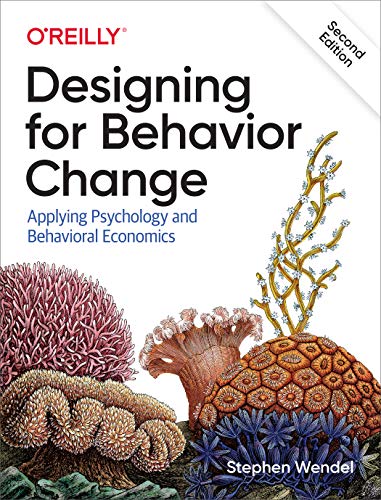
Stephen Wendel, Head of Behavioral Science at Morningstar, brings his expertise in financial behavior and digital product research to this book. As the founder of the Action Design Network and author of multiple works on applied behavioral science, Wendel offers a methodical approach to embedding psychology and economics into product development. His background in academia and industry uniquely equips him to guide you through creating products that genuinely influence user behavior.
Stephen Wendel is a behavioral scientist who studies financial behavior and how digital products can help individuals manage their money more effectively. He serves as Head of Behavioral Science at Morningstar, where he leads a team of behavioral scientists and practitioners to conduct original research on saving and investment behavior. Dr. Wendel has authored three books on applied behavioral science: Designing for Behavior Change, Improving Employee Benefits, and Spiritual Design. He is also the Founder and Chair of the non-profit Action Design Network, which helps practitioners apply behavioral research to product development. Stephen holds a BA from U.C. Berkeley, a Master’s from Johns Hopkins-SAIS, and a PhD from the University of Maryland.
When Stephen Wendel, a behavioral scientist specializing in financial habits, wrote this book, he aimed to bridge the gap between behavioral psychology and product design. You’ll learn how to identify key user behaviors, design interventions rooted in psychology and economics, and measure impact effectively. For example, Wendel breaks down three main strategies to help people change their behaviors and details how to combine behavioral insights with data science to refine products. If you’re involved in product management, UX, or data analysis, this book offers you a clear framework for integrating behavioral science into your work — though it’s less suited for casual readers without a product focus.
Matthew McKay, PhD, a professor at the Wright Institute and author of multiple psychology books, specializes in cognitive behavioral treatment for anxiety and depression. His extensive experience shaped this workbook, which offers a methodical approach to mastering dialectical behavior therapy skills. Driven by his clinical background, McKay designed this resource to help you develop practical tools for managing emotions and improving your mental health through proven behavioral psychology techniques.
Matthew McKay PhD, Jeffrey C. Wood PsyD, Jeffrey Brantley MD(you?)·
About the Author
Matthew McKay, PhD, is a professor at the Wright Institute in Berkeley, CA. He has authored and coauthored numerous books, including The Dialectical Behavior Therapy Skills Workbook, The Relaxation and Stress Reduction Workbook, Self-Esteem, Thoughts and Feelings, When Anger Hurts, and ACT on Life Not on Anger. McKay received his PhD in clinical psychology from the California School of Professional Psychology, and specializes in the cognitive behavioral treatment of anxiety and depression.
Matthew McKay, PhD, a clinical psychologist and professor at the Wright Institute, brings decades of expertise in cognitive behavioral therapy to this workbook. The book guides you through practical exercises in dialectical behavior therapy (DBT), focusing on four core areas: mindfulness, emotion regulation, distress tolerance, and interpersonal effectiveness. It includes updated chapters on cognitive rehearsal and self-compassion, helping you build skills to manage intense emotions and improve relationships. Whether you're a mental health professional or someone seeking better emotional control, this workbook offers structured tools grounded in evidence-based behavioral psychology. For example, the distress tolerance exercises provide concrete ways to withstand emotional crises without impulsive reactions.
Anna Nierling, drawing from her psychology background and personal experience with her mother's successful DBT treatment for Borderline Personality Disorder, wrote this workbook to make complex mental health therapies understandable and practical. Her approach breaks down CBT, DBT, and ACT into accessible guides, reflecting her belief that the right tools and support can foster meaningful change.
Anna Nierling lives in Jersey City with her husband, their energetic two-year-old daughter, and a tiny Shih Tzu. With a background in psychology, her work is inspired by her own experiences and a passion for making mental health strategies easier to understand. Anna’s mom lived for years without the right support before being diagnosed with Borderline Personality Disorder (BPD). Once she began DBT therapy, she made incredible progress. This journey gave Anna a deep understanding of the challenges BPD brings, reinforcing her belief that with the right tools and support, meaningful change is possible. Her writing aims to make mental health feel less intimidating and more practical, breaking down topics like anxious attachment and evidence-based tools from CBT, DBT, and ACT. When she’s not writing, Anna enjoys reading mystery novels, running, and experimenting in the kitchen.
After witnessing her mother's transformative journey through DBT therapy for Borderline Personality Disorder, Anna Nierling crafted this workbook to demystify three influential behavioral therapies: DBT, CBT, and ACT. You’ll explore concrete techniques to manage anxiety, regulate emotions, and reshape negative thought patterns, with chapters dedicated to relationship skills, trauma recovery, and mindfulness practices. This book suits anyone looking to understand and apply multiple evidence-based therapies, whether you're new to mental health strategies or seeking to deepen your self-help toolkit. Its structured programs and practical exercises offer accessible ways to build resilience and navigate emotional challenges.
The best Behavioral Psychology books and more, in your inbox each week. No account needed.
Conclusion
These 20 books collectively reveal how behavior is shaped, challenged, and changed through evidence-based methods. They weave themes of cognitive restructuring, emotional regulation, habit formation, and practical therapy tools, reflecting the layered complexity of behavioral psychology.
If you’re starting out and want foundational knowledge, Cognitive Behavior Therapy, Second Edition and The CBT Workbook for Mental Health provide accessible entry points. For those aiming to deepen therapeutic skills, DBT Skills Training Manual and Socratic Questioning for Therapists and Counselors deliver robust clinical guidance. If you're focused on behavior design and change in social or product contexts, Behavioral Insights and Designing for Behavior Change offer sharp, applied perspectives.
Alternatively, you can create a personalized Behavioral Psychology book to bridge the gap between broad theories and your unique circumstances. These carefully chosen books can help you accelerate your learning journey and equip you to understand and influence behavior with confidence.
Frequently Asked Questions
I'm overwhelmed by choice – which book should I start with?
Start with a book like The CBT Workbook for Mental Health for practical exercises or Cognitive Behavioral Therapy Made Simple for clear strategies. They offer approachable introductions to core concepts without overwhelming detail.
Are these books too advanced for someone new to Behavioral Psychology?
Not at all. Many books, including Retrain Your Brain and Don't Feed the Monkey Mind, are designed for newcomers, offering accessible explanations and step-by-step guidance for beginners.
What's the best order to read these books?
Begin with foundational CBT texts, then explore specialized topics like DBT or behavioral design. For example, start with Cognitive Behavior Therapy, Second Edition, then proceed to DBT Skills Training Manual, and later dive into Behavioral Insights.
Do I really need to read all of these, or can I just pick one?
It's not necessary to read all. Choose based on your goals—therapy skills, anxiety management, or behavior change. Each book stands on its own and offers unique value tailored to specific needs.
Which books focus more on theory vs. practical application?
Learning and Behavior leans into theory with in-depth research, while books like DBT Skills Training Handouts and Worksheets and The Dialectical Behavior Therapy Skills Workbook emphasize hands-on exercises for immediate use.
How can I get behavioral psychology insights tailored to my unique situation?
Great question! These expert books provide solid foundations, but personalized content can bridge theory and your specific needs. Consider creating a personalized Behavioral Psychology book to get targeted strategies that fit your background and goals perfectly.
📚 Love this book list?
Help fellow book lovers discover great books, share this curated list with others!