Recommended by Bill Gates, David Perlmutter, and Lewis Howes, these Human Brain books unlock new understanding and practical insights.
Updated on June 24, 2025·We may earn commissions for purchases made via this page
18 of 20 books have Kindle versions
We're launchingLaunching on Product Hunt today 🎉We just launchedJust launched on Product Hunt 🎉
Modelpeers, from the BookAuthority teamFrom the BookAuthority team: Modelpeers, a free way to follow AI models and agents like you follow people. We'd love your support.
What if your brain held secrets that could transform how you think, feel, and learn? The human brain remains one of the most astonishing frontiers of science, with discoveries reshaping our understanding daily. From emotional construction to brain plasticity, the questions about how our minds work fuel curiosity and drive innovation.
Leading thinkers like Bill Gates, David Perlmutter, and Lewis Howes have turned to specific books that unpack these mysteries. Gates highlights how novel theories in "A Thousand Brains" illuminate intelligence, while Perlmutter champions "You, Happier" for its neuroscience-backed happiness strategies. Their expert insights, drawn from years of experience and research, provide a trustworthy compass in the complex landscape of brain science.
These 20 books offer frameworks that not only delve into theory but also provide actionable approaches to brain health, cognition, and emotional resilience. While these expert-curated selections guide you through proven concepts, you might consider creating a personalized Human Brain book that adapts this knowledge to your unique background, goals, and interests for a truly tailored learning journey.
David Perlmutter, a board-certified neurologist and bestselling author, found this book especially impactful. After witnessing how elusive happiness can be for many, he praises Dr. Amen's approach: "Dr. Amen eloquently reveals the simple and yet profound notion that happiness can be cultivated." This perspective shifted Perlmutter’s understanding of brain health by linking it directly to mood and happiness, showing that brain changes can be intentional and accessible. Complementing this, Lewis Howes highlights how the book’s seven neuroscience secrets deserve a place in education to foster joy and contentment from an early age.
“Dr. Amen eloquently reveals the simple and yet profound notion that happiness can be cultivated. We’ve long had the tools to achieve important goals like losing weight and gaining strength, but the science underlying how we can bring about brain changes to create and enhance happiness has remained obscure until now. You, Happier is your guide to make happiness manifest in your life. And why not?”
Daniel Amen believes that brain health is central to all health and success. When your brain works right, he says, you work right; and when your brain is troubled you are much more likely to have trouble in your life. His work is dedicated to helping people have better brains and better lives. His online videos about brain and mental health have been viewed over 200 million times. Sharecare named him the web’s #1 most influential expert and advocate on mental health and the Washington Post called him the most popular psychiatrist in America. Dr. Amen is a physician, board-certified child and adult psychiatrist, award-winning researcher, and 18-time national bestselling author. He is the Founder and CEO of Amen Clinics in Costa Mesa, Walnut Creek, and Encino, California, Bellevue, Washington, Washington, DC, Atlanta, GA, Chicago, IL, Dallas, TX, New York, NY, and Hollywood, FL. Amen Clinics has the world’s largest database of functional brain scans relating to behavior, with over 225,000 SPECT scans and 10,000 QEEGs on patients from 150 countries. Dr. Amen is the lead researcher on the world’s largest brain imaging and rehabilitation study on professional football players. His research has not only demonstrated high levels of brain damage in players, but also the possibility of significant recovery for many with the principles that underlie his work. Together with Pastor Rick Warren and Dr. Mark Hyman, Dr. Amen is also one of the chief architects of “The Daniel Plan,” a program to get the world healthy through religious organizations that has been done in thousands of churches, mosques and synagogues. Dr. Amen is the author or co-author of over 80 professional articles, nine book chapters, and over 40 books, including 18 national bestsellers and 12 New York Times bestsellers, including the #1 New York Times bestseller The Daniel Plan and the over one million copy bestseller Change Your Brain, Change Your Life, along with The End of Mental Illness, Healing ADD, Change Your Brain, Change Your Body, The Brain Warrior’s Way, Memory Rescue, Your Brain Is Always Listening, and You, Happier. Change Your Brain Every Day will be released on March 21, 2023.
After analyzing more than 200,000 brain scans from 155 countries, Dr. Daniel Amen developed a neuroscience-based framework that identifies five distinct brain types influencing happiness. In this book, he guides you through seven brain-centered habits and daily questions tailored to your brain type, helping you improve mood and brain health. You’ll learn to recognize your brain's unique wiring and adopt strategies that foster consistent happiness, moving beyond generic advice. For anyone curious about the neurological roots of well-being and seeking personalized tools to boost joy, this book offers clear insights grounded in extensive research.
Daniel Schacter, a Harvard University cognitive psychologist, recommends this book as an essential exploration of how brains create minds, highlighting Stephen Grossberg's originality and influence in cognitive science and computational neuroscience. Schacter emphasizes how Grossberg's unique theoretical perspective addresses fundamental problems that anyone curious about the mind-brain connection should consider. This recommendation reflects Schacter's deep expertise in memory and cognitive psychology, lending strong credibility to the book's insights. Also notable is Gyorgy Buzsaki from New York University, who praises the book as a magnificent synthesis that coherently unites Grossberg's significant scientific contributions from mind to brain and back.
“Stephen Grossberg is one of the most original and influential theorists in contemporary cognitive science and computational neuroscience. In Conscious MIND Resonant BRAIN, he takes the reader on an eye-opening tour in which he addresses fundamental problems of mind and brain from his unique theoretical perspective. This is an important book that should be of interest to anyone who wonders how a brain can give rise to a mind.”
Stephen Grossberg has been internationally recognized for over 50 years as a pioneer in neural network models and mathematical methods for biological and artificial intelligence. His work has laid the foundations for autonomous adaptive intelligence, and he has received numerous awards, including the Norman Anderson Lifetime Achievement Award and the Frank Rosenblatt Award.
Drawing from five decades of pioneering research in neural networks and cognitive science, Stephen Grossberg unpacks the intricate relationship between brain structures and conscious experience. You’ll explore detailed models explaining how multiple brain regions collaborate to generate perception, memory, decision-making, and even moral values. For example, chapters delve into neural mechanisms behind disorders like Alzheimer's and autism, while others bridge insights into artificial intelligence design. If you seek a deep understanding of how physical brain processes translate into mental phenomena, this book offers a rigorous yet accessible guide, though it demands patience and a willingness to engage with complex scientific ideas.
This AI-created book on brain mastery is crafted based on your background and specific interests in brain science. By sharing what aspects of brain function and health you want to explore, along with your goals, you receive a book that matches your knowledge level and curiosity exactly. Personalization here matters because the human brain is complex and multifaceted—this book guides you through the areas you care about most without overwhelming you with unrelated details. It's a unique learning experience tailored to make deep brain knowledge accessible and relevant for you.
TailoredRead AI creates personalized nonfiction books that adapt to your unique background, goals, and interests. Instead of reading generic content, you get a custom book written specifically for your profession, experience level, and learning objectives. Whether you're a beginner looking for fundamentals or an expert seeking advanced insights, TailoredRead crafts a book that speaks directly to you. Learn more.
This tailored book explores the full spectrum of human brain functions and health, designed to focus on your unique interests and background. It covers fundamental neuroscience concepts, brain anatomy, cognitive processes, neuroplasticity, and emotional regulation, weaving these themes into a cohesive guide that matches your specific goals. By synthesizing collective expert knowledge into a personalized narrative, it reveals how different brain areas contribute to cognition, behavior, and wellness, helping you grasp complex topics with clarity. This personalized journey enables a deeper understanding of brain mechanisms and practical insights aligned directly to what you want to learn, making the science of the brain accessible and engaging.
Emmanuel Acho, a former NFL player turned sports analyst, found himself deeply invested in understanding brain health after his career exposed him to the risks of brain injury. He credits Dr. Willeumier as a leading expert whose research and practical insights have helped him appreciate how to regenerate and revitalize brain function. "Her passion for and dedication to helping and healing athletes’ brain function is unparalleled," Acho says, highlighting the book's impact on his approach to cognitive care. Similarly, Leigh Steinberg, a renowned sports agent, calls it an essential guide to upgrading mental performance and reversing damage from repetitive impacts, emphasizing the book's relevance for anyone concerned with brain resilience.
“After my years playing professional football in the NFL, I took a deep dive into studying the most important organ in my body: the brain. Thankfully, I came across Dr. Willeumier, the foremost expert on research, knowledge, and practical ways to regenerate and revitalize the most valuable asset we each possess. Her passion for and dedication to helping and healing athletes’ brain function is unparalleled, and I am thrilled that you each get to receive some of the wisdom that she has blessed me with over the years.”
Dr. Kristen Willeumier conducted her graduate research in the laboratory of Neurophysiology at the University of California, Los Angeles and the laboratory of Neurogenetics at Cedars-Sinai Medical Center. She received MS degrees in Physiological Science and Neurobiology and a PhD degree in Neurobiology from UCLA. She was a post-doctoral fellow in the Department of Neurology at Cedars-Sinai Medical Center, focusing on neurodegenerative diseases. Dr. Willeumier has received an NIH fellowship award from the National Institute of Mental Health and has presented her work internationally. She currently resides in Los Angeles, CA.
Dr. Kristen Willeumier, a neuroscientist with extensive research experience at UCLA and Cedars-Sinai, wrote this book to bridge the gap between cutting-edge brain science and everyday health practices. You learn how lifestyle tweaks—like targeted nutrition, cognitive exercises, and physical activity—can enhance memory, reduce stress, and even counteract brain injuries or neurodegenerative risks. Chapters include practical insights into supplements and brain games, backed by her clinical work with NFL players and patients. This book suits anyone wanting to proactively maintain or improve cognitive function, from athletes to those concerned about aging or recovery from brain trauma.
Bill Gates, co-founder of Microsoft and a major voice in technology and philanthropy, recommends this book for its deep insights into brain architecture and implications for intelligent machines. Gates highlights how it reshaped his understanding of intelligence's complexity, emphasizing its practical relevance for AI's future. Acclaimed biologist Richard Dawkins also praises it as "brilliant," noting how it invigorates thinking about the brain's workings. Their endorsements reflect the book’s unique blend of scientific rigor and accessible explanations, making it a compelling read for anyone interested in the human brain’s mysteries and potential.
Jeff Hawkins is the cofounder of Numenta, a neuroscience research company; founder of the Redwood Neuroscience Institute; and one of the founders of the field of handheld computing. He is a member of the National Academy of Engineering and author of On Intelligence. Despite his successes as a technology entrepreneur, Hawkins’ primary passion and occupation has been neuroscience. He has written two books, 'On Intelligence' and 'A Thousand Brains: A new theory of intelligence'. Hawkins has given over one hundred invited talks at research universities and has been recognized with numerous personal and industry awards.
Drawing from decades of neuroscience and computer engineering expertise, Jeff Hawkins coalesces his groundbreaking research into a theory revealing the brain’s use of numerous maplike models to interpret the world. You’ll uncover why intelligence is more distributed and dynamic than previously thought, exploring concepts such as the brain’s layered model-building and the emergence of self-awareness. The book demystifies complex neuroanatomy and high-level cognition through accessible explanations and examples, like the brain’s grid cells and their role in perception. If you’re fascinated by cognitive science or AI’s future, this book offers a fascinating window into how intelligence is architected at a cellular level.
Kirk Borne, Principal Data Scientist at Booz Allen and PhD Astrophysicist, highlights the importance of understanding emotion science amid advances in AI and neural networks. He says, "As AI moves toward AGI with Neural Networks, deeper understanding of Emotion Science is critical!" This book helped him appreciate how emotions are not fixed but constructed dynamically, enriching his perspective on both neuroscience and artificial intelligence. Similarly, Daniel Gilbert, Harvard psychology professor, calls it "a brilliant and original book on the science of emotion," underscoring its impact on psychology thought.
“As AI moves toward AGI with Neural Networks, deeper understanding of Emotion Science is critical! See "How Emotions Are Made — The Secret Life of the Brain" by Lisa Feldman Barrett. Get the book and watch her amazing TED Talk.” (from X)
Lisa Feldman Barrett, PhD, is a University Distinguished Professor of Psychology at Northeastern University. She received a National Institutes of Health Director’s Pioneer Award for her groundbreaking research on emotion in the brain, and is an elected member of the Royal Society of Canada. Barrett is the author of How Emotions are Made and Seven and a Half Lessons About the Brain.
Lisa Feldman Barrett’s decades of pioneering research reshaped how we understand emotions, challenging the idea that they are hardwired responses. In this book, you’ll discover how emotions emerge from complex interactions among your brain, body, and cultural context, rather than being fixed reactions. She explains concepts like the brain’s predictive coding and how cultural differences shape emotional experiences, offering a fresh lens on psychology and neuroscience. If you want to grasp why emotions feel so personal yet are constructed, this book guides you through that intricate process with clarity and scientific rigor.
This AI-created book on cognitive enhancement is written based on your background, current focus skills, and specific mental goals. You share which cognitive areas you want to improve, your experience level, and desired outcomes, and the book is created to address exactly what you need. Personalizing this content makes sense because cognitive improvement is deeply individual—what works well for one person might not suit another. This tailored approach helps you navigate complex brain science efficiently and practically, focusing only on what matches your unique learning style and objectives.
TailoredRead AI creates personalized nonfiction books that adapt to your unique background, goals, and interests. Instead of reading generic content, you get a custom book written specifically for your profession, experience level, and learning objectives. Whether you're a beginner looking for fundamentals or an expert seeking advanced insights, TailoredRead crafts a book that speaks directly to you. Learn more.
This tailored book explores targeted methods to enhance memory, focus, and mental clarity through a personalized lens. It covers cognitive techniques and neuroscience insights that match your interests and background, providing a clear pathway to sharpen your brain’s performance. You’ll engage with content that examines how attention, memory retention, and mental agility can be improved based on your specific goals and current abilities. By focusing on your unique cognitive profile, this tailored guide reveals practical ways to boost brain power effectively and sustainably. It offers an exciting, focused journey through the complex landscape of cognitive enhancement tailored just for you.
Jennifer Gunter, an OB/GYN and New York Times contributor, highlights The XX Brain as a standout work in women's cognitive health. She praises Dr. Mosconi's research, noting it as a "great read" that brings groundbreaking insights into female brain science. This endorsement matters because Gunter’s expertise bridges women's health and science communication, making her recommendation deeply relevant. The book reshaped her understanding of brain health's gender-specific aspects. Also weighing in, Louann Brizendine, author of The Female Brain, calls it a must-read that equips women to protect their cognitive function effectively, reinforcing the book’s impact among thought leaders.
Lisa Mosconi, PhD, is an Associate Professor of Neuroscience in Neurology and Radiology at Weill Cornell, and the Director of the Alzheimer’s Prevention Program at Weill Cornell Medicine/NewYork-Presbyterian Hospital. A world-renowned neuroscientist with a PhD degree in Neuroscience and Nuclear Medicine from the University of Florence, Italy, Dr. Mosconi was listed as one of the 17 most influential living female scientists by The Times and called “the Mona Lisa of Neuroscience” by ELLE International. She is the author of Brain Food.
The XX Brain emerges from Dr. Lisa Mosconi's extensive neuroscience research, particularly focused on women's unique brain health challenges. You learn why estrogen and the XX chromosome shape cognitive resilience and risk, with detailed chapters on diet, stress reduction, sleep, and hormonal balance tailored specifically for women. Mosconi confronts common misconceptions about brain fog, menopause, and Alzheimer's risks, offering evidence-based insights that go beyond generic advice. If you want to understand how your brain's biology interacts with lifestyle and aging—and what you can realistically do about it—this book offers a clear, focused guide rooted in scientific study and clinical experience.
Maria Shriver, an American journalist and activist, highlights the importance of diet in brain health, emphasizing how Dr. Perlmutter's work reveals the intimate connection between what we eat and our minds. She notes, "If we want to care for our minds, then we have to be mindful about what we eat. Dr. Perlmutter understands the connection between diet and brain health, and this revised edition of Grain Brain teaches us that simple lifestyle changes can make a world of difference." This book shifted her perspective on nutrition's role in mental wellness. Similarly, Daniel Amen, founder of Amen Clinics, calls it "brilliant" and life-changing, underscoring its accessible scientific guidance for improving brain and body health.
“If we want to care for our minds, then we have to be mindful about what we eat. Dr. Perlmutter understands the connection between diet and brain health, and this revised edition of Grain Brain teaches us that simple lifestyle changes can make a world of difference.”
David Perlmutter, MD, is a board-certified neurologist and a Fellow of the American College of Nutrition. He was the recipient of the Linus Pauling Award for his innovative approaches to neurological disorders. With his books now published in twenty-seven languages, Dr. Perlmutter is setting new standards for what healthy lifestyle means around the world. He is the author of the New York Times bestsellers Grain Brain, The Grain Brain Cookbook, and Brain Maker, as well as The Better Brain Book and Raise a Smarter Child by Kindergarten. He lives in Naples, Florida.
2018·384 pages·Human Brain, Diet, Neurology, Inflammation, Cognitive Health
David Perlmutter, MD, a neurologist and nutrition expert awarded the Linus Pauling Award, challenges conventional wisdom by linking carbs, especially gluten and sugar, to brain inflammation and neurological disorders. You’ll explore how everyday foods can influence conditions like dementia, anxiety, and chronic headaches, and learn a 4-week plan emphasizing healthy fats to support brain cell growth and cognitive vitality. Chapters detail how statins may affect memory and provide recipes and goals to help you implement dietary changes. This book suits those interested in understanding brain health beyond genetics and who want a diet-based approach to mental wellness.
David Perlmutter, a board-certified neurologist and bestselling author, found in this book a clear and approachable synthesis of neuroscience and personal biohacking. After exploring brain health for decades, he praises Dave Asprey’s ability to combine scientific insight with practical experience, calling "Head Strong" a tour de force in enhancing and protecting brain function. This endorsement carries weight given Perlmutter's expertise in neurology and nutrition. Adding to this, Steven Masley, a physician and author, highlights how small daily choices explained in the book can lead to improved focus and mood, reinforcing the book’s practical value for anyone wanting to boost mental energy and resilience.
“Dave Asprey has masterfully utilized leading edge neuroscience as well as his extensive personal experience to create a user-friendly guide that will clearly fulfill its promise to protect, restore, and enhance brain function. Head Strong is a tour de force.”
Dave Asprey is the creator of the hugely popular Bulletproof Coffee and founder of the Bulletproof company. A four-time New York Times bestselling author, he hosts the top-100 podcast The Human Upgrade with Dave Asprey and has been featured in Men’s Health, Outside magazine, Wired, and Vogue, and on Fox News, Nightline, The Dr. Oz Show, The Joe Rogan Experience, CNN, and hundreds of others. Called the 'father of biohacking,' he’s spent the last two decades working alongside world-renowned doctors, researchers, scientists, and mystics to unlock new levels of happiness and mental and physical performance. Asprey is also an active investor in the wellness space, and is the founder and CEO of Bulletproof Media, Upgrade Labs, TrueDark, and 40 Years of Zen.
What started as Dave Asprey's quest to enhance human performance led to this focused guide on boosting brain energy and clarity in just two weeks. Drawing from years of collaboration with top scientists and doctors, Asprey breaks down how to fuel your brain effectively, eliminate mental slowdowns caused by diet and environment, and stimulate neuron growth to sharpen cognitive speed. You’ll find detailed lifestyle adjustments—from nutrition to lighting—that aim to optimize your mental stamina and resilience. This book suits anyone wanting a practical yet science-backed approach to enhance cognitive function without getting lost in jargon or overly technical explanations.
Jonah Lehrer is a Rhodes Scholar and editor at large for Seed magazine who has worked closely with Nobel Prize-winning neuroscientist Eric Kandel. His expertise shines through in this exploration of how the human brain navigates decisions by blending emotion and reason. Lehrer’s background and engaging writing make this book a thoughtful examination of what really happens when you decide, offering clear insights that can change how you approach choices in your daily life.
Jonah Lehrer is editor at large for Seed magazine and the author of Proust Was a Neuroscientist (2007) and How We Decide (February 2009). A graduate of Columbia University and a Rhodes Scholar, Lehrer has worked in the lab of Nobel Prize-winning neuroscientist Eric Kandel and has written for the New Yorker, Wired, Boston Globe, Washington Post, and Nature, and writes a highly regarded blog, The Frontal Cortex. Lehrer also commentates for NPR's Radio Lab.
The breakthrough moment came when Jonah Lehrer, a Rhodes Scholar and editor at large for Seed magazine, bridged neuroscience with everyday decision-making. Drawing from his work with Nobel laureate Eric Kandel and contributions to major publications, Lehrer dives into how your brain blends emotion and reason uniquely in each choice. You'll learn when to trust intuition—like buying a house—and when to engage deliberate thought—such as stock picking. With vivid examples including pilots, investors, and poker players, this book offers concrete insights into sharpening your decision process. If you're curious about the science behind your choices and want a nuanced guide to thinking smarter, this is for you.
Hal Blumenfeld, a professor at Yale University with expertise in neurology, neuroscience, and neurosurgery, brings his extensive clinical and research background to this book. His role directing the Yale Clinical Neuroscience Imaging Center and his award-winning teaching career inform the interactive approach that makes complex neuroanatomy accessible. Blumenfeld's motivation to write this book stems from his commitment to linking detailed anatomical knowledge with clinical relevance, providing readers a way to deeply understand the human brain through actual cases and imaging. His work offers a rare combination of rigorous science and practical insight for those studying the brain.
Hal Blumenfeld is Professor in the Departments of Neurology, Neuroscience, and Neurosurgery at Yale University School of Medicine and Director of the Yale Clinical Neuroscience Imaging Center. He has taught neuroanatomy at Harvard, Yale, and Columbia Universities using the approach of Neuroanatomy through Clinical Cases, which the students greeted with highly favorable feedback. He has received the prestigious Francis Gilman Blake Award, as the most outstanding teacher of medical sciences at the Yale School of Medicine, and the Graduate Mentor Award as the best scientific mentor at Yale. His research accomplishments led him to receive both the Research Recognition Award in Clinical Science from the American Epilepsy Society and the Javits Neuroscience Investigator Award from the National Institute of Neurological Disorders and Stroke. He has also been awarded several major grants (from the National Institutes of Health, and private foundations) to pursue his research, which investigates normal mechanisms of consciousness, how consciousness is impaired in disorders like epilepsy and how consciousness can be restored with neurostimulation. Current projects include neuroimaging, neurophysiology, and behavioral experiments with direct application to improving quality of life in disorders of consciousness. He studied Bioelectrical Engineering as an undergraduate at Harvard University, then earned a Ph.D. (in Physiology and Cellular Biophysics) as well as his M.D. at Columbia University. His clinical training included a medical internship at Columbia Presbyterian Medical Center, a neurology residency at Massachusetts General Hospital, and an epilepsy fellowship at Yale University School of Medicine. Dr. Blumenfeld's previous publications include numerous articles in peer reviewed journals, several clinical neuroscience textbooks, and two volumes in the Let's Go travel guidebook series.
Hal Blumenfeld's extensive experience as a neurologist and neuroscientist shapes this immersive guide to neuroanatomy, grounding complex concepts in real-world clinical cases. You’ll explore over 100 detailed patient scenarios alongside radiologic images, which not only illustrate structural brain details but also highlight their functional significance. The third edition introduces updated advances and fresh cases, reinforcing your understanding of how different brain systems interconnect and impact clinical outcomes. This book suits medical students, clinicians, and anyone aiming to bridge theory with practical neuroanatomical application, though its depth may challenge casual learners.
Amanda Ripley, a New York Times best-selling author known for her deep dives into human behavior, was drawn to this book for its unique blend of scientific expertise and personal resilience. She describes it as "a spellbinding investigation into the mysteries of the human brain, led by a scientist whose tenacity is as remarkable as her story." Ripley found Lipska's journey offered fresh perspectives on brain illness and recovery, challenging preconceived notions about mental disorders. Lisa Genova, also a New York Times best-selling author, echoes this sentiment, likening the book to a fusion of Oliver Sacks and When Breath Becomes Air, emphasizing its illuminating portrayal of brain fragility and hope.
Barbara K. Lipska, Ph.D., is director of the Human Brain Collection Core at the National Institute of Mental Health, where she studies mental illness and human brain development. A native of Poland, she holds a Ph.D. in medical sciences from the Medical School of Warsaw, and is an internationally recognized leader in human postmortem research and animal modeling of schizophrenia. Before emigrating from Poland to the United States, Dr. Lipska was a researcher at the Institute of Psychiatry and Neurology in Warsaw. She has been at NIMH since 1989 and has published over 120 papers in peer-reviewed journals. A marathon runner and a triathlete, she lives with her husband, Mirek Gorski, in Virginia.
What happens when a neuroscientist becomes a patient? Barbara K. Lipska, director of the Human Brain Collection Core at the National Institute of Mental Health, offers a rare window into the brain’s fragility and resilience through her own battle with metastatic melanoma in the frontal lobe. You’ll learn how brain cancer can mimic psychiatric disorders like schizophrenia, a field Lipska has studied extensively, and how immunotherapy influences cognitive and behavioral functions. Chapters detail her gradual loss of self-awareness and eventual recovery, weaving scientific insight with personal narrative. This book suits anyone intrigued by brain science, mental illness, or the human experience of illness and recovery.
Preston Pysh, an aerospace engineer turned investor and globally ranked podcast host, found this book illuminating during a period of exploring subconscious processes. He recommends it enthusiastically, noting, "I recently read an amazing book on the subconscious that you would really enjoy." His endorsement carries weight given his analytical background and broad interest in cognitive science. Alongside Pysh, Chris Frith, a contributor to Nature, praises Dehaene's global-workspace theory as a pivotal development in understanding consciousness, highlighting the book's sophisticated approach. These perspectives frame the book as a key text for anyone looking to unravel the brain's mysteries.
“@RayDalio So true Ray! I recently read an amazing book on the subconscious that you would really enjoy. It's called, Consciousness and the Brain: Deciphering How the Brain Codes Our Thoughts.” (from X)
Stanislas Dehaene is the director of the Cognitive Neuroimaging Unit in Saclay, France, and the professor of experimental cognitive psychology at the Collège de France. He is recognized as one of Europe’s most prominent brain scientists, known for his pioneering studies of the number sense and reading. His research has been featured in numerous publications, and he has authored five books and over 400 scientific publications. Dehaene has received numerous awards, including the Grete Lundbeck Brain Prize, and is a member of several prestigious academies.
What started as a quest to pinpoint consciousness’s biological roots became a rigorous exploration led by Stanislas Dehaene, a top cognitive psychologist and neuroimaging expert. In this book, you’ll discover how techniques like functional magnetic resonance imaging reveal the brain’s long-distance communication networks, shedding light on how thoughts are coded neurologically. Dehaene’s global neuronal workspace theory is a highlight, explaining consciousness as a broadcast system within the brain, with detailed chapters on pyramidal neurons and their specialized roles. If you're keen to understand the intersection of neuroscience and consciousness from a scientific perspective, this book offers sharp insights, though it’s best suited for readers comfortable with technical detail rather than casual overviews.
Best for adolescent brain development understanding
Kindle version available
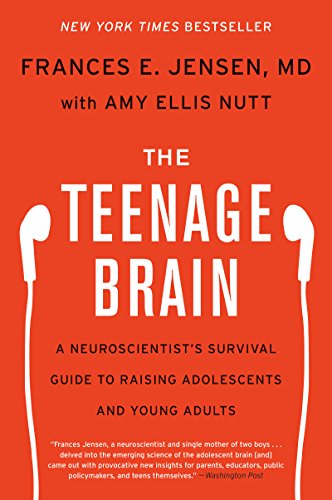
Elizabeth Kolbert, Pulitzer Prize–winning author, turned to this book during moments when parenting felt overwhelmingly confusing. She found herself reassured by Jensen's explanation that teenage brains truly differ in structure and function, not just behavior, noting how the detailed MRI studies and data charts illuminated why teenagers often seem so unpredictable. Kolbert reflects that "At moments of extreme exasperation, parents may think that there’s something wrong with their teenagers’ brains... Jensen offers a parenting guide laced with the latest MRI studies." This book changed her perspective on adolescent behavior, helping her approach parenting with more understanding. Similarly, Jean Emans, Chief of Adolescent Medicine at Boston Children's Hospital, praises Jensen’s skill in making complex neuroscience accessible for those working with teens.
“At moments of extreme exasperation, parents may think that there’s something wrong with their teenagers’ brains. Which, according to recent books on adolescence, there is…. Jensen offers a parenting guide laced with the latest MRI studies…. Packed with charts and statistics.”
Frances E. Jensen, MD, is Professor and Chair of the Department of Neurology at the Perelman School of Medicine, University of Pennsylvania. Dr. Jensen has researched brain development from the neonatal period through adulthood. She was Professor of Neurology at Harvard Medical School, Director of Translational Neuroscience and Director of Epilepsy Research at Boston Children’s Hospital, and Senior Neurologist at Boston Children’s and Brigham and Women’s Hospitals. She lectures widely about the teen brain at science museums, TEDMED, and high schools.
Frances E. Jensen’s decades of neuroscience research, combined with her experience as a mother, shaped this revealing exploration of adolescent brain development. You learn how teens' brains differ fundamentally from adults', from heightened memory-building abilities to vulnerabilities like addiction and stress response, with chapters unpacking topics such as multitasking effects and gender-related maturity differences. This book is especially useful if you’re a parent, educator, or anyone working closely with teenagers, offering insights that challenge common misconceptions and better equip you to understand teen behavior. For example, Jensen explains why occasional marijuana use can have lasting impacts on the young brain—details grounded in recent MRI studies that make complex science relatable and actionable.
Oprah Daily, a leading media authority on culture and psychology, highlights this book as essential for anyone grappling with grief's confusing emotions. She emphasizes how it helped clarify the neuroscience behind loss, offering comfort and understanding during difficult times. "For those who want to understand what’s happening to them and why grief is so confounding, this is a fascinating and comforting read," she says, underscoring how it reshaped her view on mourning and healing.
Mary-Frances O’Connor, PhD, is a professor of psychology at the University of Arizona, where she directs the Grief, Loss and Social Stress (GLASS) Lab, investigating the effects of grief on the brain and the body. O’Connor earned a doctorate from the University of Arizona in 2004 and completed a fellowship at UCLA. Following a faculty appointment at UCLA Cousins Center for Psychoneuroimmunology, she returned to the University of Arizona in 2012. Her work has been published in the American Journal of Psychiatry, Biological Psychiatry, and Psychological Science, and featured in Newsweek, New York Times, and Washington Post. Having grown up in Montana, she now lives in sunny Tucson, Arizona.
When Mary-Frances O’Connor, a neuroscientist and psychologist, first uncovered how grief reshapes neural pathways, she set out to illuminate the complex interplay between love, loss, and brain function. You’ll explore the neuroscience behind why it’s so difficult to accept a loved one’s permanent absence and the emotional turbulence that follows, from guilt to yearning. The book explains distinctions like typical versus prolonged grief, backed by O’Connor’s neuroimaging research and real-life examples that clarify how the brain processes attachment and recovery. If you’re trying to understand your own grief or support someone through loss, this book offers clear insights into how the human brain learns from such profound experiences.
David McRaney, the best-selling author of You Are Not So Smart, recommends this book as a rare chance to "sit down with a neuroscientist, have a few drinks, ask a zillion questions, and laugh until you snorted." His extensive work exploring cognitive biases makes his endorsement especially meaningful for anyone wanting a grounded yet entertaining take on brain science. McRaney found Burnett’s approachable style a refreshing break from dense academic texts, providing insights that both amused and enlightened. Alongside him, Jon Ronson praises Burnett's work as "compelling and wise," highlighting its trustworthiness and appeal beyond specialists.
Dean Burnett is a neuroscientist and research associate at the Centre for Medical Education at Cardiff University. He writes a popular science blog called Brain Yapping for the Cosmic Shambles Network and dabbles in stand-up comedy. He lives in Cardiff, Wales. Dr. Burnett is a PhD neuroscientist, experienced tutor and lecturer, and a regular blogger/contributor for the Guardian and other mainstream publications. He is an international bestselling author following his debut book 'The Idiot Brain'. The genesis of 'Idiot Brain' is unusual in that Dean Burnett hadn't actually planned to write a book but was offered the opportunity following his highly-popular blogging efforts. He has appeared on NPR's Fresh Air, CBC's The Current, and countless platforms and publications in the UK. The TV rights for 'Idiot Brain' were purchased by Whoopi Goldberg's 'One Ho' productions.
Dean Burnett's background as a neuroscientist and comedic writer shines through in this engaging exploration of the brain's quirks and flaws. You get a clear-eyed look at how your mind often misfires—forgetting names, replaying fears, or clinging to outdated instincts—while still managing to keep you functioning. The book balances humor with neuroscience, offering insights into why your brain sometimes seems to sabotage you, like the chapter dissecting insomnia's paradoxical nature. If you want to understand your brain’s odd behaviors without jargon overload, this is a fit. However, if you're seeking deeply technical neuroscience, this book leans more toward accessible storytelling than dense science.
David Eagleman is a neuroscientist at Stanford University, an internationally bestselling author, and a Guggenheim Fellow. Known for hosting the Emmy-nominated PBS/BBC series The Brain, Eagleman combines rigorous research on time perception, synesthesia, and neuroscience's legal implications to illuminate how much of your mind operates beneath awareness. His expertise uniquely qualifies him to pull back the curtain on the subconscious brain, offering you perspectives that challenge everyday assumptions about identity and decision-making.
David Eagleman is a neuroscientist at Stanford University, an internationally bestselling author, and a Guggenheim Fellow. He is the writer and presenter of The Brain, an Emmy-nominated PBS/BBC television series that asks what it means to be human from a neuroscientist's point of view. Eagleman’s research encompasses time perception, vision, synesthesia, and the intersection of neuroscience with the legal system. He is the author of many books, including Livewired, Sum, Incognito, The Brain, and The Runaway Species. Dr. Eagleman appears regularly on National Public Radio and BBC to discuss both science and literature.
What if everything you knew about your conscious mind was only scratching the surface? David Eagleman, a neuroscientist at Stanford University, delves beneath awareness to reveal the hidden workings of the subconscious brain. You’ll explore why your body reacts before your mind catches up, the quirks of perception like synesthesia, and how our brains wrestle with identity, decision-making, and even secrets. Chapters on topics from criminal law to artificial intelligence illustrate the brain’s surprising contradictions, offering insights that benefit anyone curious about mental processes, from psychology enthusiasts to professionals in neuroscience and law.
Todd D. Zakrajsek brings his role as Associate Director of the Faculty Development Fellowship at the University of North Carolina and President of the International Teaching Learning Cooperative to this book, grounding it in deep expertise about how adults learn best. His work addresses not only the science behind brain function but also practical challenges students face today, especially with online education. Zakrajsek’s unique perspective shapes a guide designed to help you align your study habits with your brain’s natural learning rhythms.
Todd D. Zakrajsek is Associate Director of the Faculty Development Fellowship in the Department of Family Medicine at the University of North Carolina at Chapel Hill, U.S.A., and President of the International Teaching Learning Cooperative.
Unlike most human brain books that focus narrowly on theory, Todd D. Zakrajsek, drawing on his extensive experience in faculty development at the University of North Carolina, offers a pragmatic approach to learning that aligns directly with how your brain functions. You’ll unpack chapters on sleep cycles, exercise’s role in memory, and mindset shifts, but also delve into challenges posed by online learning environments and group dynamics. Specific strategies for designing personalized learning plans and avoiding common cognitive pitfalls make this a resource tailored for anyone aiming to improve academic performance and retention, particularly those new to higher education settings.
Preston Pysh, an aerospace engineer and globally ranked podcast host with a background in high-stakes decision-making, shared his appreciation for this book during an insightful Twitter exchange. He described it as a very fascinating book, highlighting its engaging exploration of neuroplasticity. His endorsement reflects how this work reshaped his understanding of brain science, offering a fresh perspective on the brain's capacity to adapt and heal in ways that challenge long-held assumptions.
Norman Doidge, M.D., is a psychiatrist, a psychoanalyst, and the New York Times bestselling author of The Brain's Way of Healing. He was on the Research Faculty of the Center for Psychoanalytic Training and Research at Columbia University’s Department of Psychiatry in New York City, and on the faculty of the University of Toronto’s Department of Psychiatry for thirty years. He lives in Toronto.
Drawing from his extensive background as a psychiatrist and psychoanalyst, Norman Doidge challenges the old belief that the brain is fixed and unchangeable. Through detailed stories, you learn how neuroplasticity allows the brain to rewire itself in surprising ways, from stroke recovery to overcoming learning disorders. Chapter 3, for example, explores how blind individuals can develop sight-like abilities, illustrating the brain's adaptability. This book suits anyone curious about brain science or seeking hope in neurological rehabilitation, offering a grounded look at what the brain can achieve without overpromising miracles.
Arianna Huffington, co-founder of The Huffington Post, highlights how this book reshaped her thinking about brain diversity. She points to Chantel Prat's message that embracing individual brain differences helps us better understand ourselves and our experiences. Huffington's endorsement underscores the book's insightful approach to recognizing the unique ways brains process information and relate to the world, making it a compelling read for anyone curious about their mind's individuality.
“In her remarkable new book “The Neuroscience of You,” Chantel Prat writes, “When we embrace the fact that no two brains are alike, we're better able to understand ourselves and how we experience the world around us.”” (from X)
What started as a challenge to traditional neuroscience assumptions led Chantel Prat, a University of Washington professor, to explore how no two brains function alike. This book guides you through understanding your unique brain traits, from attention patterns to social navigation, with quizzes and real-life examples like the “Focus” and “Connect” chapters. You'll gain specific insights into how your brain’s wiring affects learning, decision-making, and relationships. If you want to see beyond averages and appreciate the quirks that define your mental processes, this book offers a straightforward, science-backed perspective.
Imani Perry, Hughes Rogers Professor of African American Studies at Princeton University, highlights this book as "such a fascinating and elegant book." Her expertise in cultural studies and social sciences brings a thoughtful perspective to understanding how neuroplasticity shapes human experience. Perry's endorsement reflects how Costandi’s clear explanations and scientific depth helped her appreciate the brain's lifelong capacity for change, making it a compelling read for those interested in the human brain's resilience and adaptability.
What if everything you knew about brain change was wrong? Moheb Costandi, who pens the Neurophilosophy blog for The Guardian, unpacks decades of neuroscience research to show how our brains and nervous systems remain dynamic throughout life. You’ll gain insights into key mechanisms like synaptic pruning, adult neurogenesis, and how complex learning—whether mastering a language or navigating London’s streets—physically reshapes brain structure. Costandi also explores brain recovery after injury and how maladaptive neuroplasticity underlies addiction and pain, making this a clear-eyed exploration for anyone curious about the biological roots of human adaptability. This book suits those looking to understand the science behind brain change rather than quick fixes or gimmicks.
The best Human Brain books and more, in your inbox each week. No account needed.
Conclusion
This collection highlights three clear themes: the brain's remarkable adaptability, the intricate ties between emotion and cognition, and the importance of personalized approaches to brain health. If you're seeking to understand your brain's unique wiring, start with "The Neuroscience of You" and "You, Happier" for insights grounded in individuality and happiness.
For those aiming to optimize mental performance swiftly, "Head Strong" and "Biohack Your Brain" offer practical strategies backed by scientific research. Meanwhile, if you're fascinated by foundational neuroscience or clinical applications, "Neuroanatomy through Clinical Cases" and "Conscious Mind, Resonant Brain" provide deep explorations.
Alternatively, you can create a personalized Human Brain book to connect general principles with your specific needs, accelerating your learning and enhancing application. These books can help you accelerate your learning journey and deepen your understanding of the most complex organ in the body.
Frequently Asked Questions
I'm overwhelmed by choice – which book should I start with?
Start with "You, Happier" for a personalized approach to brain-based happiness or "The Neuroscience of You" to understand your unique brain traits. These offer accessible insights and set a solid foundation for exploring brain science further.
Are these books too advanced for someone new to Human Brain?
Not at all. Several selections like "Idiot Brain" and "How Emotions Are Made" explain complex ideas in clear, engaging ways, making them perfect for beginners eager to learn without jargon overload.
What's the best order to read these books?
Begin with books that focus on personal brain understanding and health, such as "You, Happier" and "Biohack Your Brain," then progress to more theoretical works like "Conscious Mind, Resonant Brain" and "A Thousand Brains" as your curiosity deepens.
Should I start with the newest book or a classic?
A balanced approach works best. Newer books like "Biohack Your Brain" provide up-to-date practical advice, while classics such as "The Brain That Changes Itself" offer foundational insights into neuroplasticity valuable for all readers.
Do these books assume I already have experience in Human Brain?
Most are written to be approachable without prior expertise. Authors like Dean Burnett in "Idiot Brain" and Frances Jensen in "The Teenage Brain" explain concepts clearly, welcoming readers at various knowledge levels.
How can I get brain insights tailored to my unique interests and goals?
While these expert books provide broad frameworks, you can create a personalized Human Brain book that takes your background and goals into account, bridging expert knowledge with your personal application for focused learning.
📚 Love this book list?
Help fellow book lovers discover great books, share this curated list with others!