Pandemic books recommended by Jeff Dean (Google AI), Indra Nooyi (PepsiCo), and Kaleigh Rogers (science reporter)
Updated on June 27, 2025·We may earn commissions for purchases made via this page
4 of 8 books have Audiobook versions
We're launchingLaunching on Product Hunt today 🎉We just launchedJust launched on Product Hunt 🎉
Modelpeers, from the BookAuthority teamFrom the BookAuthority team: Modelpeers, a free way to follow AI models and agents like you follow people. We'd love your support.
When millions of readers and top experts align on pandemic literature, the result is a curated collection of books that illuminate the complexities of global health crises. Pandemic books have surged in relevance, offering not just history but insights into policy, science, and personal preparedness. This convergence of popularity and expert approval highlights proven value for anyone seeking to deepen their understanding of pandemics.
Experts like Jeff Dean, Senior Fellow at Google AI Research, emphasize the importance of historical lessons, spotlighting John M. Barry’s The Great Influenza as a critical resource during moments of social distancing. Meanwhile, Indra Nooyi, former CEO of PepsiCo, found in Barry’s work a lens for interpreting COVID-19. Science reporter Kaleigh Rogers recommends Spillover by David Quammen for its rich exploration of zoonotic diseases, underscoring how animal-to-human transmissions set the stage for pandemics.
While these popular books provide proven frameworks, readers seeking content tailored to their specific pandemic needs might consider creating a personalized Pandemic book that combines these validated approaches, blending expert insights with individual learning goals and backgrounds.
Jeff Dean, Senior Fellow and SVP at Google AI Research and Health, highlights how John M. Barry’s detailed study of the 1918 influenza pandemic offers valuable lessons during times like social distancing. He shares, "Thanks for the pointer, @joetimmons79! Also, looks like John Barry, the speaker in the video, is an author, & has an interesting looking book about the 1918 flu (if flu pandemic books while social distancing is your cup of tea: I've added to my queue):" This endorsement reflects how the book’s deep dive into pandemic dynamics resonates with experts facing contemporary health challenges. Alongside Indra Nooyi, former CEO of PepsiCo, who appreciates the book’s perspective on the 1918 flu as a lens for understanding COVID-19, these insights encourage you to explore the book’s thorough analysis and historical context to better grasp pandemic complexities today.
Senior Fellow & SVP, Google AI Research and Health
“Thanks for the pointer, @joetimmons79! Also, looks like John Barry, the speaker in the video, is an author, & has an interesting looking book about the 1918 flu (if flu pandemic books while social distancing is your cup of tea: I've added to my queue):” (from X)
John M. Barry is a prize-winning and New York Times best-selling author whose books have won several dozen awards. In 2005 the National Academies of Science named The Great Influenza: The story of the deadliest pandemic in history, a study of the 1918 pandemic, the year’s outstanding book on science or medicine. In 1998 Rising Tide: The Great Mississippi Flood of 1927 and How It Changed America, won the Francis Parkman Prize of the Society of American Historians for the year’s best book of American history. His latest book is Roger Williams and The Creation of the American Soul: Church, State, and the Birth of Liberty, which has been named a finalist for the Los Angeles Times Book Prize, to be awarded late spring 2013. His writing has received not only formal awards but less formal recognition as well. In 2004 GQ named Rising Tide one of nine pieces of writing essential to understanding America; that list also included Abraham Lincoln’s Second Inaugural Address and Martin Luther King’s “Letter from Birmingham Jail.” His first book, The Ambition and the Power: A true story of Washington, was cited by The New York Times as one of the eleven best books ever written about Washington and the Congress. His second book The Transformed Cell: Unlocking the Mysteries of Cancer, coauthored with Dr. Steven Rosenberg, was published in twelve languages. He has had considerable influence on both pandemic policy and flood protection. Both the Bush and Obama administrations sought his advice on influenza preparedness and response, and he was a member of the original team which developed plans for non-pharmaceutical interventions to mitigate a pandemic. The National Academies of Science asked him to give the keynote speech at its first international scientific meeting on pandemic influenza, and he was the only non-scientist on a federal government Infectious Disease Board of Experts. In the area of water resources, he has been equally active. In 2006 he became the only non-scientist ever to give the National Academies annual Abel Wolman Distinguished Lecture, a lecture which focuses on some aspect of water. After Hurricane Katrina, the Louisiana congressional delegation asked him to chair a bipartisan working group on flood protection, and he now serves on the board overseeing levee districts in metropolitan New Orleans and on the Louisiana Coastal Protection and Restoration Authority, which is responsible for the state's hurricane protection. Barry has worked with state, federal, United Nations, and World Health Organization officials on influenza, water-related disasters, and risk communication. Barry sits on advisory boards at M.I.T’s Center for Engineering Systems Fundamentals and the Johns Hopkins Bloomberg School of Public Health as well as on the board of the Society of American Historians and American Heritage Rivers. He has also been keynote speaker at such varied events as a White House Conference on the Mississippi Delta and an International Congress on Respiratory Viruses, and he has given talks in such venues as the National War College, the Council on Foreign Relations, Harvard Business School, and elsewhere. He is co-originator of Riversphere, a $100 million center being developed by Tulane University; it will be the first facility in the world dedicated to comprehensive river research. His articles have appeared in such scientific journals as Nature and Journal of Infectious Disease as well as in lay publications ranging from Sports Illustrated to The New York Times, The Washington Post, Fortune, Time, Newsweek, and Esquire. A frequent guest on every broadcast network in the US, he has appeared on such shows as NBC's Meet the Press, ABC's World News, and NPR's All Things Considered, and on such foreign media as the BBC and Al Jazeera. He has also served as a consultant for Sony Pictures and contributed to award-winning television documentaries. Before becoming a writer, Barry coached football at the high school, small college, and major college levels. Currently Distinguished Scholar at the Center for Bioenvironmental Research of Tulane and Xavier Universities, he lives in New Orleans.
After analyzing the 1918 influenza pandemic's catastrophic impact, John M. Barry crafted a detailed narrative exploring how science, politics, and public trust collided during this crisis. You’ll gain insight into the virus’s origins, the medical knowledge of the era, and the challenges leaders faced in conveying harsh realities without distorting facts. The book dives into non-pharmaceutical interventions, community responses, and the lessons applicable to modern health crises, with chapters that dissect military camp outbreaks and governmental communication strategies. If you want to understand the complexities behind pandemic management and the consequences of misinformation, this book offers a sobering, well-researched perspective that’s particularly relevant for public health professionals, policymakers, and anyone interested in epidemic history.
Kaleigh Rogers, a science and technology reporter with bylines in The New York Times and Wired, emphasizes "Spillover is a fantastic book though. I'd also recommend Pandemic and/or The Fever by Sonia Shah." Rogers' endorsement reflects broad reader appreciation for Quammen's detailed investigation into zoonotic diseases. Her recommendation stems from a deep interest in how animal infections threaten humans, aligning with the book’s focus on spillover events. This perspective, echoed by The Seattle Times, which praises Quammen as "one of the best science writers," highlights why this book remains a top choice for those seeking to understand the roots of pandemics from both a scientific and narrative viewpoint.
David Quammen is the author of a dozen fiction and nonfiction books, including Blood Line and The Song of the Dodo. He has been honored with the John Burroughs Medal for nature writing, an Academy Award in Literature from the American Academy of Arts and Letters, an award in the art of the essay from PEN, and (three times) the National Magazine Award. Quammen is also a contributing writer for National Geographic. He lives in Bozeman, Montana.
Unlike most pandemic books that focus on immediate outbreaks, David Quammen explores the deeper origins of emerging diseases by tracing how infections pass from wild animals to humans—a process he calls spillover. You’ll gain insight into the biology behind viruses like Ebola and SARS, following Quammen's firsthand adventures netting bats in China and studying gorillas in the Congo alongside leading scientists. This book is particularly suited for anyone curious about the ecological and scientific factors that trigger pandemics, offering both compelling narratives and scientific context that deepen your understanding of global health risks.
This AI-created book on pandemic preparedness is crafted based on your background and safety goals. By sharing your experience level and specific interests, you receive a book that focuses precisely on methods and insights relevant to you. Personalization matters here because pandemic risks and readiness vary greatly depending on your circumstances and objectives. This tailored guide helps you cut through the noise and equips you with knowledge that aligns with what you really need to feel prepared and safe.
TailoredRead AI creates personalized nonfiction books that adapt to your unique background, goals, and interests. Instead of reading generic content, you get a custom book written specifically for your profession, experience level, and learning objectives. Whether you're a beginner looking for fundamentals or an expert seeking advanced insights, TailoredRead crafts a book that speaks directly to you. Learn more.
2026·50-300 pages·Pandemic, Pandemic Preparedness, Risk Assessment, Emergency Planning, Personal Protection
This tailored book delves into detailed methods for effective pandemic preparedness and safety, focusing on your unique background and goals. It explores key topics such as risk assessment, emergency planning, personal protection, and community response, offering a personalized approach that matches your interests and desired depth. By examining essential safety measures and adaptive behaviors, the book reveals how to build resilience against evolving health threats. This personalized guide synthesizes widely validated knowledge with your specific aims, providing a focused pathway to understanding and readiness that respects your individual context and learning preferences.
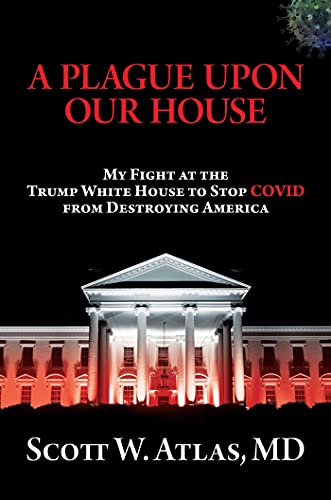
Jeffrey A Tucker, Editorial Director at the American Institute for Economic Research and a noted voice in pandemic discourse, highlights the widespread acclaim Scott Atlas's account has received while expressing frustration over unpublished reviews. His engagement with the book during ongoing debates on COVID-19 response reveals how Atlas’s insider perspective challenges mainstream narratives and invites readers to reconsider the policy and scientific controversies of the Trump White House. Jeffrey’s experience underscores why this book resonates with many seeking a nuanced understanding beyond media headlines.
Editorial Director at AIER, Austrian economics expert
“The review of Scott Atlas's book are great, but I'm disappointed that AMZ has not published mine. I wonder how many other positive reviews are being withheld.” (from X)
Scott W. Atlas, M.D. is the Robert Wesson Senior Fellow in health care policy at the Hoover Institution of Stanford University. Dr. Atlas investigates the impact of the government and the private sector on access, quality, and pricing in health care, global trends in health care innovation, and key economic issues related to the future of technology-based medical advances. He is a frequent policy advisor to policymakers and government officials in the United States and other countries. He has served as Senior Advisor for Health Care to several numerous candidates for president, as well as counseled members of the US Congress on health care, testified before Congress, and briefed directors of key federal agencies. From July to December, 2020, he served as a Special Advisor to President Trump and as a member of the White House Coronavirus Task Force. Before his appointment at the Hoover Institution, he was Professor and Chief of Neuroradiology at Stanford University Medical Center for fourteen years. He is the author of numerous books, including In Excellent Health: Setting the Record Straight On America’s Health Care, and most recently Restoring Quality Health Care: A Six-Point Plan for Comprehensive Reform at Lower Cost. He is also the editor of Magnetic Resonance Imaging of the Brain and Spine—the leading textbook in the field that has been translated into several languages, now in its 5th edition. His publications and interviews have appeared worldwide. Dr. Atlas has received many awards and accolades from leading institutions and societies all over the world in recognition of his leadership in policy and medicine. He was awarded the 2021 Freedom Leadership Award, Hillsdale College’s highest honor, “in recognition of his dedication to individual freedom and the free society.” He also received the 2011 Alumni Achievement Award, the highest career achievement honor for a distinguished alumnus from the University of Illinois in Urbana-Champaign. In the private sector, Atlas is a frequent advisor to start-up entrepreneurs and companies in life sciences and medical technology. He received his MD degree from the University of Chicago School of Medicine.
Scott W. Atlas challenges the prevailing narratives about the Trump administration’s handling of COVID-19 by drawing directly from his time as a Special Advisor on the White House Coronavirus Task Force. You gain an insider’s view of the intense policy battles, scientific disagreements, and media controversies that shaped decisions on lockdowns, mask mandates, and vaccine rollouts. The book lays bare the complexities behind public health strategies and scrutinizes key figures like Drs. Fauci and Birx, offering a perspective rarely found in mainstream discourse. If you want to understand the intersection of politics, science, and media during the pandemic, this candid account offers detailed episodes and critical evaluations that will provoke your thinking.
Alfred W. Crosby’s "America's Forgotten Pandemic" stands out in pandemic literature by shedding light on how the 1918 influenza altered American society yet slipped from national memory. Published by Cambridge University Press, the book combines rigorous historical research with vivid storytelling to track the pandemic’s devastating course and its broader cultural implications. It remains highly regarded for its thoughtful analysis and relevance to understanding both past and emerging pandemics. Whether you’re drawn to history, public health, or societal studies, this book addresses the critical need to remember and learn from one of the deadliest health crises in modern history.
2003·356 pages·Pandemic, History, Epidemiology, Public Health, American Studies
What if everything you thought you knew about the 1918 influenza was incomplete? Alfred W. Crosby, a seasoned historian at the University of Texas at Austin, digs deep into this overlooked catastrophe, revealing how the pandemic reshaped American society and why it vanished from collective memory. You’ll explore detailed narratives of the pandemic's spread between 1918 and 1919, alongside reflections on its societal impact and comparisons to later outbreaks like SARS. If you’re interested in understanding the historical context behind pandemics and their cultural aftermath, this book offers a thorough and engaging exploration without sensationalism.
Published by Cambridge University Press
Winner of 1986 Phi Beta Kappa Book Prize for Ecological Imperialism
What makes "How to Prepare for a Pandemic" stand out in the pandemic category is its clear and calm approach to a topic that often triggers fear. This independently published guide by The Survival Series breaks down how to stay safe, reduce stress, and make smart decisions during virus outbreaks. It’s written in straightforward language, offering practical tips backed by science that prepare you not just for today's challenges but also future health crises. If you want to equip yourself with knowledge and actionable steps to navigate pandemics confidently, this book offers a solid foundation.
2023·130 pages·Pandemic, Outbreak, Personal Protection, Community Action, Mental Resilience
What started as a clear need for accessible pandemic knowledge became a straightforward guide that walks you through everything from personal safety to community response. The Survival Series distills complex scientific concepts into simple language, making it easier for you to grasp how pandemics work and what you can do to protect yourself and others. Chapters cover practical preparedness steps, mental resilience techniques, and ways to spot misinformation, ensuring you're not overwhelmed but empowered. This book fits anyone wanting to be ready for current or future health crises, though those seeking in-depth medical analysis might look elsewhere.
This AI-created book on outbreak control is designed specifically around your background, skill level, and the aspects of pandemic response you want to focus on. By sharing your goals and interests, you receive a book that zeroes in on the critical steps to master outbreak management quickly and confidently. This tailored approach ensures you gain relevant knowledge without wading through unrelated content, making it easier to apply what you learn in real-world situations.
TailoredRead AI creates personalized nonfiction books that adapt to your unique background, goals, and interests. Instead of reading generic content, you get a custom book written specifically for your profession, experience level, and learning objectives. Whether you're a beginner looking for fundamentals or an expert seeking advanced insights, TailoredRead crafts a book that speaks directly to you. Learn more.
This tailored book explores the essential steps to rapidly master outbreak control with a focus on your unique background and goals. It covers how pandemics unfold, key response actions, and practical measures needed to manage infectious disease crises effectively. By tailoring content to your interests, it reveals critical concepts like transmission chains, containment tactics, and public health coordination that many readers have found invaluable.
Emphasizing a personalized approach, this book matches foundational knowledge with your desired focus areas, helping you gain confidence in pandemic response during crucial early periods. It offers a clear, step-by-step path designed to build your skills quickly and purposefully, making complex outbreak dynamics accessible and actionable.
Pandemic by Daniel Kalla immerses you in the unsettling origins and rapid global spread of a lethal flu virus, grounded in the author's medical experience. This narrative captures the urgency and complexity of managing a pandemic in a connected world, making it a compelling read for anyone interested in the realities behind epidemic outbreaks. It offers a rare blend of scientific detail and storytelling that reveals the fragile balance of global health security and the human impact when that balance is threatened.
2005·416 pages·Pandemic, Infectious Disease, Virology, Global Health, Epidemiology
Daniel Kalla's years as an emergency physician shine through in this gripping narrative that explores the terrifying emergence of a new flu pandemic. You delve into the intricate ways viruses cross species barriers, learning about virus mutation and global disease spread, especially through air travel, which Kalla portrays with stark realism. The book's detailed depiction of the World Health Organization's response offers insight into outbreak investigation and containment challenges. If you're intrigued by the mechanisms behind pandemics and the human stories entwined in global health crises, this novel offers a vivid, informed perspective.
What makes "The Black Death: A History from Beginning to End" a notable entry in pandemic literature is its clear, accessible presentation of one of history’s deadliest outbreaks. Published by Hourly History, this book traces the plague’s trajectory and digs into medieval understandings and responses, offering you a window into how societies grappled with widespread disease. Its engaging approach and thorough coverage make it a valuable resource for anyone seeking to understand the profound effects of pandemics on human history and culture.
During the devastating spread of the Black Death, Hourly History explores the pandemic’s brutal sweep across Eurasia with a clear, focused lens. You’ll gain detailed knowledge about the disease’s causes, medieval responses, and cultural impact through chapters on pathology, historic theories, and societal consequences. This book suits anyone curious about how pandemics shaped history and humanity’s reaction over centuries. Its concise format delivers a thorough narrative without overwhelming you, making it a solid pick for history enthusiasts and those seeking context on one of the deadliest pandemics ever recorded.
Alexandra M. Levitt's expertise in emerging diseases shapes this revealing look at the tireless work of medical detectives confronting deadly outbreaks worldwide. This book goes beyond headlines, giving you a front-row seat to how investigators tackle mysterious illnesses, from drug-resistant malaria in refugee camps to viral threats affecting communities. It’s valued for its detailed recounting of the scientific process behind outbreak control, making it a crucial resource for anyone keen on understanding the complexities of pandemic challenges and public health responses.
Drawing from her expertise in emerging diseases, Alexandra M. Levitt presents the gripping world of medical detectives who chase down deadly outbreaks across the globe. You’ll gain insight into how these investigators piece together clues from mysterious illnesses, drug-resistant parasites, and viral threats, revealing their investigative methods and scientific rigor. The book offers vivid accounts of real cases, like unexplained deaths in hospitals and bird die-offs, showing how data analysis and fieldwork intersect to fight pandemics. If you’re interested in the science behind outbreak control or want to understand the challenges of infectious disease detection, this book provides a detailed, engaging exploration.
The best Pandemic books and more, in your inbox each week. No account needed.
Conclusion
The 8 books showcased here form a tapestry of pandemic knowledge, weaving together historical analysis, scientific investigation, policy critique, and practical guidance. For those who prefer proven historical context, The Great Influenza and America's Forgotten Pandemic offer foundational perspectives. Readers looking for validated approaches to outbreak origins and investigation might turn to Spillover and Deadly Outbreaks.
If your focus is practical readiness, How to Prepare for a Pandemic delivers clear strategies, while A Plague Upon Our House opens a window into pandemic policy debates. For a broader historical sweep, The Black Death details medieval responses with clarity. Alternatively, you can create a personalized Pandemic book to combine proven methods with your unique needs.
These widely-adopted approaches have helped many readers succeed in navigating the complexities of pandemics, offering both the depth of expert knowledge and the breadth of diverse perspectives necessary to grasp this crucial topic.
Frequently Asked Questions
I'm overwhelmed by choice – which book should I start with?
Start with The Great Influenza for a historically rich understanding that many experts recommend. It sets a strong foundation before exploring more specialized topics.
Are these books too advanced for someone new to Pandemic?
Not at all. Books like How to Prepare for a Pandemic offer straightforward guidance ideal for newcomers, while others provide deeper dives as you progress.
What's the best order to read these books?
Begin with historical accounts like The Great Influenza, then explore scientific perspectives in Spillover, followed by policy insights in A Plague Upon Our House. Practical guides can be read anytime.
Should I start with the newest book or a classic?
Both have value. Classics like America's Forgotten Pandemic ground you in history, while recent works address current challenges and evolving science.
Do I really need to read all of these, or can I just pick one?
You can pick based on your interest—whether history, science, or policy. Each book stands alone but together they offer a comprehensive view.
Can I get tailored pandemic insights without reading all these books?
Yes. While these expert books offer valuable perspectives, you can create a personalized Pandemic book that combines proven methods with your specific interests and needs for efficient learning.
📚 Love this book list?
Help fellow book lovers discover great books, share this curated list with others!